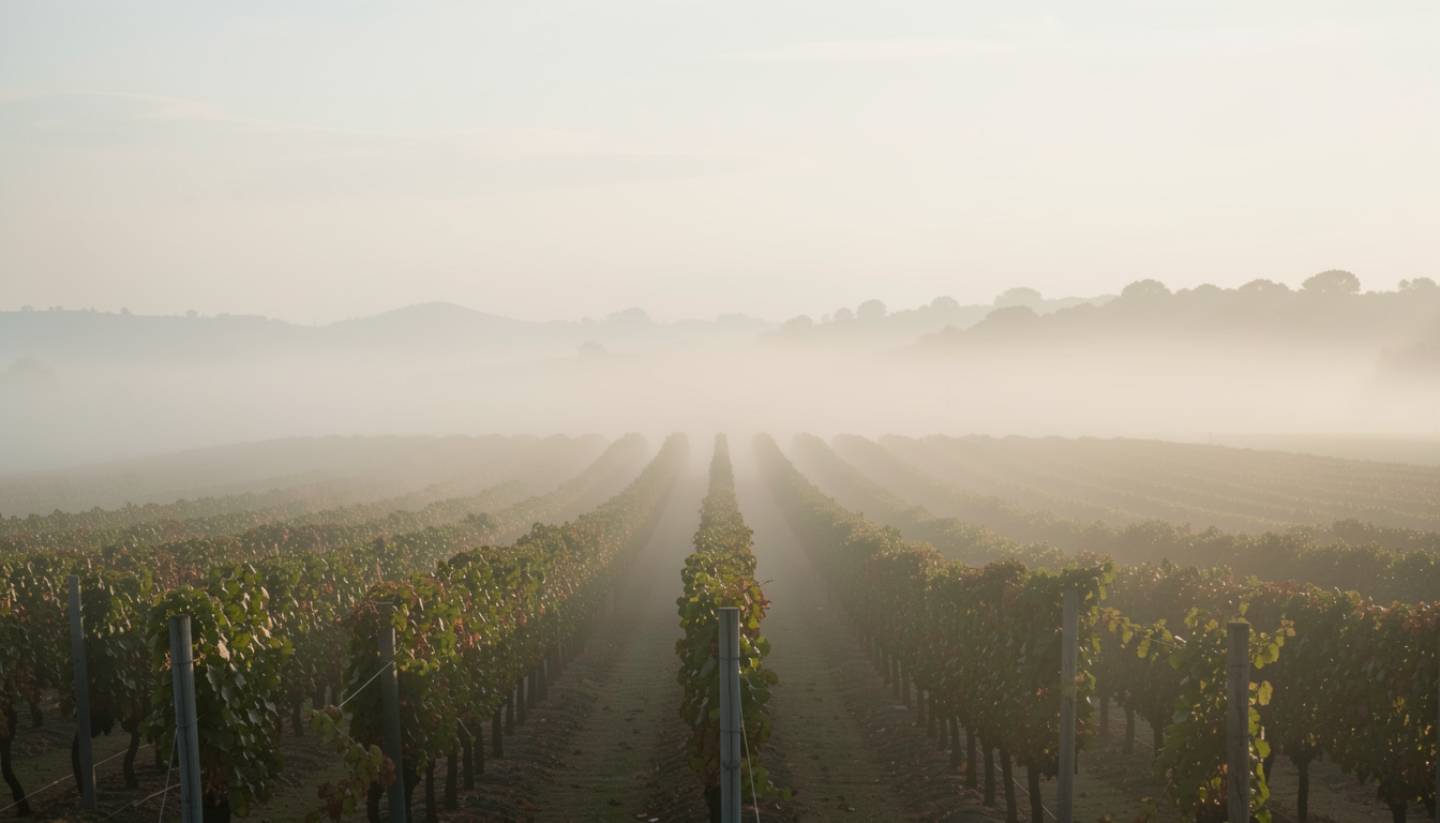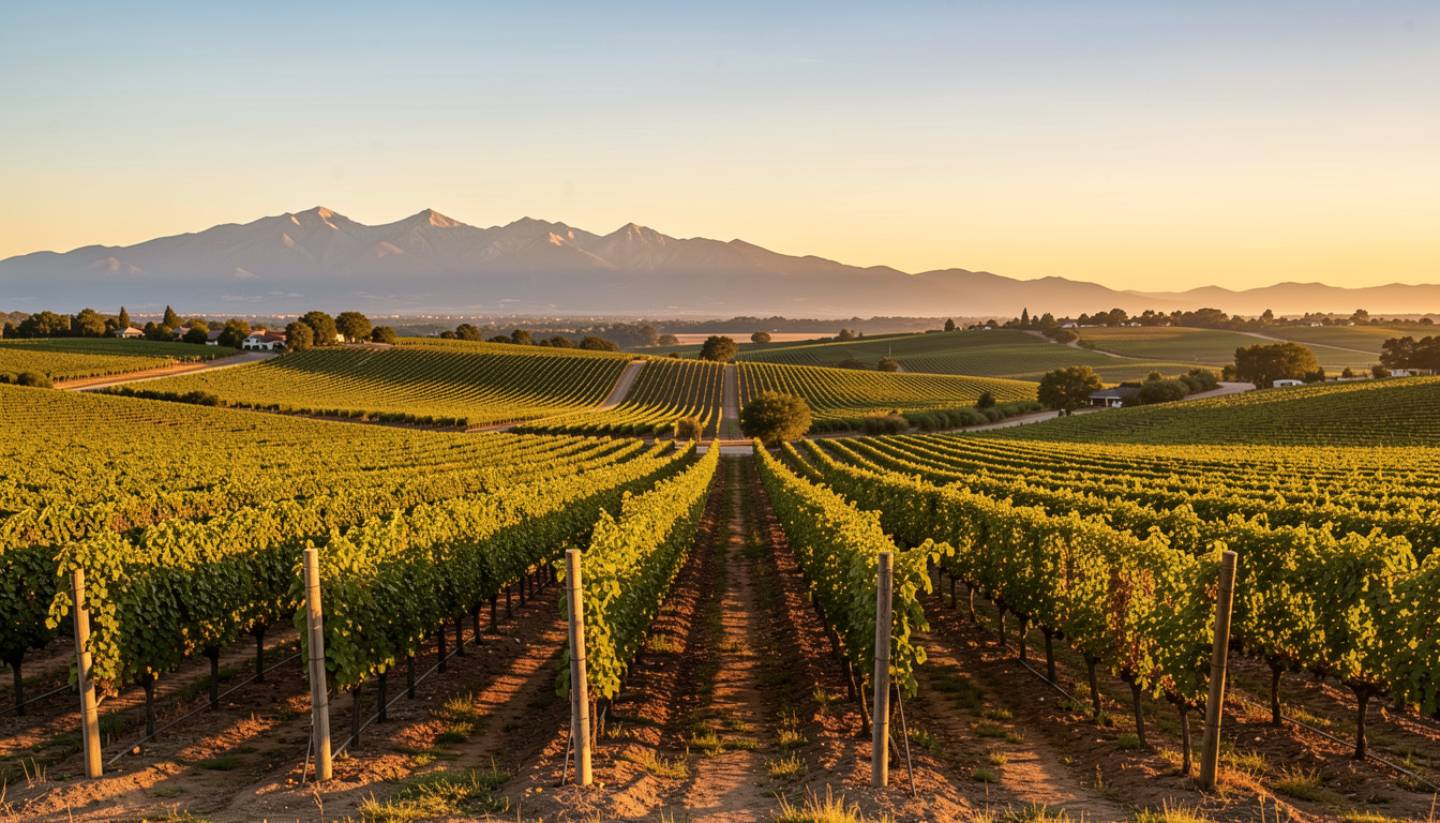
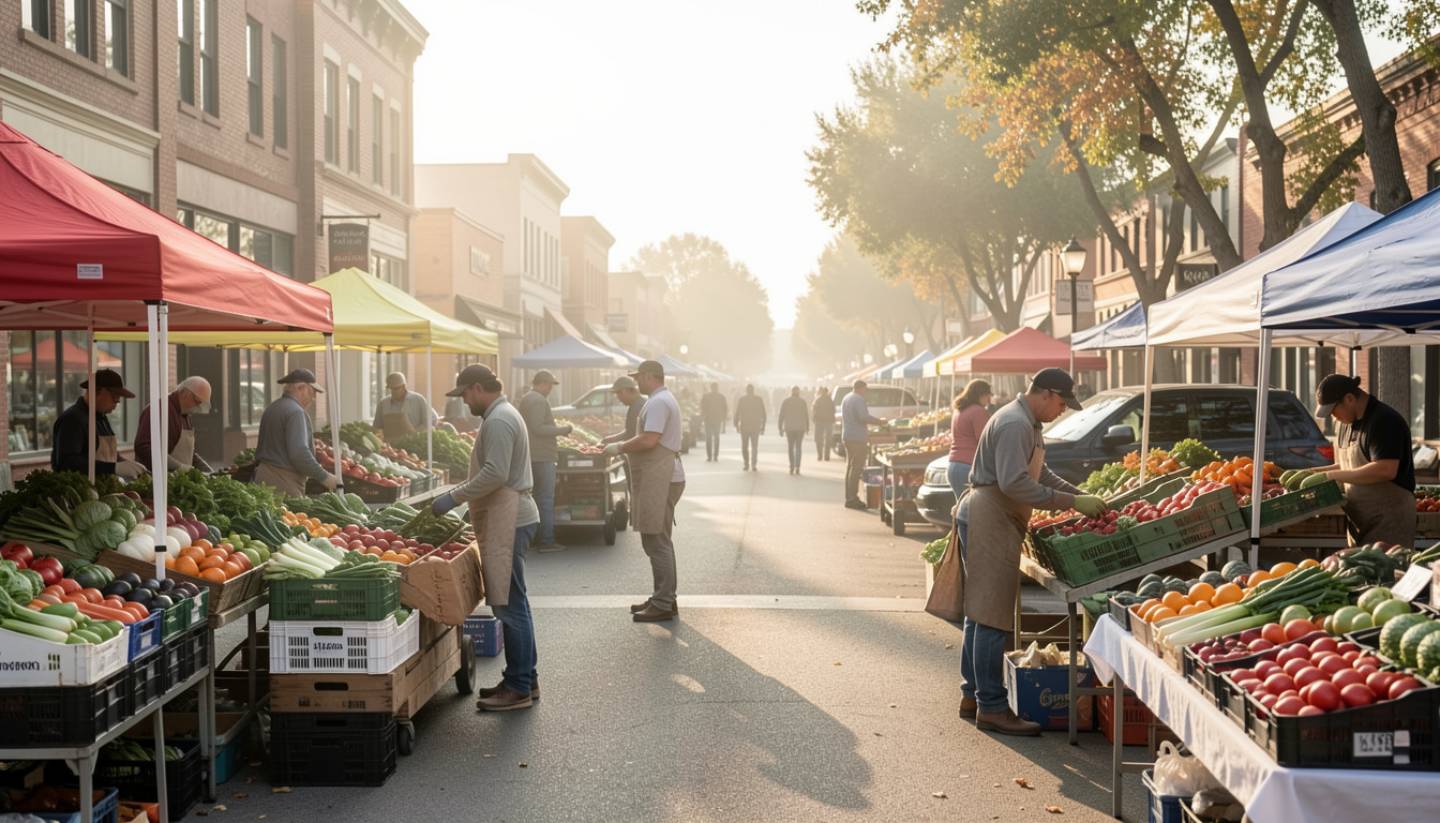
The trucks arrive early. Before tasting rooms open and long before lunch service begins, the valley is already in motion. Bakers unload bread still warm from overnight ovens. Farmers set crates of citrus, chicories, and winter greens along the curb. Line cooks slip through side doors with coffee in hand. Napa reveals itself best in these hours, when food is still process, not performance.
For food writers and culinary journalists, this is where the real stories live. Napa is not just a place to eat well. It is a place to observe how ingredients move from soil to station, how menus bend to weather and labor, and how a small agricultural valley learned to express itself through food.
What This Experience Is Really About
Writing about food in Napa is not about chasing reservations. It is about understanding context.
Here, food journalism becomes a study of:
Seasonal Constraint
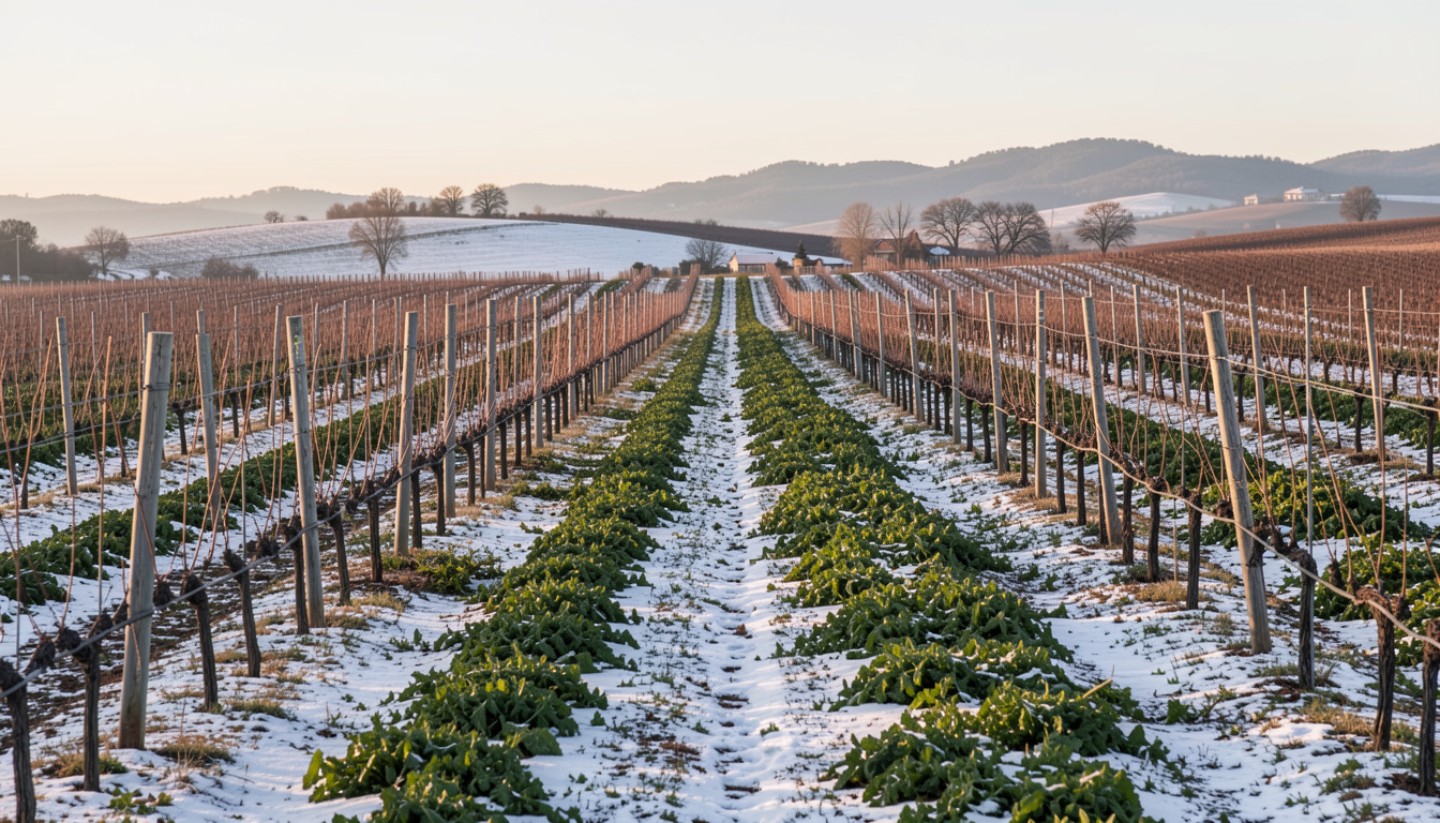
Menus change because supply changes. Rain delays, heat spikes, smoke exposure, and harvest labor all shape what ends up on the plate.
Back of House Culture
Many Napa kitchens are intentionally small. You notice quiet efficiency, short lines of communication, and how teams adapt when an ingredient fails or arrives imperfect.
Producer Proximity
Farmers, cheesemakers, millers, ranchers, and fishermen are often within a short drive. Conversations happen face to face, not through layered distribution chains.
Hospitality as Editorial Voice
Napa food culture values restraint. Dishes are meant to be legible. The goal is understanding, not spectacle.
Where Food Stories Begin: Markets and Morning Rituals
Downtown Napa Farmers Market
A cross section of the valley. Ask growers what struggled this season. That answer is often the real headline.
Sunshine Foods in St. Helena and Browns Valley Market in Napa
Quiet sourcing hubs where chefs pick up ingredients that never appear in press photos.
CIA at Copia
Beyond classes, Copia provides context. Gardens, demonstrations, and archives connect culinary technique to agricultural reality.
Local Timing Note
Arrive by 7:30 in the morning. The most honest conversations happen before service, before press, and before the day tightens.
Geography Matters More Than It Seems
Understanding where you are in the valley explains how food behaves.
St. Helena
The historic culinary heart of Napa. Many long standing kitchens here still operate on old valley rhythms.
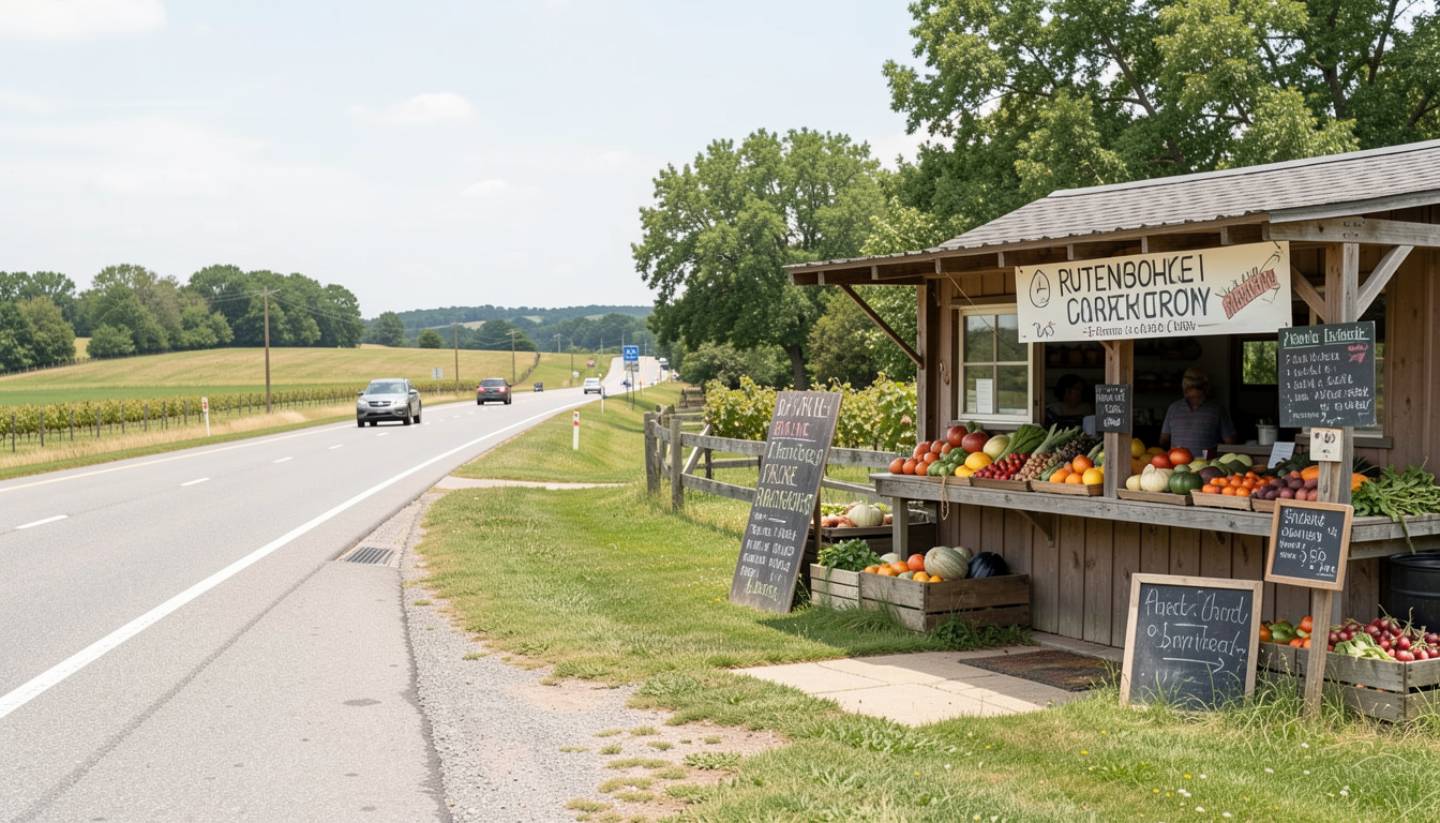
Directional cue: Driving north on Highway 29, the transition from open vineyard to dense historic storefronts signals this shift.
Rutherford Benchlands
Agriculture leads the conversation here. Food and wine overlap naturally because the dirt is always part of the story.
Downtown Napa
A record of evolution. You can trace the shift from tasting room driven dining to a resident centered food culture.
Kitchens Worth Observing
Seek kitchens that value clarity over performance.
Look for:
- Menus that change weekly
- Lunch services that reveal real pacing
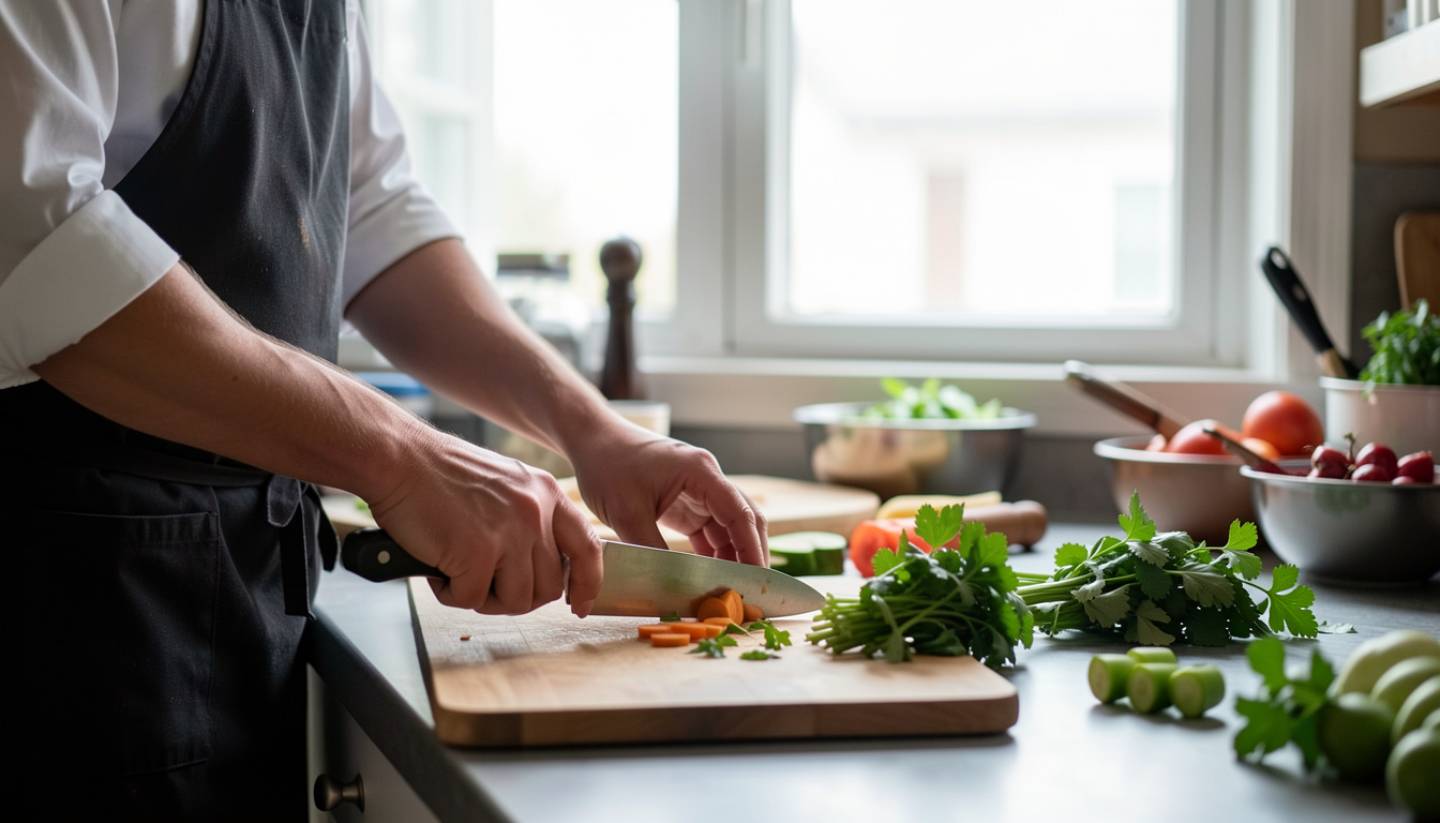
- Prep windows where cooks explain decisions instead of plating
Places like Farmstead, The Charter Oak, and Bistro Jeanty show how Napa cooking balances simplicity with technical discipline.
What Most Visitors Miss
Food writers should pay attention to the pauses.
The quiet family meal before service.
The negotiation between a farmer and a sous chef over bruised but perfect fruit.
The handwritten prep notes that reveal last minute menu changes.
In Napa, the best food stories often come from what did not go as planned.
A Short Personal Micro Story
I grew up watching dishes disappear without explanation. One week a menu changed because rain lingered too long. Another week a farmer showed up with something unexpected and the kitchen adjusted. That responsiveness shaped how I understand hospitality here. It listens first, then acts.
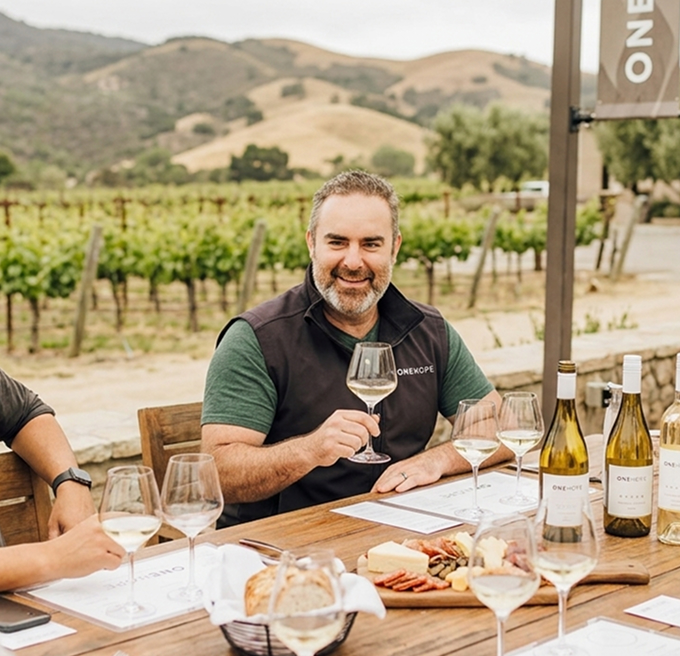
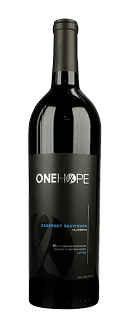
At Estate 8 and ONEHOPE, that same mindset guides how we think about food and wine experiences. The goal is not to impress. It is to stay honest to what the land is offering in that moment.