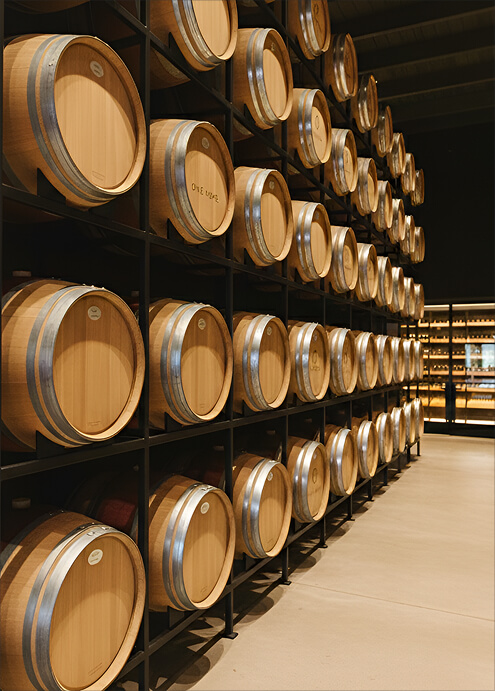
Sustainability in Napa does not begin with signage or certifications. It begins with restraint. With choosing not to build where you could. With farming at the pace the land allows rather than the pace the market demands. With the understanding that the valley only works if it still works long after you are gone.
For travelers exploring sustainability as a lifestyle rather than a trend, Napa offers something rare. You can see long term thinking etched directly into the land, the buildings, and the daily decisions that keep the valley intact.
What This Experience Is Really About
Sustainability in Napa is not conceptual. It is operational.
At its core, the valley focuses on three interconnected systems.
Regenerative Farming
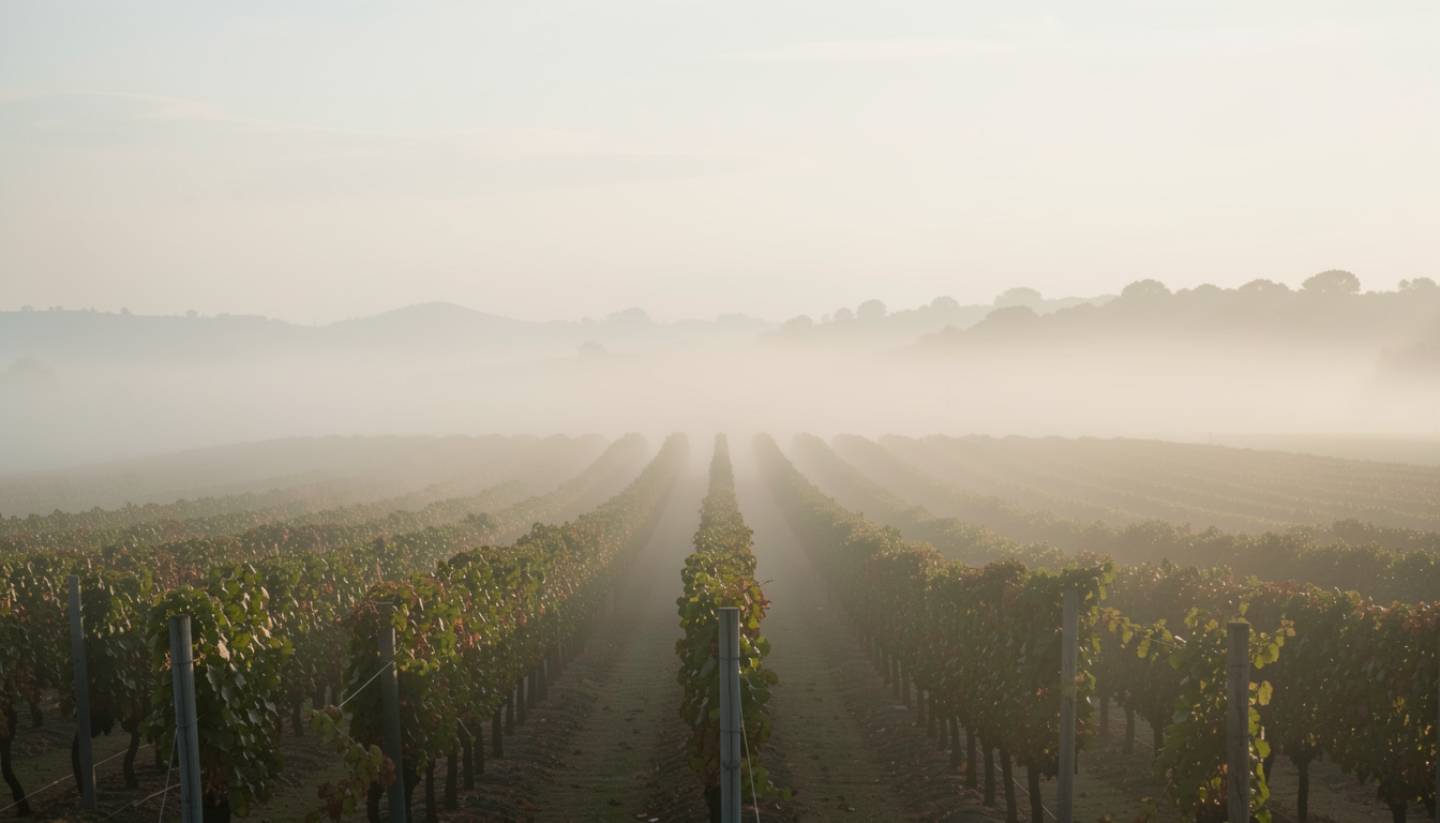
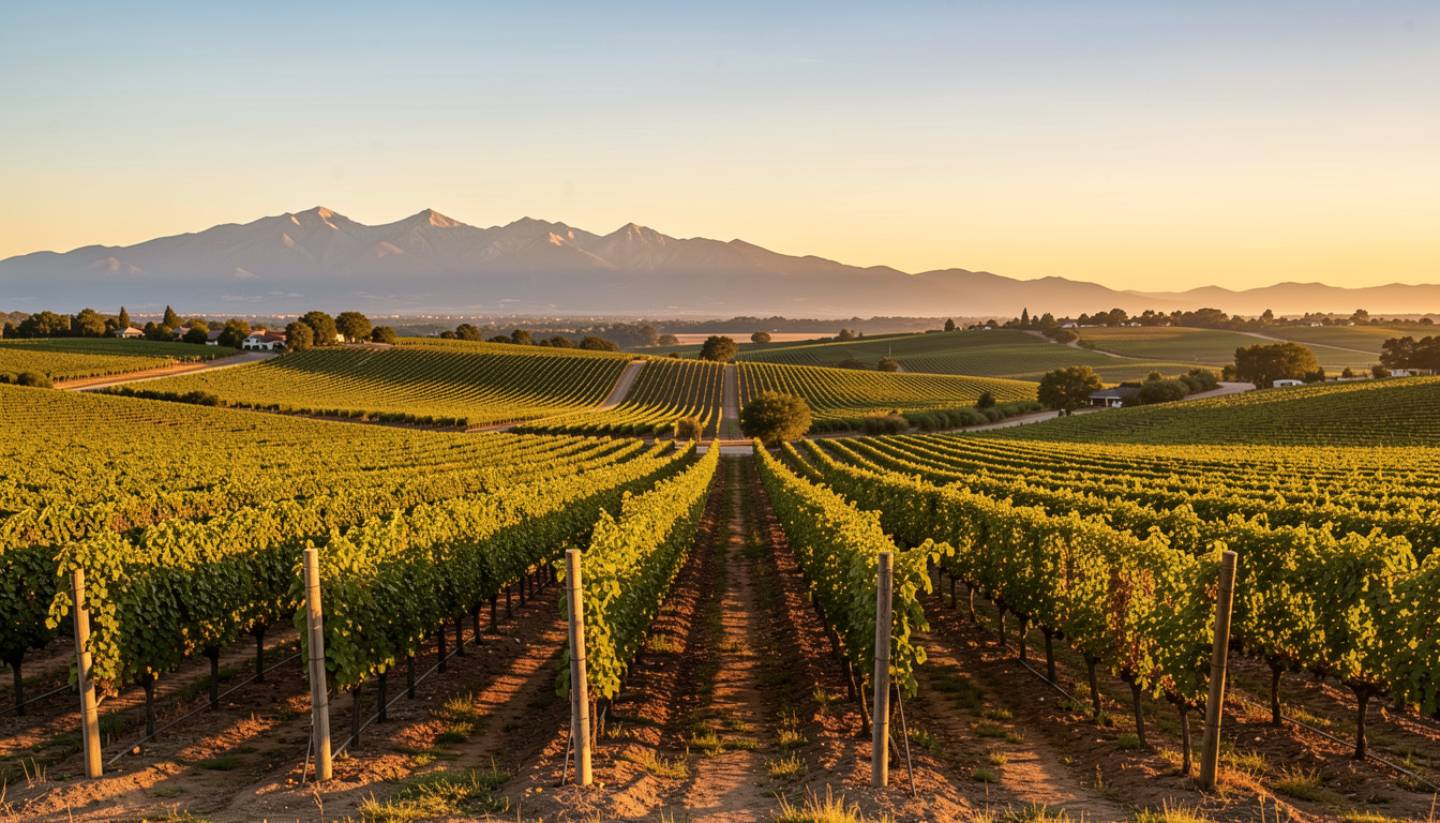
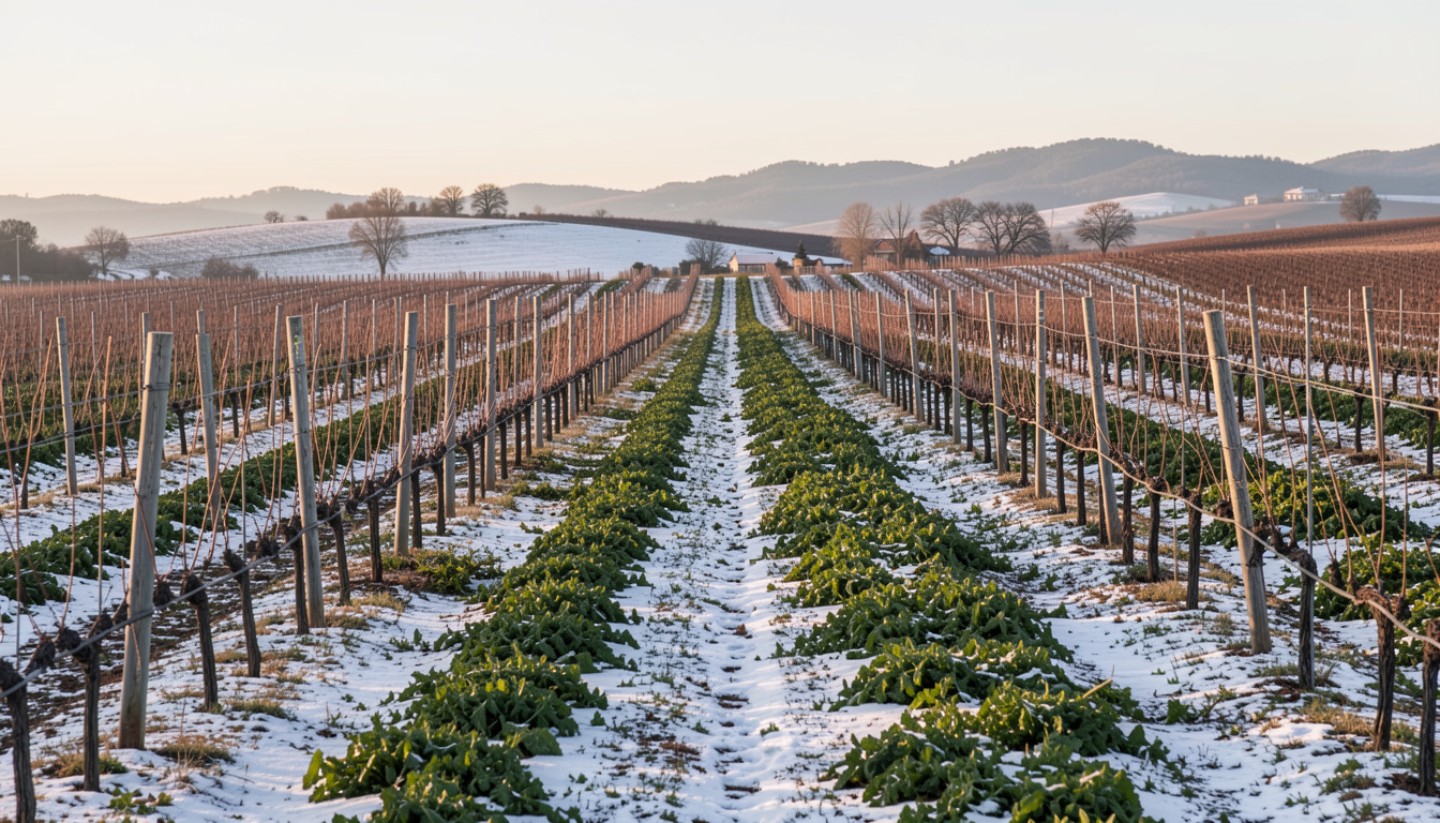
Many vineyards go beyond organic standards. Winter cover crops like mustard, clover, and vetch prevent erosion, fix nitrogen, and improve soil structure. Composting returns nutrients to the land. Dry farming and deficit irrigation conserve water. Biodiversity is prioritized because healthy soil produces better fruit over decades, not just a single vintage.
Building With Limits
Architecture in Napa responds to slope, light, and fire risk. Height restrictions, setbacks, and material choices shape how wineries and homes age over time. Local stone, concrete, and fire resistant materials are used because resilience matters more than scale.
Water Stewardship
In a Mediterranean climate, water is currency. Wineries capture and treat process water, reuse it for irrigation, and plan vineyard layouts around drainage patterns that protect the Napa River watershed.
This is sustainability rooted in stewardship rather than optics.
Where to See It in Action
Certain parts of the valley make these practices easy to observe.
Rutherford and Oakville Benchlands
The central benchlands reveal how regenerative farming protects erosion prone soils while maintaining vineyard health year after year.
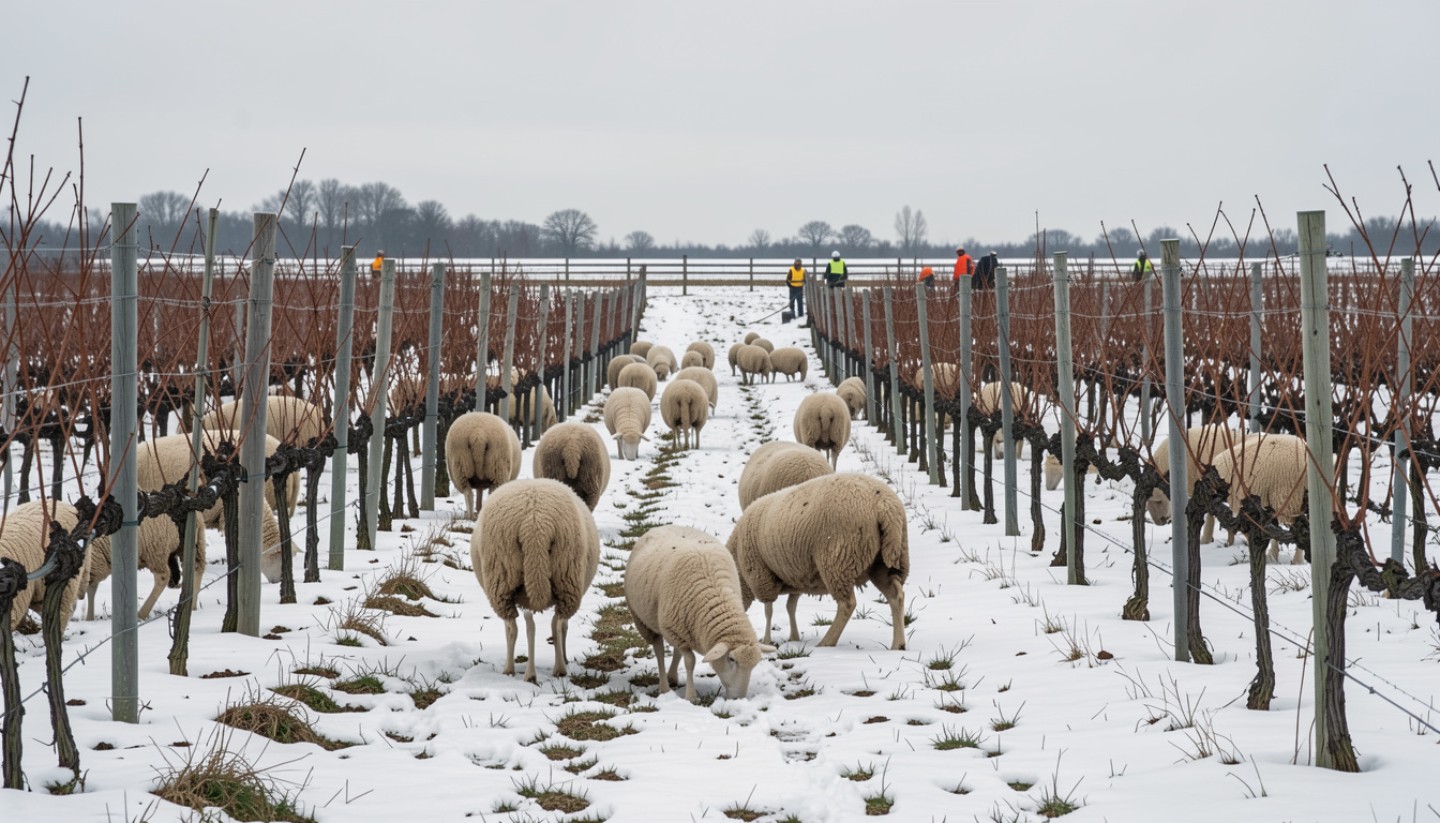
Local cue: In winter, look for sheep grazing between the rows. This is not decorative. It is a working system that replaces tractors, manages weeds, and fertilizes naturally.
Calistoga and the Palisades
The northern end of the valley leans more geothermal and off grid. You will see drought tolerant landscaping, alternative energy use, and rural building strategies shaped by heat and fire history.
Downtown Napa Riverfront
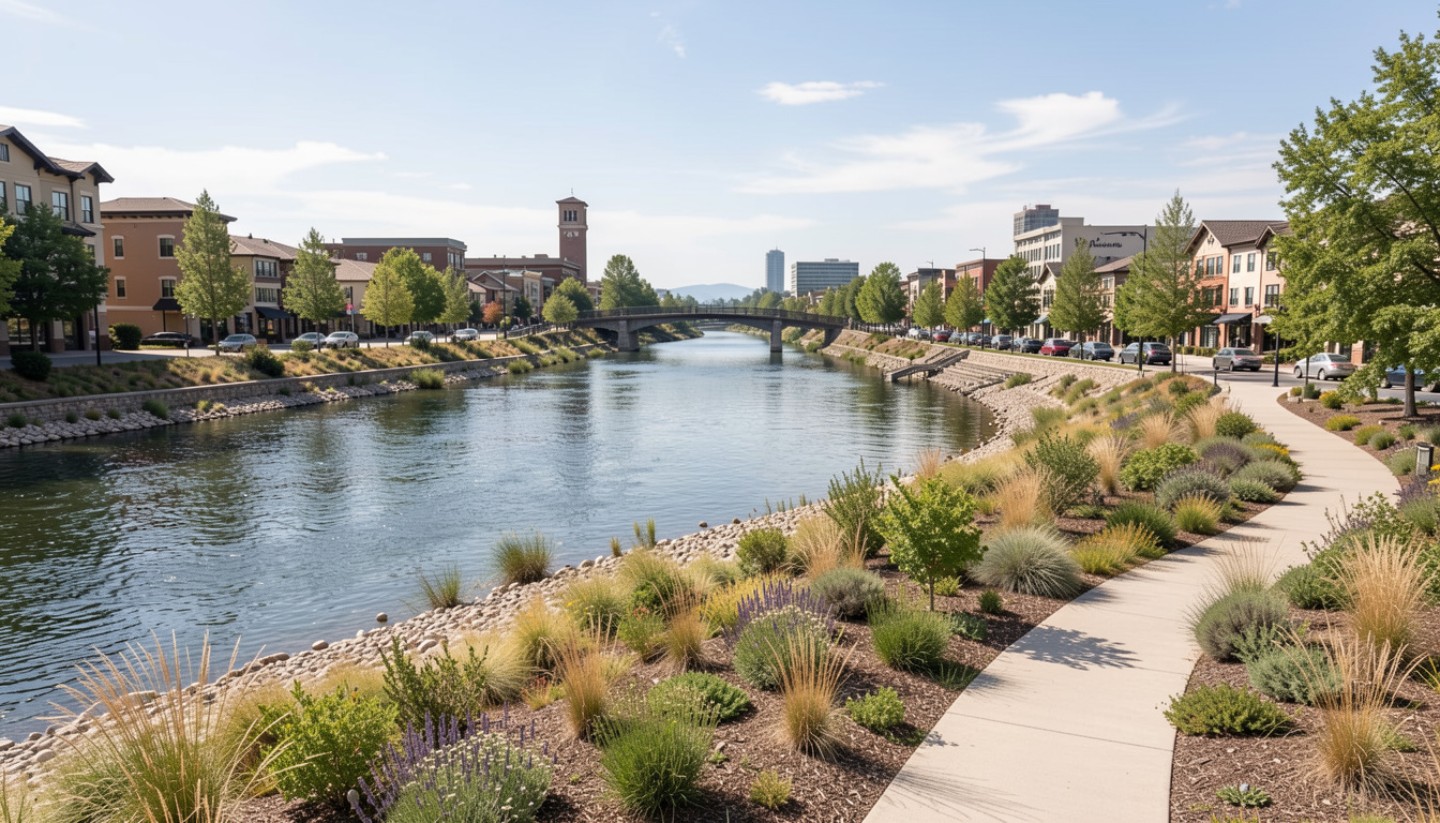
The Living River project is a global example of flood control through restoration rather than concrete channels. It shows how civic planning and environmental repair can coexist.
What Most Visitors Miss
Sustainability in Napa often shows up through absence.
No billboards between towns.
No strip malls along Highway 29 up valley.
No unchecked sprawl on the valley floor.
These are the result of zoning, policy, and community pressure, not coincidence.
Even the mustard bloom that draws photographers each winter is functional. It is a nitrogen fixing cover crop doing quiet work long before harvest begins.
A Short Personal Story
Growing up here, I learned that land remembers how you treat it. After heavy winter rains, certain vineyard blocks always drained clean while others pooled water for days. The difference was not location. It was how those soils had been cared for over time. Sustainability was never abstract to me. You could see it every winter in the way water moved through the ground.
A Gentle Personal Note
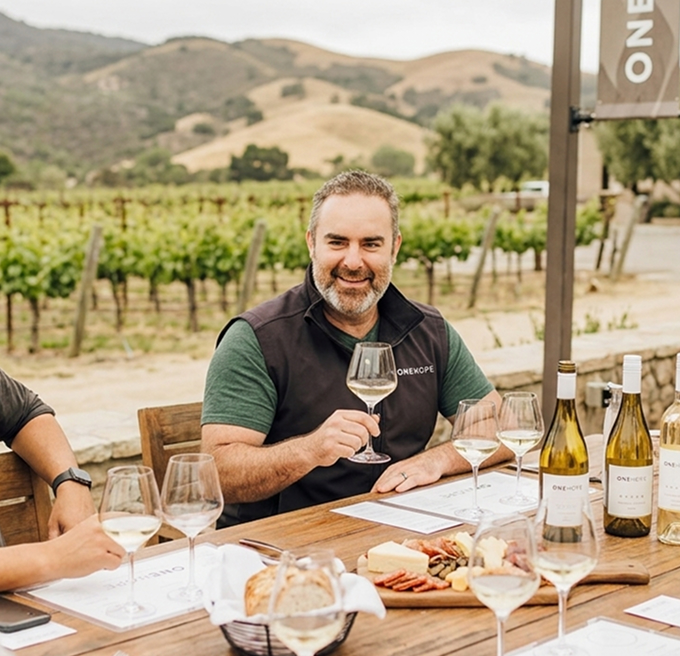
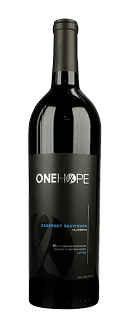
I will admit a small bias. ONEHOPE and Estate 8 exist because Napa values long term stewardship. Farming with intention, designing spaces that age well, and hosting people responsibly all come from the same belief. Sustainability here is not a label. It is a promise to the next generation of people who will walk this land.
Seasonal Relevance
Winter, January through March
The best time to see cover crops, composting, and grazing in action.
Spring
Bud break reveals how water management and soil health support vine growth from the start.
Fall
Harvest shows how sustainable practices hold up under pressure, especially around waste management and composting.