The first few days of slowing down can feel awkward. You wake up earlier than planned. You reach for your phone without needing to. You wonder if you should be doing something.
Napa is patient with that phase. It does not hurry you through it.
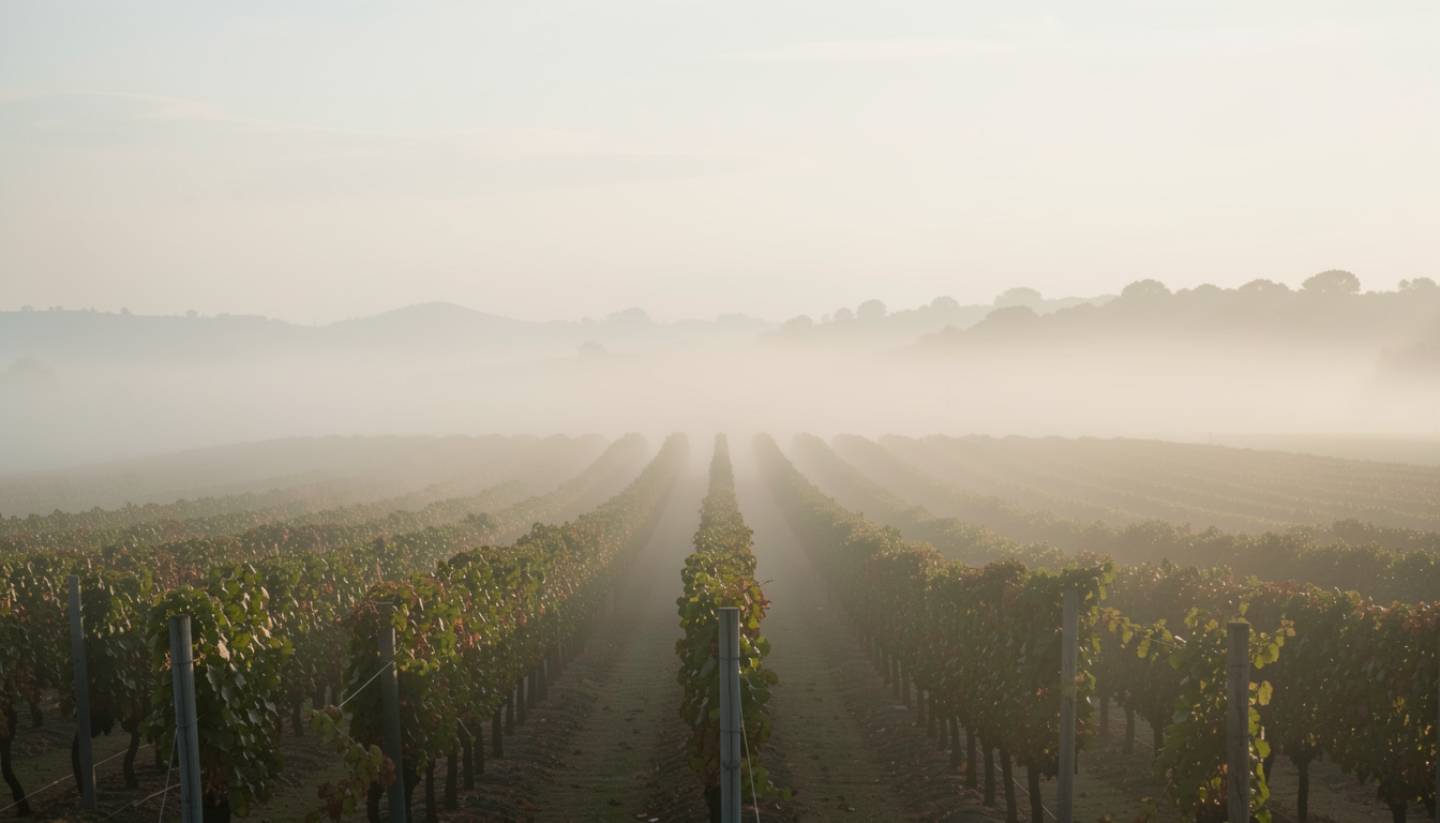
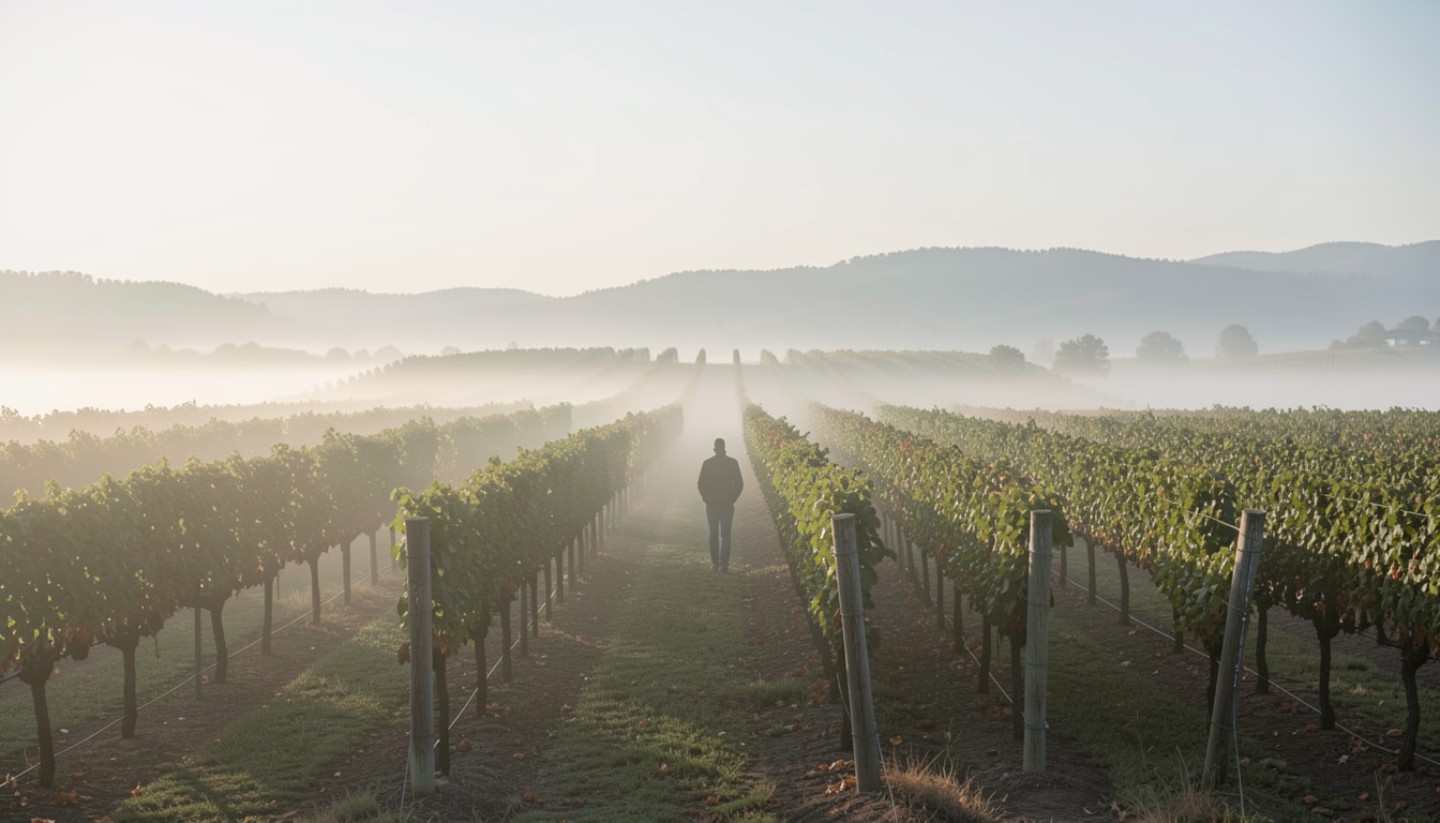
Mornings stretch here. Fog lingers over the Rutherford benchlands longer than you expect. Coffee tastes better when there is nowhere to be. The valley does not reward speed. It rewards presence. People come to Napa to learn how to move differently. A few stay long enough to let it settle in.
What This Experience Is Really About
Slow travel is not about doing nothing. It is about doing less with intention.
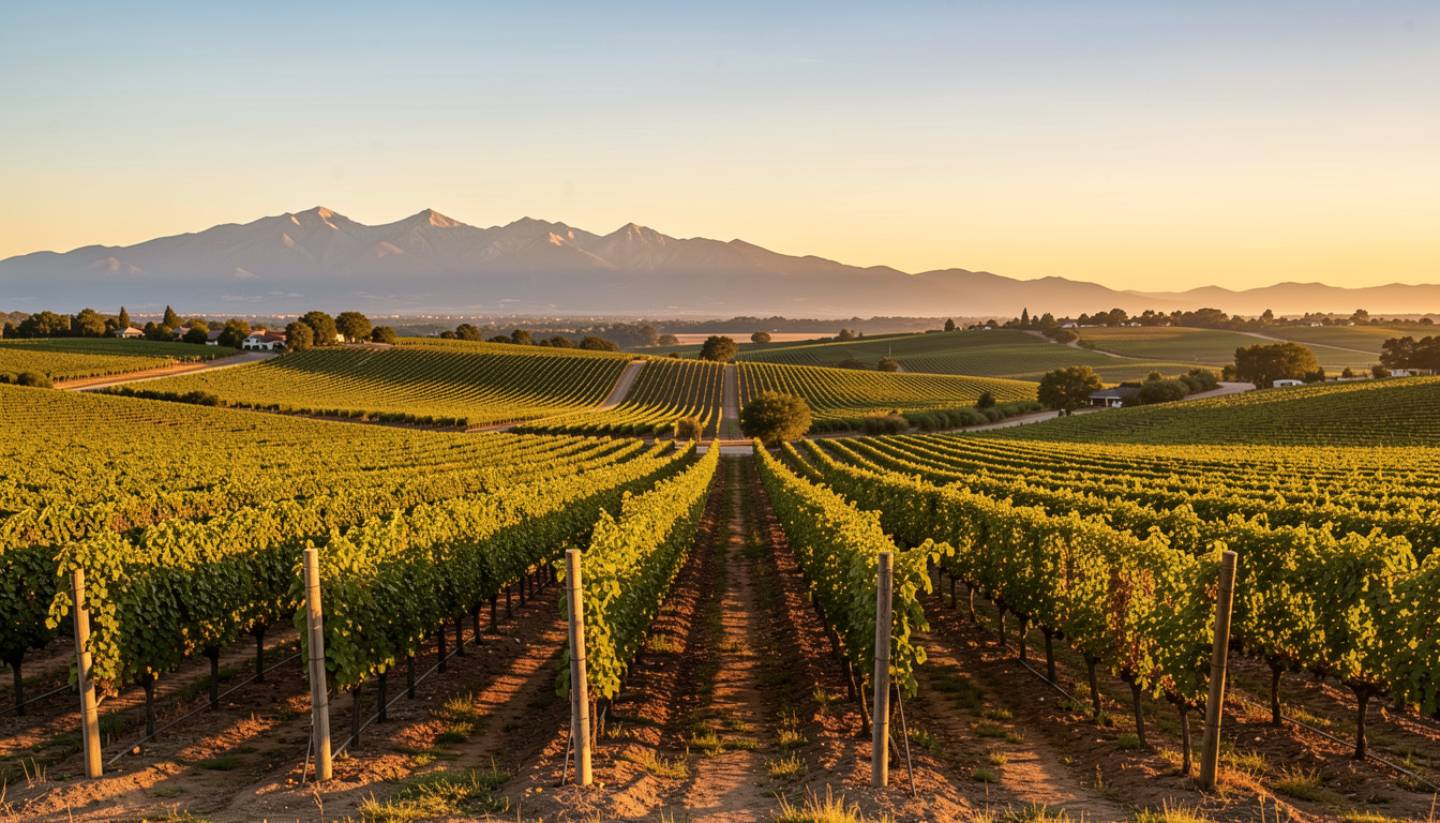
That shift happens naturally here because Napa is agricultural at its core. Work follows seasons, not clocks. Vines are pruned, waited on, then harvested. Nothing happens all at once.
Intentional living in Napa looks like repetition. The same walk each morning. The same coffee stop in town. The same vineyard view that starts to feel familiar instead of impressive. Wine fits quietly into that rhythm. A glass in the afternoon. A tasting once or twice a week. Enough to mark time without filling it.
When Extended Stays Work Best
People learning to live more slowly tend to thrive during longer visits.
Two to four weeks allows routines to form and distractions to fall away.
Midweek is the secret. Tuesday through Thursday is when the valley breathes.
Late winter and early spring bring calm energy, mustard flowers between the rows, and tasting rooms that feel personal again.
The goal is not to see everything. It is to stop counting.
What Most Visitors Miss
Many travelers say they want to slow down but plan like they are afraid of missing something. They book tastings back to back. They drive the full length of the valley every day.
Slowing down means letting repetition replace novelty. Returning to the same bakery in Yountville. Visiting the same winery twice in one stay. Walking the same road at the same hour.
Napa opens up when you stop sampling it and start inhabiting it.
My Local Notes
Some of the most content visitors I know are the ones who stay long enough to blend in. They grocery shop at Oakville Grocery. They recognize faces at the same coffee counter. They stop asking what else they should do.
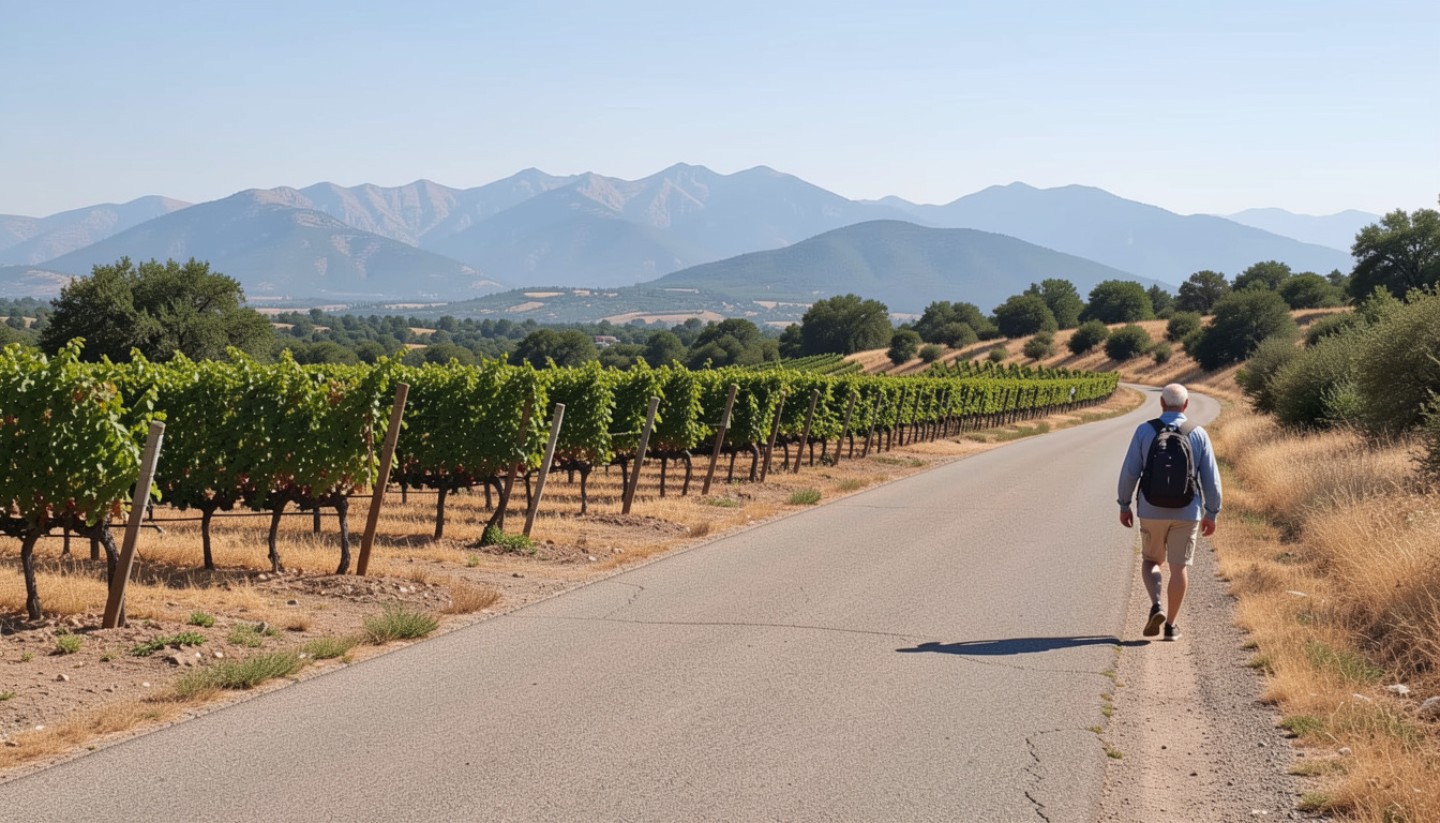
I remember a guest who stayed nearby for nearly a month. By the third week, they stopped tasting wine entirely and spent their afternoons walking vineyard roads near Rutherford. One morning they told me Napa taught them how to stop measuring days by output. That comment has stayed with me.
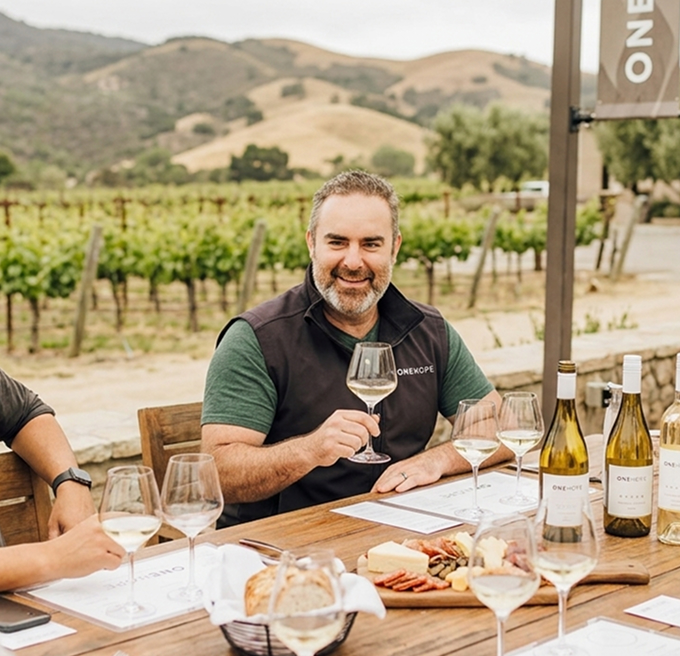
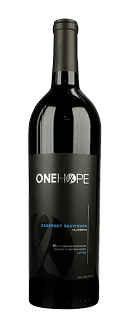
I will admit a small bias here. ONEHOPE at Estate 8 was shaped around this idea of presence. It is my baby and very much my purpose. The property, just north of the Yountville Cross Road, was designed for lingering rather than turnover. I have watched guests slow their speech, then their schedules, simply by staying long enough to take in the valley from our tower and realizing nothing is waiting on them.
How to Shape a Slow Napa Routine
The Daily Anchor
Choose one simple habit. A morning walk through the vines. Coffee outside. Sitting quietly before the day fills in.
The Weekly Marker
Plan one intentional experience per week. A private winery visit where conversation matters more than volume. A long lunch that runs into the afternoon.
The Space Between
Leave entire days open. Slowness lives in the unscheduled hours between Silverado Trail and Highway 29.
Where to Eat When Time Is Not a Factor
Slow living pairs best with places that never rush you.
Farmstead at Long Meadow
offers food that feels steady and familiar, especially on a quiet weekday.
The Charter Oak
encourages shared plates and conversations that last longer than planned.
Brix
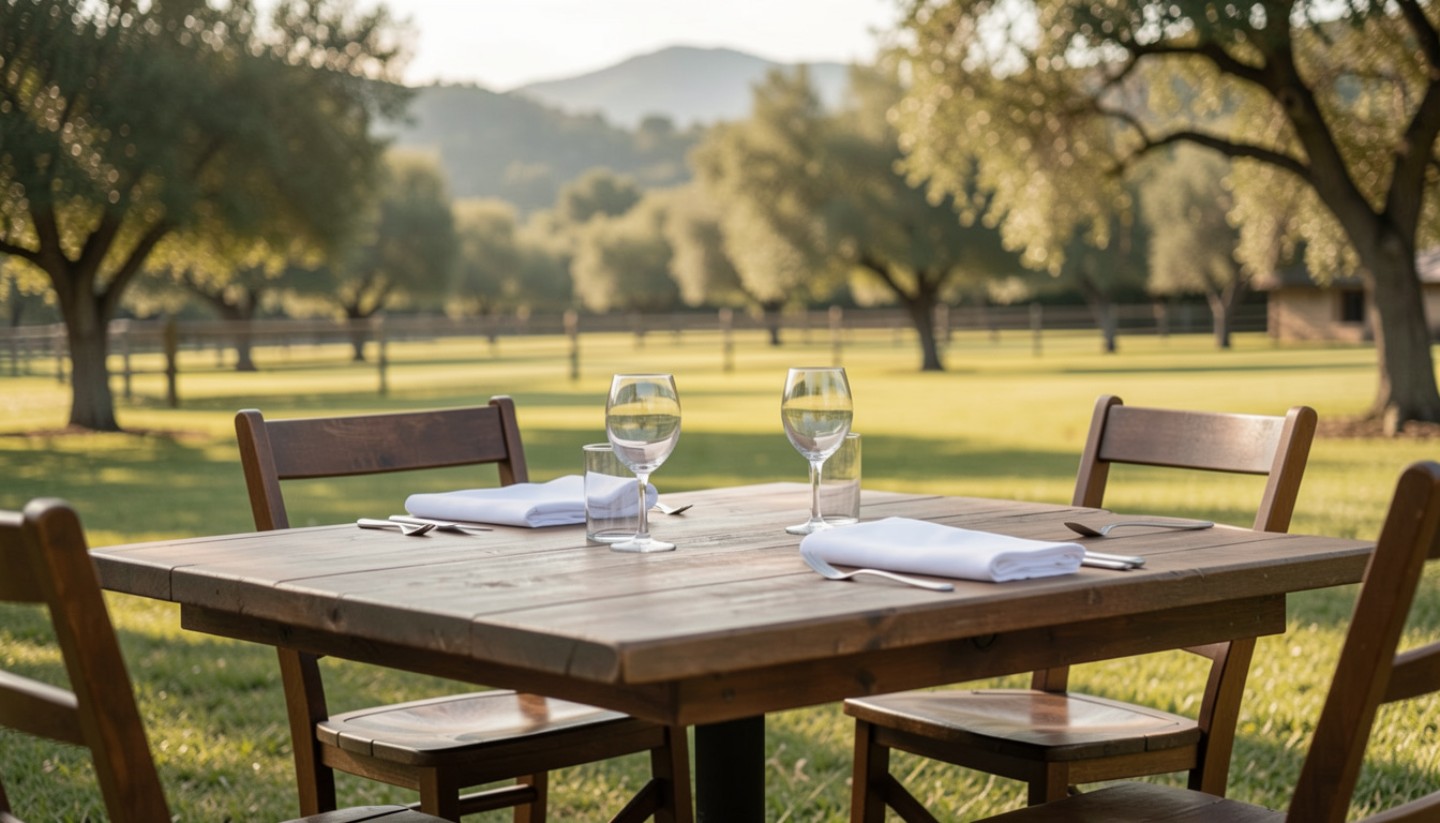
just north of Yountville, invites you to walk the gardens between courses and reset your attention.
Small Histories
Napa was never meant to be consumed quickly. Long before tasting rooms and reservations, this was a place of waiting. Waiting for rain. Waiting for bud break. Waiting for harvest.
The valley still moves at that pace beneath the surface. People who learn to live more slowly tend to recognize themselves in it.