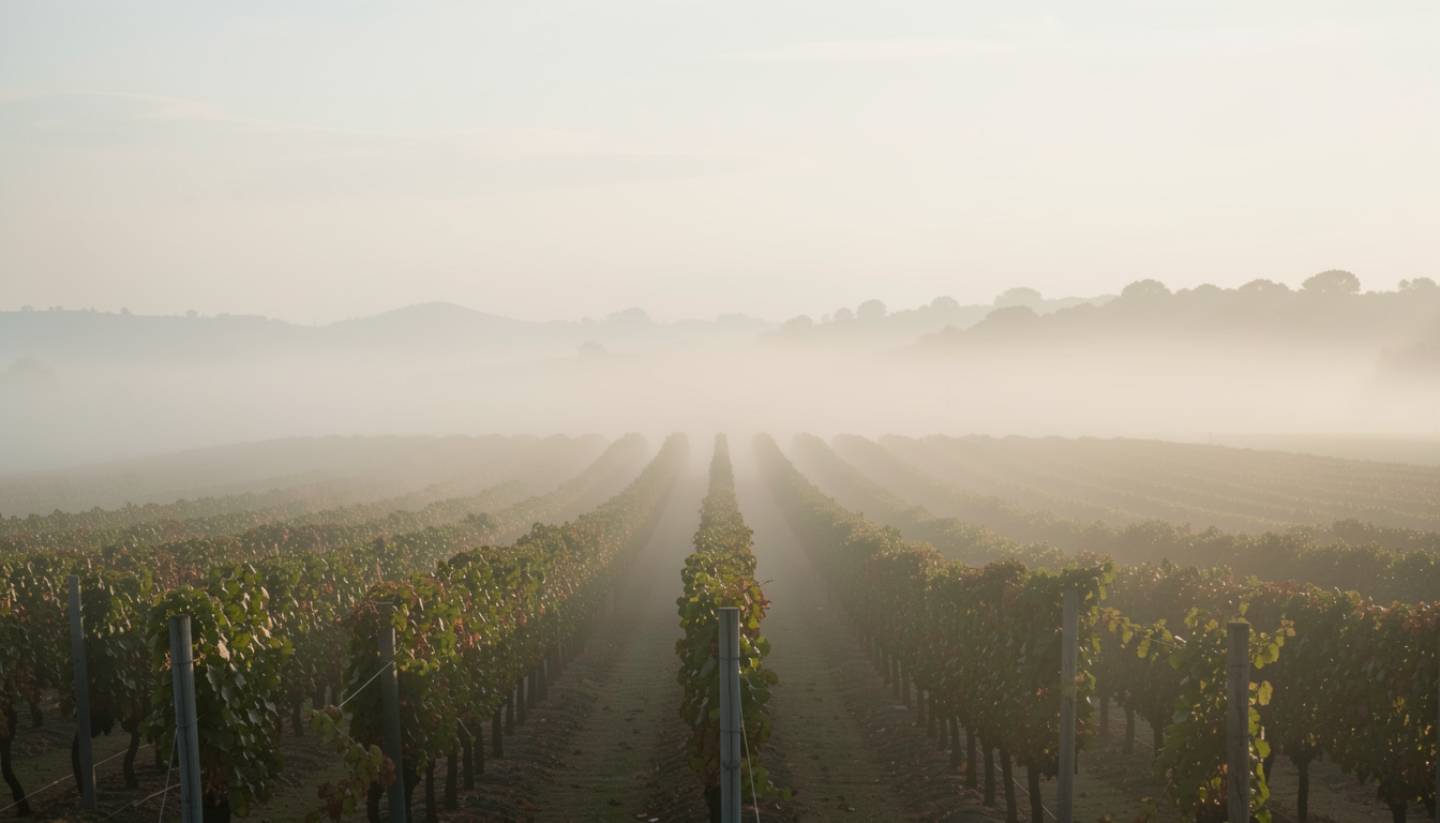
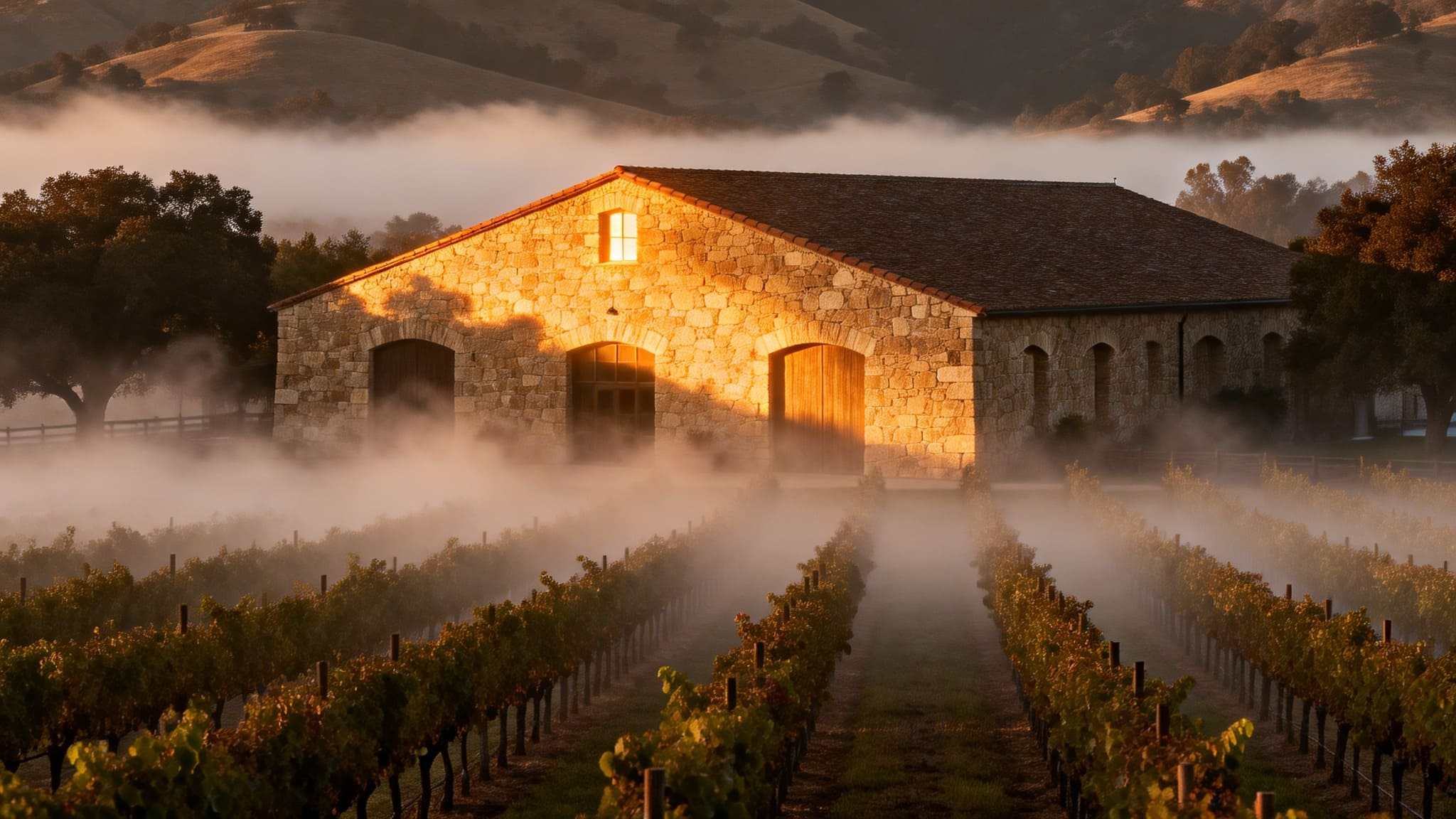
Morning fog settles low along the valley floor, softening edges and slowing everything down. Stone walls warm gradually. Redwood grain catches the first light. Glass reflects vines instead of traffic. Napa does not announce its architecture. It asks you to notice it.
For students of design, that restraint is the lesson. From the heavy masonry of nineteenth century ghost wineries to today’s quiet glass and steel estates, Napa is a masterclass in how buildings age alongside land rather than compete with it.
What This Experience Is Really About
Napa architecture is not about standalone icons. It is about siting, sequence, and restraint.
Design learners come here to study:
- How buildings sit into slopes rather than rise above them
- How circulation shapes the guest experience from arrival to pause
- How hospitality architecture choreographs calm, not crowd flow
The valley teaches that good design does not shout. It guides.


What Napa Teaches Design Students
Material Honesty
Local fieldstone, rammed earth, reclaimed redwood, and unfinished steel are used for durability and aging, not trend.
Thermal Logic
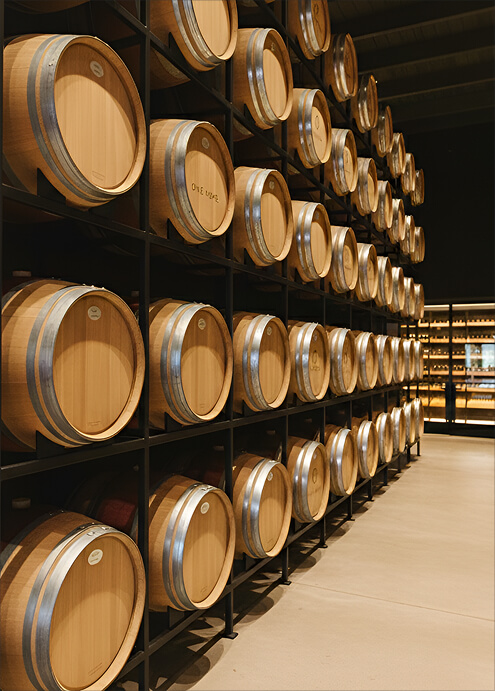
Caves, stone walls, and buried structures manage temperature naturally. Sustainability here is practical, not performative.
Threshold Design
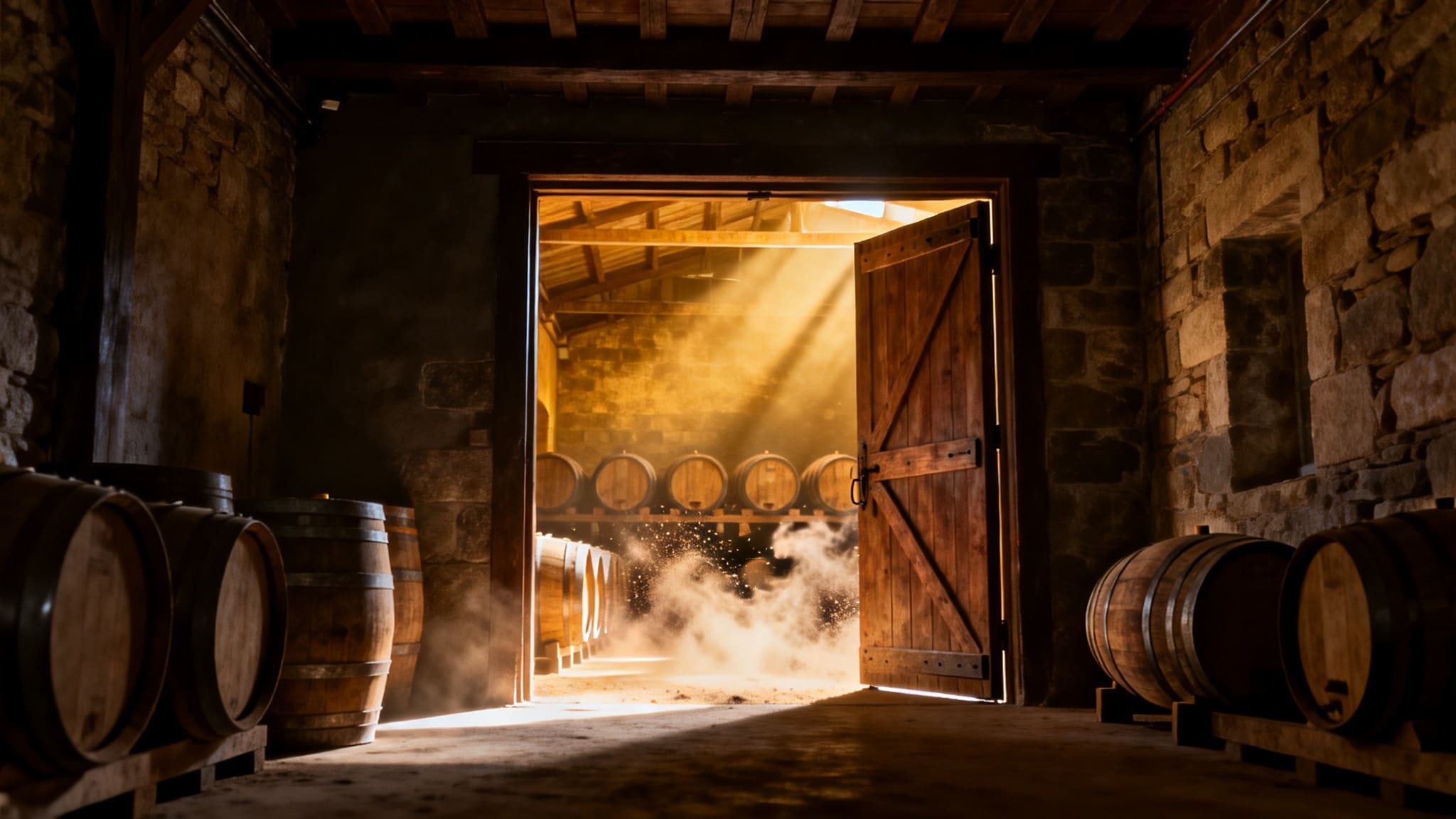
Bright vineyard light gives way to compressed entries, then opens again into tasting rooms or cellars. The movement matters as much as the room.
Key Sites for Design Study
Ghost Wineries of Rutherford and St. Helena
Built in the 1880s, these structures reveal gravity flow logic, massive stone masonry, and agricultural efficiency that still informs modern winery design.
Modern Napa Minimalism
Look for work by Backen and Gillam or Lail Design Group. Their projects emphasize indoor outdoor flow, restraint, and buildings that feel inevitable rather than imposed.
Dominus Estate, Yountville
Herzog and de Meuron’s use of basalt filled gabion walls remains one of the clearest examples of light filtration and thermal regulation in winery architecture.
Hall St. Helena
A high contrast study where an 1885 stone winery sits beside a modern glass pavilion. Old and new coexist without competing.
Local Directional Cues
Silverado Trail
Drive the eastern side of the valley for lessons in recessive architecture. Buildings disappear into hillsides, preserving sightlines and scale.
Highway 29
The historic spine of the valley, lined with formal estates, stone wineries, and legacy agricultural structures.
Yountville
A walkable laboratory of human scale design, hospitality detailing, and refined material palettes.
What Most Visitors Miss
Most visitors rush tasting rooms for wine. Design students should linger at the edges.
Notice:
- Ceiling compression at entry and release into main spaces
- How windows frame views instead of exposing them
- The shadow gaps and reveals where concrete meets wood
Those junctions tell you everything about intent.
Seasonal Relevance
Late spring and early fall offer the best light for sketching and study. Shadows are legible and outdoor circulation spaces remain active.
Winter, the valley’s quiet season, is when the bones show. With vines dormant, architecture and landscape stand fully exposed. It is one of the best times to study form without distraction.
A Short Personal Note
When I was younger, I used to stop at a few of these sites late in the afternoon, long after tasting rooms had quieted. Walking the edges, watching light shift on stone, you start to understand why Napa buildings feel calm. They are designed to slow people down. That lesson stayed with me long before I ever built anything myself.
A Gentle Personal Note on Design
I will admit a little bias here. Projects like Estate 8 reflect how deeply I care about design that serves people first. It was built with hospitality and land rhythm in mind, not trends. That philosophy of intentional understatement runs quietly through Napa, especially along the Rutherford benchlands. Once you learn to see it, it becomes hard to miss.