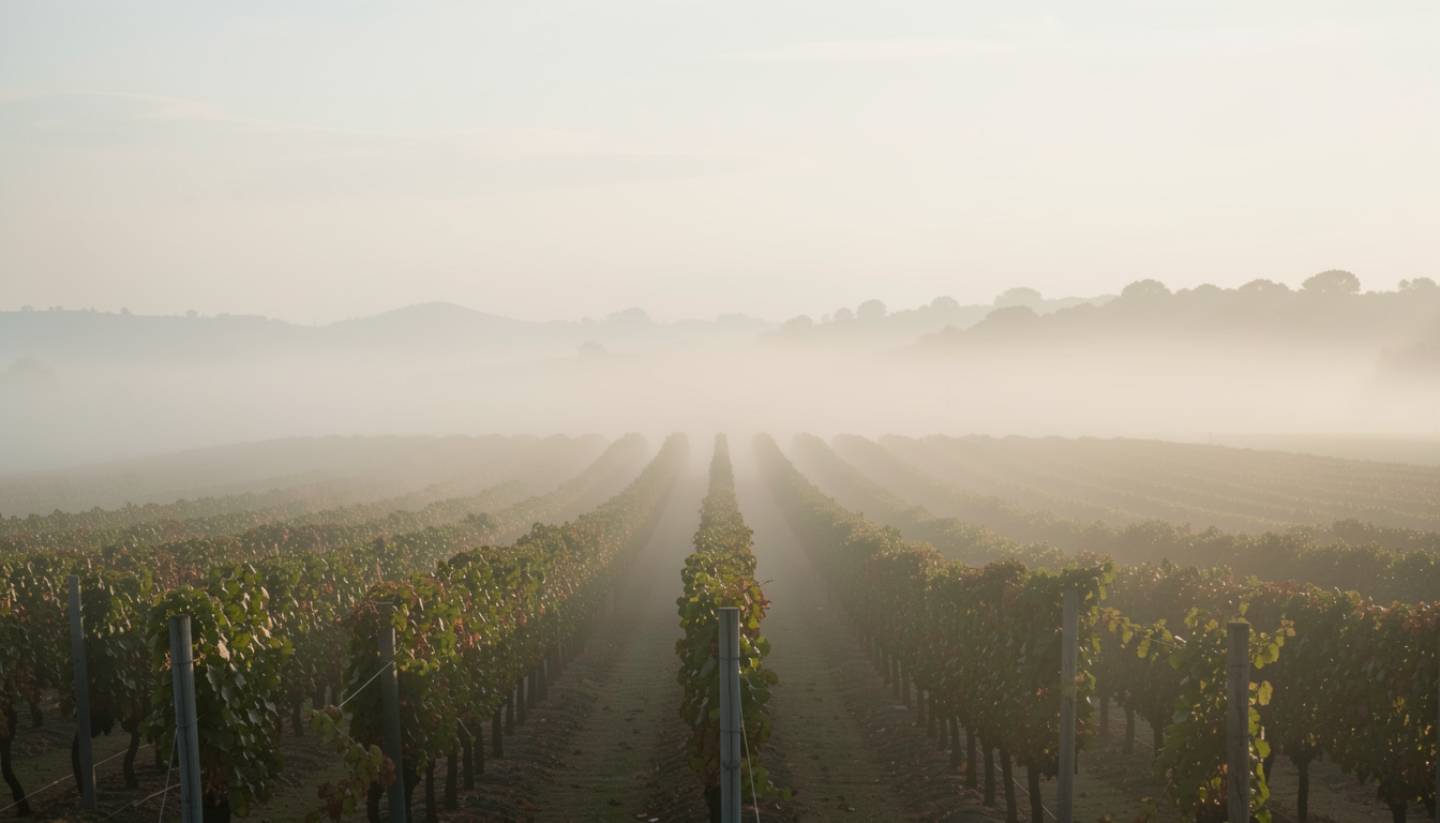
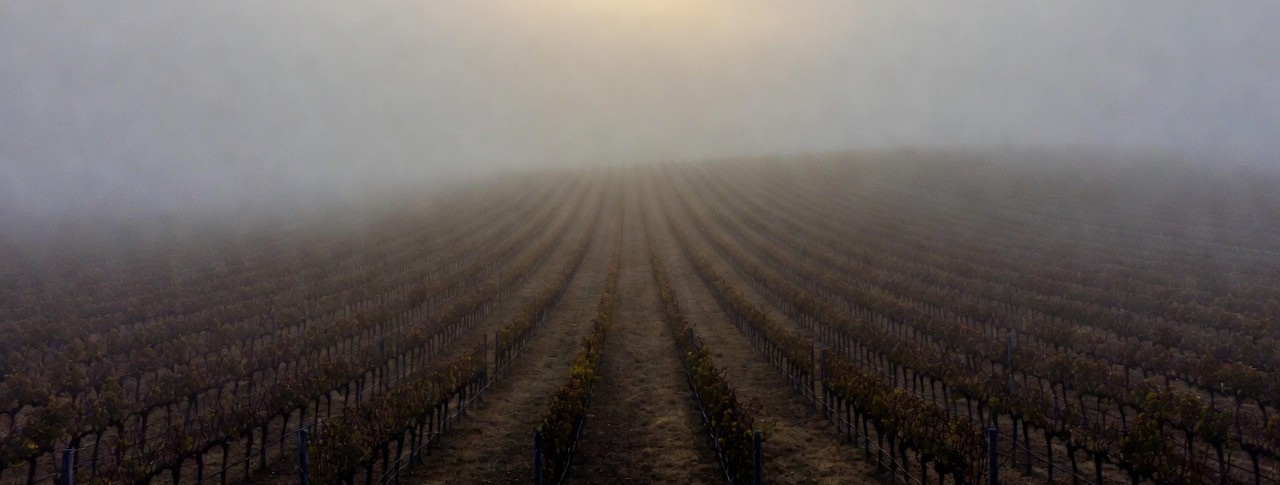
There is a stillness in Napa that feels different when you are carrying loss. Early morning fog settles low across the Rutherford benchlands, softening the valley floor and dulling sharp edges. Roads are nearly empty. The air feels heavier, but kinder. This is when Napa offers something it rarely advertises: permission to feel exactly where you are without explanation. I have walked these roads during hard seasons, and the land has a way of holding space without asking for anything in return.
What Healing Travel in Napa Really Looks Like
Grief does not need entertainment. It needs room. Napa supports healing because it is built on cycles of letting go and renewal. Every winter, vines are pruned back to bare structure, not as an ending, but as preparation for what comes next.
That truth is visible everywhere if you know how to look. Healing travel here is not about positivity or productivity. It is about walking without destination, eating when hunger returns, and letting days unfold without urgency. Napa does not rush people through their seasons. It understands that some chapters require quiet.
Landscapes That Offer Quiet Support
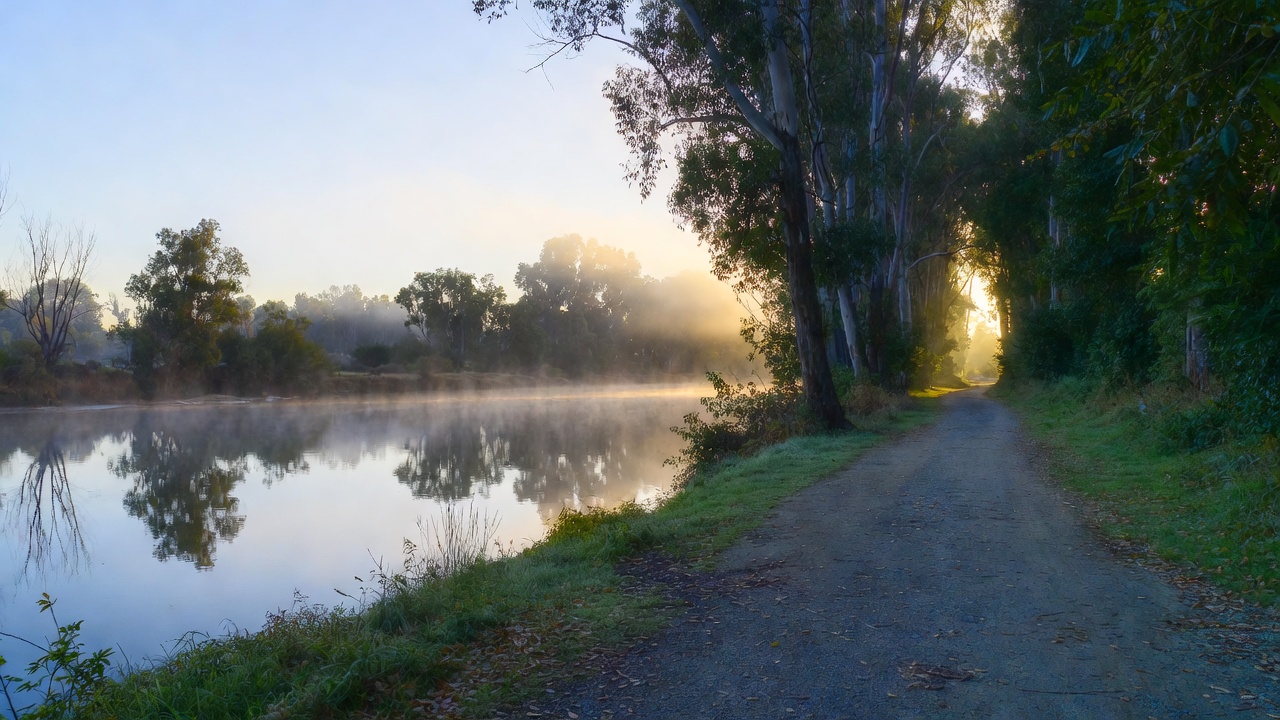
Napa River Trail (Early Morning):
Walking alongside the river as fog lifts can feel grounding. The steady movement of water gives restless thoughts somewhere to settle.
Rutherford Benchlands:
This part of the valley is wide, agricultural, and unembellished. The openness creates real breathing room before midday traffic arrives.
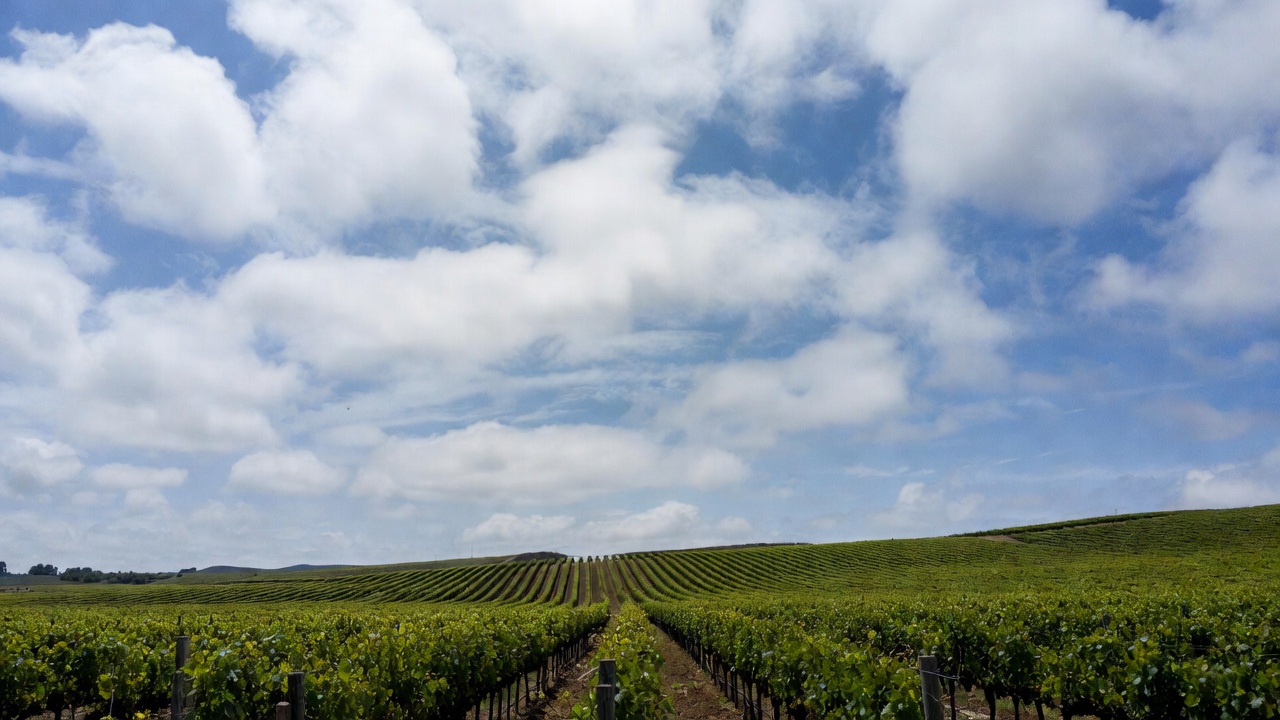
Carneros (South Valley):
Cooler air, long horizons, and open skies make this one of Napa’s most calming regions.
Directional cue: If you arrive from San Francisco, Carneros is your first entry into Napa Valley. Many people find it helpful to pause here before heading north.
Bothe-Napa Valley State Park:
Just north of St. Helena, shaded trails and redwoods provide a sense of age and continuity. It is a place to walk without conversation and without interruption.
Places to Stay That Respect Quiet
Bardessono, Yountville:
Thoughtfully designed for restoration. Rooms feel private and grounded, and nothing about the experience demands energy.
Alila Napa Valley:
Set back near the base of Mount St. Helena, this property feels removed from the pace of Highway 29, especially midweek.
Carneros Inn:
Private cottages allow solitude without isolation. Early mornings here are particularly still.
Local note: Choose lodging where you can walk, sit, and rest without being asked what comes next.
Eating When Appetite Comes and Goes
Grief often changes how and when people eat. Napa accommodates that gently through simplicity and quality.
Farmstead at Long Meadow Ranch:
Food grown nearby, prepared thoughtfully, and served at a pace that allows you to listen to your body.
Bistro Jeanty:
Comforting, familiar dishes that remove decision fatigue and bring steadiness to the day.
Model Bakery, St. Helena (Late Morning):
Arrive after the early rush. Coffee, a simple English muffin, and a quiet corner table are often enough.
A Simple, Supportive Day in Napa
Morning:
Wake early. Walk while the valley is quiet. Leave your phone behind if you can.
Midday:
One gentle experience. A garden walk, a seated tasting, or simply lunch without plans afterward.
Afternoon:
Rest. Read. Sit outside. Let the light soften into evening.
Evening:
Dinner close to where you are staying. Early night. Tomorrow does not require preparation.


A Short Personal Story
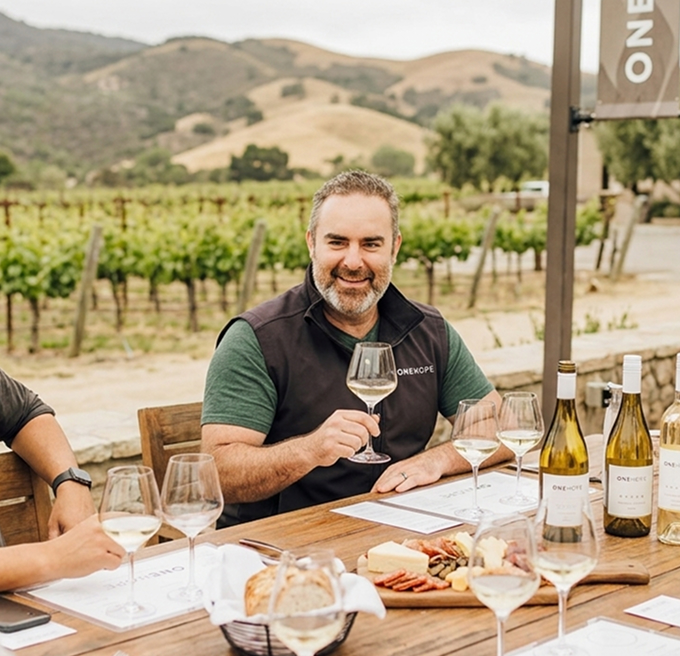
There was a season when Napa was the only place where my thoughts settled. I remember standing near the Rutherford benchlands after a personal loss, watching fog move through the vines and realizing that nothing around me was asking me to be okay yet. That mattered. During that stretch, the direction behind Estate 8 and ONEHOPE came into focus, not through inspiration, but through patience. The land reminded me that care comes before celebration. Sometimes being held by a place is enough.
A Gentle and Honest Bias
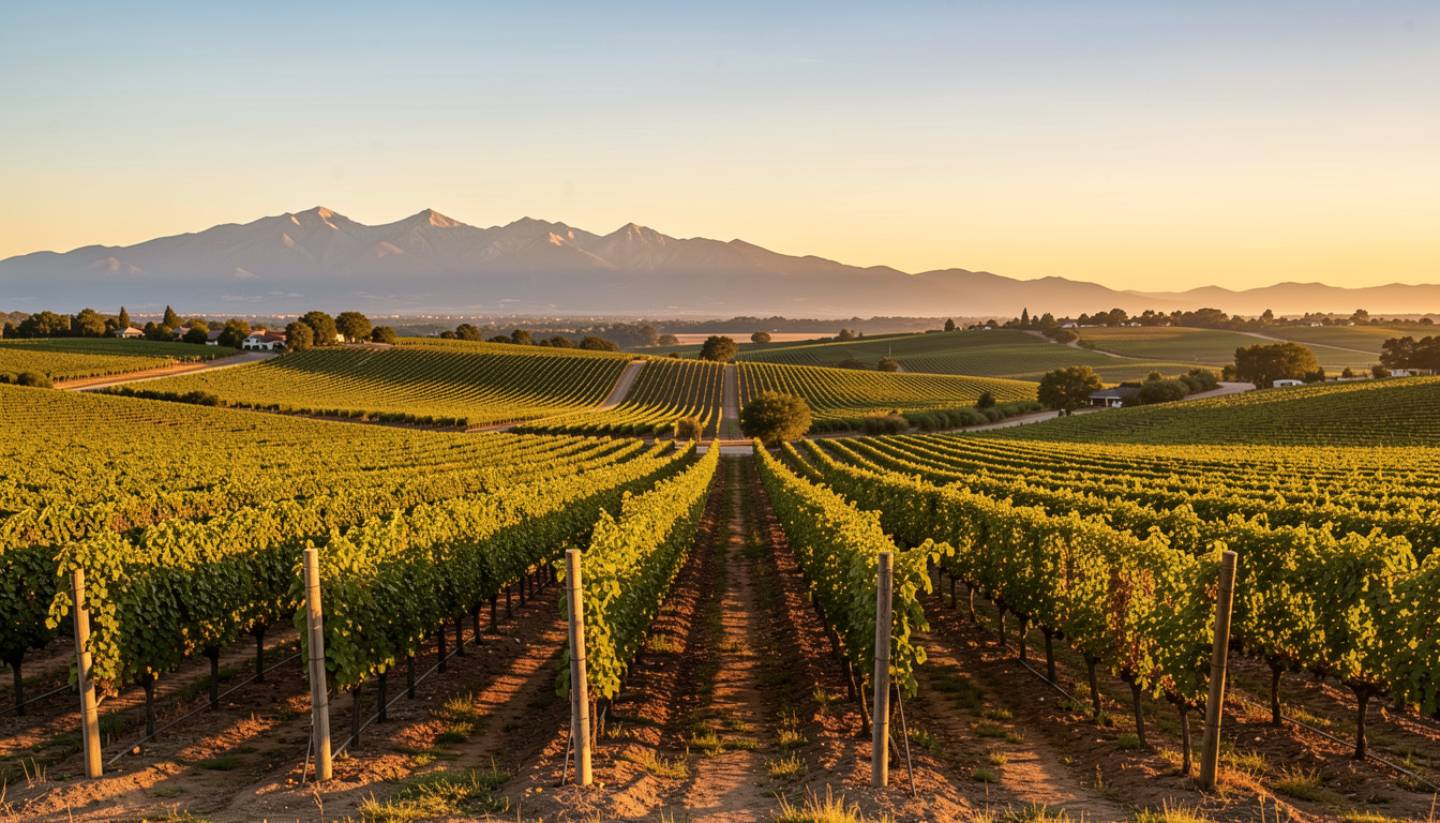
I will acknowledge my bias. Estate 8 and ONEHOPE are deeply personal to me. They were shaped through seasons that required resilience, reflection, and pruning back. Quiet mornings at the estate, looking across vineyard rows toward Mount St. John, reinforce what Napa teaches well: healing is rarely loud. The valley supports people best when it is allowed to remain understated.
When Napa Is Best for Grief-Focused Travel
Seasonality:
Winter and early spring offer the most support. The valley is quieter, more introspective, and less performative.
Days of the Week:
Tuesday through Thursday provide the most physical and emotional space.
Time of Day:
Early mornings and early evenings allow reflection without interruption.