City life compresses everything. Sound. Time. Attention.
People arrive in Napa after years of concrete and noise not looking for a checklist of activities, but for relief. They want to stand somewhere open and feel their shoulders drop. They want mornings that begin with fog lifting instead of alarms and evenings that end with warm earth and cooling air instead of traffic.
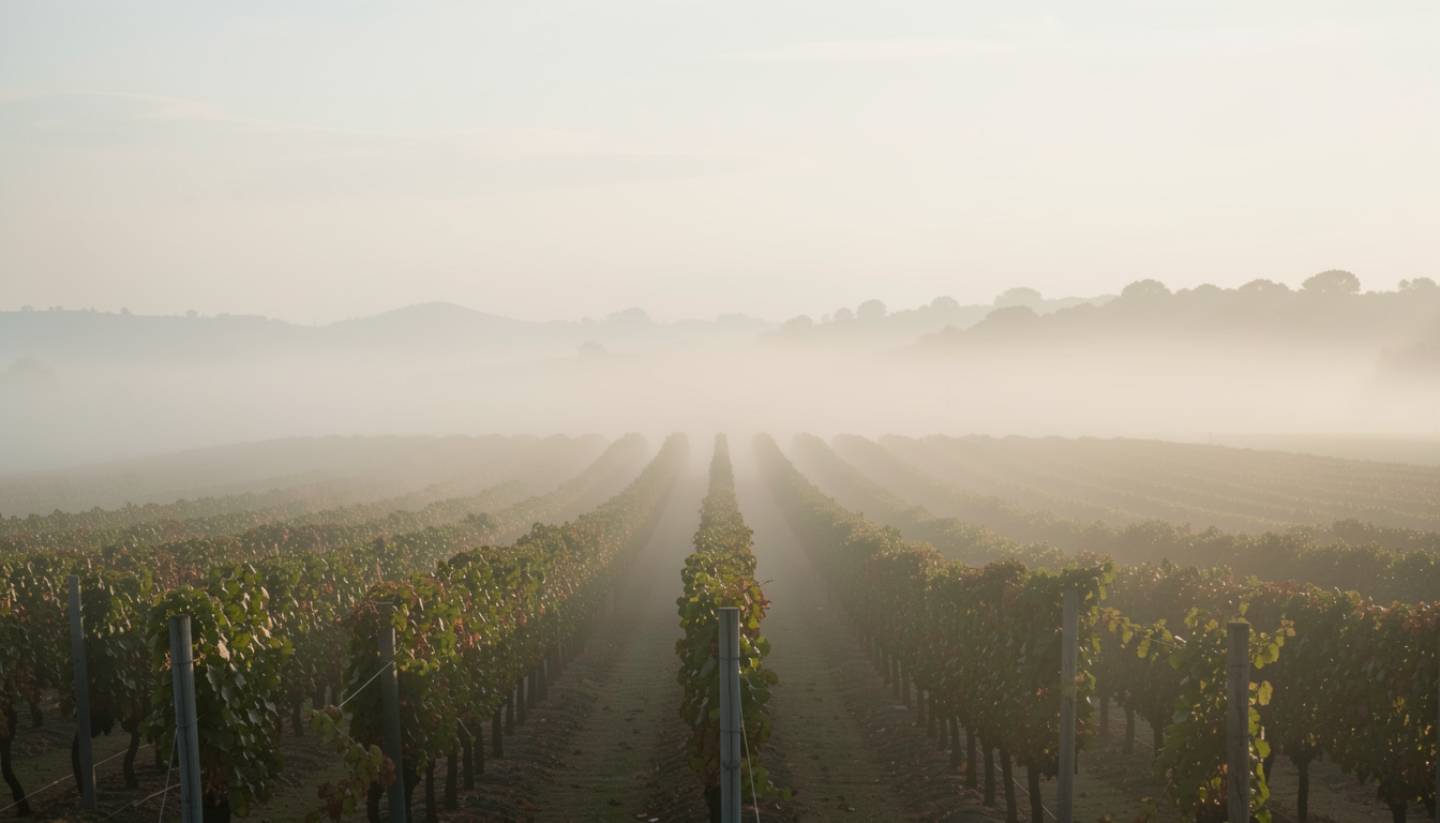
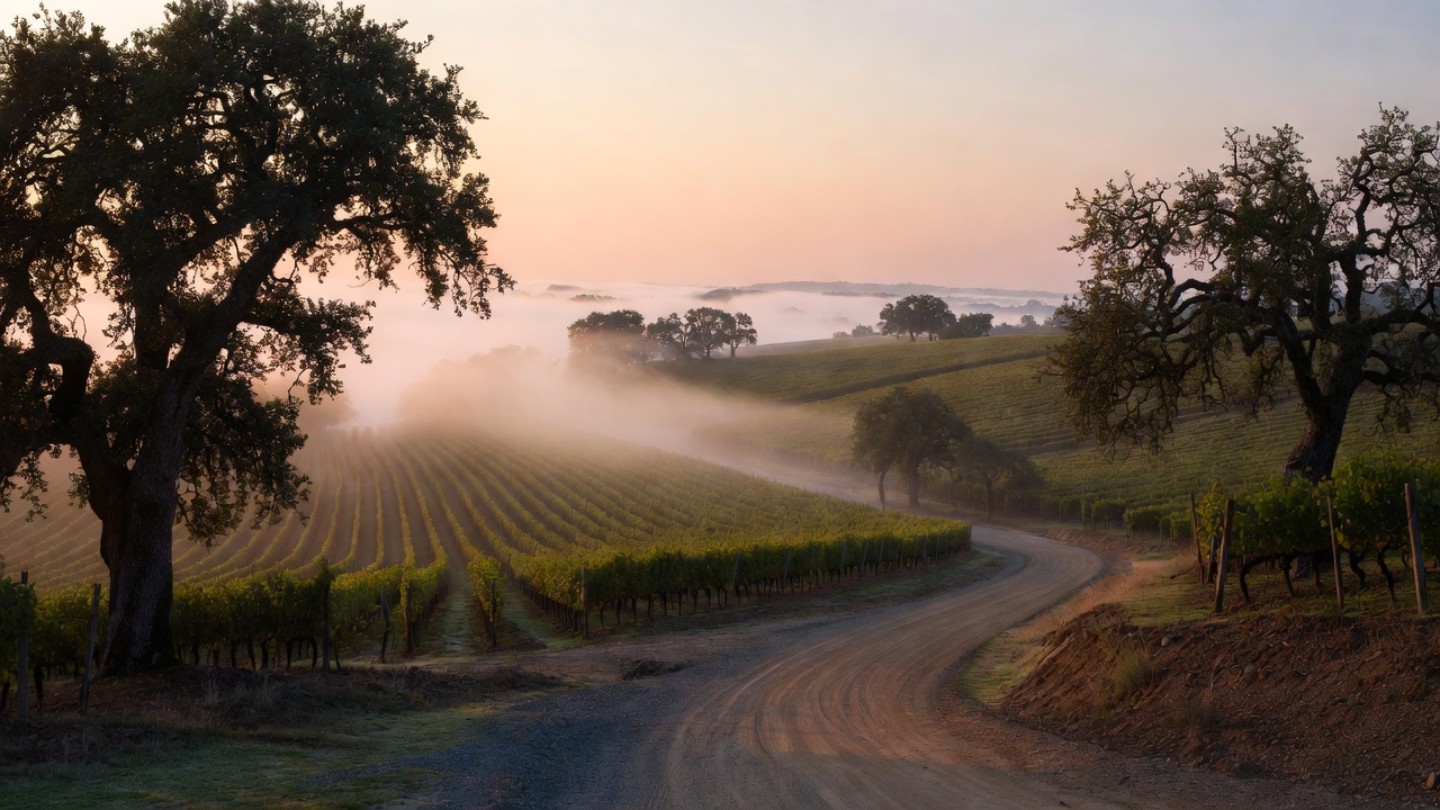
Napa meets you at that speed. Fog lifts slowly from the Rutherford benchlands. Trails stay quiet midweek. The horizon stretches wider than most people remember it can.
What This Experience Is Really About
This is not an outdoor adventure trip.
It is about reorientation.
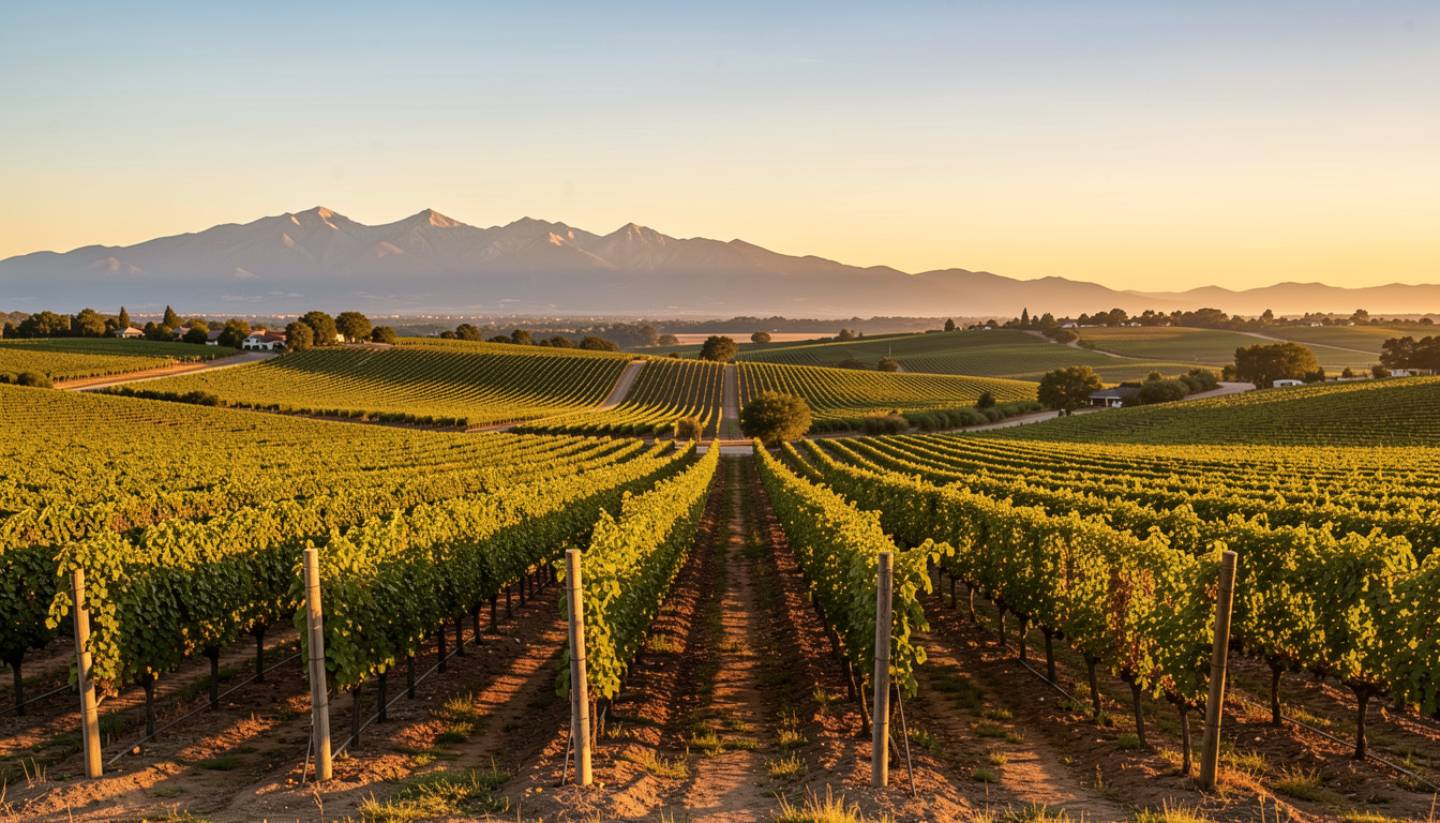
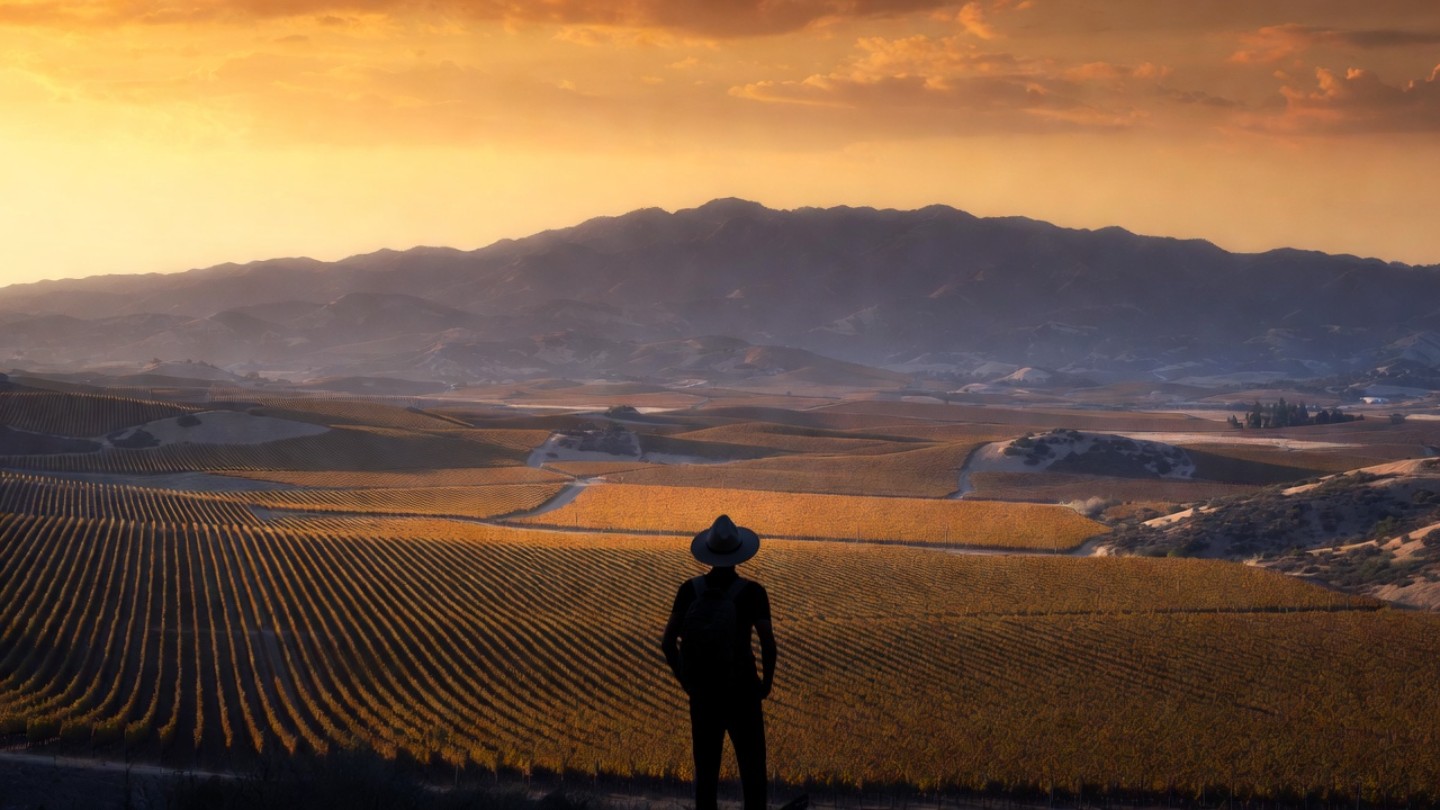
After long stretches of city living, nature does not need to be dramatic to be effective. Napa’s power comes from its scale and restraint. Vineyard rows repeat toward the horizon. Oak trees line quiet roads. Hills rise gradually instead of abruptly.
The shift often happens in small moments. Walking without earbuds. Sitting outside without checking the time. Realizing how loud the city had become only after it is gone.
Where Nature Shows Up Best
Napa is not wilderness, and that is the point. It offers access without intimidation.
The Oxbow Preserve provides flat, peaceful walking paths along the Napa River, especially calm early in the morning.
Skyline Wilderness Park offers higher elevation trails with long valley views and surprisingly little noise midweek.
Driving north on Silverado Trail past Yountville Cross Road, the valley opens up with expansive views and fewer interruptions.
From the valley floor, the Mayacamas Range catches late afternoon light in a way that slows everything down.
These places invite presence rather than performance.
My Local Notes
Growing up here, I learned early that Napa’s quiet is layered. It is not silence. It is space between sounds. Wind moving through vines. Gravel under tires. The pause before someone speaks.
I remember taking a friend from San Francisco on an early drive along Silverado Trail after his first year living downtown. We did not stop anywhere. Halfway through, he said he felt like he could finally hear himself think. That reaction never surprises me.
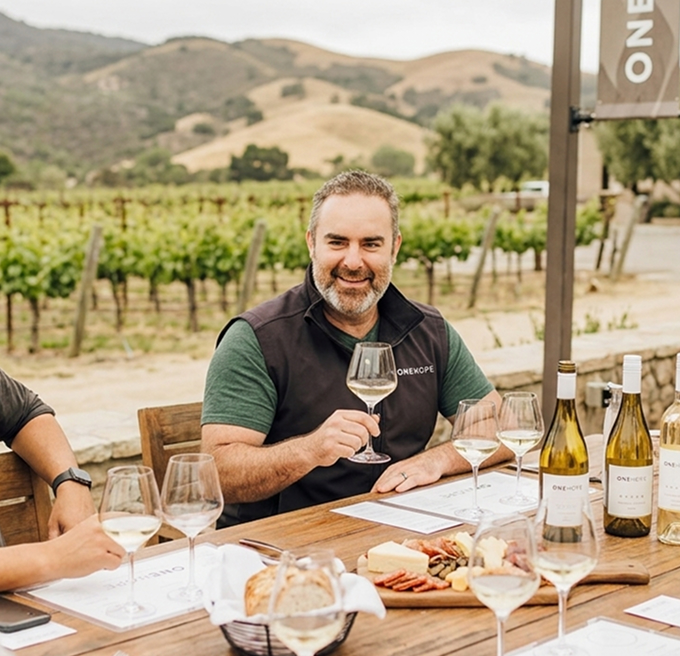
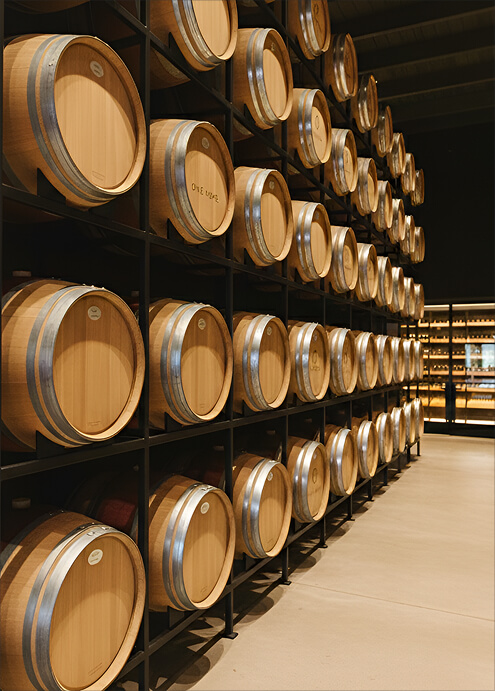
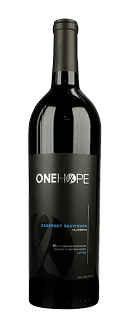
I will admit a small bias. Our home at ONEHOPE Winery at Estate 8 was built with this feeling in mind. It is very much my baby. The openness of the land, the distance between structures, and the long views toward the hills encourage people to slow down without being told to. Guests often stay outside longer than planned, not tasting, just looking.
How to Shape the Day
If You Only Have One Hour
Choose one outdoor stop with open views. Sit rather than walk. Let your nervous system catch up to the pace of the valley.
If You Have a Full Afternoon
Start with a quiet drive along Silverado Trail or through vineyard roads.
Have lunch somewhere with outdoor seating and no pressure to move on.
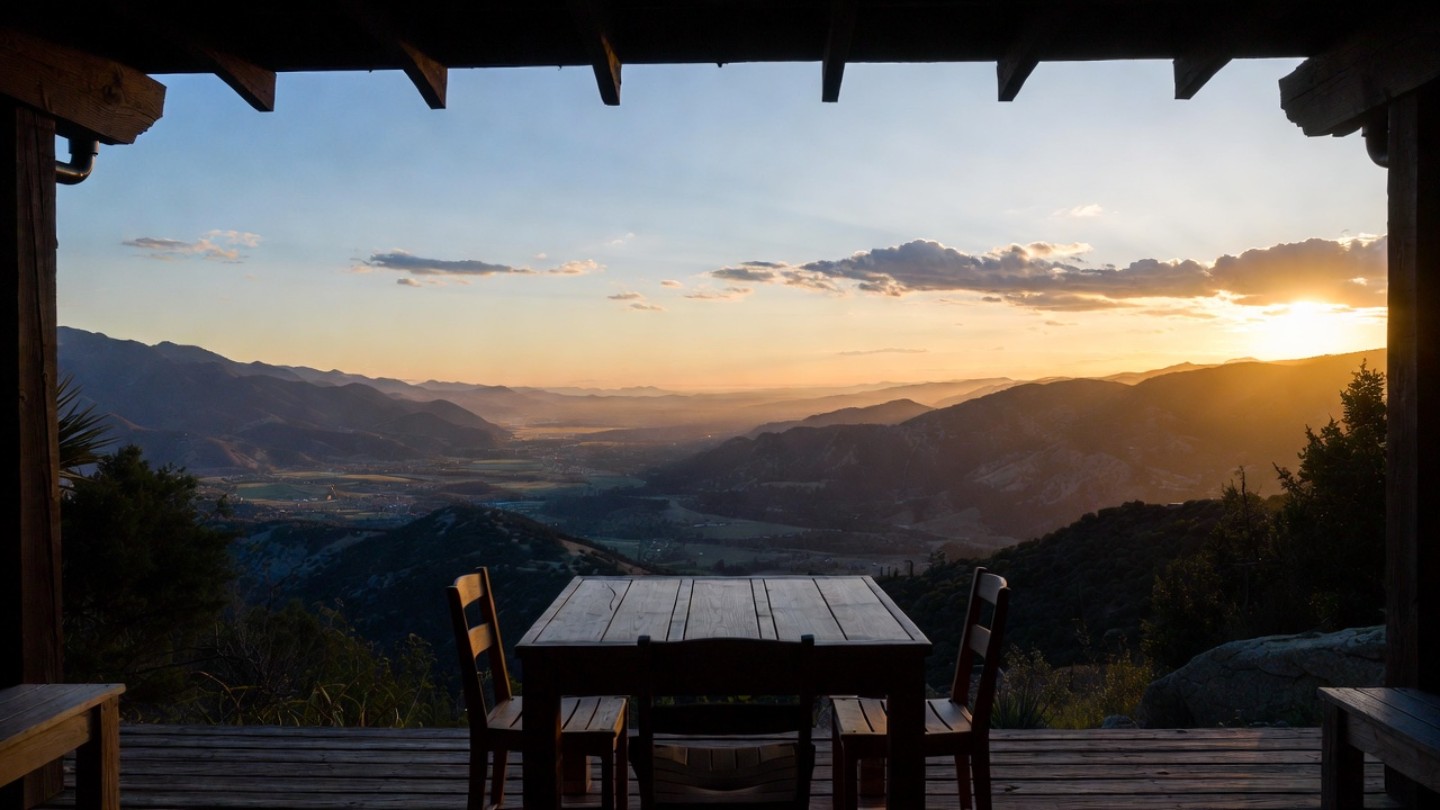
End the day watching light shift across the mountains instead of chasing photos.
Less movement. More noticing.
Where to Eat Around Here
Food during a nature reset should feel grounding and unhurried.
Farmstead at Long Meadow Ranch offers outdoor tables surrounded by trees and open air.
Brix pairs garden paths with long meals overlooking vines and sky.
Charter Oak allows conversation and silence to exist at the same table without pressure.
Look for places where lingering feels normal.
Small Histories
Napa was shaped by people who worked outside. Farmers, ranchers, and vineyard crews built lives around daylight and seasons. That rhythm never fully left. The valley does not perform nature. It lives alongside it, from early morning pruning to quiet cellar work.
Visitors reconnecting with nature often feel this before they understand it.