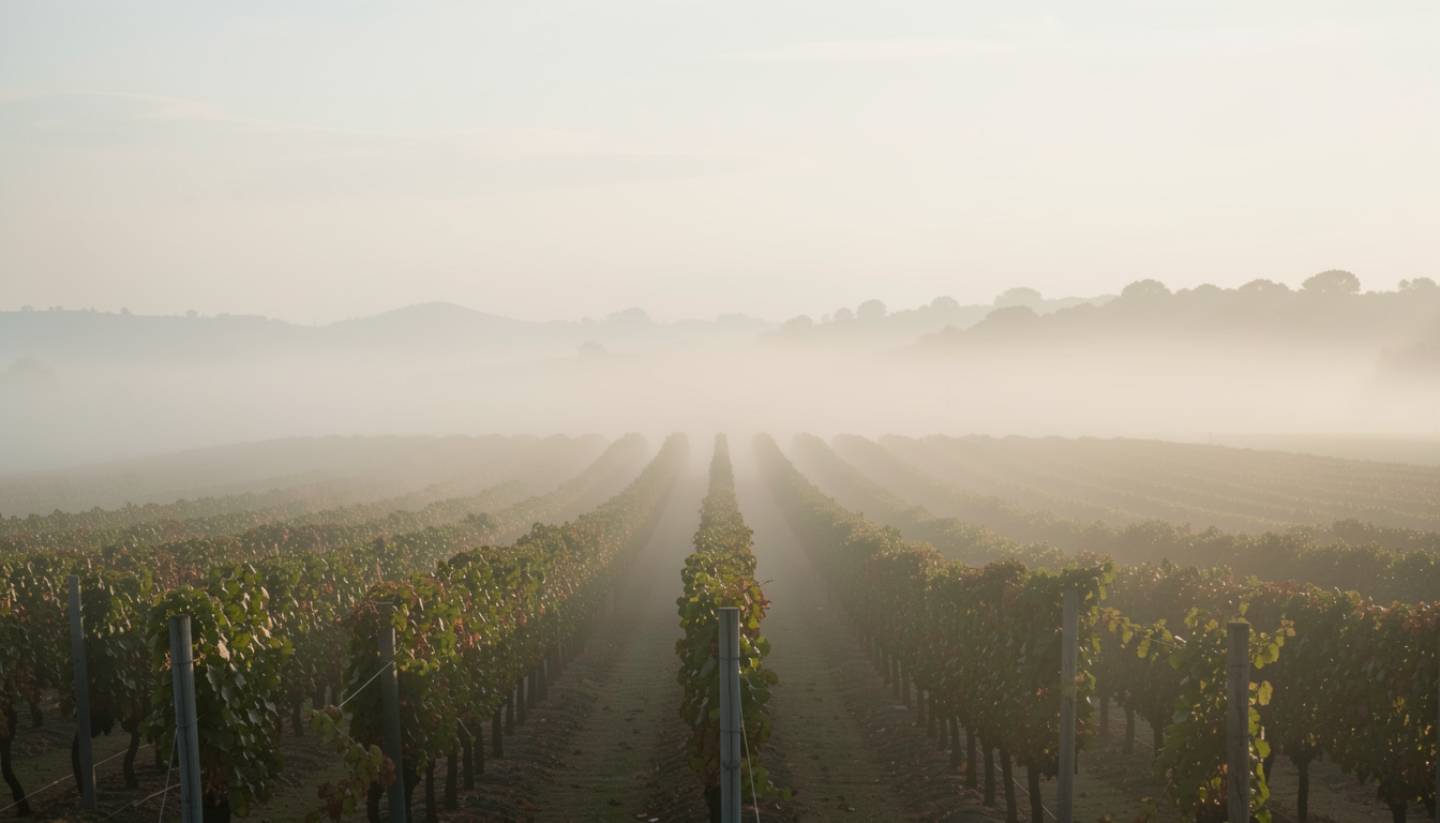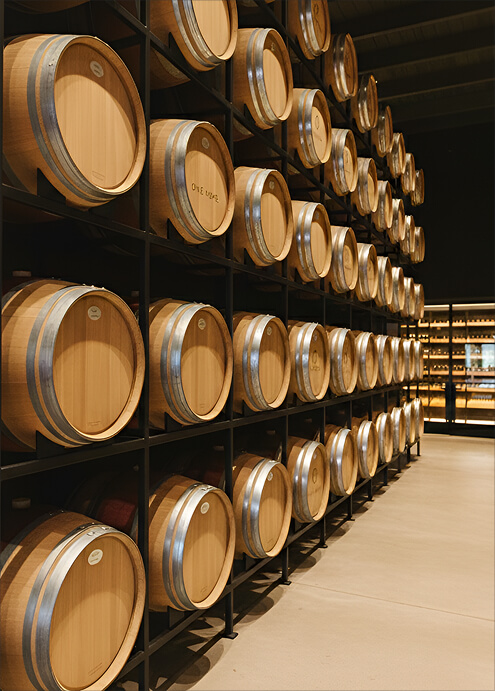
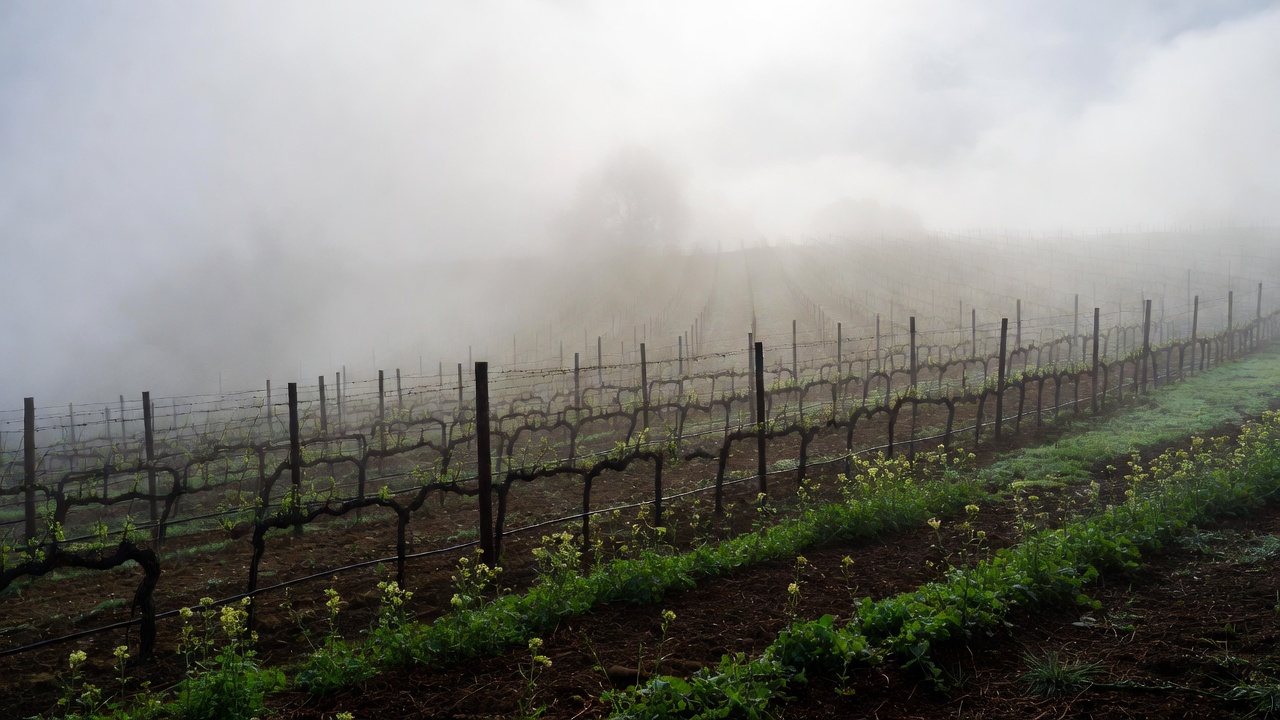
There is a moment in Napa, usually just after sunrise, when the gardens are doing most of their talking. The air is cool. The light is low. Leaves still hold a trace of overnight moisture. This is when I like to walk the rows, not just in the vineyards of the Rutherford benchlands, but through kitchen gardens and hedgerows, noticing what is thriving and what needs patience. Napa reveals itself slowly to people who pay attention to plants.
What Napa Offers Gardeners That Most Places Do Not
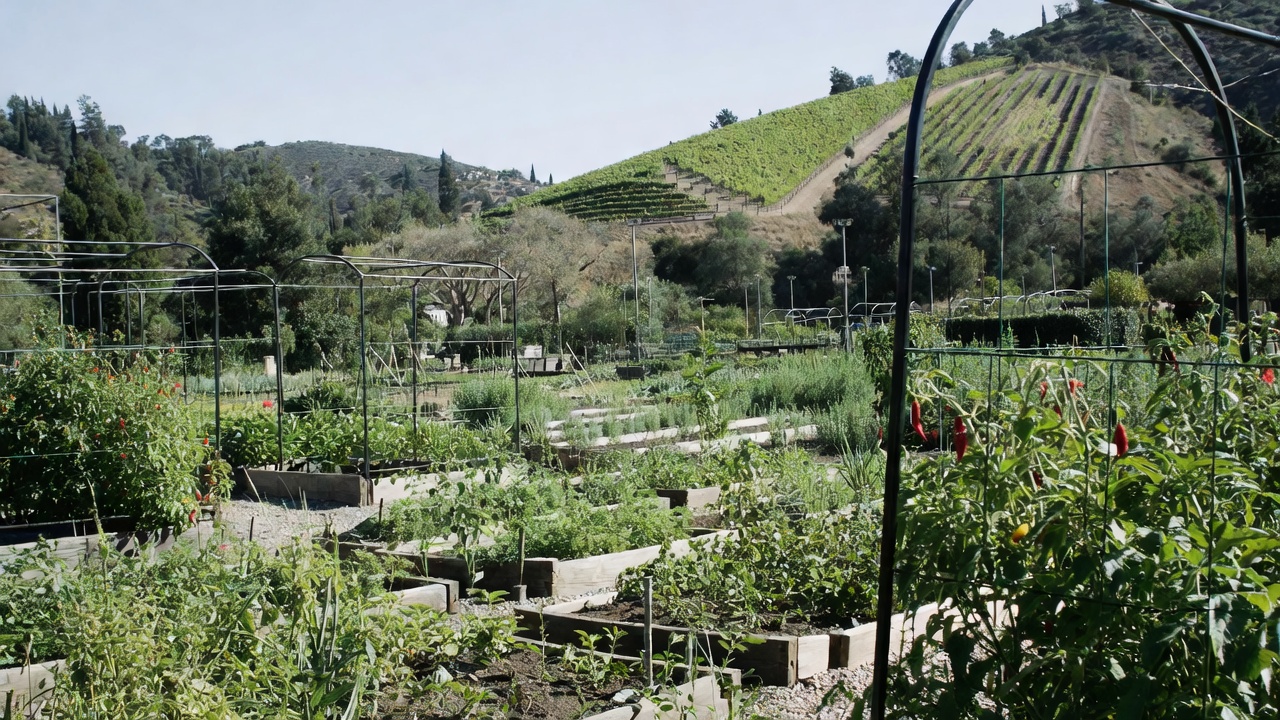
Napa is not just about wine. It is about cultivation. Soil health. Timing. The same attention to microclimates and history that shapes vineyard blocks shows up in olive groves, lavender rows, and the kitchen gardens that supply restaurants across the valley.
Plant lovers feel at home here because Napa operates on seasons. Growth happens when conditions are right. Nothing, from a Cabernet vine to an heirloom tomato, is rushed. That restraint is part of the beauty.
Nurseries and Garden Stops Worth Visiting
Devil Mountain Wholesale Nursery, Napa
A serious stop for plant people. Native species, drought tolerant plantings, and staff who understand Napa soils. This is where many locals and professionals shop.
Summer Winds Nursery, Napa
More accessible and thoughtfully curated. A good place to see what thrives in Napa heat and to gather ideas for Mediterranean style home gardens.
Cornerstone Sonoma, Carneros
Heading south toward Carneros, these gardens offer architectural landscape inspiration and seasonal plantings that pair structure with creativity.
St Helena Main Street
Several small shops feature local garden decor, pottery inspired by Rutherford Dust, and tools that reflect the valley’s agricultural roots.
Vineyard Gardens and Living Landscapes
Some of Napa’s most compelling gardens are working ones. Cover crops between vine rows in winter. Lavender and rosemary planted for pollinators. Roses at the end of vineyard rows, originally used as early indicators of pest pressure.
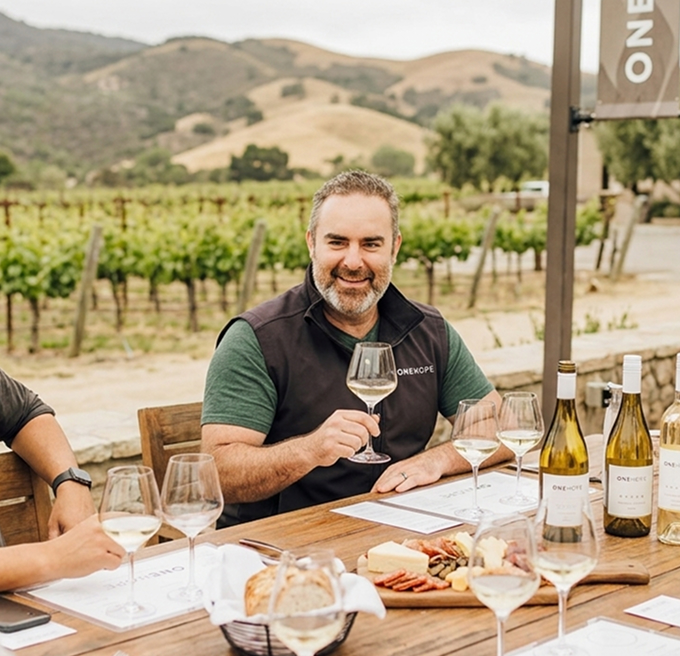
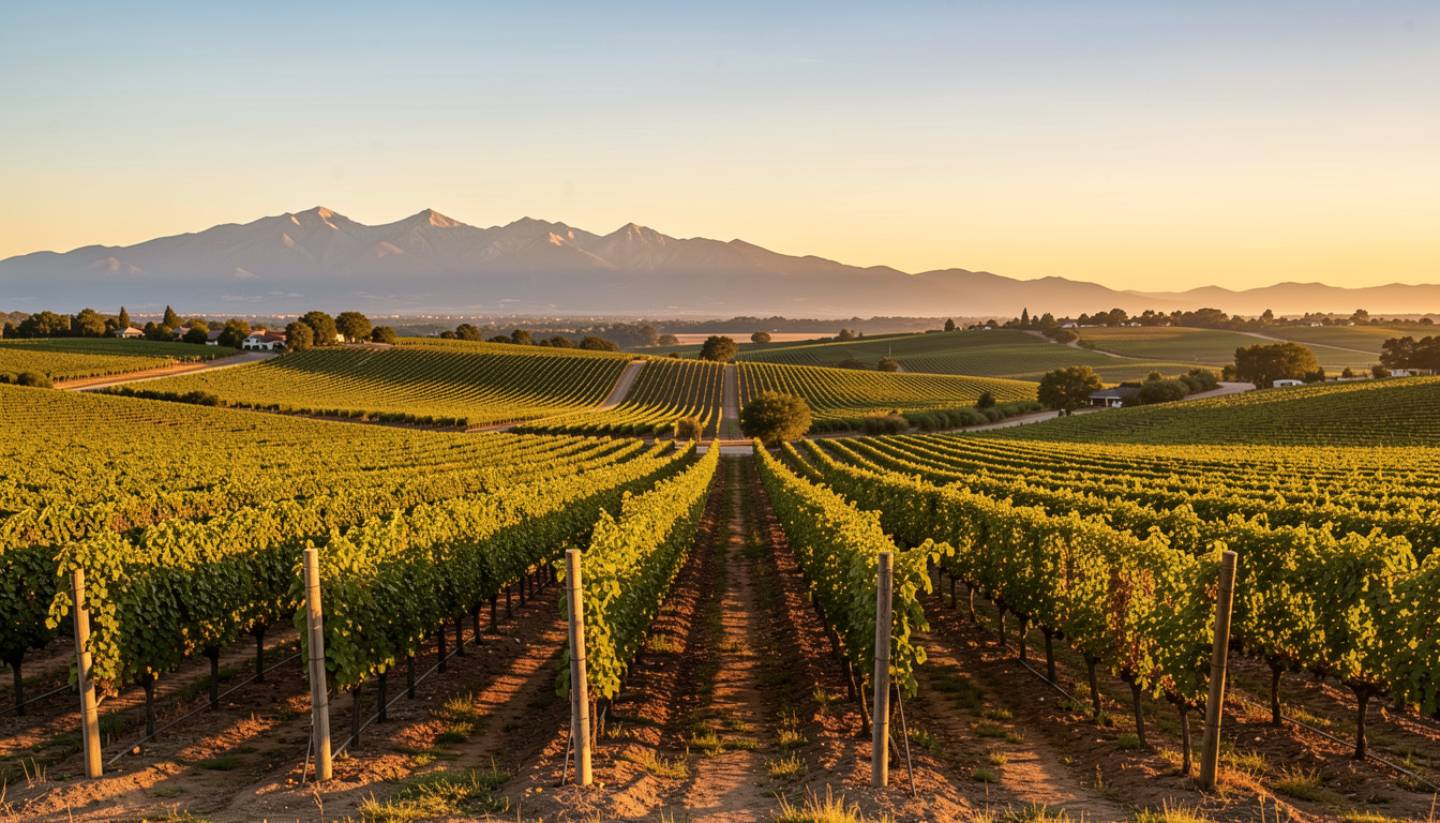
At Estate 8, we think about the land as a living system. The gardens are not ornamental. They are part of how the property breathes and balances itself. I will admit a gentle bias. Estate 8 is my passion and my life’s work. Walking the front vineyard block with the Mayacamas rising behind it, you can see how intentional planting shapes both beauty and resilience.
Seasonal Blooms and When to Visit
Late winter to early spring
Mustard cover crops light up the valley floor. Almond trees bloom quietly along back roads.
Spring
Roses leaf out. Kitchen gardens wake up. Nurseries are at their most active.
Summer
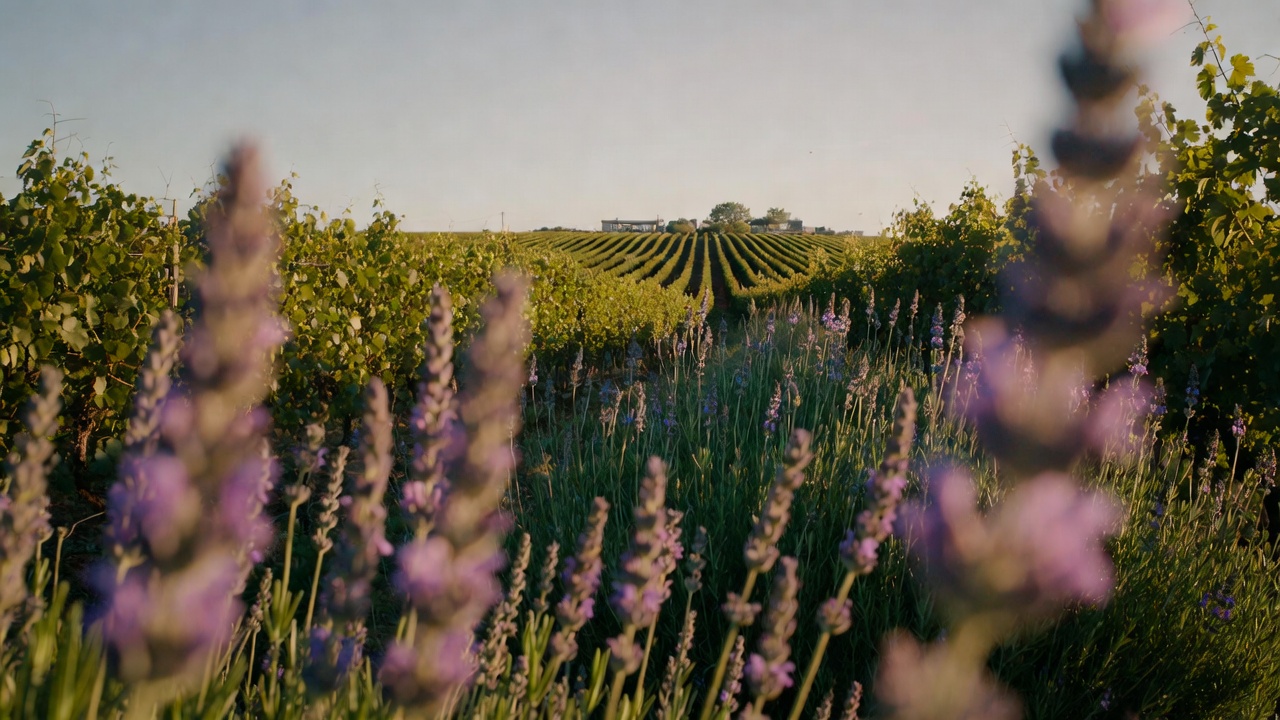
Lavender and rosemary peak. Driving north on Silverado Trail, the scent of warm herbs is unmistakable.
Fall
Vineyard foliage shifts to gold and crimson. A second, quieter bloom settles across the benchlands.
Winter
Pruning season. The structure of the land becomes visible and instructive.
A Short Personal Story
One of my earliest lessons in Napa had nothing to do with wine. I was walking with a grower who stopped every few steps to touch the soil, crush a leaf between his fingers, and smell it. He told me the land will tell you what it needs if you slow down enough to listen. That lesson has shaped how I think about gardens here ever since.
What Most Visitors Miss
Soil language
Listen for terms like Rutherford Dust and benchland soil at wineries such as Nickel and Nickel or St Supéry. They matter.
Directional cues
Five minutes north on Silverado Trail, just past the Yountville Cross Road, some of the most carefully maintained private hedgerows quietly line the road.
Kitchen gardens
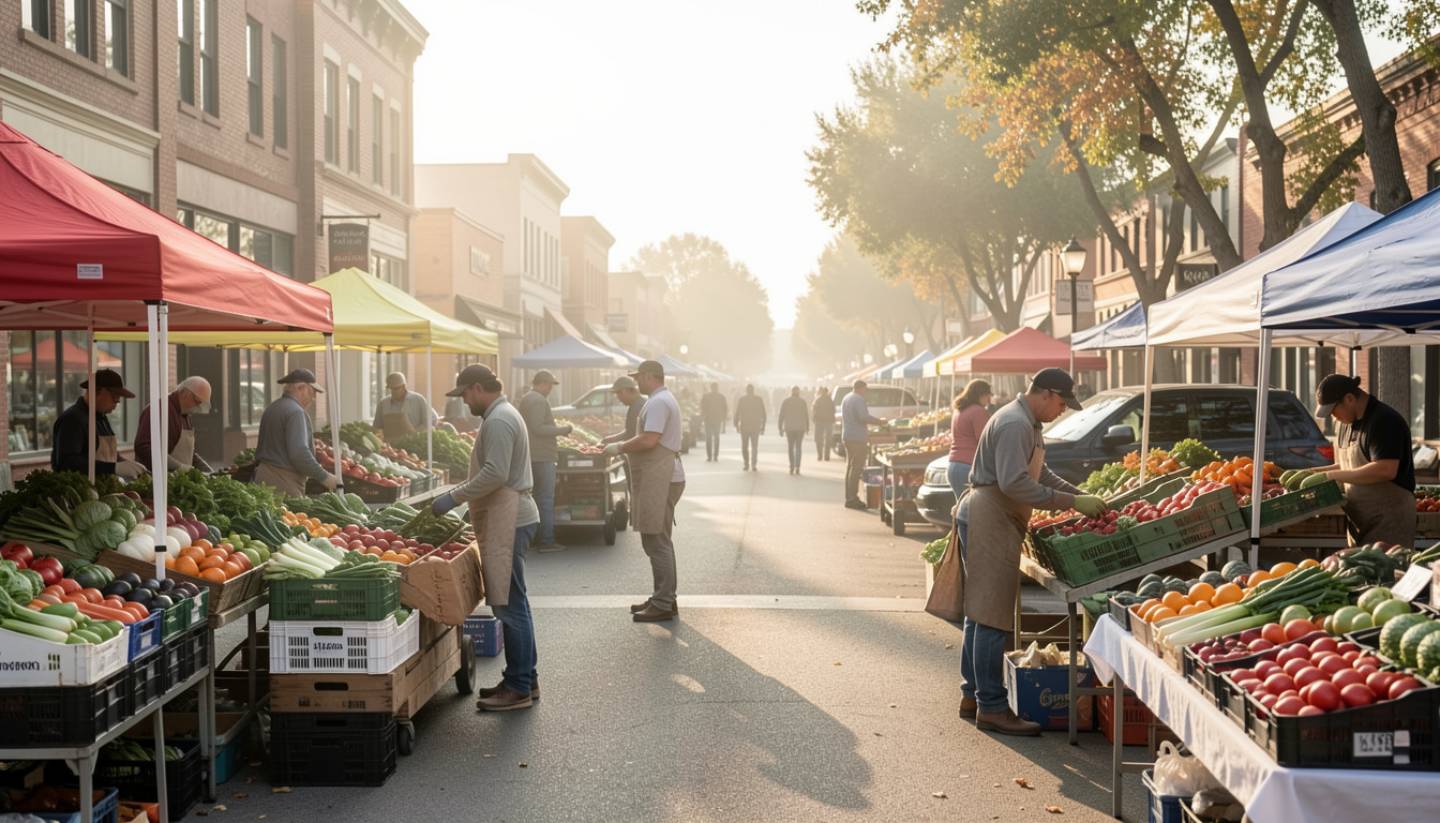
Restaurants like Farmstead and Brix maintain gardens that guests can often walk through before or after a meal.