Most people land in Napa Valley thinking about Cabernet. The valley floor, the Rutherford dust, the lift of the morning fog rolling back toward the Mayacamas.
But stay past dinner. Let the tasting rooms close. Walk off Highway 29 and toward First Street in downtown Napa as the river picks up the last of the light.
That is when another side of this place shows itself.
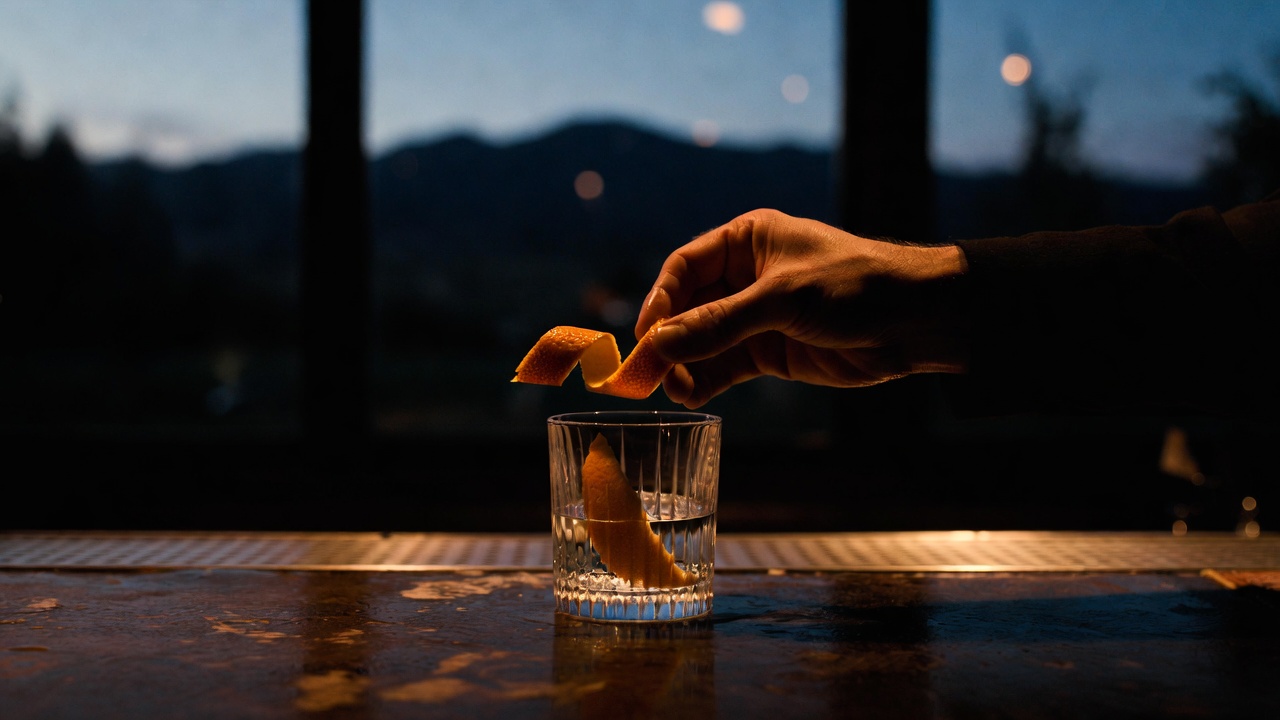
Low lamps. Polished wood. Citrus oils expressed carefully over a coupe glass. Bartenders measuring vermouth with the same focus a winemaker gives to fermentation curves.
There is a slower rhythm here after dark. The glass changes, but the intention does not.
If you love mixology, Napa Valley has more depth than most people expect.
What This Experience Is Really About
Cocktail culture in Napa is not loud. It is disciplined.
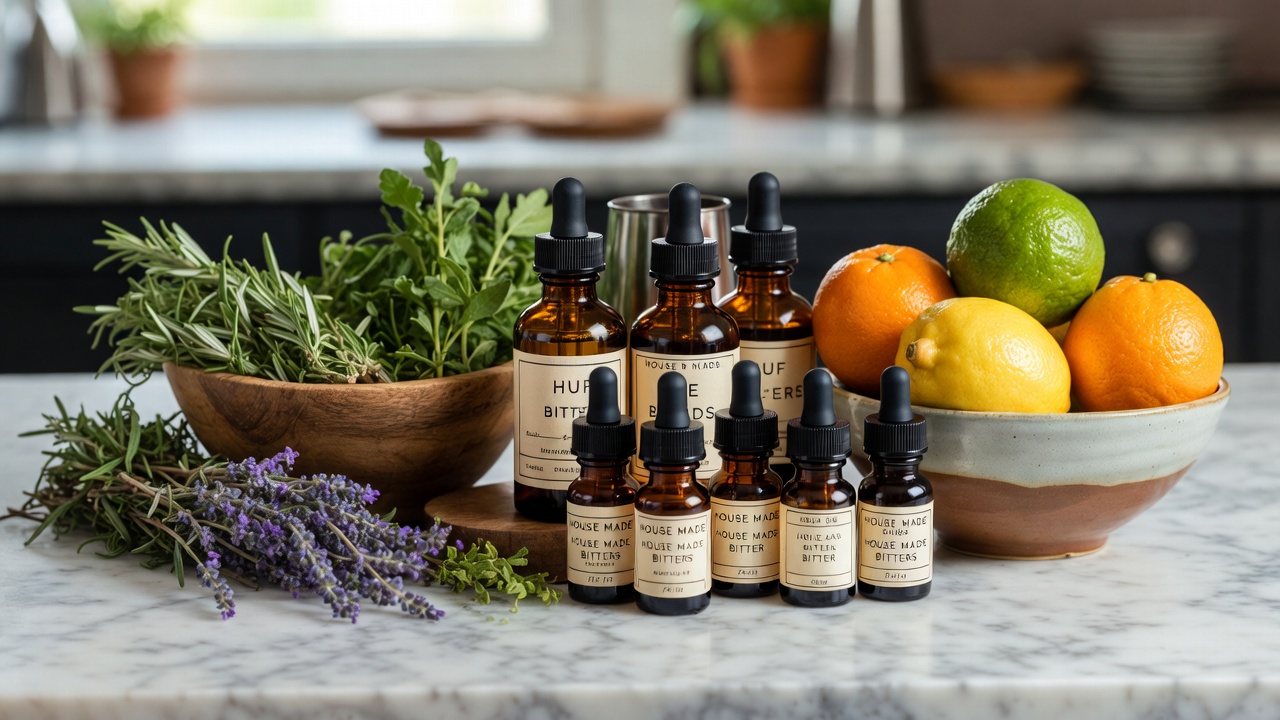
The same agricultural backbone that shapes wine shapes the bar. Fresh herbs clipped that afternoon. Citrus sourced locally. House made bitters. Bartenders who understand acidity because they live in a valley obsessed with balance.
Drive five minutes from Oxbow Public Market toward Main Street and you will see menus that shift with the season. Head north past Yountville Cross Road and into St. Helena, and the hotel lounges lean into classics with a subtle wine country sensibility.
In Napa, mixology is not separate from hospitality. It is an extension of it.
A Short Personal Story
One harvest evening, after walking rows at Estate 8 with dust still on my boots, a few of us slipped into a small bar just off First Street. It had been a long day of sugar checks and tank samples.
I ordered a Negroni.
The bartender did not rush it. He asked what kind of gin profile I lean toward. Floral or herb driven. Then he stirred it slowly, almost ceremonially.
That small pause reminded me that craft is universal here. Whether we are blending Cabernet on the benchlands or balancing Campari against sweet vermouth, the pride is the same. Napa may be known for wine, but the people behind the bar carry that same standard.
When It Is Best
Fall Evenings
After harvest, you will see deeper flavor profiles. Fig, baking spice, barrel aged spirits. The valley feels grounded and a little tired in the best way.
Winter in Napa Valley
Rain on the windows. Fewer tourists. The scent of woodsmoke in the air. This is when cocktail travel feels most intimate.
Midweek Nights
Tuesday or Wednesday along Washington Street or downtown Napa is when you can ask about house infusions and actually hear the full story.
What Most Visitors Miss
The Culinary Thread
Many of the best cocktail programs are tied to serious kitchens. Restaurants in Yountville and St. Helena treat the bar as an extension of the tasting menu, not a side project.
Wine Educated Palates
Bartenders here speak fluently about acidity and structure because they are surrounded by it. That knowledge shows up in how they handle bitterness and sweetness.
The Hotel Bar Advantage
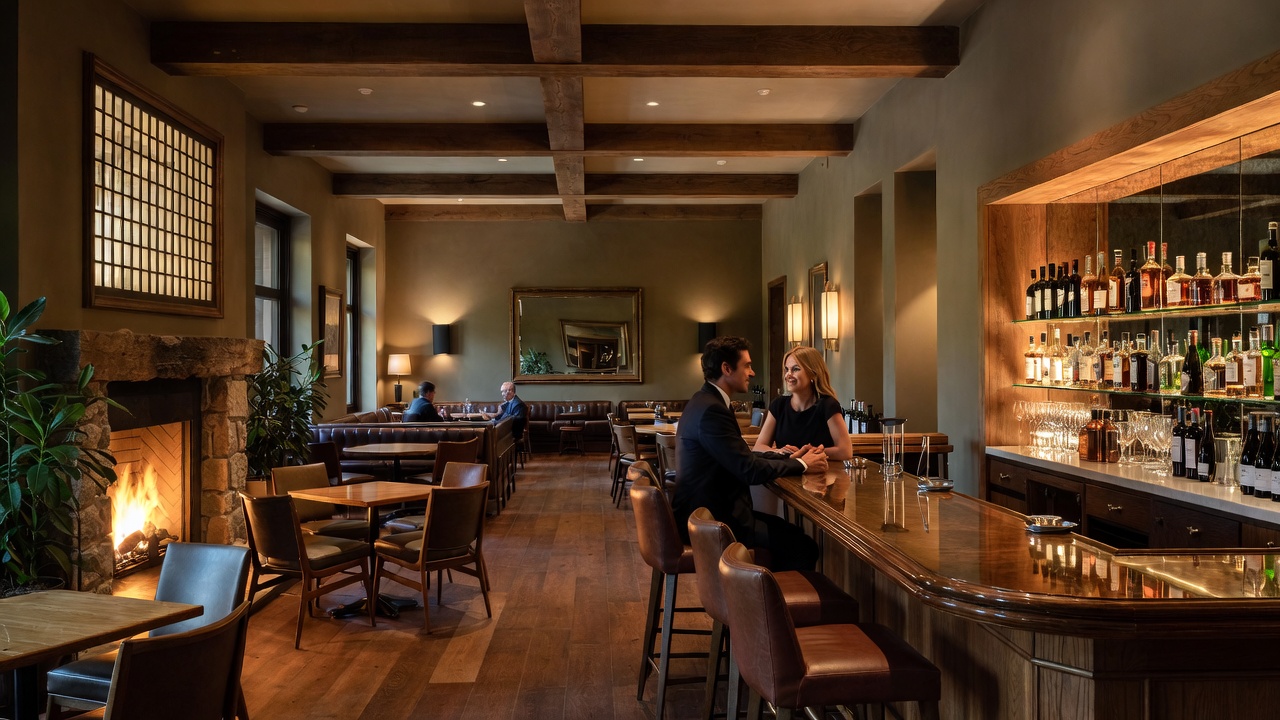
Some of the most refined cocktail menus in Napa are inside hotel lounges north of Rutherford. Quiet spaces. Thoughtful design. No scene, just craft.
How to Plan a Cocktail Focused Napa Trip
If you are building a cocktail travel itinerary in Napa Valley, layer it intentionally.
Afternoon Winery Visits
Limit yourself to two or three tastings along Silverado Trail or Highway 29. Focus on structured wines from Oakville or Rutherford to appreciate balance early in the day.
Early Dinner in Yountville or St. Helena
Restaurants like Bottega, Bistro Jeanty, Farmstead, or Charter Oak integrate beverage programs seamlessly into the meal.
Evening in Downtown Napa
Base yourself near First Street or the riverfront. The walkability between Main Street and the Oxbow district allows you to explore safely without driving.
For lodging, staying in downtown Napa or Yountville makes cocktail exploration simple and relaxed.
Nearby Wineries Worth Visiting Before Cocktails
Producers along the Rutherford benchlands or near Oakville often emphasize structure and restraint. Visiting estates such as Inglenook or St. Supéry earlier in the day sets your palate up to appreciate nuance in the evening.
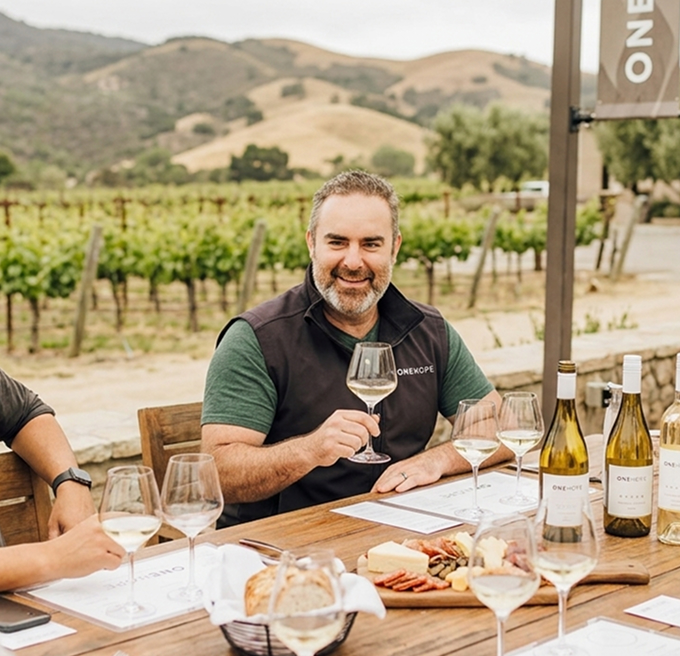
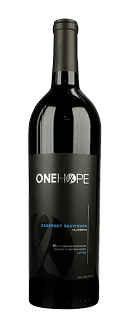
And yes, I am admittedly a little biased toward ONEHOPE at Estate 8 when it comes to hospitality. It is my baby, my purpose, and something I think about constantly. But Napa’s cocktail culture is a shared effort. It reflects the entire valley’s commitment to craft.