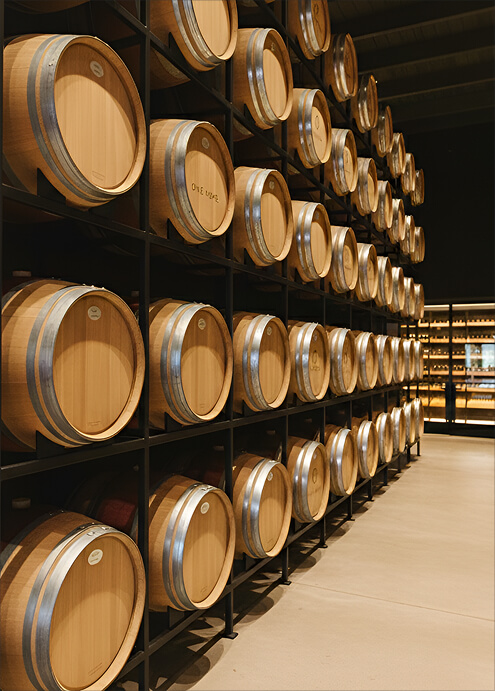
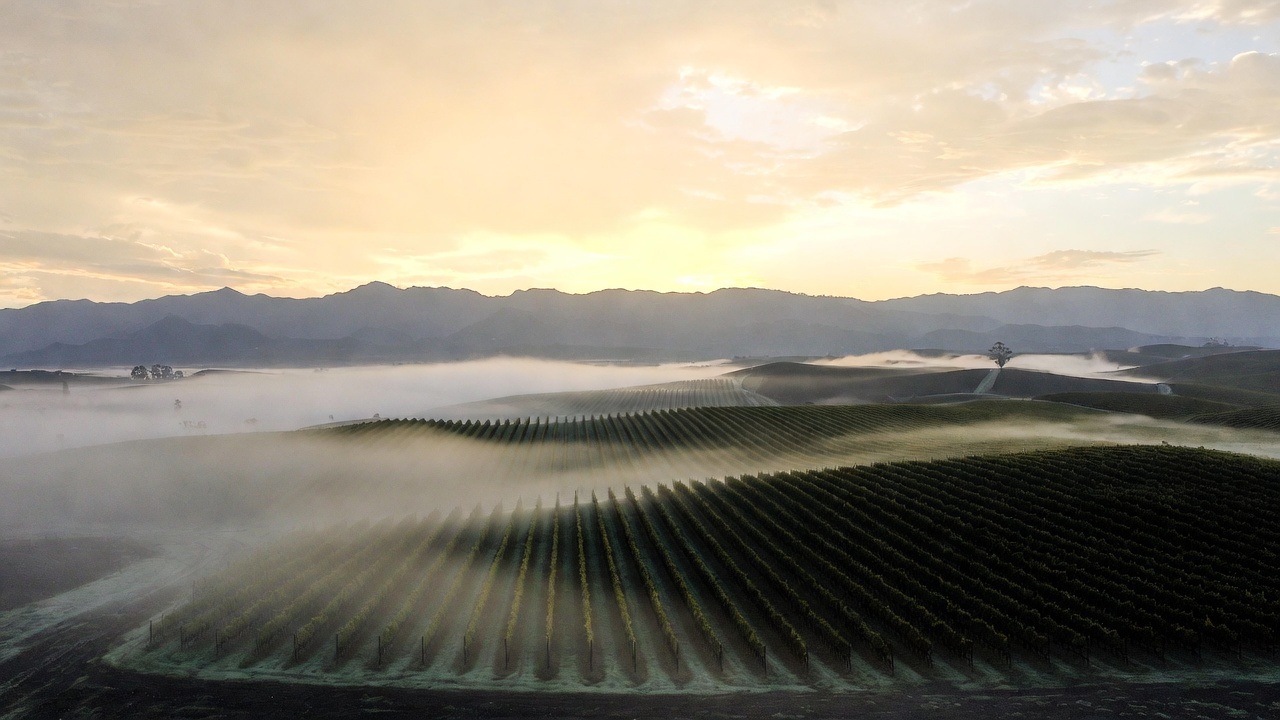
Early morning in Napa has a certain honesty to it. The fog lifts off the Rutherford benchlands, Silverado Trail is still quiet, and the valley floor feels wide open in a way that invites questions. Not tourist questions. Life questions.
I have stood in that light more times than I can count. Some mornings while walking vineyard rows. Some while thinking through hard business decisions. And more than once while asking myself what the next chapter should look like.
If you are exploring a second career after 50, Napa Valley can feel less like a vacation and more like a mirror. This is a place built on reinvention. Former attorneys farming hillside Cabernet on Howell Mountain. Tech founders planting vines in Coombsville. Couples who left corporate life to build boutique estates along Zinfandel Lane in St. Helena.
In Napa, second acts are not unusual. They are part of the landscape.
What This Experience Is Really About
This is not a retirement trip.
It is a curiosity trip.
It is about stepping out of the tasting room mindset and asking better questions:
- Could I study viticulture or pursue a sommelier certification?
- What does it actually take to launch a boutique wine brand?
- How do land, hospitality, and daily life integrate here?
- What does meaningful work look like in a place built around craft?
Many estates along Silverado Trail and the Rutherford bench were founded by people who traded first careers in finance, law, or technology for the rhythm of pruning season, harvest, and long cellar days. The valley runs on reinvention.
But here is what most people misunderstand. Reinvention here is not romantic. It is agricultural. It is operational. It is patient. And that is exactly what makes it compelling.
A Short Story from My Own Path
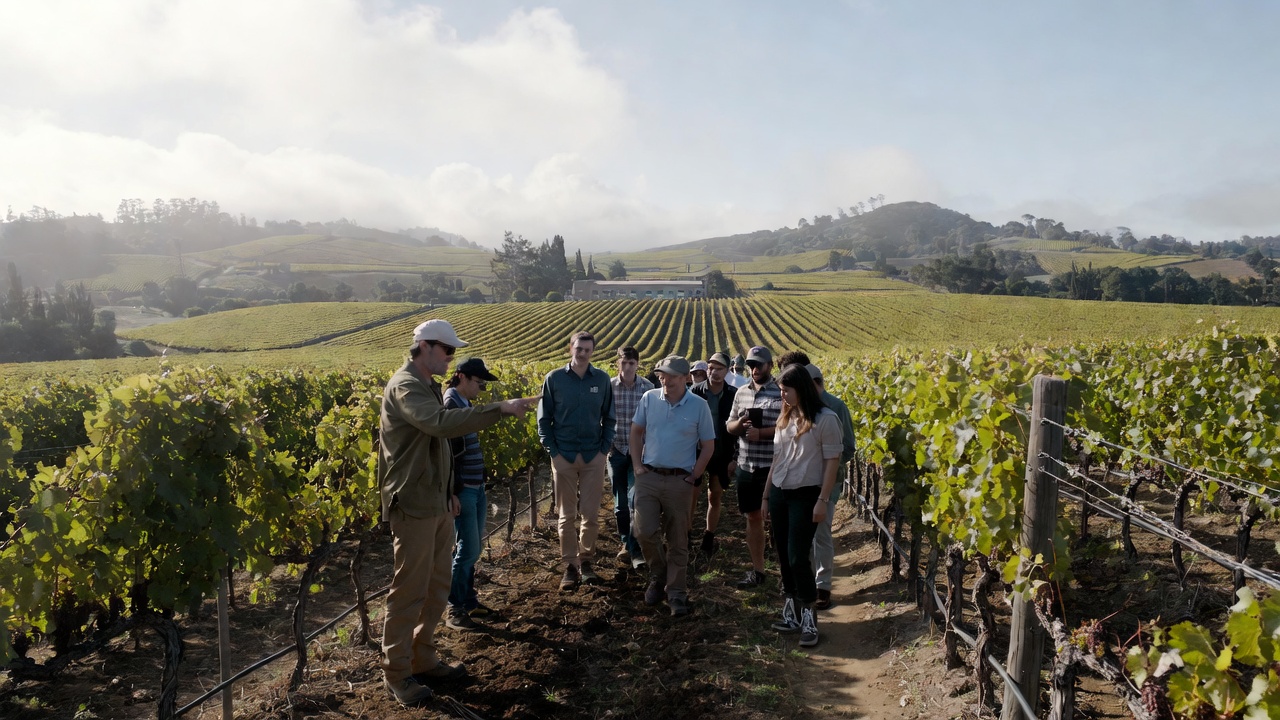
Years ago, before Estate 8 became what it is today, I would drive north on Silverado Trail and pull over near the vines just to think. No grand plan. No polished vision. Just a sense that I wanted to build something rooted in land and hospitality rather than metrics and growth charts.
I remember one winter afternoon when the vineyard blocks were bare and the Mayacamas looked almost blue in the distance. I realized that reinvention is not about escaping your past. It is about integrating what you have learned into something more grounded.
That clarity did not come from a spreadsheet. It came from standing in the dirt.
That is the kind of clarity Napa can offer if you let it.
When It’s Best
The Quiet Season: January through March
Winter is when the valley feels most intimate. Winemakers are in the cellar rather than on the road. Hospitality teams have more time for real conversation. You can walk into a tasting along Highway 29 or just off Oakville Cross Road and actually talk about farming decisions instead of release parties.
The Slower Midweek
Tuesday through Thursday is the truer Napa. Less rush. More depth. If you tell a winery host you are exploring a second career, you will often get an entirely different conversation than a typical tasting script.

What Most Visitors Miss
Most visitors experience Napa as consumers.
If you are exploring reinvention, you need to arrive as a student.
Instead of stacking three standard tastings, try:
- A vineyard walk in Rutherford to understand soil and site selection.
- A gravity flow winery tour like Palmaz in the hills above Napa to see production systems.
- A biodynamic farming discussion at Quintessa in Rutherford.
- A small producer visit in Spring Mountain where the founder might be the one pouring.
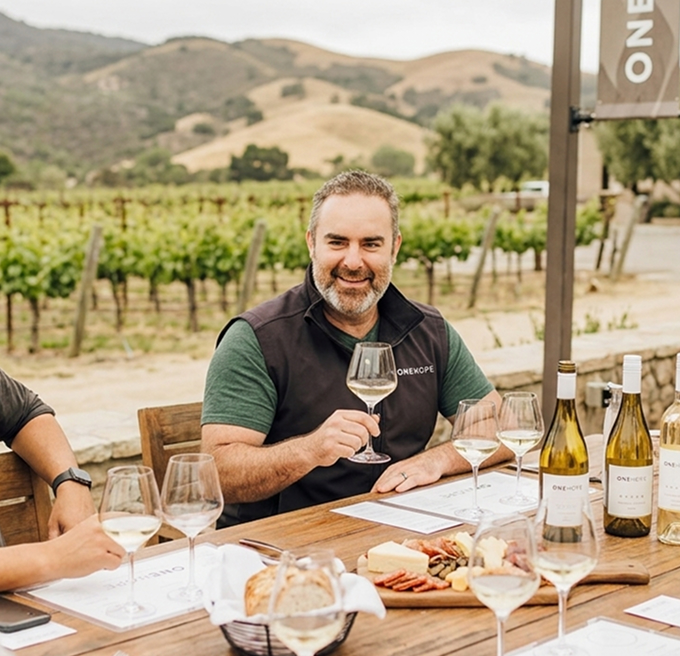
At boutique estates, especially in Coombsville or north of St. Helena, the person sharing the wine often wrote the original business plan. Ask about their pivot. Ask what surprised them. Ask what they underestimated.
Those conversations are gold.
Learning Focused Experiences to Consider
1. Wine Education and Certification
Napa Valley Wine Academy, Downtown Napa
Structured programs ranging from enthusiast to professional certifications. If you are serious about entering the wine industry, this is a credible starting point.
Estate Vineyard Walks
St. Supery and Frog’s Leap offer insight into sustainability and farming practices that go beyond tasting notes. You begin to understand agriculture as business.
2. Hospitality and Culinary Immersion
The Yountville Study
Walk Yountville from north to south. Observe how Bistro Jeanty, Bottega, and other institutions anchor the town. Watch how design, service, and pacing create global level hospitality in a small footprint.
Estate Architecture
Properties like Artesa in Carneros or Hall Rutherford demonstrate how architecture communicates brand identity before a single word is spoken.
Hospitality here is intentional. If your second act leans toward events, culinary work, boutique hotels, or experiential design, Napa is a masterclass.
3. Entrepreneurial Observation
Oxbow Public Market
Downtown Napa’s artisan hub is a live case study in small scale brand building. Food, wine, retail, and storytelling under one roof.
Small Production Wineries
Look north of St. Helena toward Calistoga or up Spring Mountain Road. Many of these founders started later in life and built intentionally small.
Starting small is not a weakness. It is often the strategy.
A Gentle Note on Estate 8
When we were shaping Estate 8, I spent countless afternoons thinking about how land, views, and gathering spaces work together. I will admit I am biased. It is my baby. But the reason I mention it here is not promotion. It is perspective.
We built around the idea that wine is a conduit for connection and purpose. If you are visiting Napa to find your own next chapter, walking through a property that was born from reinvention can sometimes make your own questions feel less abstract.
Clarity often comes when you see someone else build what once felt uncertain.
Reinvention Itinerary: A Thoughtful Roadmap
If You Only Have One Day
Morning
Vineyard walk in Rutherford. Stand in the soil. Ask about water, yield, and farming costs.
Lunch
Farmstead at Long Meadow Ranch in St. Helena. Observe a vertically integrated farm to table model in action.
Afternoon
Private cave tour or barrel tasting near the Silverado Trail corridor. Understand inventory, aging, and patience.
Evening
Dinner in Yountville followed by quiet reflection. Leave room to process.
If You Have a Full Weekend
Day One
Morning class at Napa Valley Wine Academy.
Single vineyard tasting at Nickel and Nickel in Oakville to understand site specificity.
Evening drive north toward Calistoga for a sunset view near the base of Mount St. Helena.
Day Two
Oxbow Public Market for small business observation.
Boutique winery in Coombsville for a founder conversation.
Slow dinner in St. Helena.
Balance learning with space. Do not overschedule.
Where to Stay for Reflection
For a second career exploration trip, choose lodging that supports quiet thinking:
- Boutique inns in Yountville
- Vineyard view resorts along Silverado Trail
- Smaller Calistoga properties near Mount St. Helena
- Carneros stays with open, wind swept landscapes
Avoid overly social or party oriented hotels. This is a clarity trip, not a celebration trip.
Small Histories
Napa Valley itself is a reinvention story. Many of the estates that define the region today were planted by people who were not born into wine. They arrived later in life with experience from elsewhere and applied it to land.
The valley rewards patience and long horizons. That is why it resonates so deeply with people in their second act.