If you really want to understand Napa Valley, arrive before anyone else does.
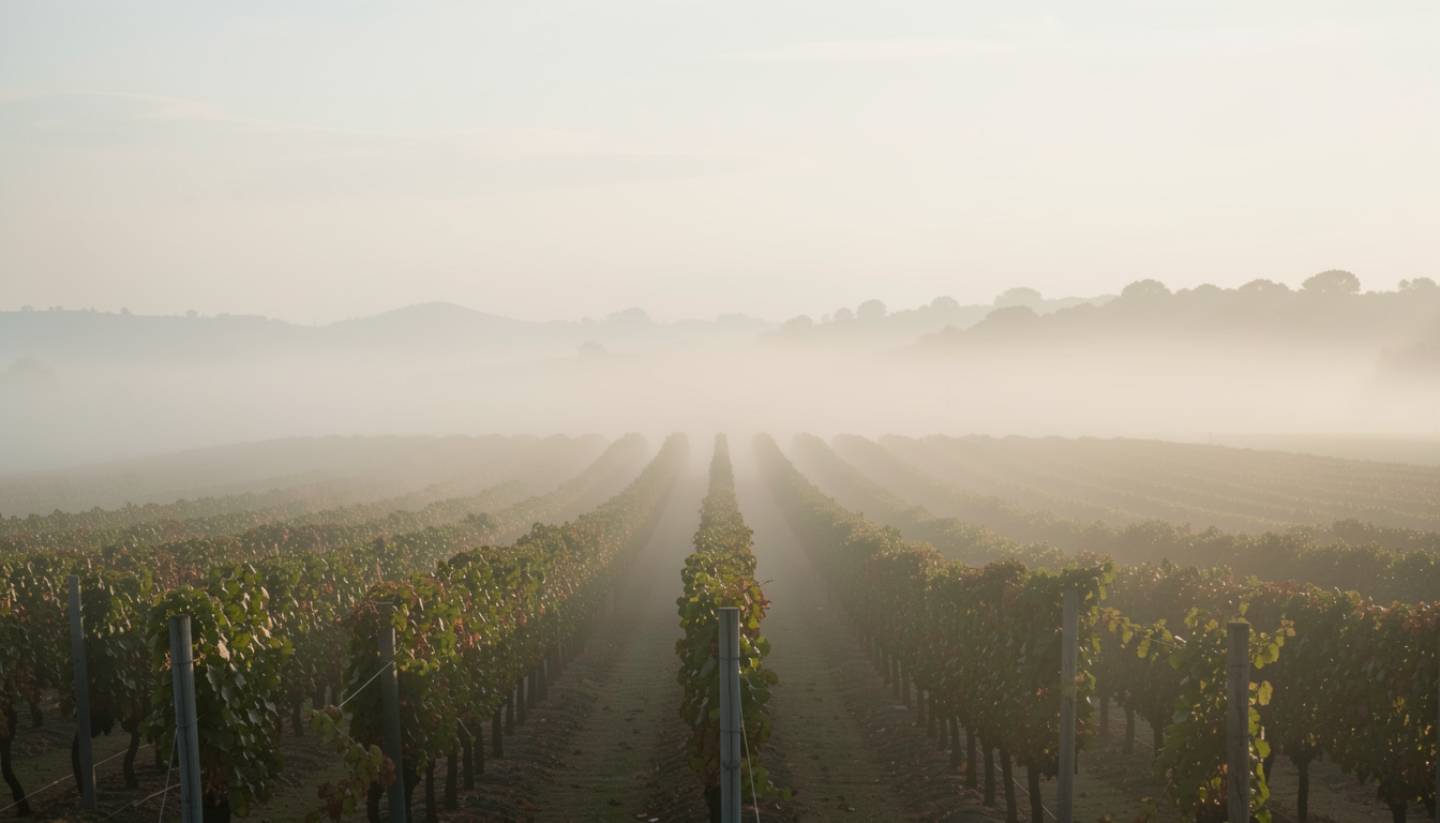
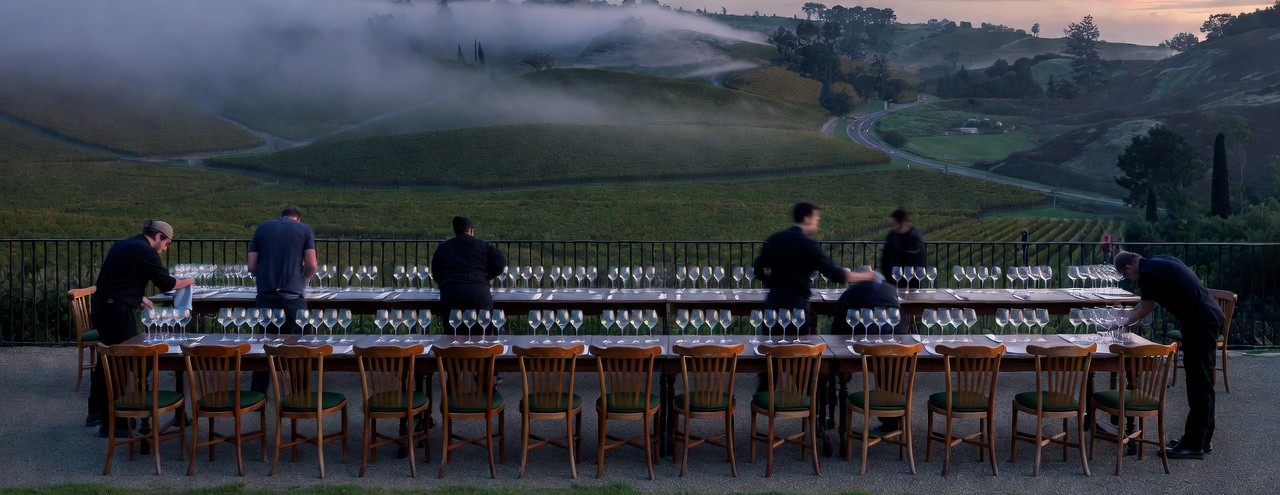
Come early, when the lift of the morning fog is still hanging over Silverado Trail and the valley feels quiet and unhurried. Before the first guest walks through the door, hosts are already studying the light. Chairs are aligned to frame the vineyards just right. Glassware is polished not only for clarity, but for balance in the hand. Music is tested against the acoustics of the room.
I grew up watching this rhythm. Napa has always been agricultural at its core, but hospitality here has become its own craft. What guests experience as ease is actually the result of hundreds of small decisions made long before they arrive.
If you are studying hospitality education in Napa, this valley becomes more than a destination. It becomes a living classroom.

What This Experience Is Really About
Hospitality education in Napa is not theoretical. It is immersive.
This valley evolved from modest tasting counters into estate level experiences that rival the great wine regions of the world. But what makes Napa unique is restraint. The best teams here understand that wine is the conduit. The memory is the product.
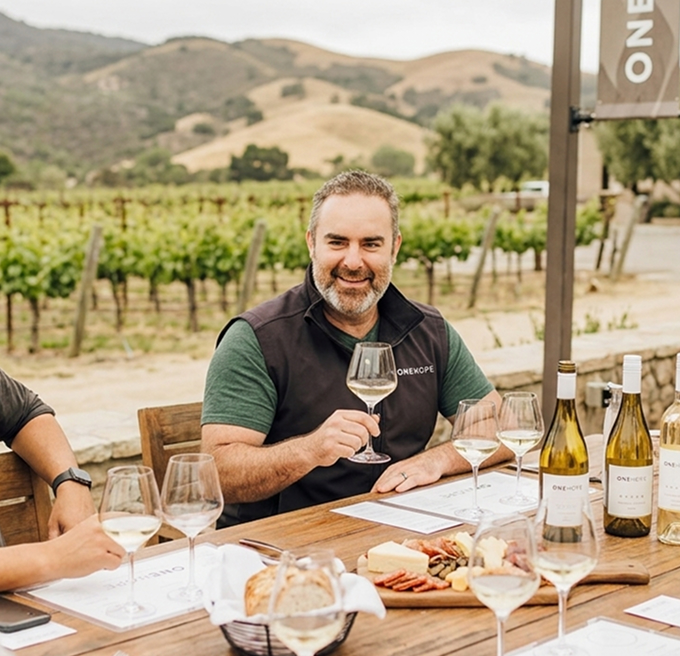
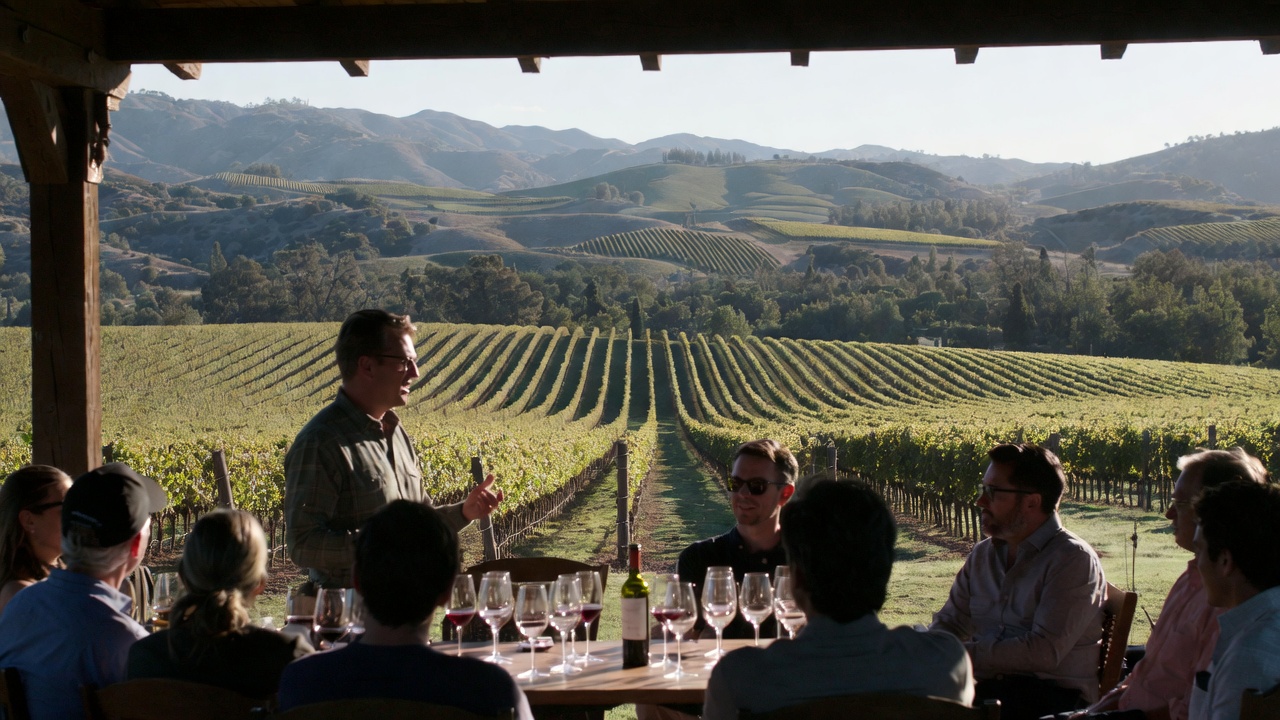
Spend an afternoon in Yountville and watch the rhythm of service inside a restaurant dining room. Then head five minutes north toward Oakville and sit down for a seated tasting overlooking the Rutherford benchlands. Notice how the tone shifts. The tempo slows. The storytelling deepens.
The emotional arc matters. A great host senses when to explain soil composition and when to step back and let the vineyard speak for itself.
The experience feels effortless. That is the design.
When It Is Best
To see the real mechanics of hospitality in Napa, avoid peak summer Saturdays.
Instead, choose:
Mustard season, January through March.
The valley is quieter. Conversations are longer. Teams have space to explain why they do what they do.
Post harvest in November.
There is a collective exhale. Energy shifts from production intensity to reflection.
The slower, truer Napa midweek reveals more than any busy weekend ever could.
What Most Visitors Miss
Guests focus on the wine list.
Students of hospitality focus on the system.
Watch for:
- The reset between tastings
- How tables are angled toward cabernet light in late afternoon
- How architecture guides you without visible signage
- How pacing changes depending on the guests energy
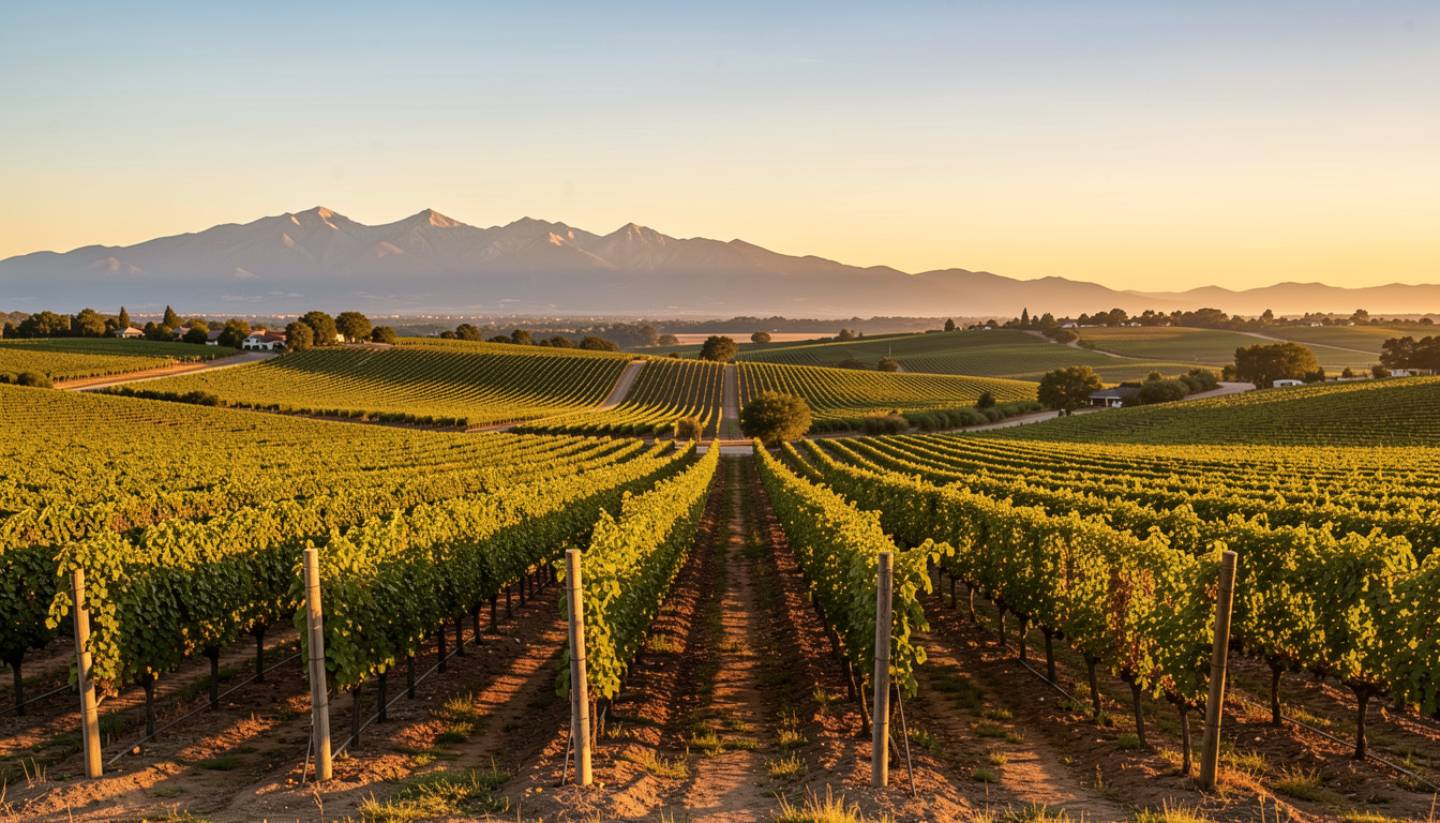
On Silverado Trail, you will notice that estates closer to the hillside often create a sense of privacy and quiet luxury. On the valley floor, hospitality feels more open and expansive.
Nothing is accidental.
My Local Notes
I grew up in this valley. I have watched it stretch and refine itself over decades. As global recognition grew, so did expectations. But the best hospitality here still feels grounded.
When we were designing Estate 8, I remember standing alone on the property early one morning, before construction was finished. The fog was lifting off the vines and I kept thinking about where a guest’s eyes would go first when they walked in. Would they see the vineyard immediately? Would the light feel warm? Would the space invite conversation?
I will admit I am a little biased. Estate 8 is one of my passion projects. But building it forced me to think deeply about invisible architecture. How guest flow, seating distance, and even silence can shape memory.
Hospitality is engineered long before a guest ever arrives.
How to Make It Memorable
If you are visiting Napa Valley to study hospitality as a craft, structure your day intentionally.
The Contrast Study
Book a well known estate in Oakville to observe scale and precision. Then visit a smaller producer along Silverado Trail to experience intimacy and flexibility.
The Bar Perspective
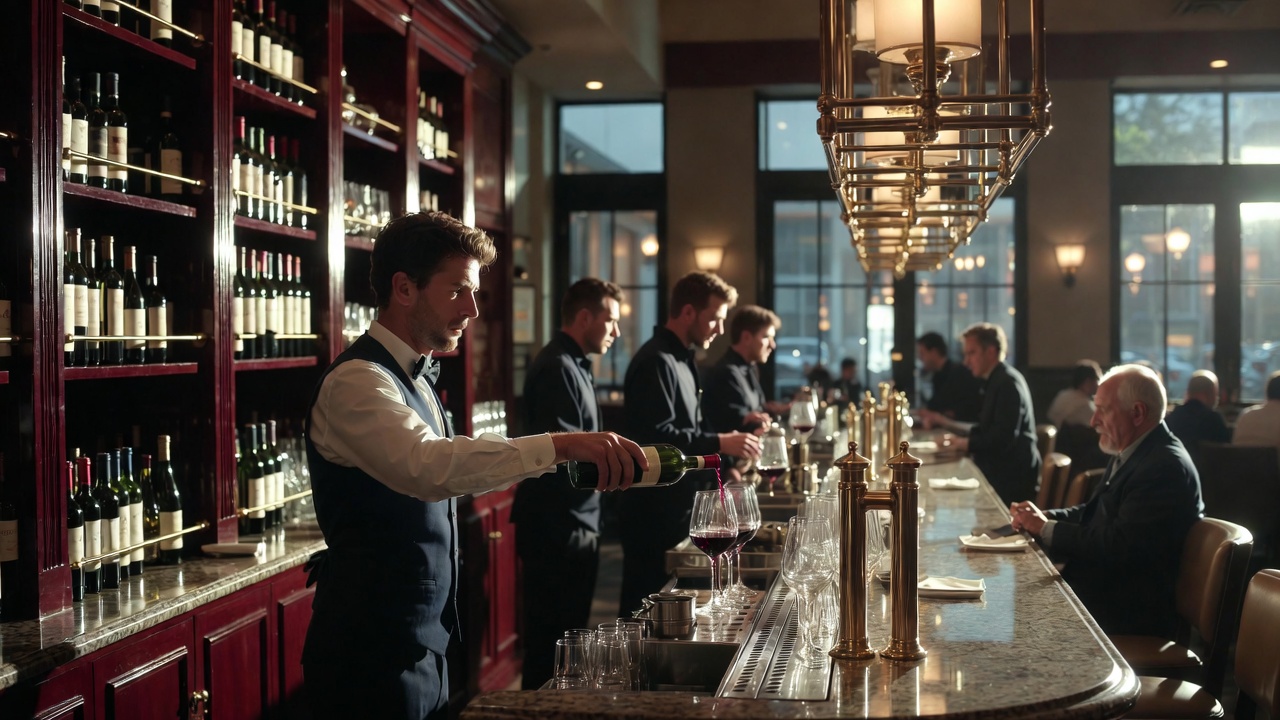
Have lunch in Yountville and sit at the bar. Watch the choreography between kitchen and front of house. Notice how eye contact is used. Notice how timing feels almost musical.
The Directional Shift
Drive north from Yountville Cross Road toward St. Helena. Pay attention to how hospitality tone changes as the landscape shifts from town center to vineyard corridor.
Learning happens in the transitions.
Where to Eat and Observe Service
Yountville
One of the most concentrated hospitality corridors in the country. Within a few blocks, you can observe multiple service styles at a very high level.
St. Helena
A blend of polish and neighborly warmth. Restaurants here demonstrate how high volume can still feel personal.
Downtown Napa
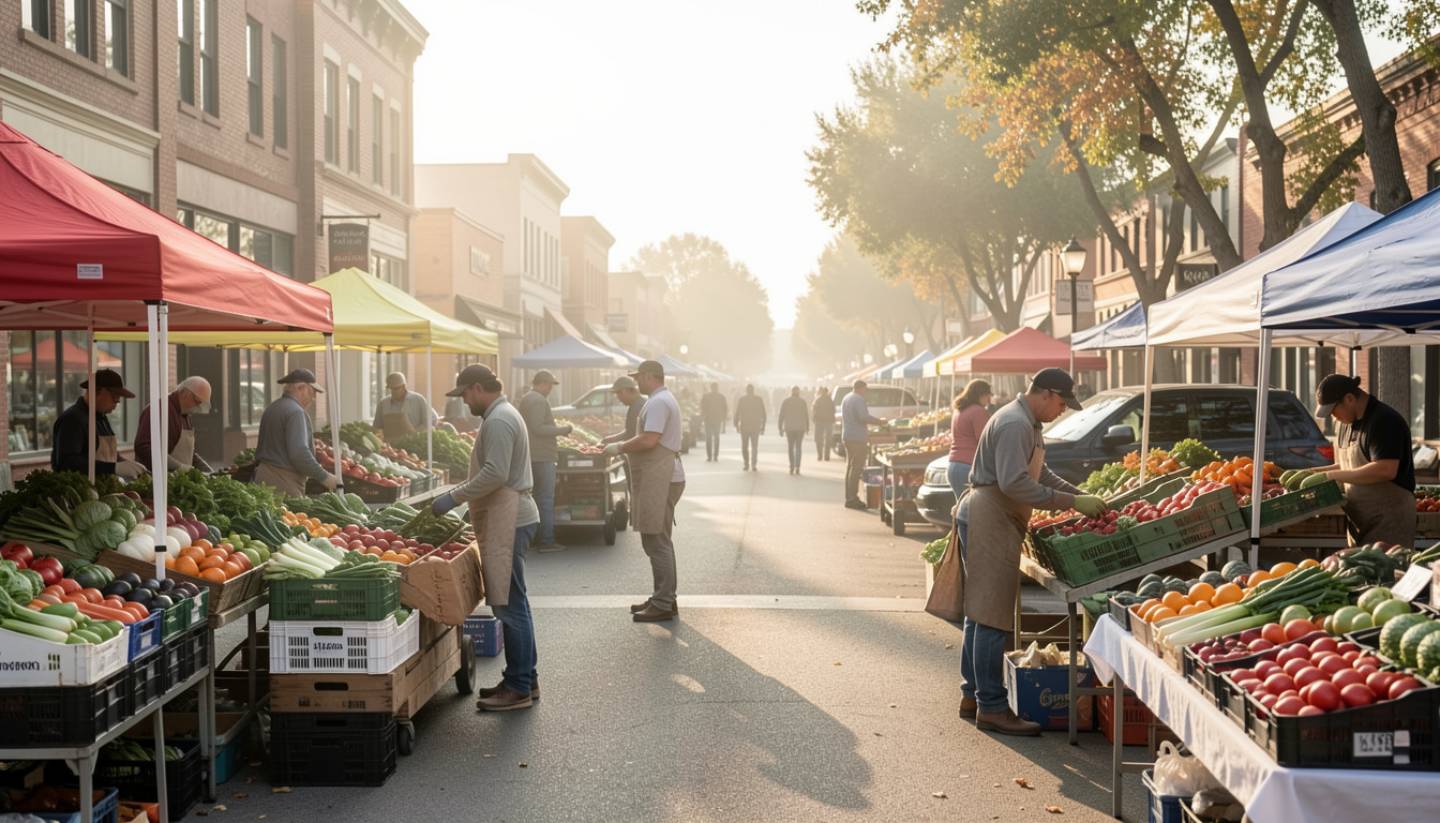
More energetic, slightly more urban. Oxbow Public Market offers a lesson in casual excellence and rapid pace service.
If you are planning a Napa weekend itinerary focused on hospitality education, this triangle of towns offers a comprehensive study.
Nearby Wineries Worth Observing
- Estates in Oakville for structured narrative flow
- Properties along Silverado Trail for design driven arrival
- Rutherford based wineries for vineyard centered emotional framing
Focus less on the label and more on the host.
Small History
When Napa rose to international recognition in the 1970s, its service expectations rose with it. Agricultural tasting counters gradually became destination estates. Design became storytelling. Hospitality became strategy.
Yet even now, the valley still moves according to agricultural rhythm. Harvest dictates energy. Winter invites reflection. Spring signals renewal.
That seasonality is part of the education.