If you really want to understand Napa Valley, do not begin with a tasting flight. Begin with a table.
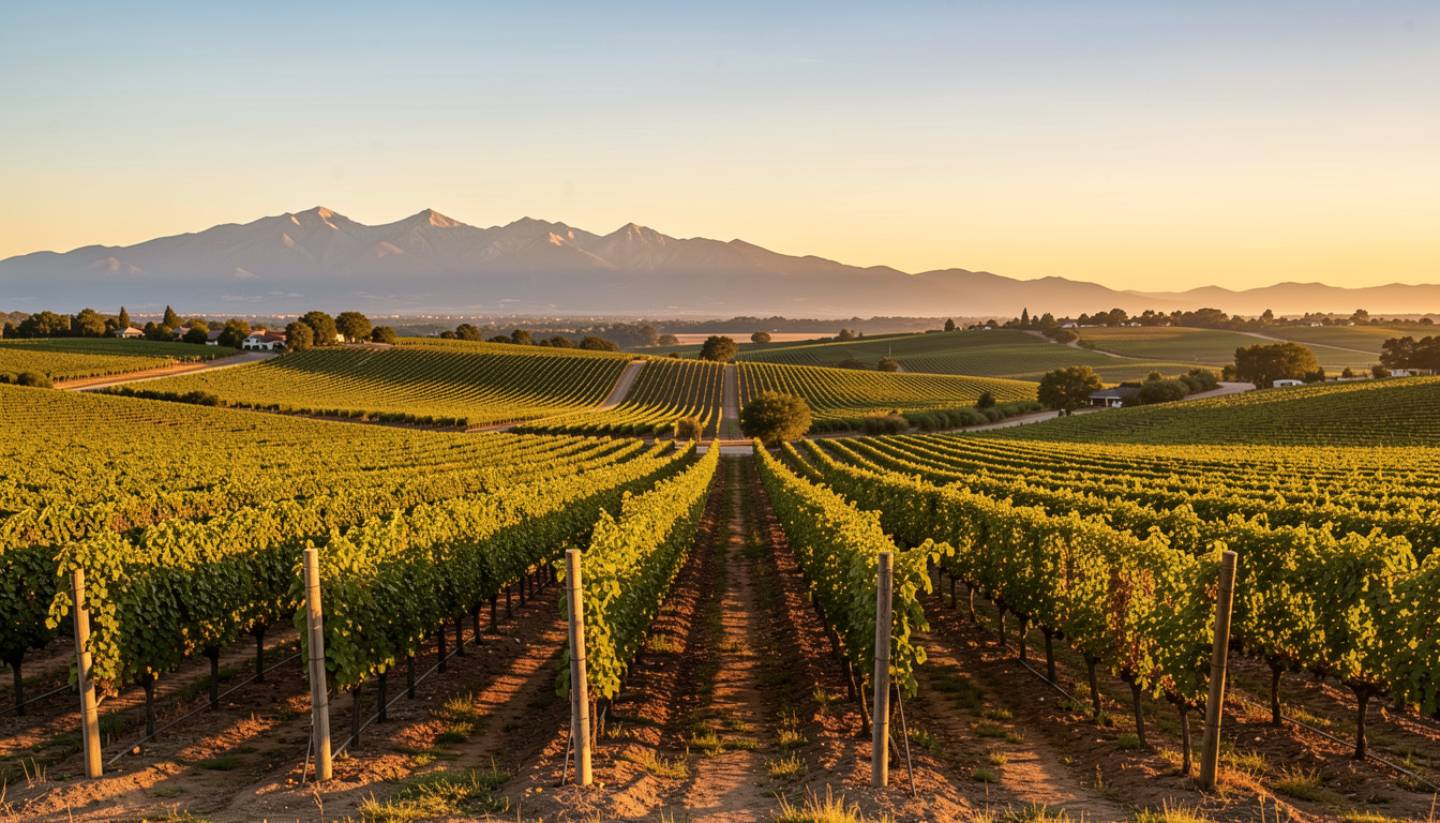
Sit down in St. Helena in the late afternoon when cabernet light settles softly across the vineyard rows. Order something seasonal. Listen closely. You will hear conversations about harvest timing, about rainfall, about how this year’s fruit is showing compared to 2013 or 1997. Around here, weather and vintage slip into dinner conversation as naturally as salt and olive oil.
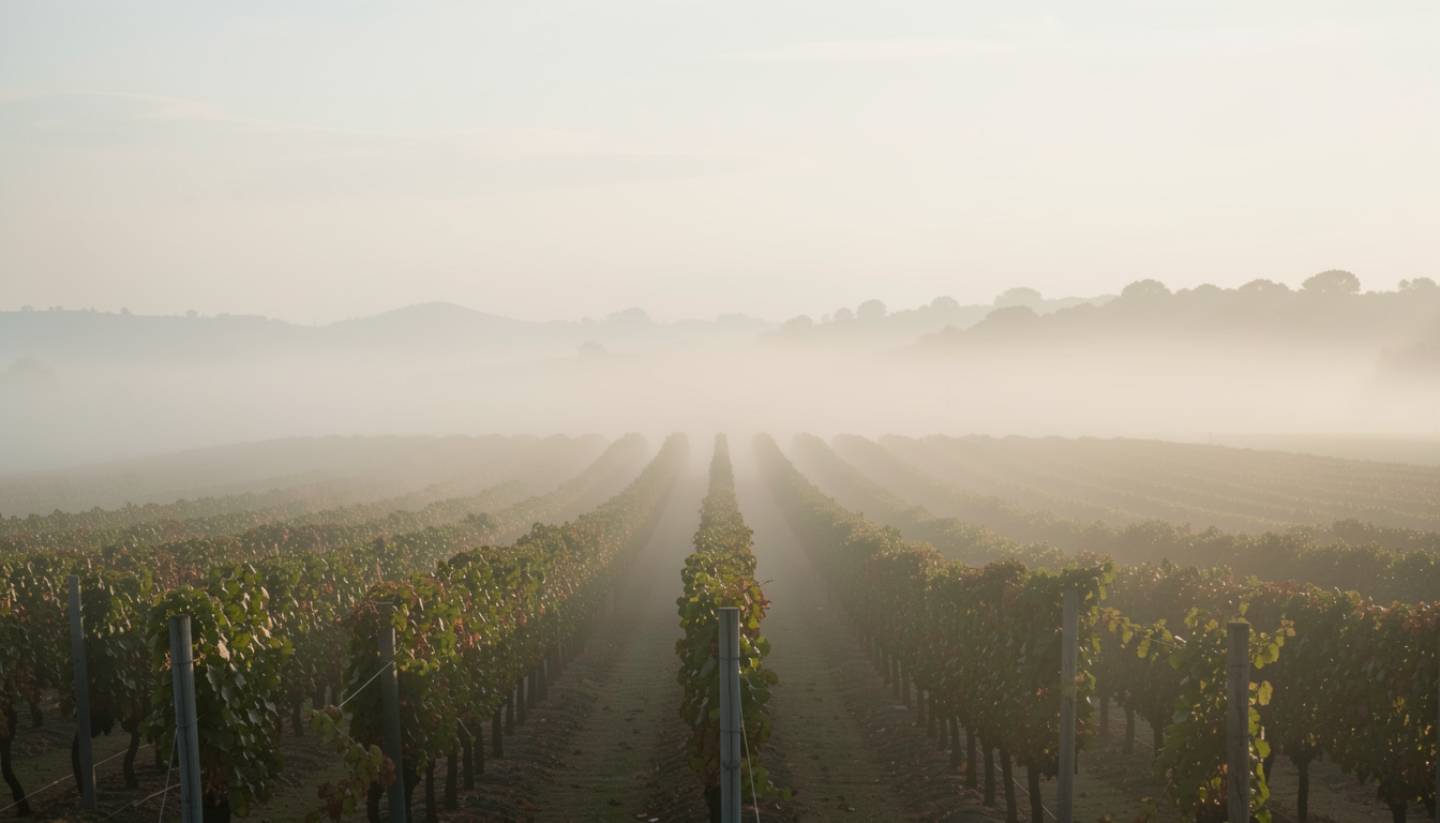
Growing up in Napa, I learned early that meals were never just meals. They marked time. Crush season dinners after long days in the vineyard. Winter stews when the valley slows and fog lingers low over the Silverado Trail. Spring gatherings when mustard blooms bright between the vines.
If you are curious about culinary anthropology, Napa Valley is not just a destination. It is a living case study in food culture shaped by land, migration, and hospitality.
What This Experience Is Really About
Culinary anthropology asks a simple question. What does a place eat, and why?
In Napa, the answer begins with agriculture. Long before Michelin stars and destination dining, this valley was a patchwork of grapes, olives, stone fruit, and cattle. The rhythm of planting and harvest shaped daily life. That rhythm still shapes the table.
As Italian, Portuguese, Spanish, and later global influences layered into the valley, the cuisine evolved. But it never lost its grounding. Even the most refined tasting menus still echo the land.
Walk through Yountville and you will see decades of technical refinement expressed in polished dining rooms. Drive a few minutes north past Yountville Cross Road toward St. Helena and the tone softens. Restaurants there often feel more like gathering places than showcases. Head further north to Calistoga, near the base of Mount St. Helena, and you sense a slower pace shaped by geothermal history and a more rural edge.
Food culture in Napa is geographic. Each town carries its own flavor of identity.
When It Is Best
To truly understand Napa food culture, align your visit with the valley’s seasons.
Harvest, September through October
Energy is high. Menus reflect abundance. Winemakers and chefs move in parallel rhythms. The valley hums.
Mustard Season, January through March
The slower, truer Napa midweek reveals itself. Dishes become heartier. Conversations stretch longer. This is when you feel the agricultural backbone of the region.
Spring, April and May
Asparagus, greens, and early produce brighten menus, mirroring the lift of the morning fog as it burns off the valley floor.
Seasonality is not branding here. It is structure.

What Most Visitors Miss
Visitors chase reservations.
Students of food culture observe context.
Pay attention to:
- How menus name specific local farms
- How servers reference vineyard proximity
- How olive oil, bread, and cheese reflect regional production
- How table talk often centers on rainfall, yields, and vineyard blocks
Drive north on Silverado Trail late in the afternoon and you will see how vineyard density shapes where restaurants cluster. Geography influences cuisine.
In Calistoga, mineral rich soils and geothermal waters shaped early cooking traditions and hospitality patterns. Even today, that northern tip of the valley feels distinct.
Meals here are stories told through soil.
My Local Notes
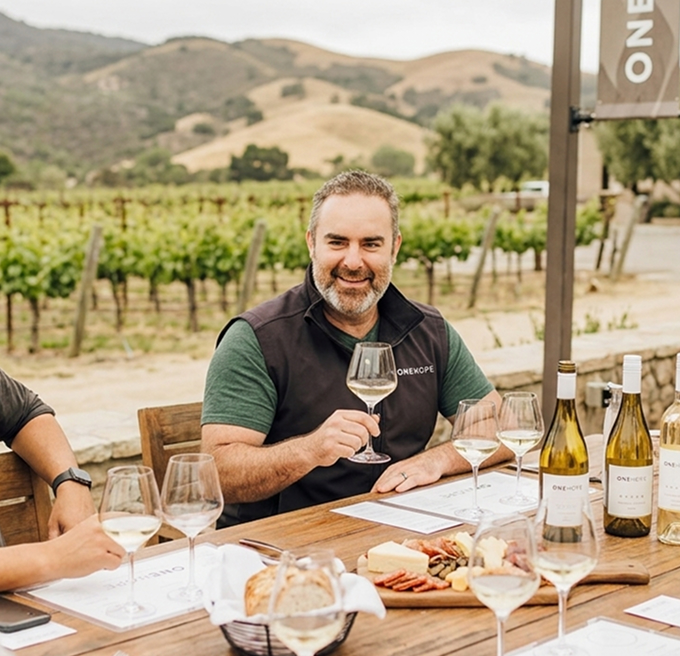
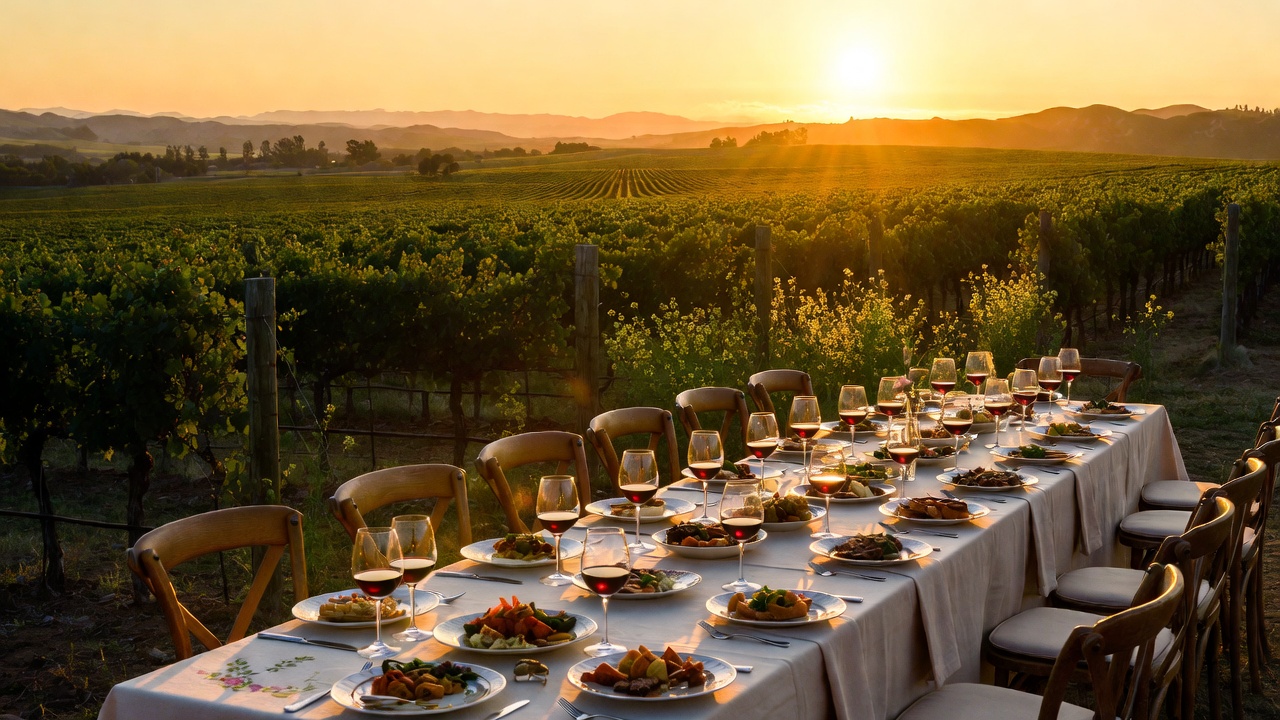
One of my clearest memories is a harvest dinner years ago at a long wooden table set just beyond a vineyard edge. We had been walking rows all day. Boots were dusty. The air still carried the warmth of the afternoon.
The meal was simple. Grilled vegetables from a nearby farm. Bread from a local bakery in St. Helena. A bottle opened from a vintage we had just finished picking.
No one talked about ratings. We talked about whether the spring frost had set us back, whether this year would age like 2007, whether the valley felt busier than it used to.
That is Napa food culture. Agricultural memory expressed through meals.
At Estate 8, when we host gatherings, I think about that dinner often. I will admit I am a little biased since it is one of my passion projects. But the goal is never just a pairing. It is creating a table that feels connected to the vineyard outside the window.
Food here is relational. It ties people to place.
How to Make It Memorable
If you are planning a Napa Valley trip centered on food culture, structure it with intention.
Fine and Farm Contrast
Have one refined dinner in Yountville where service feels choreographed and precise. The next day, eat somewhere in St. Helena that feels rooted and neighborly.
Market and Vineyard Pairing
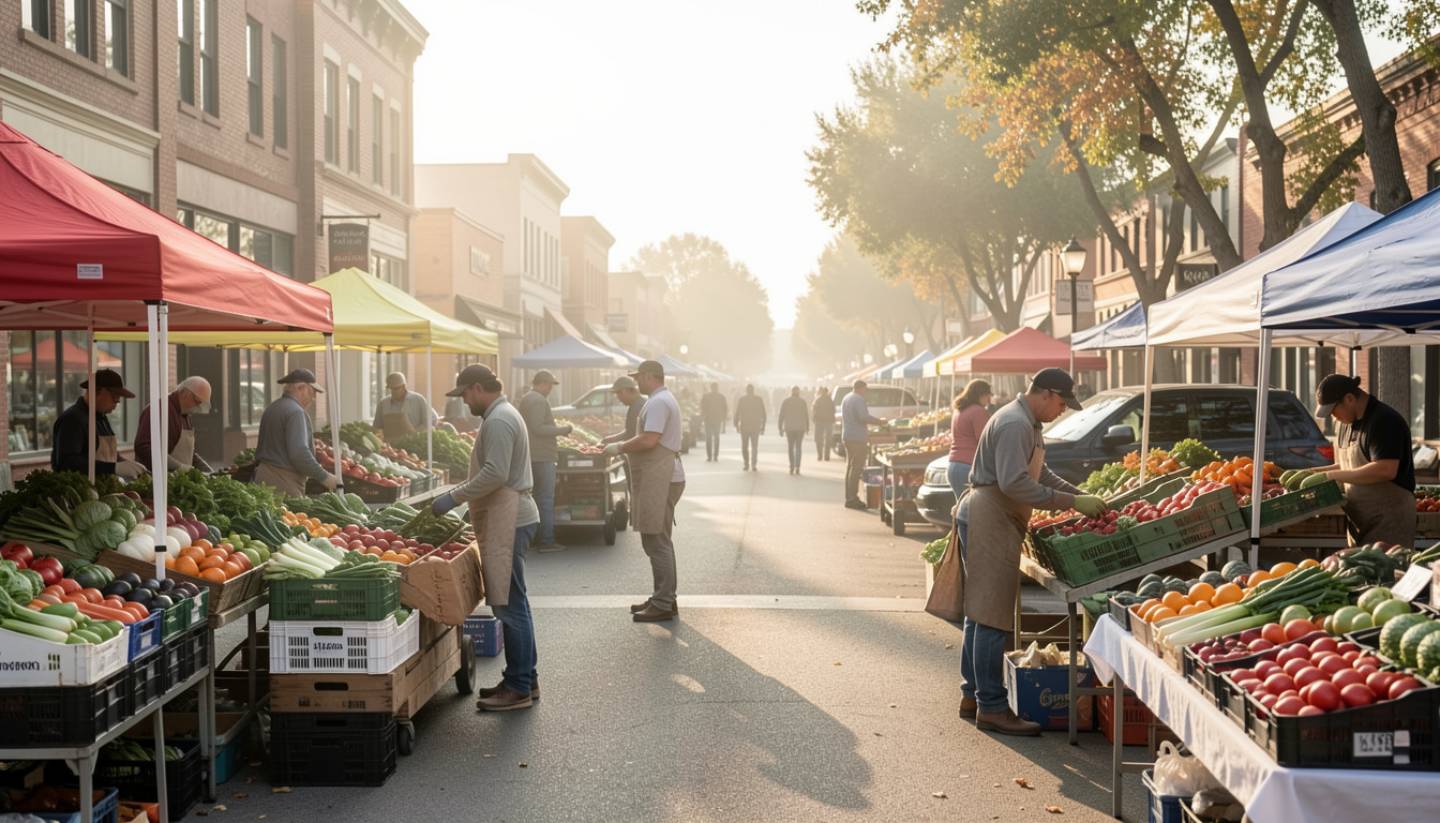
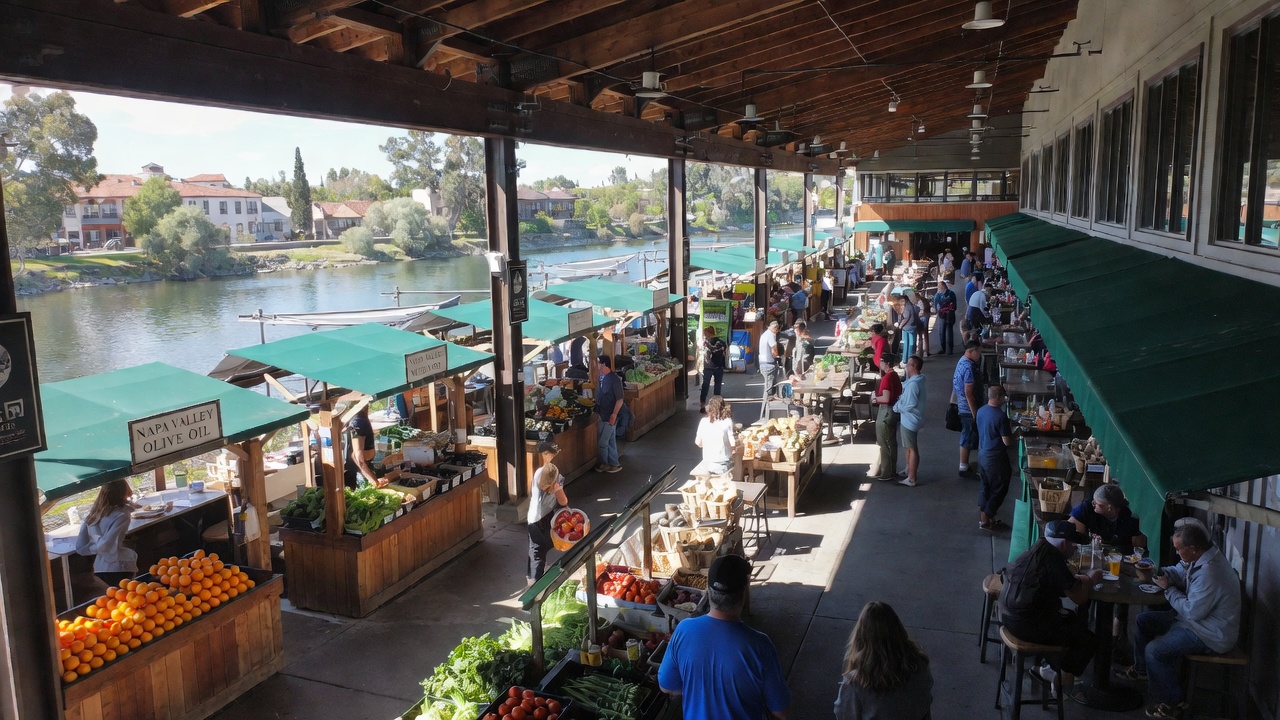
Spend time at Oxbow Public Market observing local producers and community energy. Then attend a vineyard hosted lunch where ingredients are served steps from where they were grown.
Directional Awareness
Drive from Yountville toward Calistoga. Notice how the hospitality tone shifts as you move from polished corridor to agricultural town center to rustic northern edge.
Build your Napa itinerary around meals and you will begin to see the valley differently.
Where to Eat and Observe Food Culture
Yountville
A concentrated corridor of refined dining shaped by decades of culinary leadership and service excellence.
St. Helena
Farm driven menus and restaurants that feel grounded in agricultural heritage.
Downtown Napa
Communal and evolving. Oxbow Public Market offers a snapshot of contemporary Napa food culture.
Calistoga
Rustic, relaxed, influenced by geothermal history and slower rhythms of life.
Each town offers a chapter in Napa’s culinary story.