If you sit long enough at a tasting bar in St. Helena, you will hear more than blackberry, cedar, and graphite.
You will hear about the year frost came early and wiped out a block near Oakville. You will hear about replanting after phylloxera in the 1980s. You will hear someone point toward the western hills and say, that parcel used to belong to my grandfather.
Long before Highway 29 became a steady pulse of weekend traffic, this valley was a series of farms stitched together by family stories.
Napa Valley is not just a place you visit. It is a place that remembers.
For travelers interested in oral history Napa experiences, this valley offers something rare. A living archive told through winemakers, growers, chefs, and longtime locals who still speak in the rhythm of bud break and harvest.
What This Experience Is Really About
Oral history Napa style is not scripted. It does not come from plaques alone.
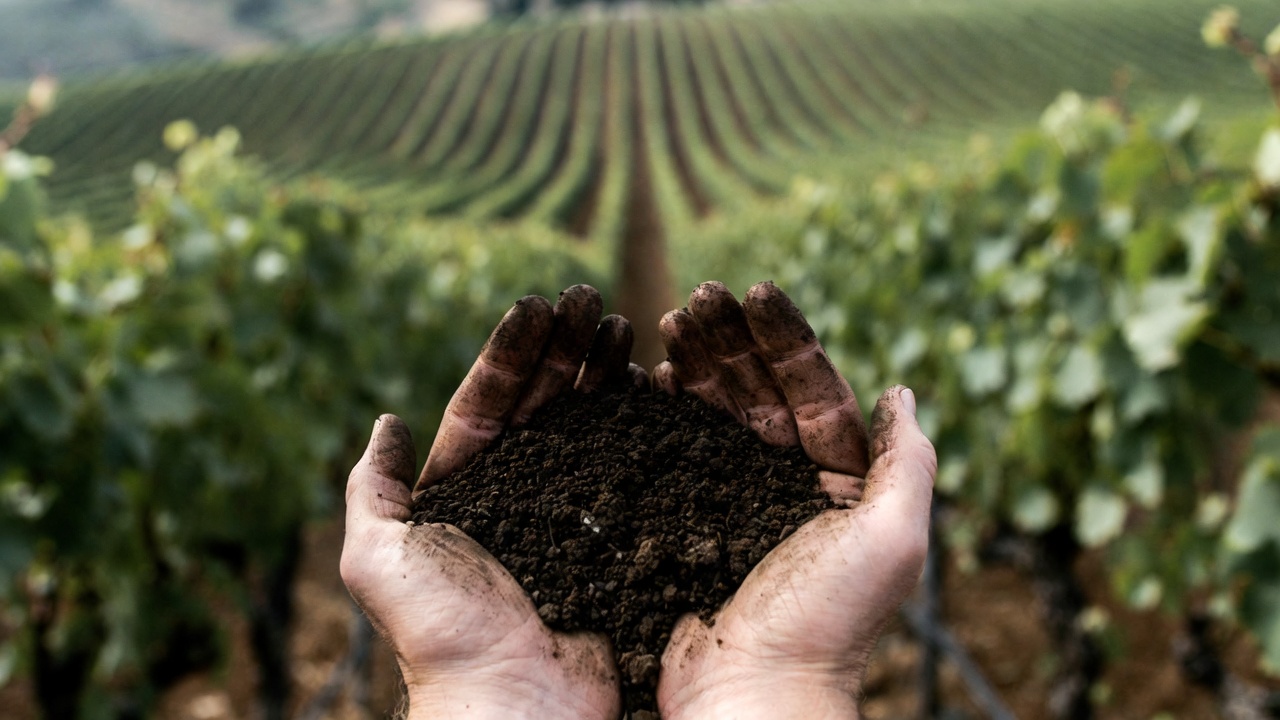
It happens on a vineyard walk in Rutherford when a winemaker kneels down and runs soil through their fingers to explain the difference between gravel and clay. It happens in Yountville when a chef describes how their menu reflects what their grandparents once grew.
The valley’s global recognition often centers around headline moments such as the 1976 Judgment of Paris. But the deeper story lives in repetition.
Bud break. Bloom. Harvest. Dormancy.
Each vintage adds a chapter. Each fire season reshapes a conversation. Each replanting carries forward both loss and renewal.
If you are drawn to recorded memories and lived narrative, Napa gives you access to history spoken by the people who experienced it.
When It Is Best
Timing determines depth.
Midweek visits allow winery teams to move beyond rehearsed tasting notes. On a quiet Wednesday in St. Helena, conversation expands naturally. Stories surface between pours.
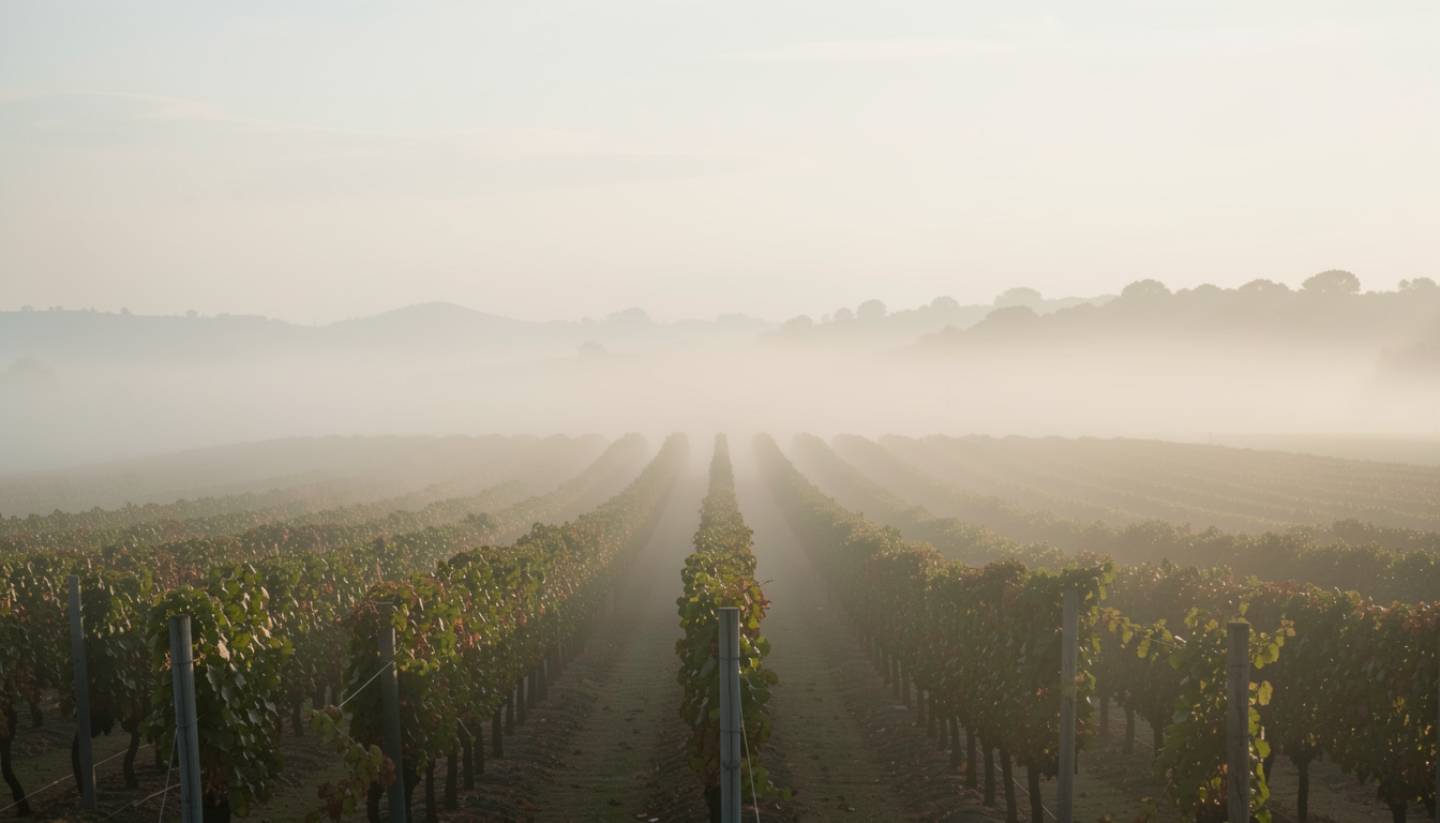
Mustard season from January through March brings a reflective tone. The fog lingers over the Rutherford benchlands. The valley floor feels spacious. Locals have more time to talk.
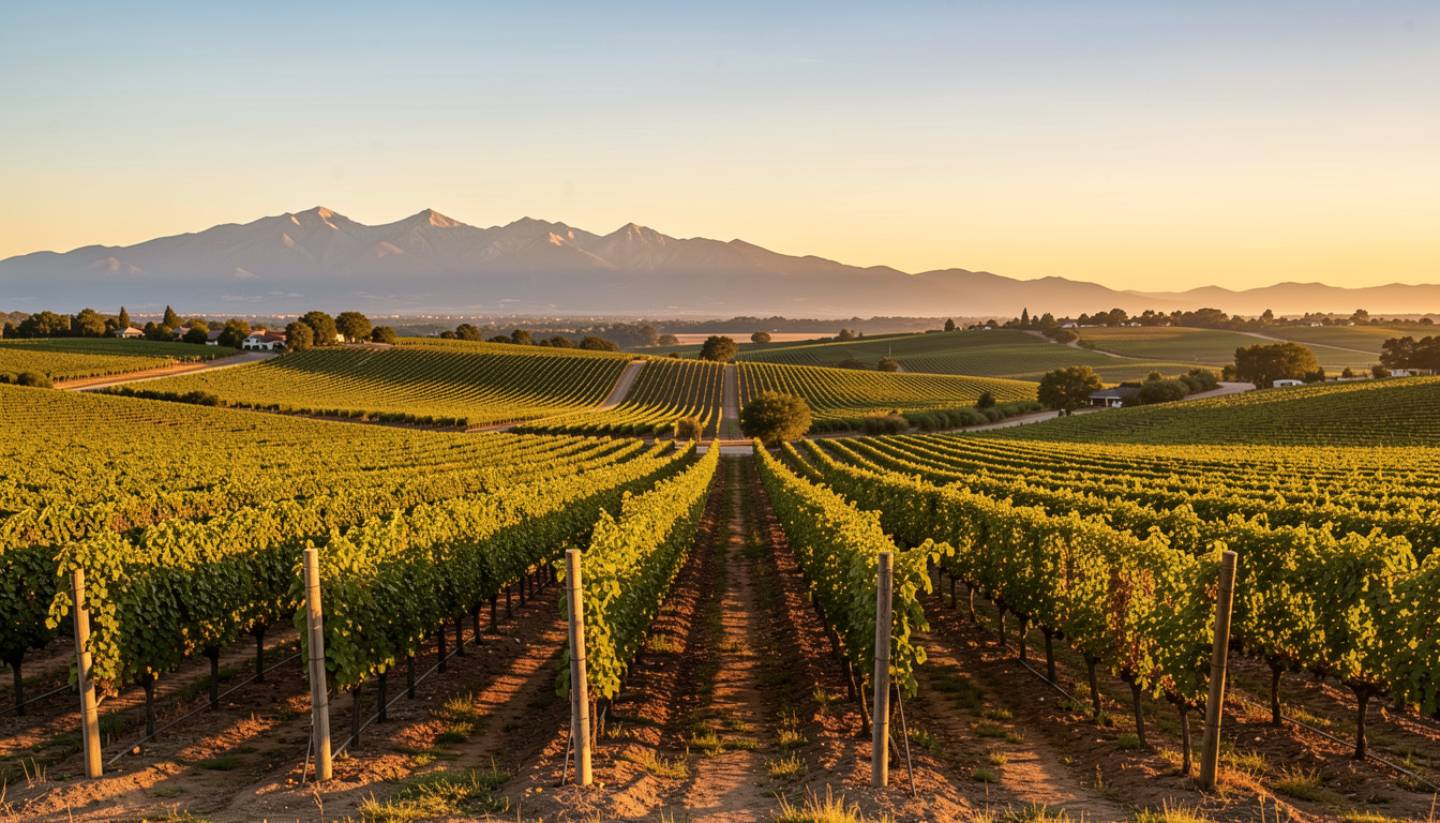
Harvest season along Silverado Trail offers a different kind of oral history. Trucks move steadily. The scent of fermenting grapes drifts through the air. If you ask about someone’s first crush, you will hear memories layered into every explanation.
Avoid peak Saturdays if storytelling is your goal. Seek the quieter corners.
Napa Valley for People Interested in Storytelling and Oral History
What Most Visitors Miss
Many visitors chase reservations and scores. The real narrative lives in the margins.
Drive five minutes north of Yountville Cross Road and you will feel the shift from polished dining rooms to agricultural town centers. Stop in St. Helena and walk past barns that predate many of the modern estates.
In Calistoga, near the base of Mt St Helena, ask about the spa town’s nineteenth century origins. The geothermal pools tell their own story.
The key is simple. Ask better questions.
Who planted this block.
How did the 2017 fires change farming here.
What was Highway 29 like before it was busy.
Most longtime hospitality professionals are eager to share.
My Local Notes
I grew up hearing stories at kitchen tables before I understood their weight.
I remember standing near a slope just outside St. Helena while a grower pointed toward a section of vines and told me how his father replanted it after disease wiped it out decades earlier. He did not speak dramatically. He spoke steadily, as if describing a family member.
That moment shaped how I see Napa.
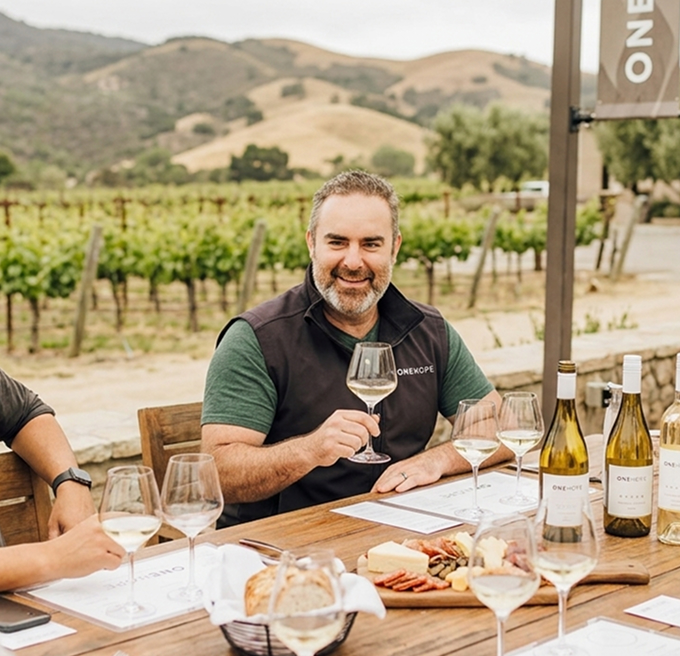
When we built ONEHOPE and later Estate 8, I thought often about preserving narrative alongside experience. I am a little biased since Estate 8 is deeply personal to me, but I have always believed hospitality should carry memory forward. A tasting is not just about what is in the glass. It is about the story that comes with it.
If you listen closely in Napa, you realize the land holds more than vines. It holds voices.
How to Make It Memorable
If you are planning an oral history Napa focused trip:
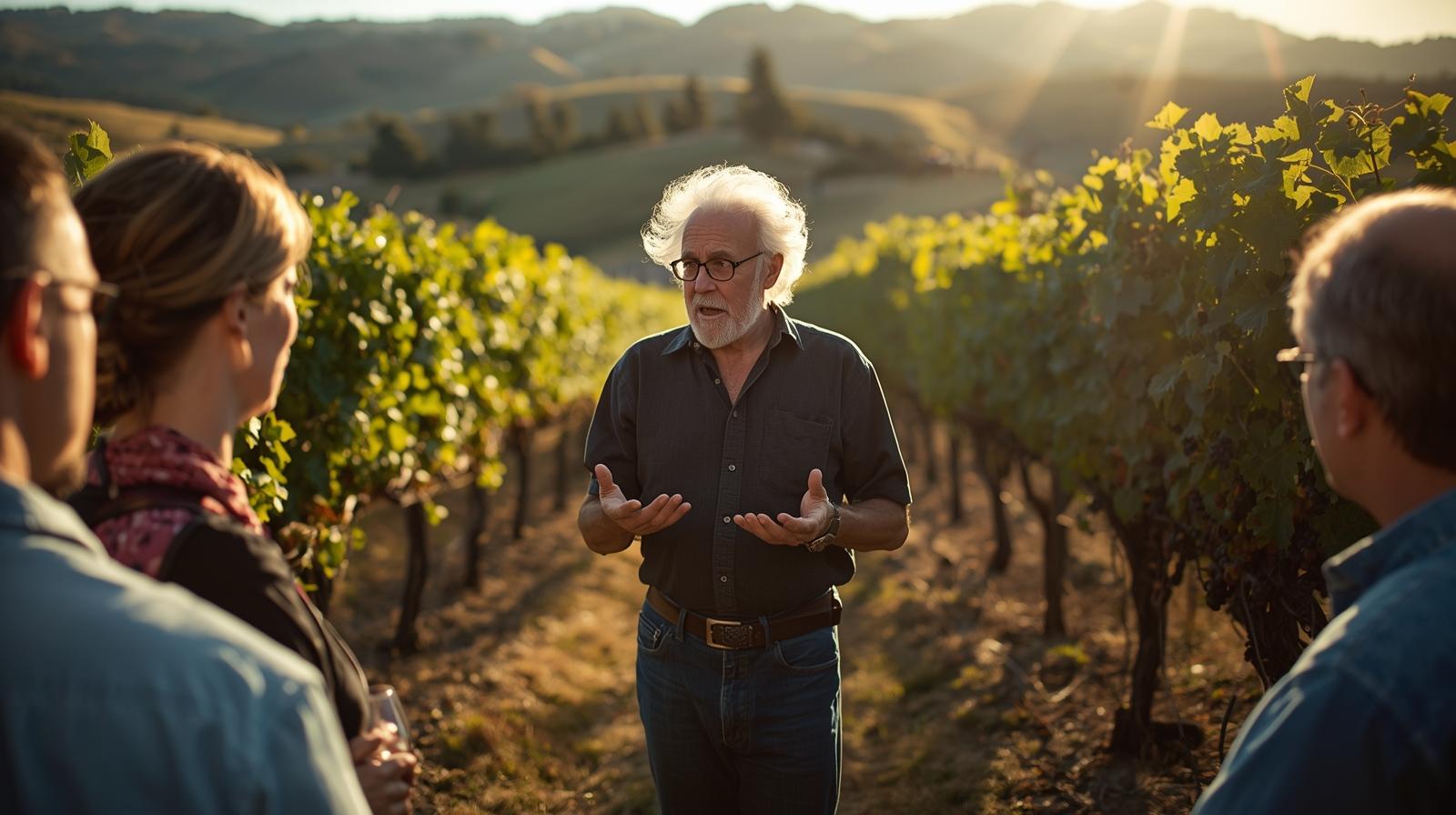
Book a private vineyard tour at a historic estate in St. Helena or Rutherford.
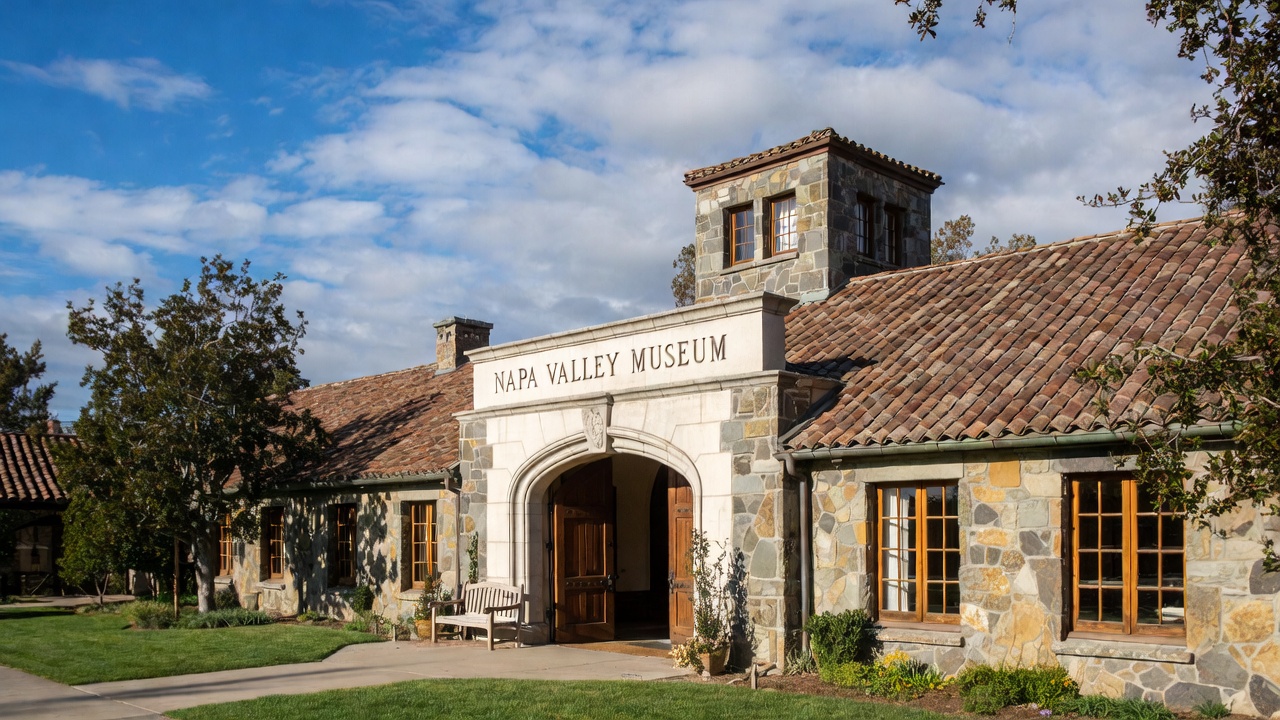
Visit the Napa Valley Museum in Yountville before your first tasting for context.
Take Silverado Trail instead of Highway 29 for a more scenic view of the eastern slope.
Bring a small notebook and capture phrases, not just tasting notes.
The way someone describes Rutherford dust or their first harvest becomes a souvenir that does not fade.
If You Only Have One Afternoon
Choose one historic estate winery such as Inglenook or Beringer. Ask about its founding family and how ownership has evolved. Walk the vineyard if possible.
Then head to downtown Napa for coffee and a stop at a local gallery or archive. Let the broader community narrative frame what you just heard.
Where to Stay for a Story Focused Visit
St. Helena places you closest to historic family estates and agricultural roots.
Downtown Napa provides access to riverfront walks, museums, and community archives.
Calistoga offers boutique lodging tied to spa town history and geothermal tradition.
Smaller hotels often feel more connected to local narrative than large resorts.
Nearby Experiences Beyond Wine
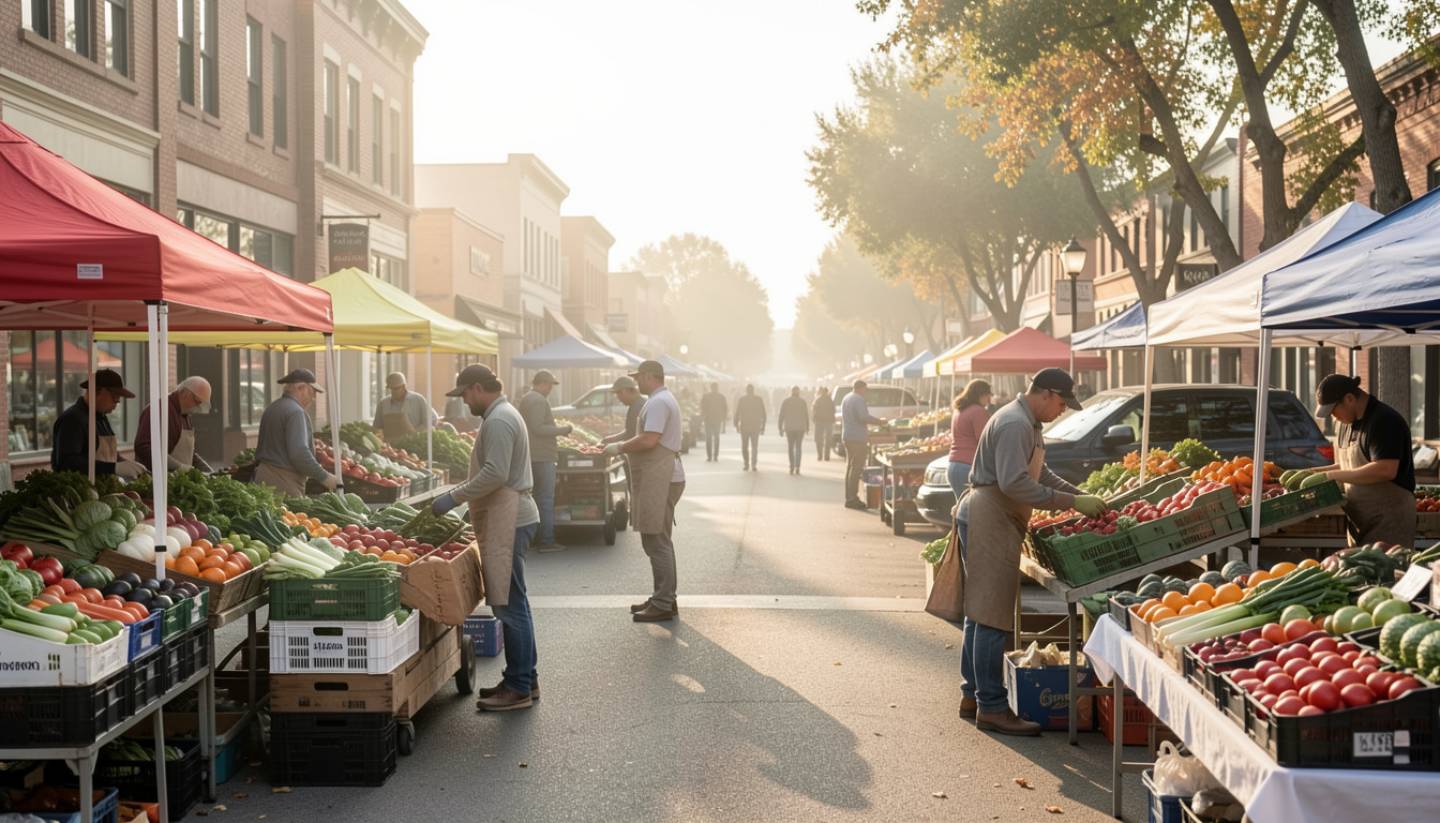
Weekend farmers markets where growers still sell directly
Art galleries in St. Helena reflecting agricultural themes
Community harvest events in early fall
Vineyard walks where older vine blocks tell their own quiet story
Oral history Napa is woven into daily life, not just tasting rooms.