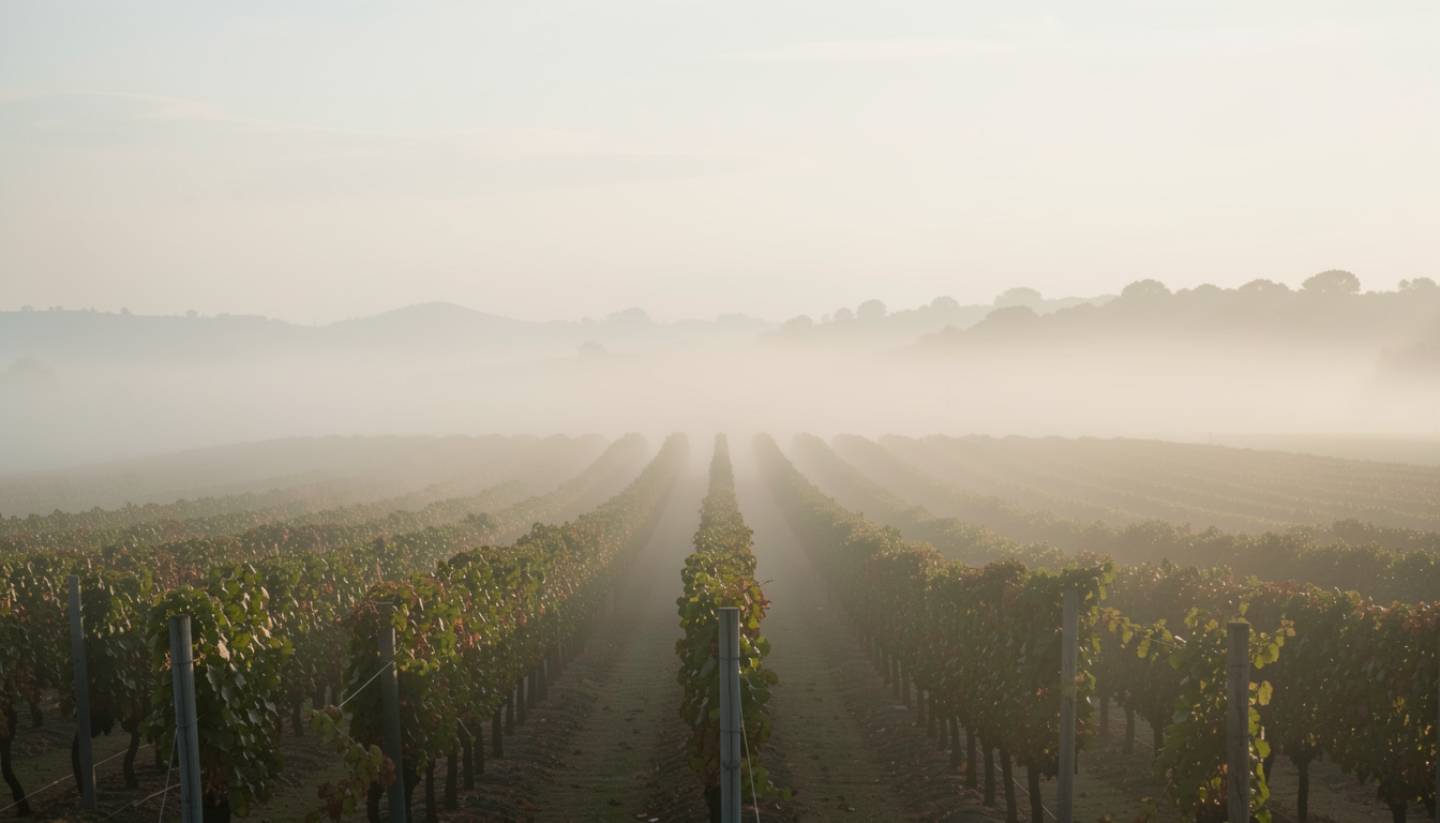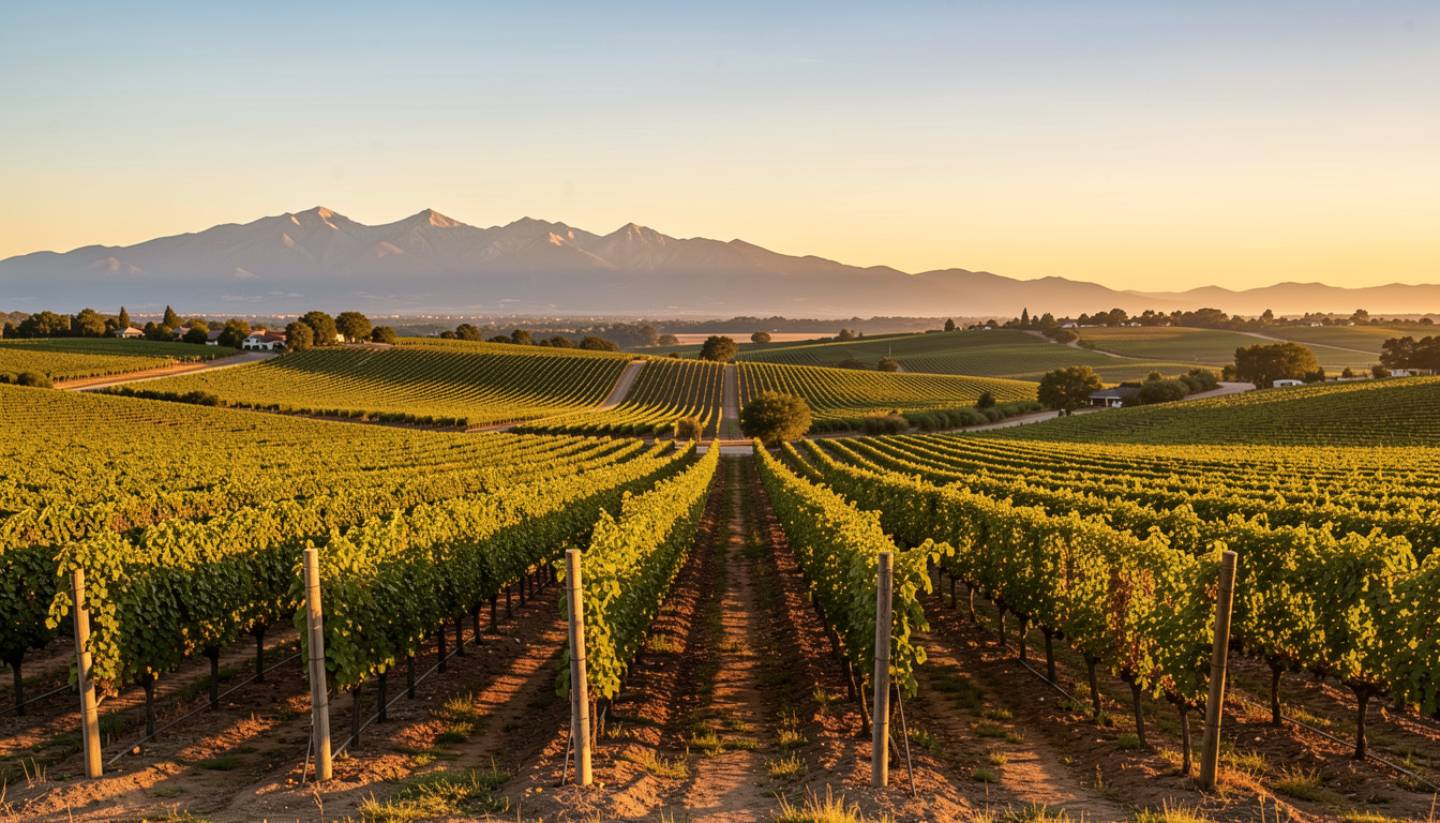
Stand in a vineyard in late August, just before harvest, and do not look at the clusters.
Look down.
In Rutherford, the famous dust feels light and powdery under your boots. In Oak Knoll to the south, clay holds moisture longer and grips your soles with weight. Up valley near Calistoga, where the Vaca and Mayacamas ranges narrow together, the soil warms faster and dries quicker under the afternoon sun.
Most visitors see grapes.
Farmers see water.
Growing up in Napa Valley, I learned early that irrigation is not a background detail. It is a discipline. A daily conversation between soil, slope, rootstock, and restraint. Water management in Napa Valley is one of the quiet forces behind every bottle of Cabernet poured in St Helena or Oakville.
If you are interested in Napa vineyard irrigation and sustainable viticulture, this is one of the most intentional farming regions in the world to study.
What This Experience Is Really About
Water in Napa Valley is about balance and timing.
Nearly all of our rain falls between November and March. From May through October, it is bone dry. That dryness is part of what makes Napa Cabernet so structured and concentrated. But vines still need support.
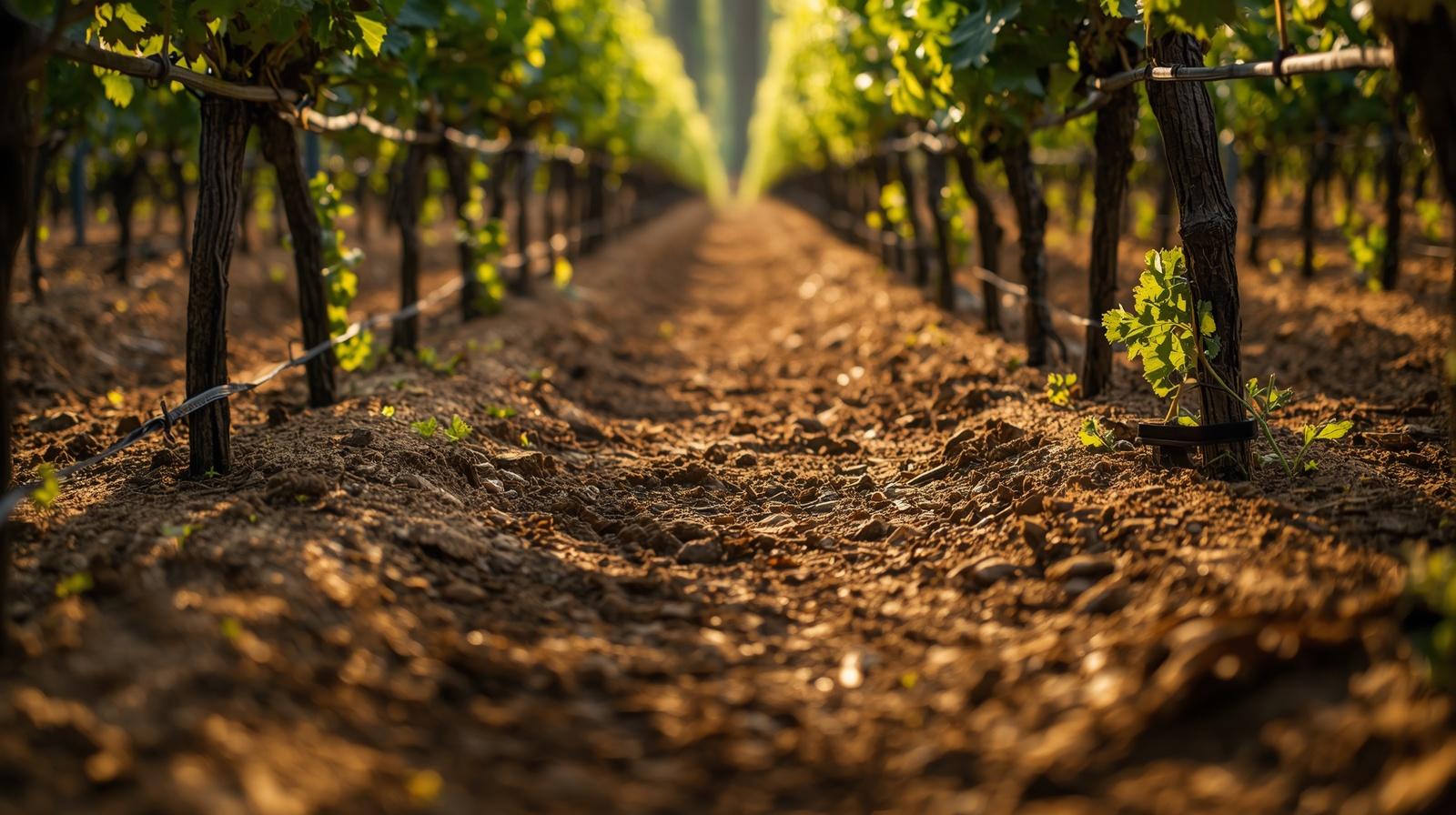
Most Napa vineyard irrigation systems rely on drip lines placed low along the vine row. These emitters deliver controlled doses directly to the root zone. The goal is not lush growth. It is mild, controlled stress.
Too much water and the vine focuses on leaves. Too little and it shuts down. The skill lies in the middle.
Each Napa Valley AVA responds differently.
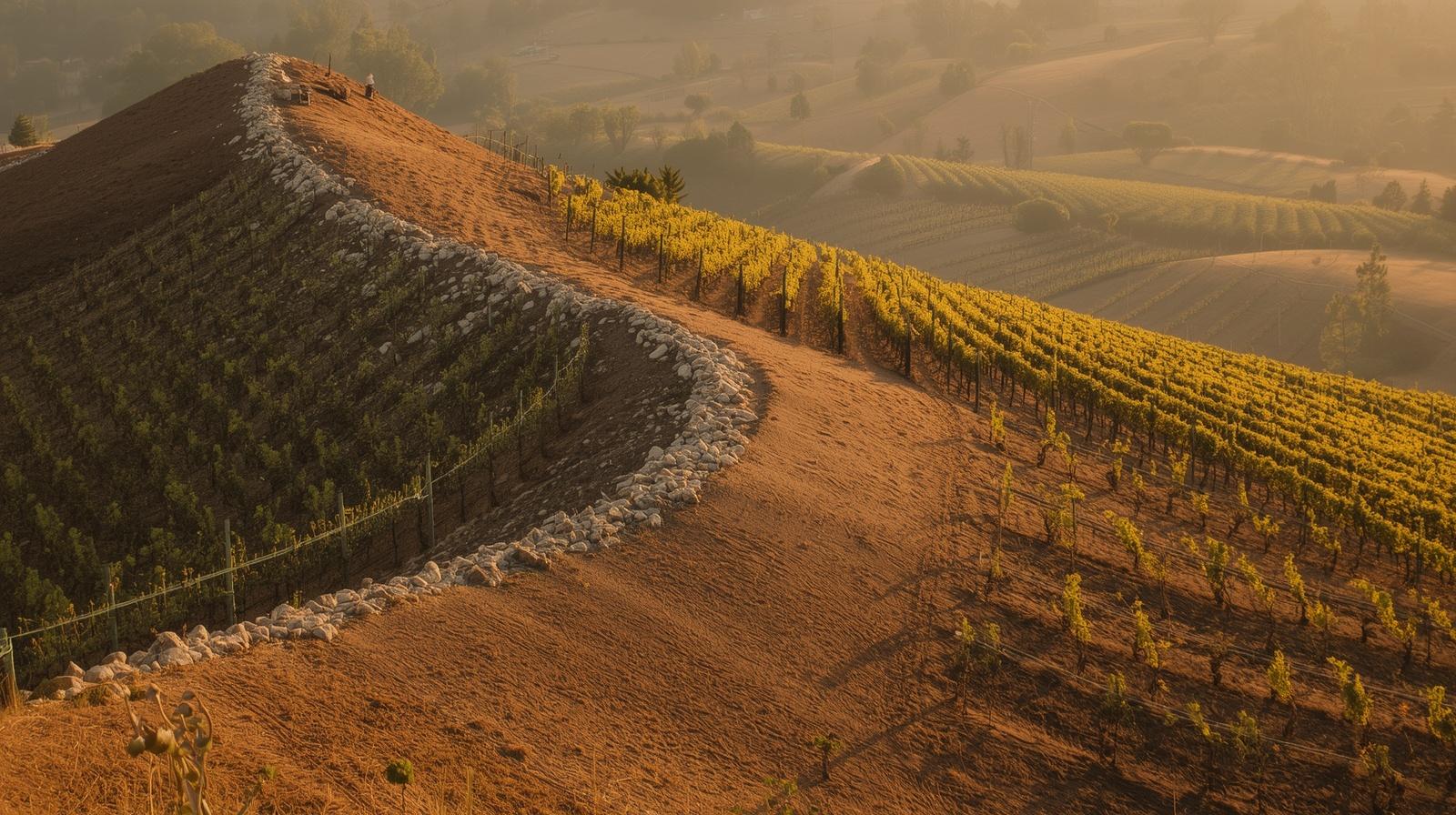
Rutherford Bench soils drain quickly and may require shorter, more frequent irrigation sets. Oak Knoll, with heavier clay, retains moisture longer. Hillside vineyards in Howell Mountain or near Pritchard Hill face entirely different retention challenges.
Water management Napa Valley style is block by block, row by row.
When It Is Best to Learn
Late spring, during bloom and fruit set, is when irrigation strategy begins to show itself. Vineyard managers check emitters and assess early canopy growth.
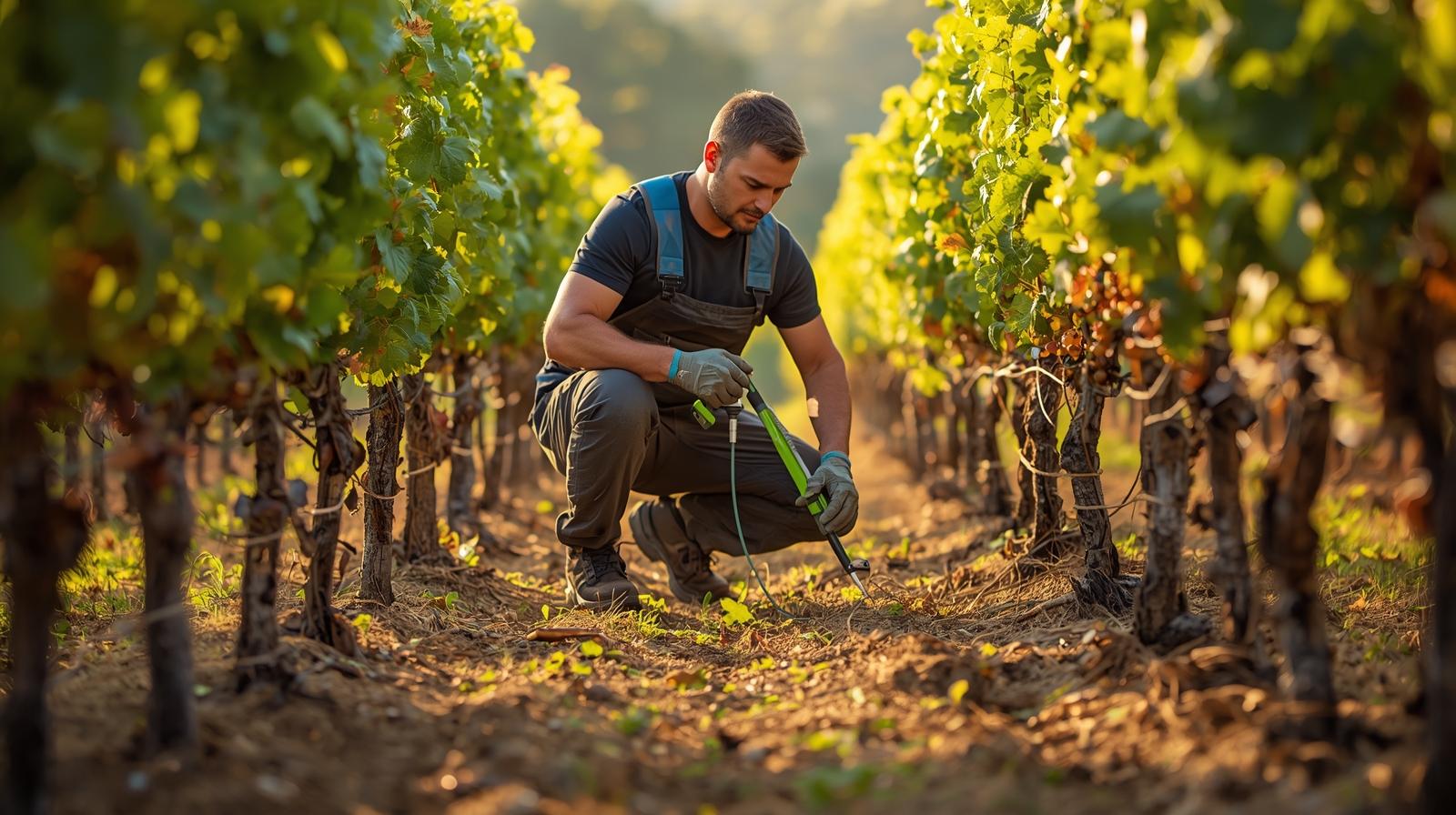
Mid summer, especially July and August, is peak irrigation decision season. Walk through an Oakville vineyard and you may see soil probes or pressure chambers used to measure vine water stress.
By harvest in September and October, irrigation often tapers off. The restraint of summer reveals itself in smaller berries and concentrated flavor.
Midweek vineyard tours offer the best opportunity to ask technical questions without weekend rush.
What Most Visitors Miss
Guests talk about tannins and finish. Farmers talk about evapotranspiration.
Water management Napa Valley includes:
Tracking daily moisture loss through weather stations
Monitoring the Napa River watershed
Using recycled water systems where possible
Irrigating at night to reduce evaporation
Drive along Silverado Trail in late afternoon and look closely at the base of the vines. Those thin black lines are not decoration. They are the hidden infrastructure of sustainable viticulture.
Even frost protection ponds and drainage swales along Highway 29 tell part of the water story.
My Local Notes
When I was younger, I walked vineyard rows with a grower who would crouch down and run soil through his hands. He would close his eyes and say, this block needs a drink by Tuesday.
No sensors. Just instinct built over decades.
That moment shaped how I view farming.
When we developed Estate 8, irrigation planning was one of the most complex conversations we had. I am a little biased since it is close to my heart, but designing a vineyard’s plumbing matters just as much as designing the hospitality space guests see. Slope, drainage, line pressure, soil health. Those decisions quietly shape what ends up in the glass years later.
In Napa, hospitality begins underground.
How to Make Your Visit Memorable
If you are curious about Napa vineyard irrigation and water management:
Request a vineyard focused tour in St Helena or Oakville.
Ask specifically about regulated deficit irrigation.
Visit during summer when drip lines are visible and active.
Drive north on Silverado Trail and observe how hillside vineyards differ from valley floor plantings.
Pay attention to canopy height. Look at leaf angle. Even the posture of a vine tells a story about water.
Where to Stay for an Agriculture Focused Visit
St Helena offers proximity to historic estate vineyards and central access to multiple AVAs.
Yountville provides convenient positioning between Highway 29 and Silverado Trail.
Calistoga places you near hillside plantings and the narrower northern end of the valley.
Boutique lodging near vineyard blocks allows you to see irrigation lines and canopy work early in the morning before tastings begin.