There is something about an old photograph of Napa Valley that stops you.
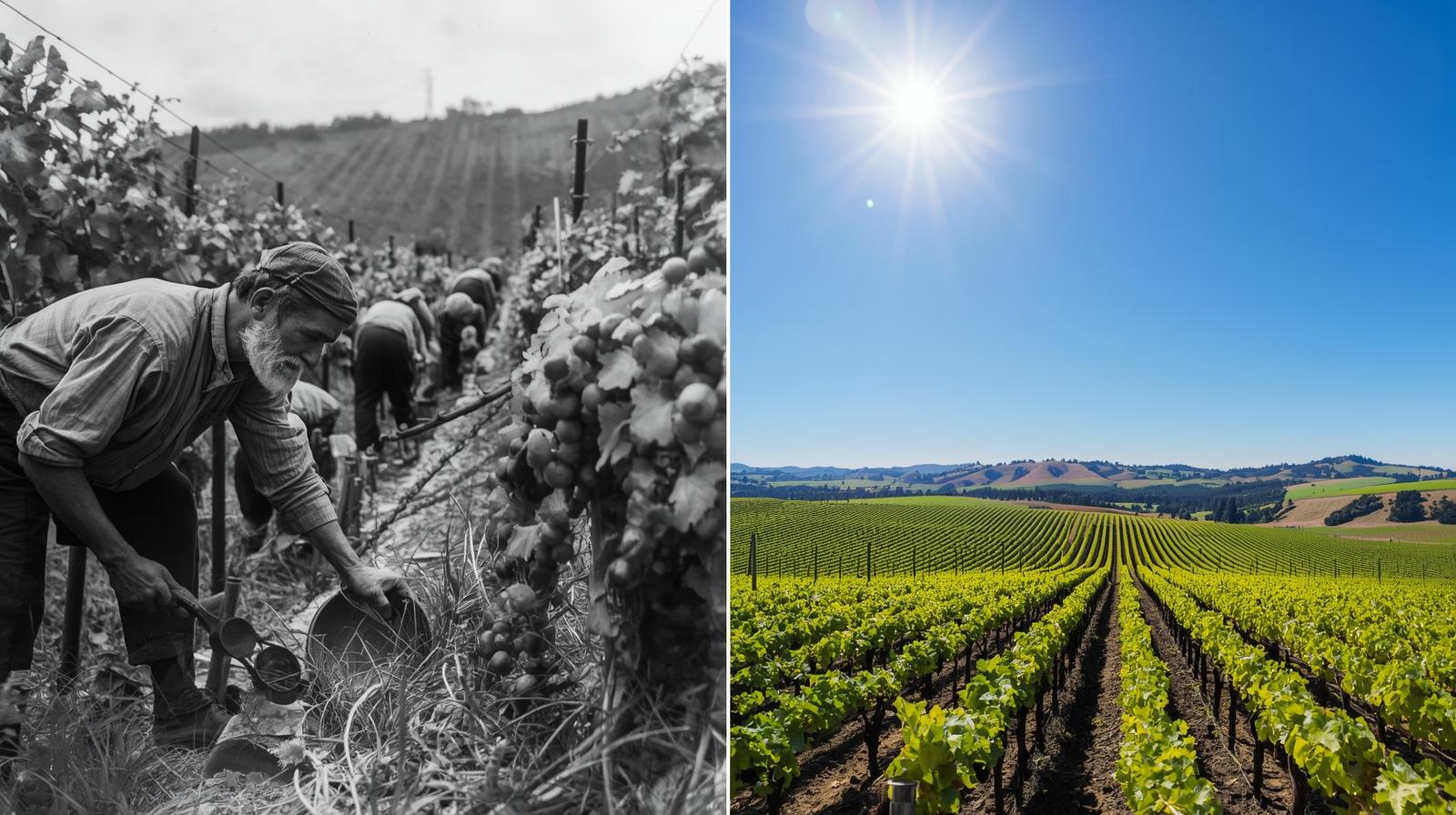
Black and white vineyard rows stretching toward the Mayacamas. Horse drawn wagons rolling down what is now Highway 29. Main Street in St. Helena before tasting rooms, before polished storefronts, before the word Cabernet carried global weight.
If you look closely, you start to recognize the bones of the Valley you know today.
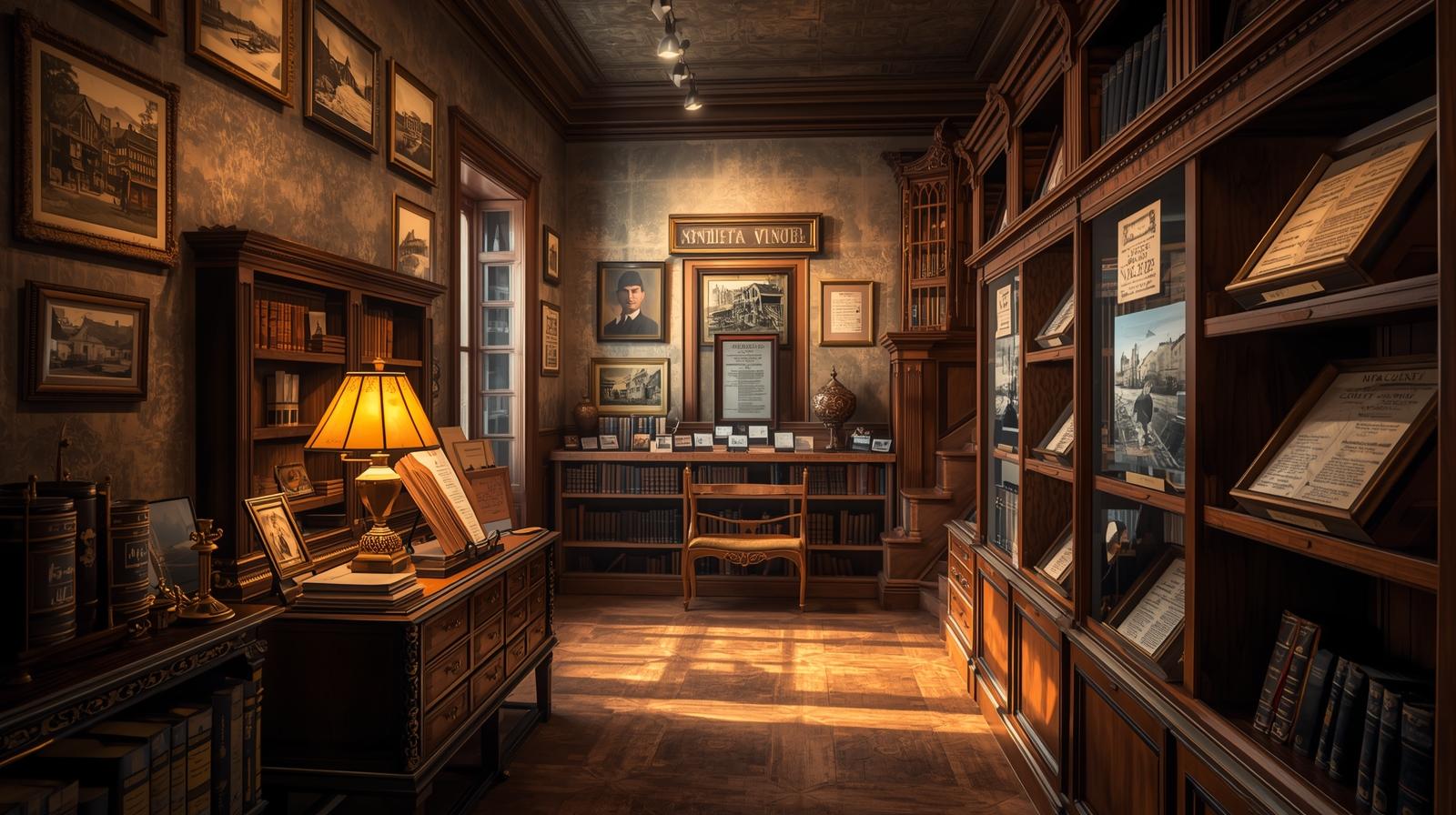
I have always been drawn to Napa archives. Growing up here, I wanted to see what this place looked like before I was part of it. Wine teaches you to think in vintages, but old photographs teach you to think in generations.
For travelers who seek Napa Valley historical photographs, local museums, and preserved archives, this Valley offers more than scenic beauty. It offers memory.
What This Experience Is Really About
Napa archives tell the story behind the label.
Before Cabernet Sauvignon defined Oakville and Rutherford, the Valley was orchards, cattle ranches, and small farming families working the valley floor. Historical photographs show vineyard crews long before modern trellising. They show the Napa River flooding downtown streets before riverfront redevelopment. They show stone wineries sitting silent during Prohibition.
These images are not nostalgic decoration. They are records of resilience.
Phylloxera reshaped entire vineyard blocks. Fires scarred hillsides. Economic shifts nearly erased wineries that are now icons. When you walk through a Napa Valley museum or browse old vineyard maps, you see today’s hospitality through a different lens.
The Valley feels layered. Complex. Earned.
When It Is Best to Visit
Mustard season from January through March is ideal for history lovers. The Valley is quieter. The yellow blooms between vineyard rows mirror the tones of hand colored postcards from the early 1900s.
Late fall after harvest carries a reflective energy. Crush has ended. Tasting rooms slow down. Museum docents and winery historians have more time to share stories.
Pair a morning at the Napa County Historical Society with an afternoon drive along Silverado Trail to see how historic stone facades still stand against the hills.



What Most Visitors Miss
Most guests drive past the history.
To find Napa archives, look for:
The Goodman Library in Downtown Napa, home to the Napa County Historical Society
The Sharpsteen Museum in Calistoga with detailed dioramas of 19th century resort life
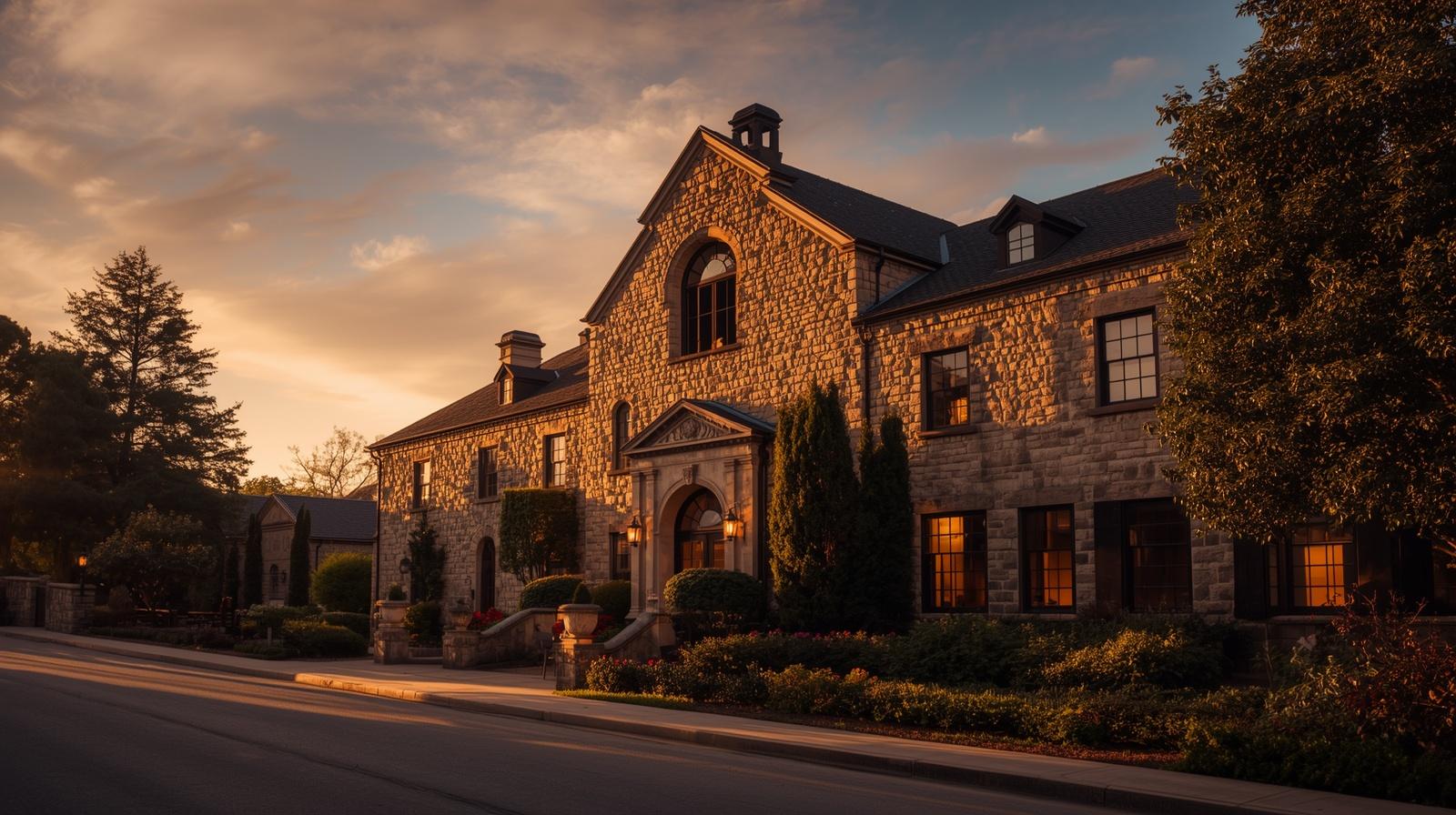
Historic estate wineries in St. Helena such as Beringer with preserved Victorian architecture
Stone ghost winery facades along Silverado Trail that predate Prohibition
Drive north from Yountville Cross Road and notice how the valley floor shifts. Many of those parcels were farmed by the same families for generations. Property lines in old maps often mirror today’s vineyard blocks.
Napa Valley museums and winery archives connect those dots.
My Local Notes
I remember the first time I saw an archival photograph of the Rutherford Bench from nearly a century ago. The vineyard rows were familiar, but the hillsides were bare. No estates on the ridgelines. No manicured landscaping. Just land and sky.
It made the Valley feel both fragile and enduring.
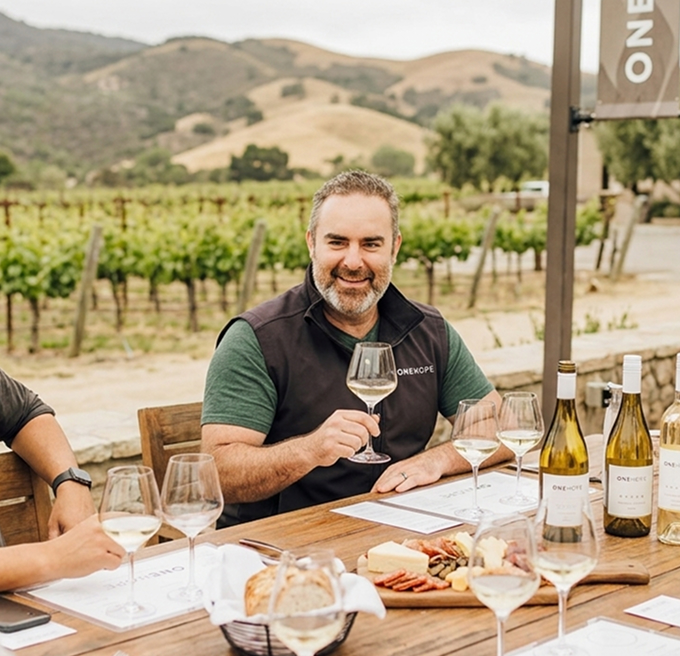
At Estate 8, I am admittedly a little biased, but we display imagery that reflects the agricultural lineage of our specific plot. I want guests to understand they are not just tasting a recent vintage. They are participating in a story that stretches back more than a century.
Growing up here taught me that hospitality should acknowledge history. You cannot truly host someone in Napa without understanding what came before you.
A History Lover’s Itinerary
Morning in Downtown Napa
Begin at the Napa County Historical Society inside the Goodman Library. Explore property records, Paris Tasting documentation, and early civic photographs.
Midday in Yountville
Visit the Napa Valley Museum. Walk the former Napa Valley Railroad corridor and imagine steam engines carrying goods through the valley floor.
Afternoon in St. Helena or Rutherford
Book a tour at a historic winery. Ask about pre Prohibition ownership, hand dug caves, and vineyard replanting after phylloxera.
Evening Drive
Take Silverado Trail south as the late afternoon light settles over the vines. Imagine stagecoaches and silver mining routes that once defined the same road.