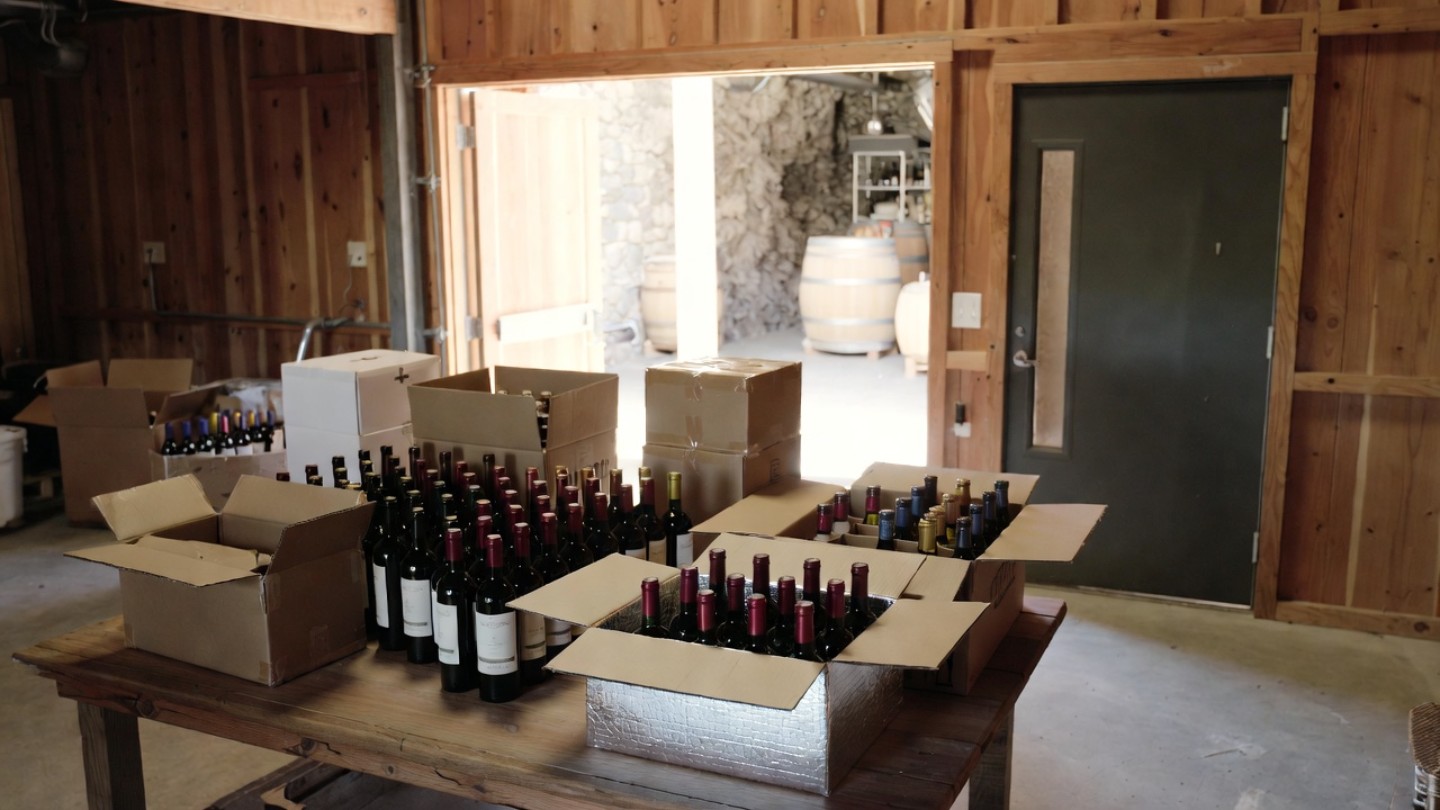
It usually happens at the end of a good tasting. A few bottles rest on the counter. There is a pause. Someone finally asks the practical question that always comes last. How do we actually get these home?
In Napa Valley, especially for visitors coming from San Francisco, shipping wine is not an afterthought. It is part of the hospitality rhythm. Done well, it protects the wine, respects the season, and lets you enjoy the drive back across the Golden Gate or Bay Bridge without worrying about what is warming in the trunk.
What This Experience Is Really About
Learning how to ship wine is really about understanding how vulnerable a bottle can be once it leaves the cellar.
Temperature swings, vibration, and sunlight all work against wine, especially during warmer months. Napa wineries are set up to manage those risks because they live with them every day. Shipping allows you to stay present in the valley rather than tracking weather apps and calculating how long wine has been sitting in a parked car.
For San Francisco visitors, shipping turns a day trip into something that lasts. The wine arrives later. When it does, the memory comes with it, intact.
When Shipping Matters Most
Late spring through early fall
This is the highest risk season. Even a mild Napa afternoon can turn a car interior into an oven.
Harvest season from August through October
The valley is busy and bottles move constantly. Shipping keeps wine protected during long, active days.
Long tasting itineraries
If you buy your first bottle at 11:00 am and keep tasting all afternoon, that wine has been exposed for hours. Shipping removes that variable.
Local note: Napa heat is dry and deceptive. Wine warms faster here than most visitors expect.
Ways to Bring Wine Home to San Francisco
Ship Directly from the Winery
Most wineries offer shipping at the point of sale using insulated packaging and weather monitoring.
Pros:
Safest option. No lifting. No temperature worries.
Cons:
You wait a few days for delivery.
Use a Professional Wine Shipping Service
Several Napa based services specialize in packing and shipping bottles purchased from multiple wineries along Highway 29 or Silverado Trail.
Pros:
Ideal for mixed cases and small producers.
Cons:
Requires a separate stop or coordination.
Carry Wine Yourself During Cooler Months
This can work in winter or early spring for small quantities.
Guidelines:
- Keep bottles out of direct sunlight
- Use padded wine carriers or cooler bags
- Never leave wine in a parked car
If you stop for lunch in Yountville or at Oxbow Public Market, plan accordingly.

What Most Visitors Miss
Legal requirements
An adult signature is required upon delivery in California. Shipping to an office or staffed location often works best.
Weather holds
If a winery suggests delaying shipment due to heat, it is a sign of care, not inconvenience.
Packaging differences
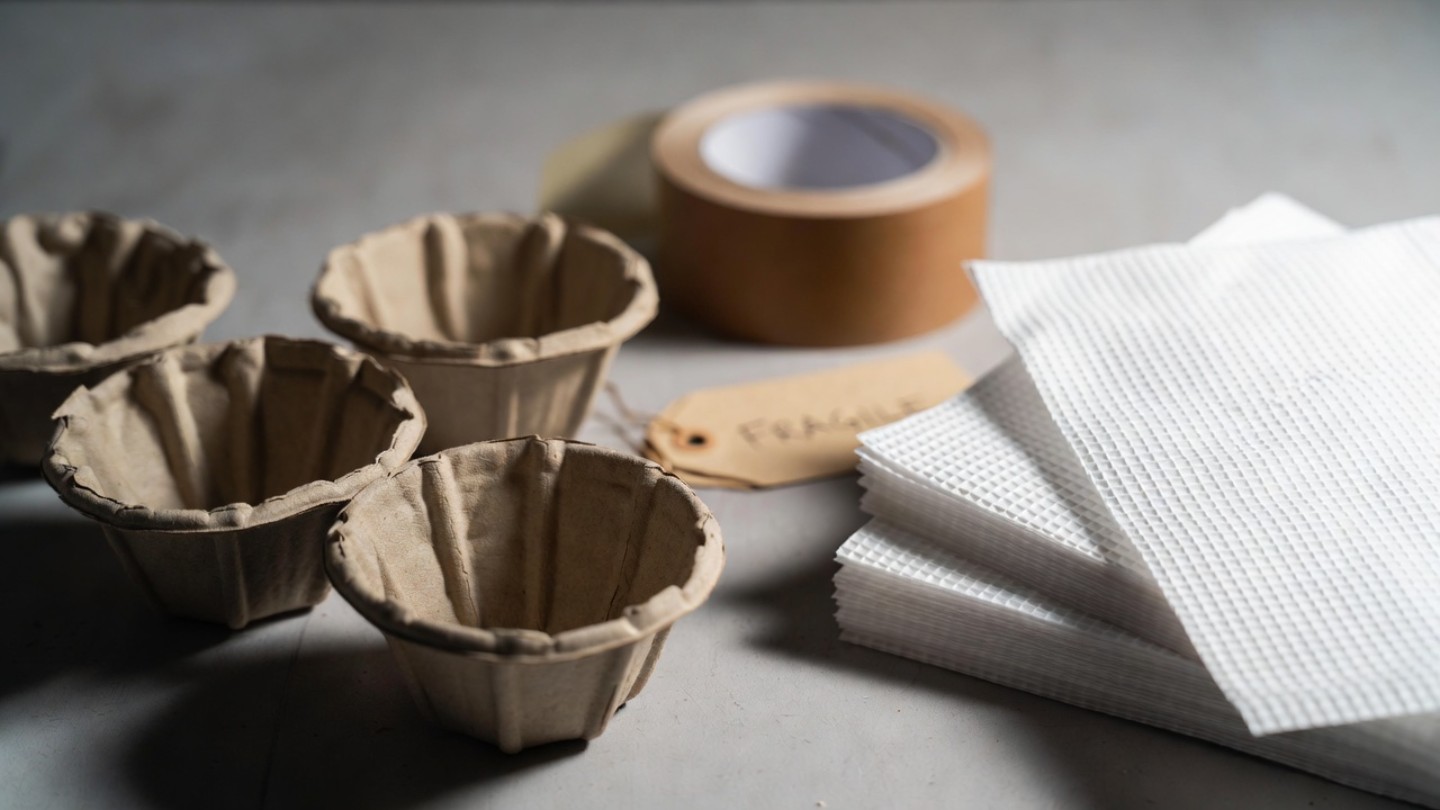
Sustainable pulp shippers are increasingly common. For higher end bottles, ask about thermal liners during warmer months.
A Short Personal Moment
Years ago, I remember carrying a few special bottles back to San Francisco, wedged carefully into a suitcase, checking the forecast more often than the traffic on the bridge. These days, I almost always ship. Wine deserves the same care on the way home as it did in the vineyard.
A Gentle, Honest Note from Me
I will admit a little bias. ONEHOPE and Estate 8 are deeply personal to me, and we spend a lot of time thinking about what happens to wine after it leaves the property. Shipping is not about convenience. It is about respect for what is in the bottle and the people who brought it there.