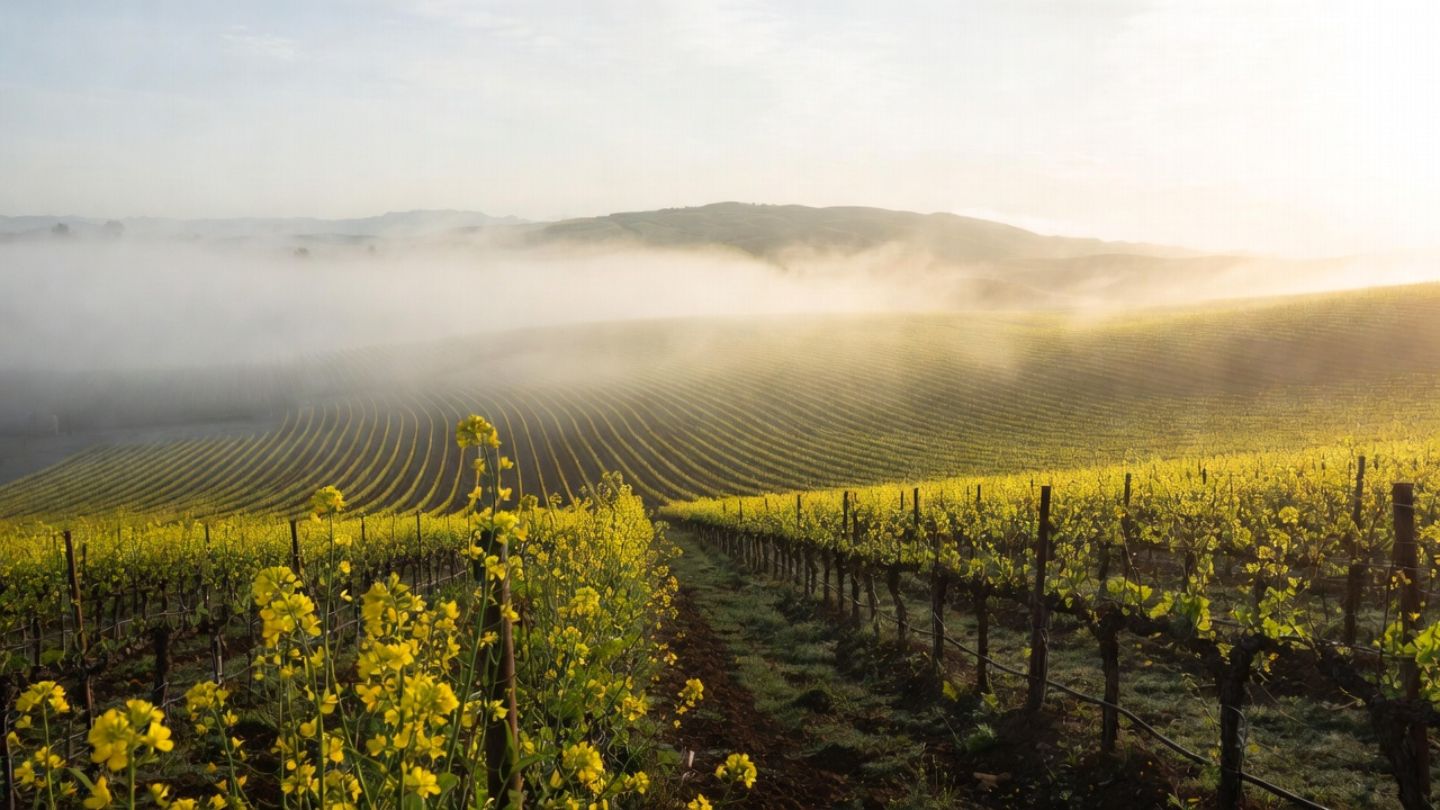
Every spring, just as the Peninsula hills begin to fade from green to gold, Napa Valley is quietly coming alive. Wild mustard spreads in soft yellow ribbons across the valley floor. Poppies and lupine emerge along fence lines and creek beds. The light stretches longer into the evening, and the valley settles into that early-season calm locals wait for all year.
If you live in San Mateo County and love seasonal blooms, Napa offers a slower, more immersive version of spring. Less like a formal garden and more like a landscape breathing on its own terms.
What This Experience Is Really About
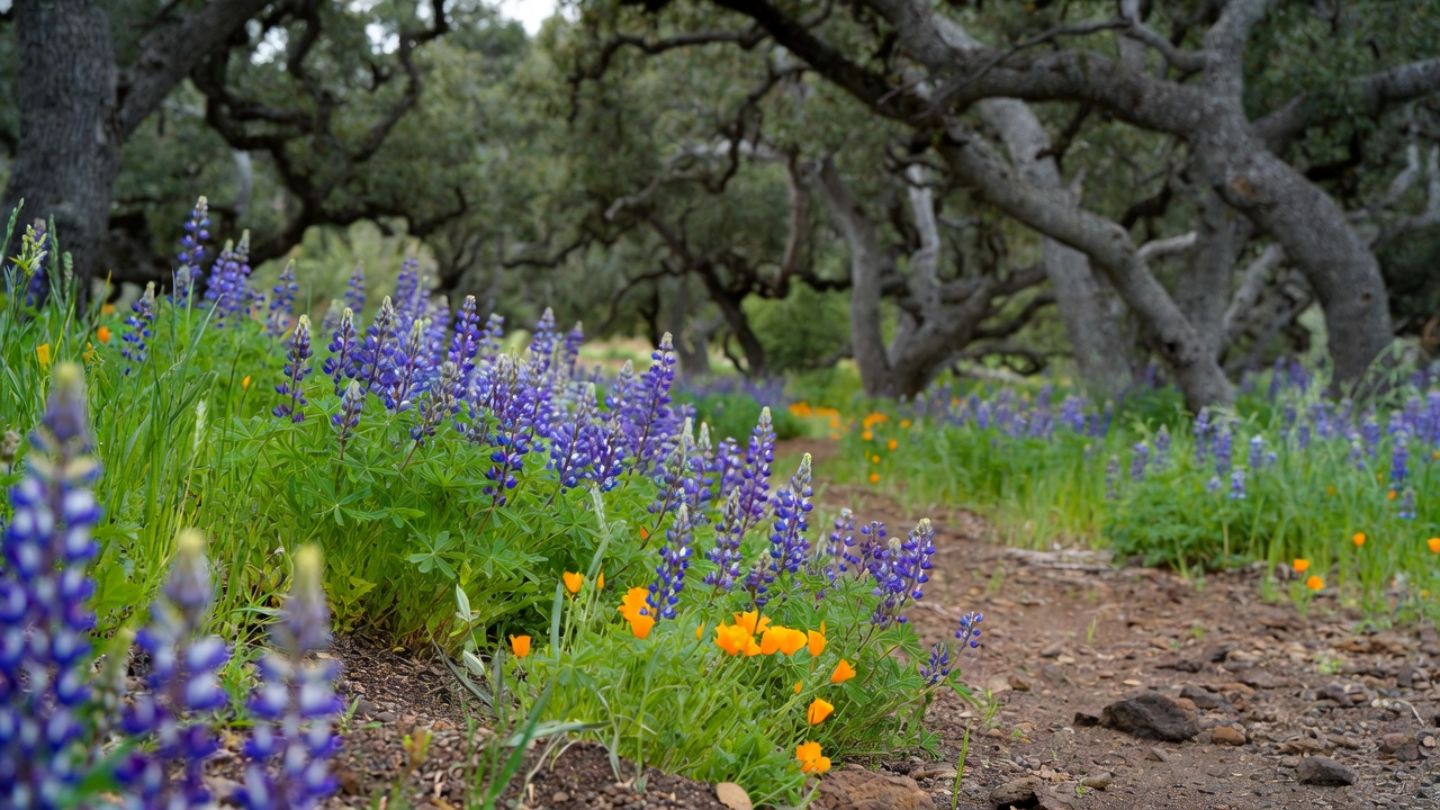
This is not a traditional garden tour. Napa’s spring beauty comes from flowers living inside a working agricultural landscape. Vineyards are edged with mustard. Olive groves are underplanted with native cover crops. Trails reveal poppies and wild iris that shift each year depending on winter rainfall.
For Peninsula visitors accustomed to the structured beauty of Filoli or the coastal scrub of Pulgas Ridge, Napa feels looser and more alive. The blooms are not staged. They arrive alongside bud break, the moment when dormant vines wake and the growing season officially begins.
When It Is Best to Visit for Blooms
- Late February to March: Wild mustard carpets vineyard rows in bright yellow
- March to April: Peak wildflower season for poppies, lupine, vetch, and wild iris
- April to early May: Garden roses, flowering trees, and native grasses emerge as vines begin to flower
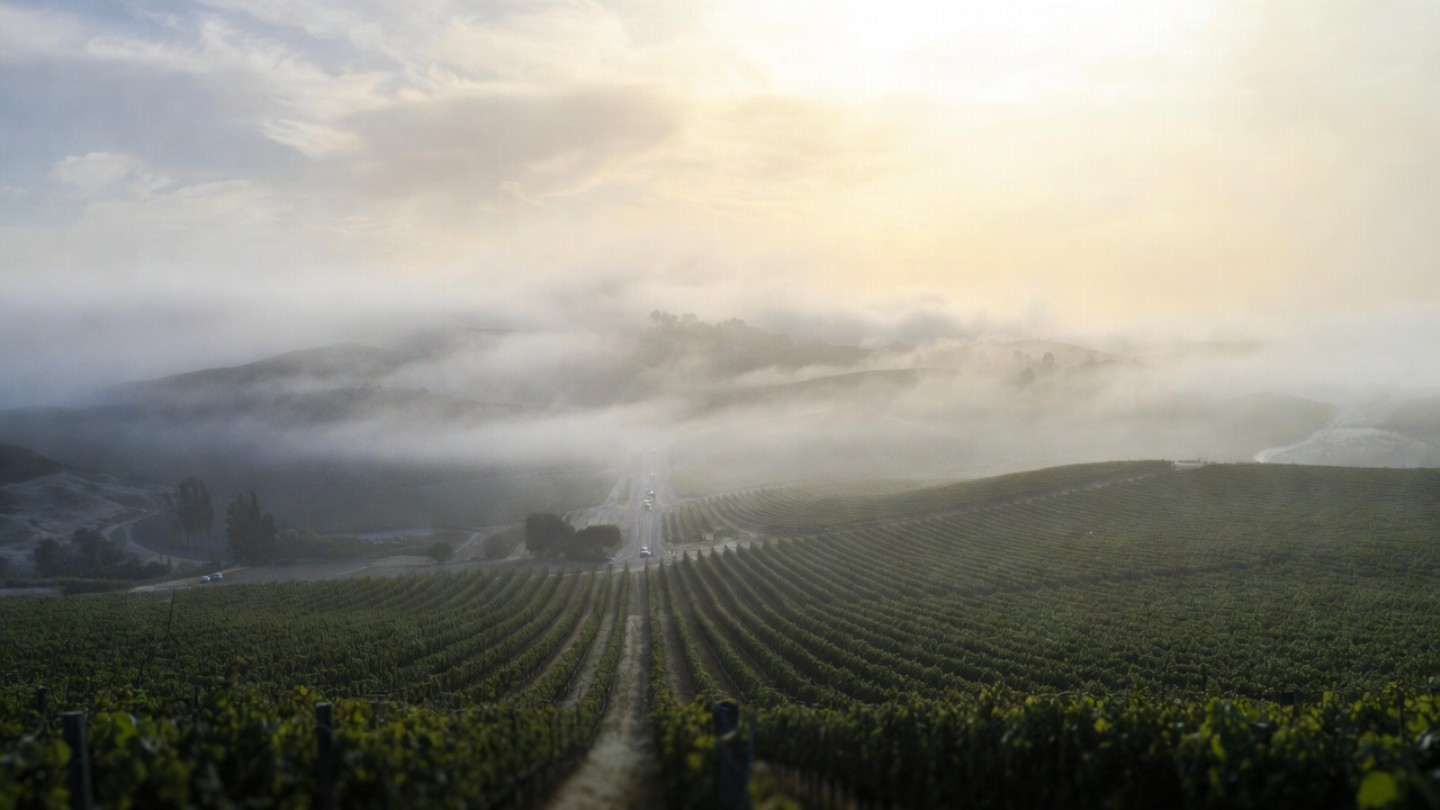
Local note: Morning light is best, especially after the fog lifts off the valley floor. Midweek visits, Tuesday through Thursday, are quieter and more reflective. Around here, that is what we call the truer Napa.
Wildflower Routes Worth the Drive from the Peninsula
Silverado Trail north of Yountville
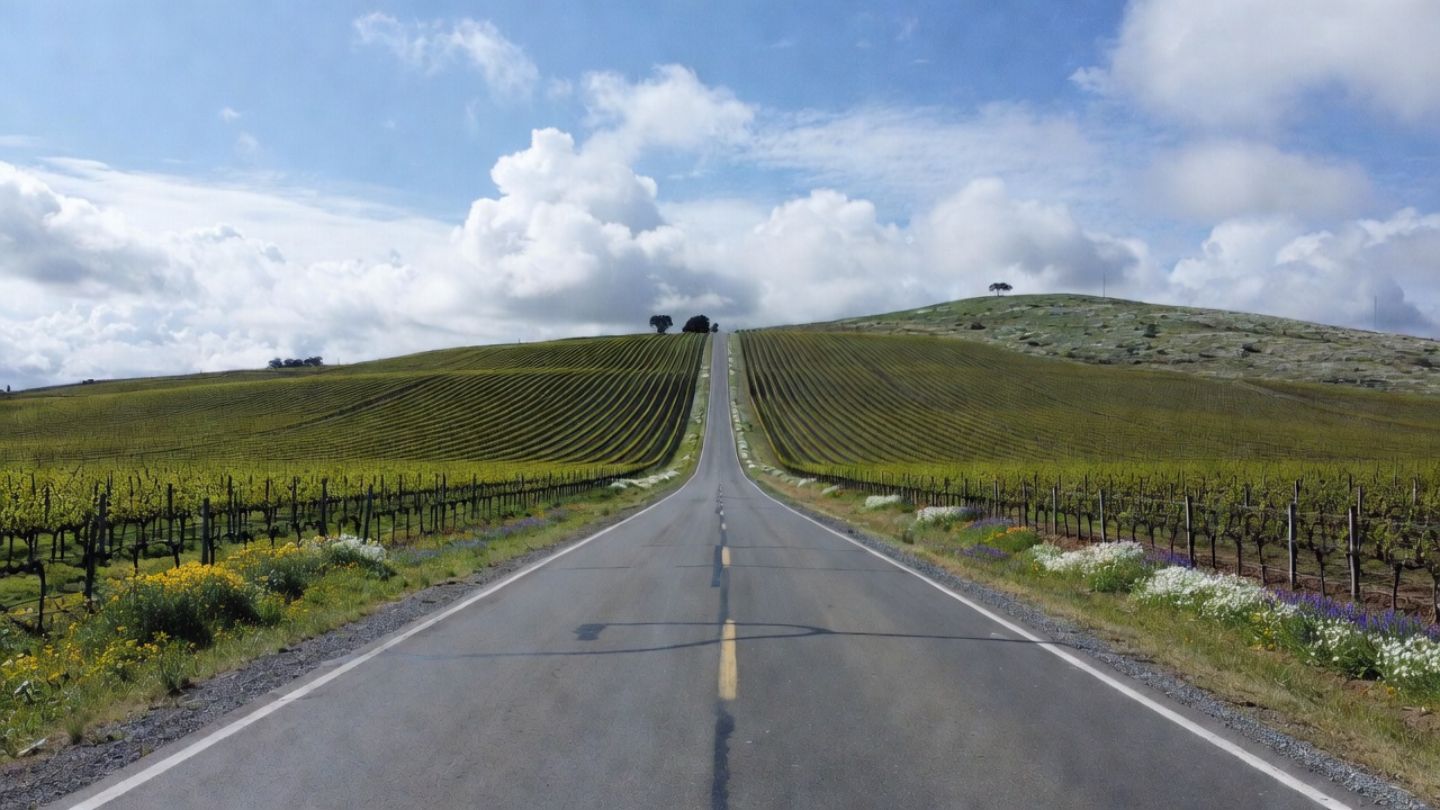
This quieter alternative to Highway 29 offers wide vineyard views, especially in early spring when mustard runs between the rows. It is less about pullouts and more about driving slowly and letting the color unfold.
Dry Creek Road and Oak Knoll
Low elevation roads where wildflowers appear along fences and seasonal creeks. Alston Park, just off Dry Creek Road, offers open grasslands and meadow trails that locals return to every spring.
Lower Mount Veeder Road
Here the valley meets oak woodland. Native grasses and forest blooms thrive in the cooler shade, shaped by a microclimate influenced more by elevation than marine air.
Lake Hennessey and Skyline Wilderness Park
These are local favorites for seeing lupine, poppies, and goldfields in a wilder setting, especially after a wet winter.
Gardens and Cultivated Spaces to Pair with
Yountville Gardens and Pathways
A curated, walkable experience that pairs well with lunch in town and a slow afternoon stroll.
Bothe-Napa Valley State Park
More than ten miles of trails through redwood groves, fern-lined creeks, and open meadows. Spring here feels cooler and quieter than the valley floor.
Private Estates viewed from the road
Many vineyards plant mustard and legumes as cover crops to support soil health and pollinators. These agricultural gardens are often most beautiful when seen in passing along Silverado Trail.
What Most Visitors Miss
Spring in Napa is subtle. The best bloom moments happen between destinations.
- The mustard glow: Yellow intensifies just before sunset when light reflects off the valley floor
- Stone wall clusters: Wildflowers often gather near historic stone walls on older properties
- Agricultural rhythm: Bud break creates a vivid green backdrop that changes almost daily
This season rewards patience more than planning.
How to Make It a Perfect Day Trip from San Mateo County
Morning
Leave after 9:00 am to avoid commuter traffic. Cross via Highway 92 and enter Napa from the south.
Midday
Spend time in Yountville or Oak Knoll. Walk gardens, enjoy a casual lunch, and keep the pace unhurried.
Afternoon
Drive a stretch of Silverado Trail or walk a trail at Skyline Wilderness Park to see native blooms up close.
Late afternoon
Let golden hour guide your route back. This is when Napa’s spring color feels most alive.
A Small Personal Note
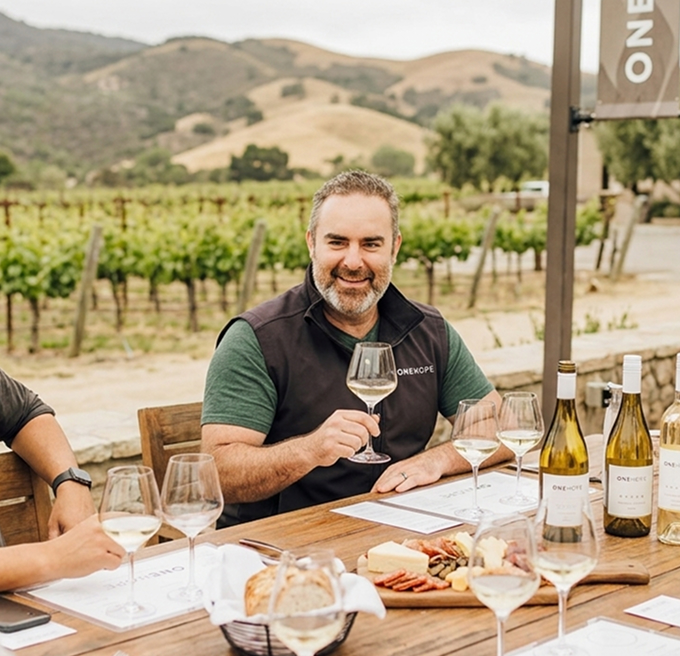
I will admit a little bias here. Estate 8 and ONEHOPE are very much my passion projects, and both grew from the belief that agriculture and beauty should exist side by side. One spring afternoon, while walking the rows as mustard bloomed at our feet and vines began to wake, I was reminded that Napa’s seasons are not something you visit. They are something you step into.