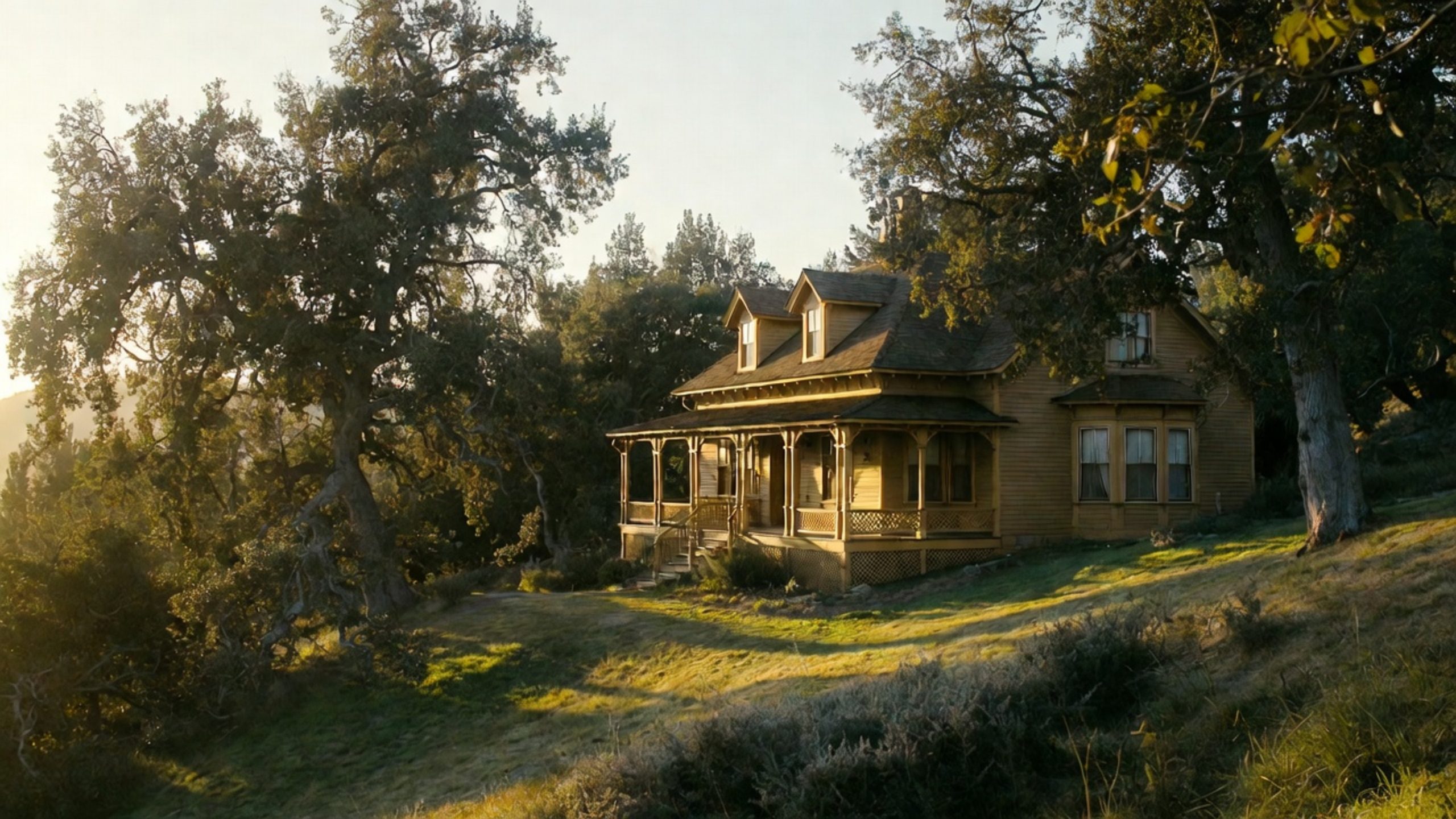
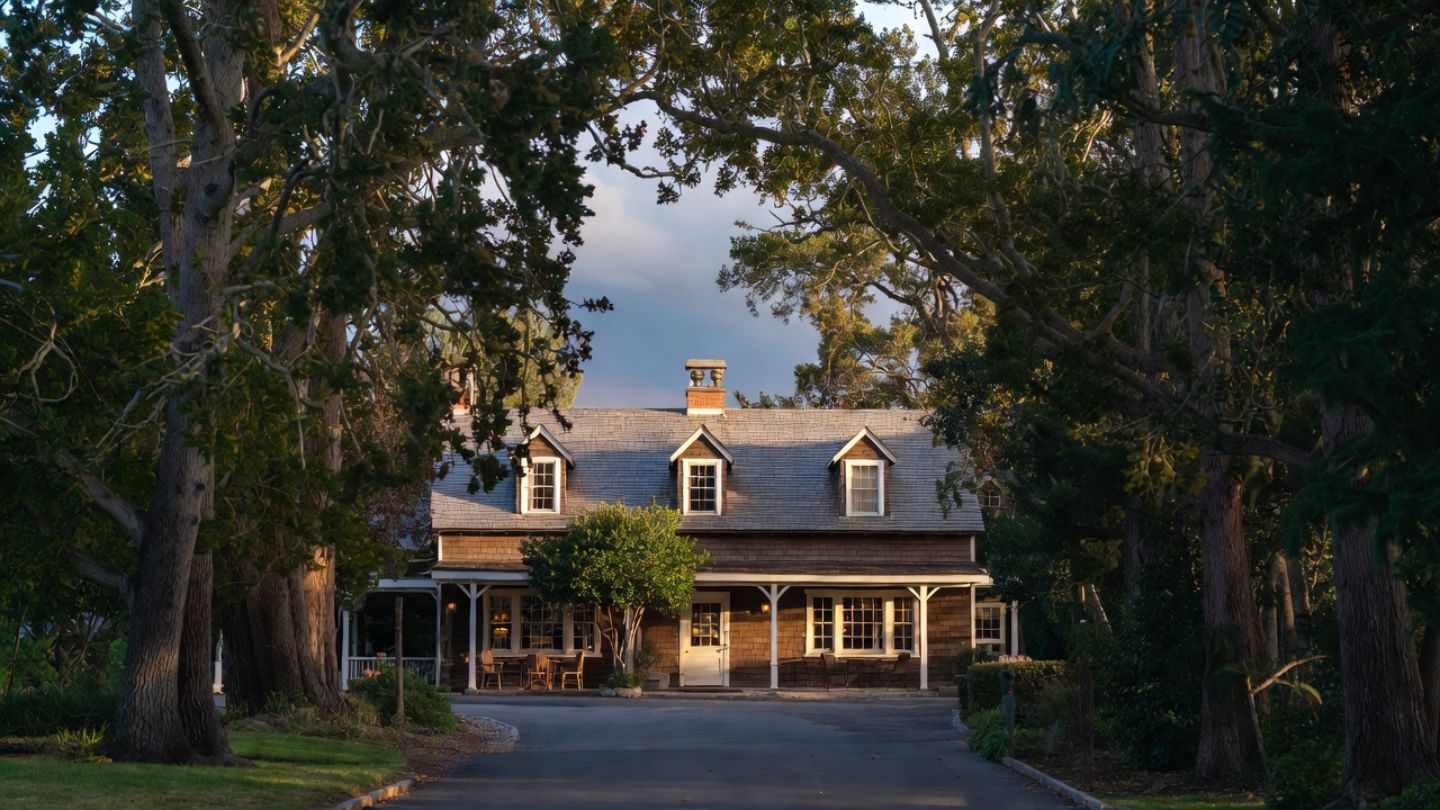
For travelers crossing over from Contra Costa, Napa does not need to feel grand to feel special. Some of the most memorable stays in the Valley happen behind unassuming gates, in old farmhouses turned inns, or in places where the host still asks how your drive was and actually waits for the answer.
This is Napa at a human scale. Fewer rooms. Thoughtful design. Mornings that start quietly and evenings that unfold without urgency. For East Bay travelers who value character over endless amenity lists, boutique hotels offer a deeper sense of place and a slower relationship with the Valley.
This guide is for Contra Costa guests who want a stay that feels lived in, intentional, and rooted in Napa rather than styled for a brochure.
What This Experience Is Really About
This is not about luxury as scale. It is about intimacy and intention.
Boutique hotel travelers tend to value:
- Quieter mornings and fewer shared spaces
- Architecture with a clear point of view or connection to Napa’s past
- Walkable access to town greens, bakeries, coffee shops, and dinner
- Hosts who offer thoughtful recommendations instead of printed itineraries
Napa does this especially well when you stay small.
When It Is Best
Spring and fall strike the best balance. Towns feel alive without feeling crowded, and evenings invite lingering.
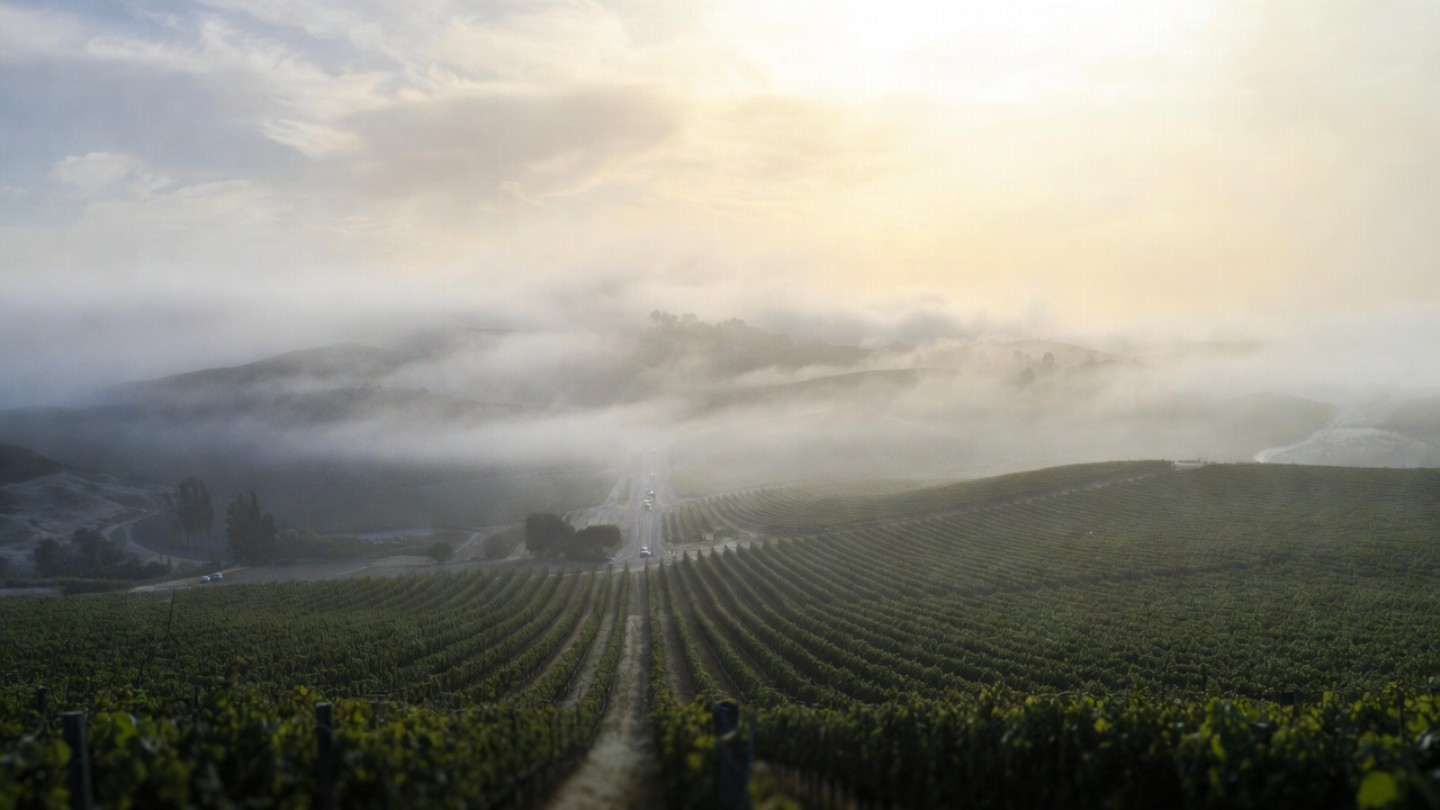
Winter is an underrated favorite. Fires are lit. Fog settles low over the Rutherford benchlands. The Valley feels like it belongs to the people staying in it, not just passing through for the day.
For Contra Costa travelers, avoiding peak weekend arrival times makes the transition gentler.
What Most Visitors Miss
Many visitors treat hotels as a place to sleep between tastings. Locals know the right stay shapes the entire trip.
Boutique inns often set the rhythm. Breakfast conversations turn into better winery suggestions. Courtyards invite you to sit longer. Mornings start slower and the rest of the day follows suit.
Where you stay matters as much as where you taste.
My Local Notes
Napa town:
The strongest concentration of small inns, especially near the river paths and downtown core.
Yountville:
Polished but neighborly, with an easy morning rhythm once the day visitors arrive later.
St Helena:
The most residential feel, especially at night when the sidewalks empty out.
Directional cue:
When driving north on the Silverado Trail, watch for smaller, tucked-back entrances just past Yountville Cross Road. Some of the best stays do not announce themselves loudly.
A Short Personal Memory
Some of my favorite Napa mornings started at small inns where breakfast felt like a shared ritual rather than a service. A few guests at the table. Someone recommending a quiet backroad or a producer most visitors miss. No urgency to leave.
Those stays shaped how I think about hospitality. It is not about scale or polish. It is about care. That idea has stayed with me.


A Simple Napa Overnight From Contra Costa
If you only have one night:
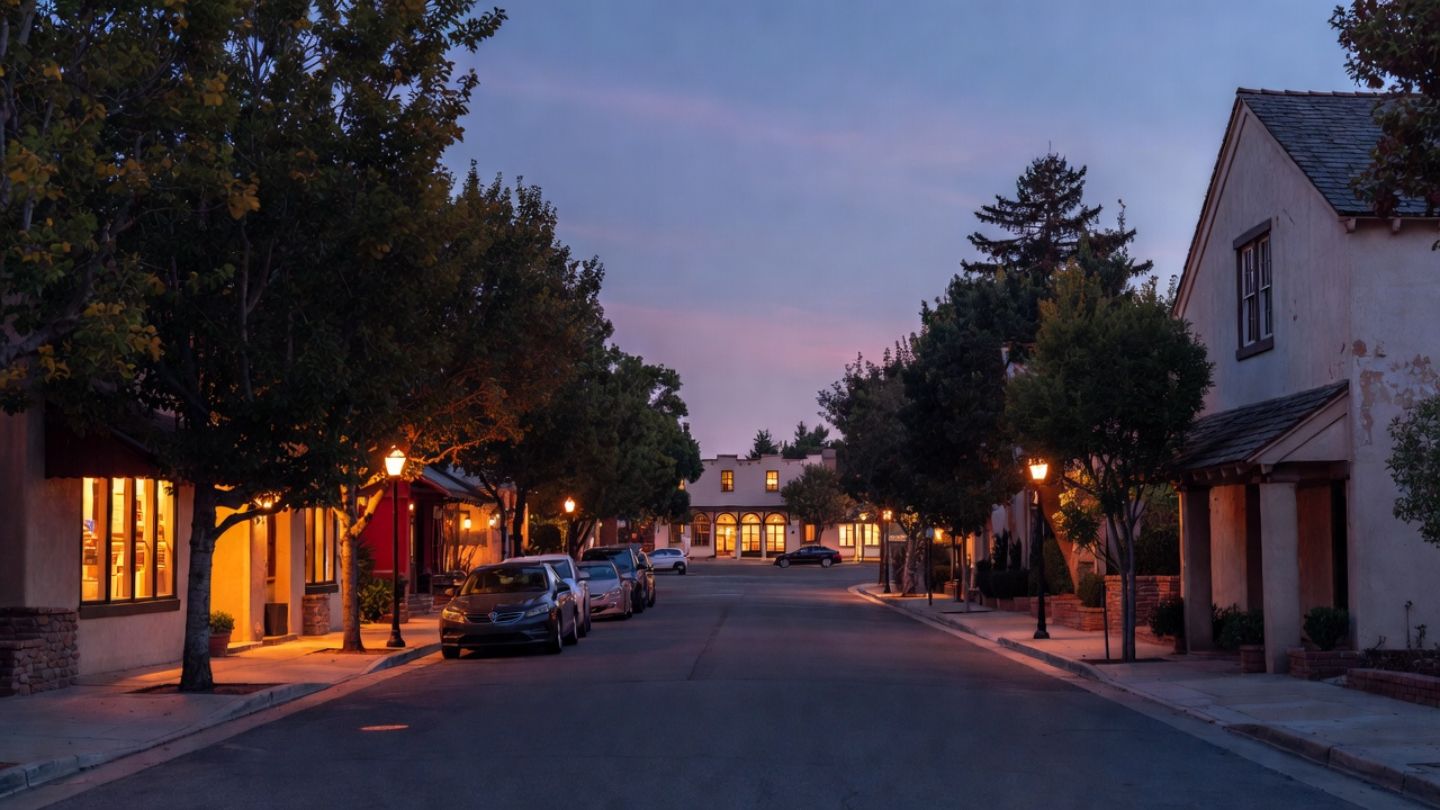
Arrive late afternoon, check in, and walk to dinner nearby. Wake early for a quiet stroll or a short drive through the vines before breakfast on site.
If you have two nights:
Use the first evening to settle in and explore town on foot. Let the second day unfold around one or two small wineries recommended by your host.
The goal is not coverage. It is comfort.
A Note on Hospitality and Purpose
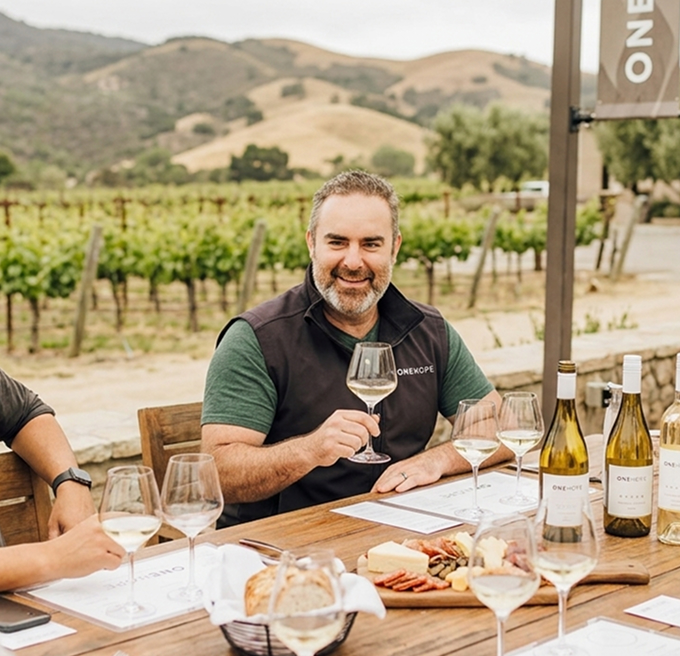
I will admit a little bias. ONEHOPE Winery and Estate 8 were built around the belief that hospitality should feel personal, not performative. Whether it is welcoming guests into our home or recommending a small inn to friends, the goal is the same. To make people feel seen, not processed.
That spirit is the quiet heartbeat of Napa.