If you live in San Jose, food usually comes first. Reservations matter. Menus get saved. Restaurants anchor weekends long before anyone asks what wine will be poured. That instinct translates beautifully to Napa, even though most visitors experience the valley in reverse.
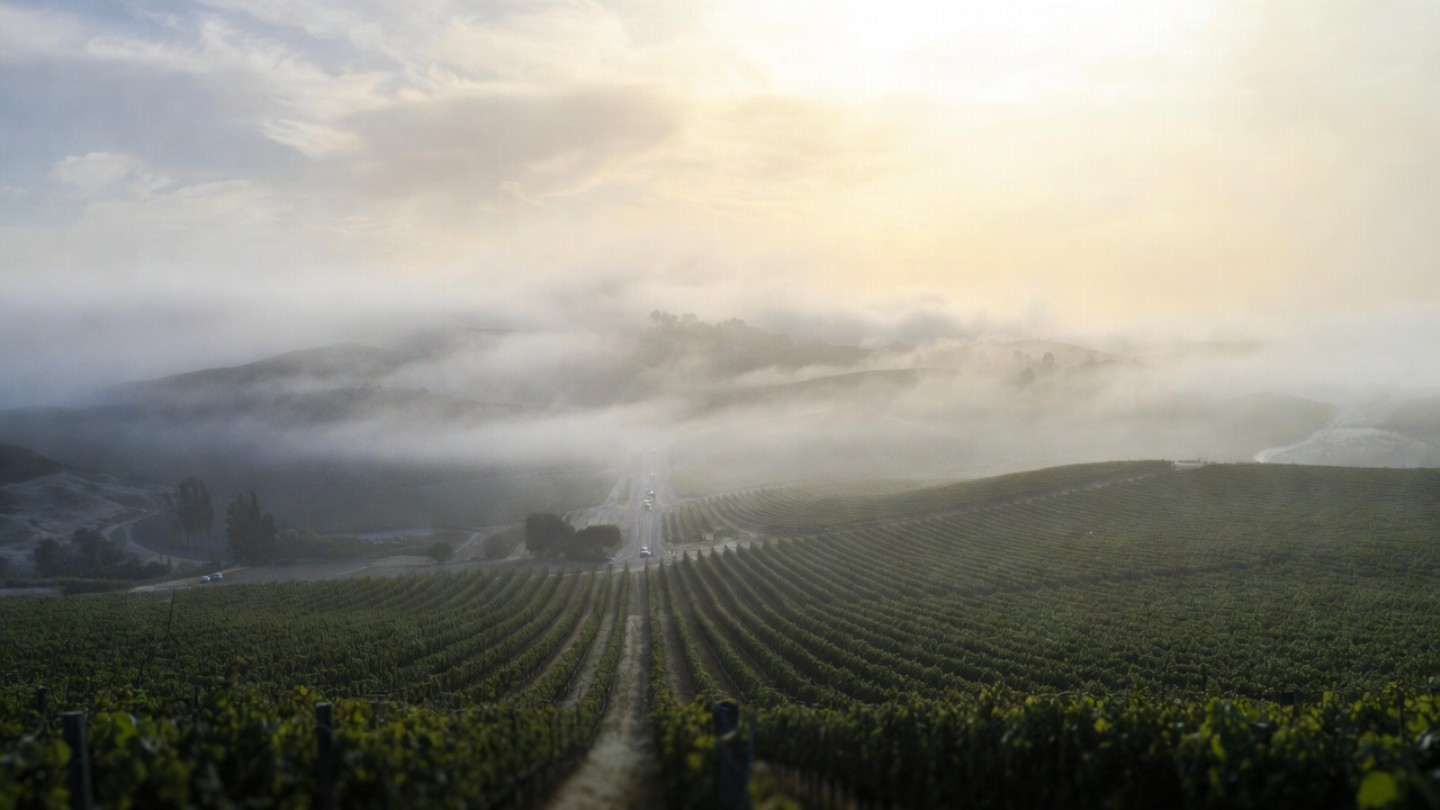
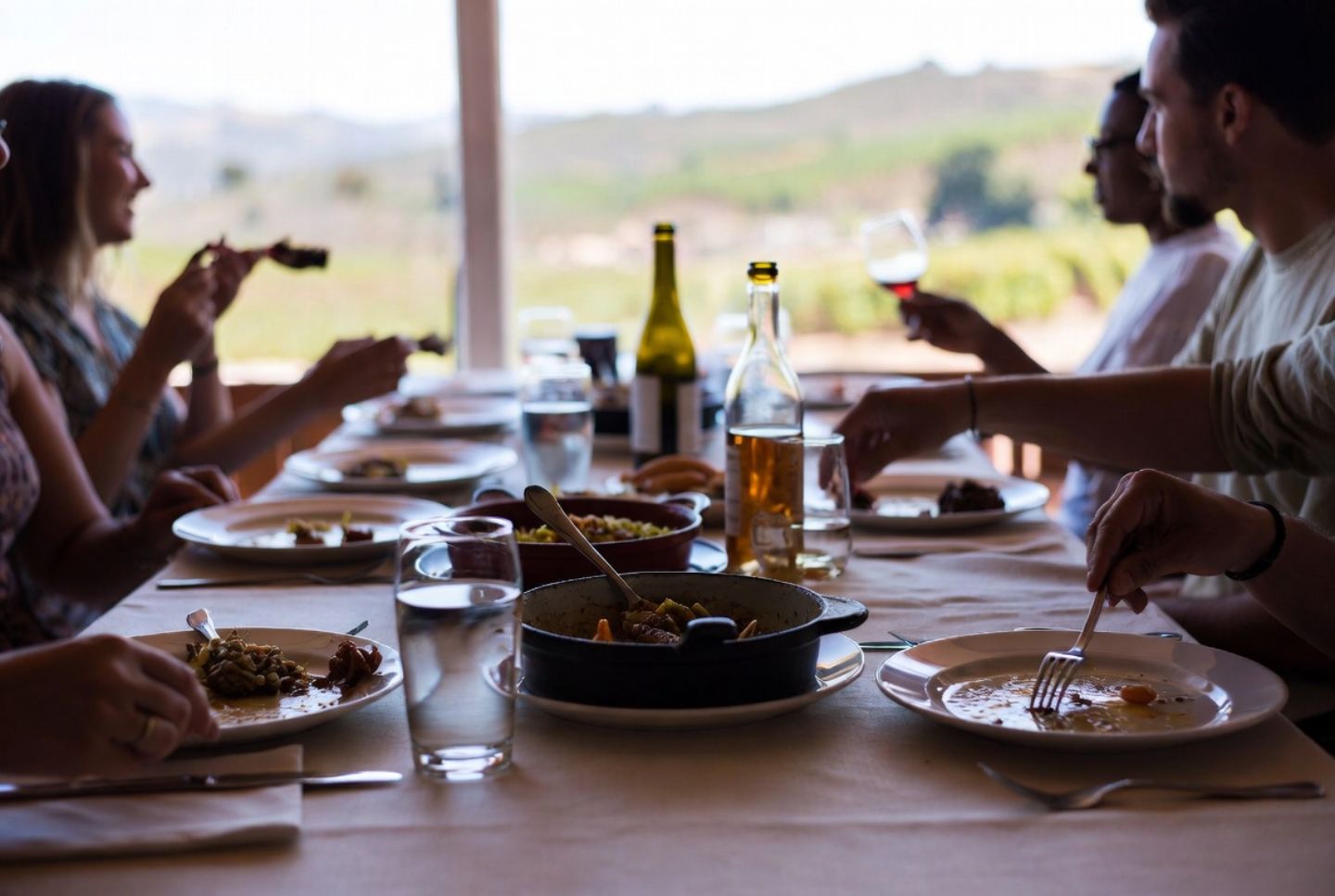
Napa makes the most sense when meals lead and wine fills in the space around them. When you plan the table first, the rest of the day settles into a calmer rhythm. Tastings feel more connected. Wines taste better. The valley feels less like a checklist and more like a place built for lingering. For South Bay travelers, this approach feels intuitive, and Napa rewards it.
What This Experience Is Really About
This is not about pairing a specific dish to a specific bottle. It is about letting food set the pace.
When meals lead the itinerary, wine becomes part of the conversation rather than the event itself. You taste with context. You slow down naturally. Instead of chasing volume, you start noticing texture, acidity, and how wines behave at the table. That is when Napa feels most honest.
For San Jose travelers who already organize life around where they are eating, this way of moving through the valley feels familiar.
A Short Personal Story
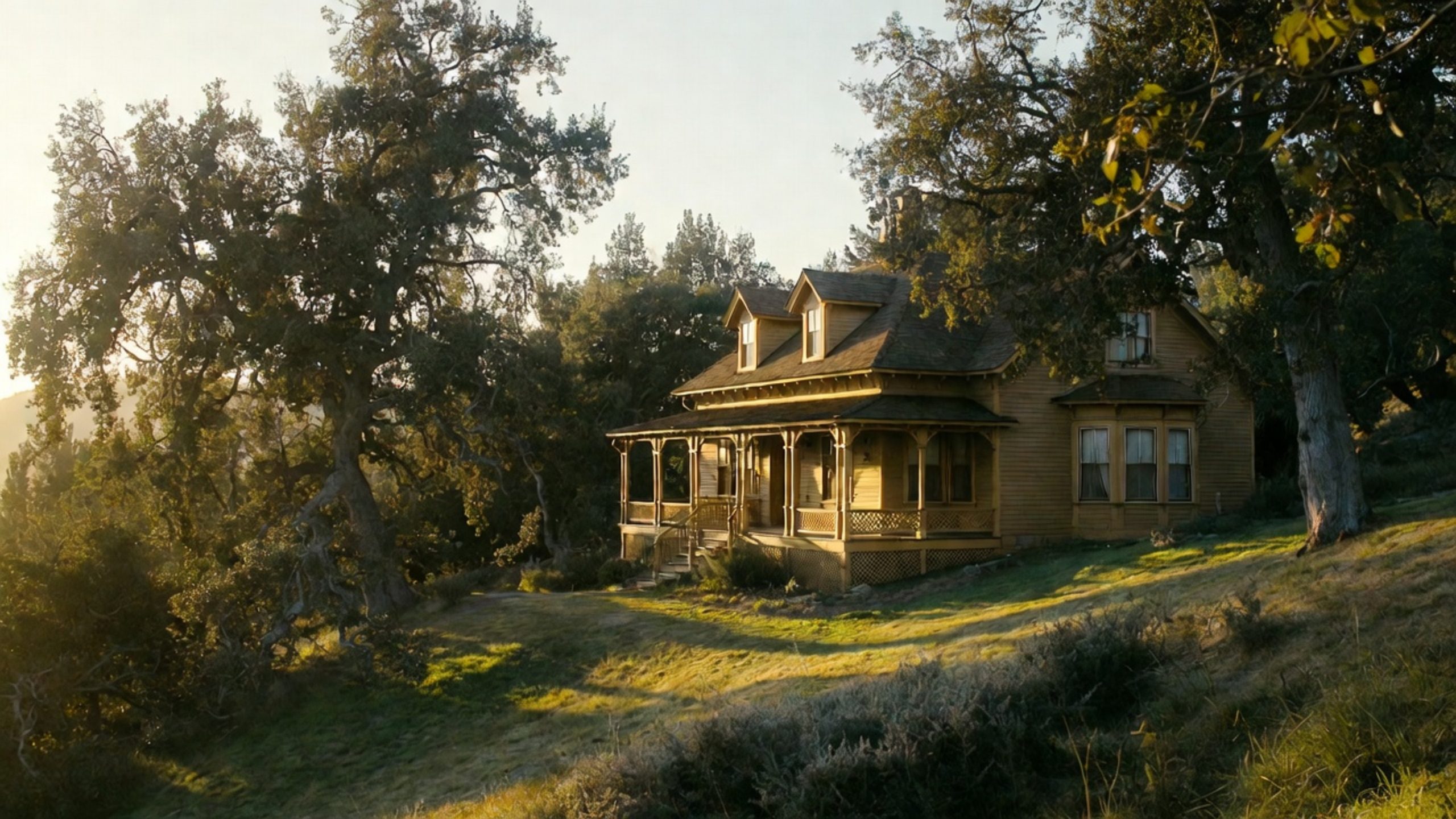
Growing up here, some of my favorite Napa memories had nothing to do with formal tastings. They were long lunches that quietly turned into late afternoons. Plates cleared. Someone opened a bottle almost as an afterthought. The wine always tasted better then, calmer, more expressive, like it finally had room to breathe.
That rhythm still feels like the most truthful way to experience Napa.
Where Food First Napa Comes Together Best
Yountville
Yountville is built for walking and eating. Kitchens, gardens, and tasting rooms sit close together, which keeps the day relaxed. You can have a serious meal and still make it to a tasting without watching the clock.
Local cue: Just off Yountville Cross Road, the density of kitchens and gardens tells you exactly what the town values.
St Helena
St Helena feels more grounded and agricultural. Kitchens here lean heavily into seasonal sourcing from the Rutherford benchlands and surrounding farms. This is where long, unhurried afternoons make sense.
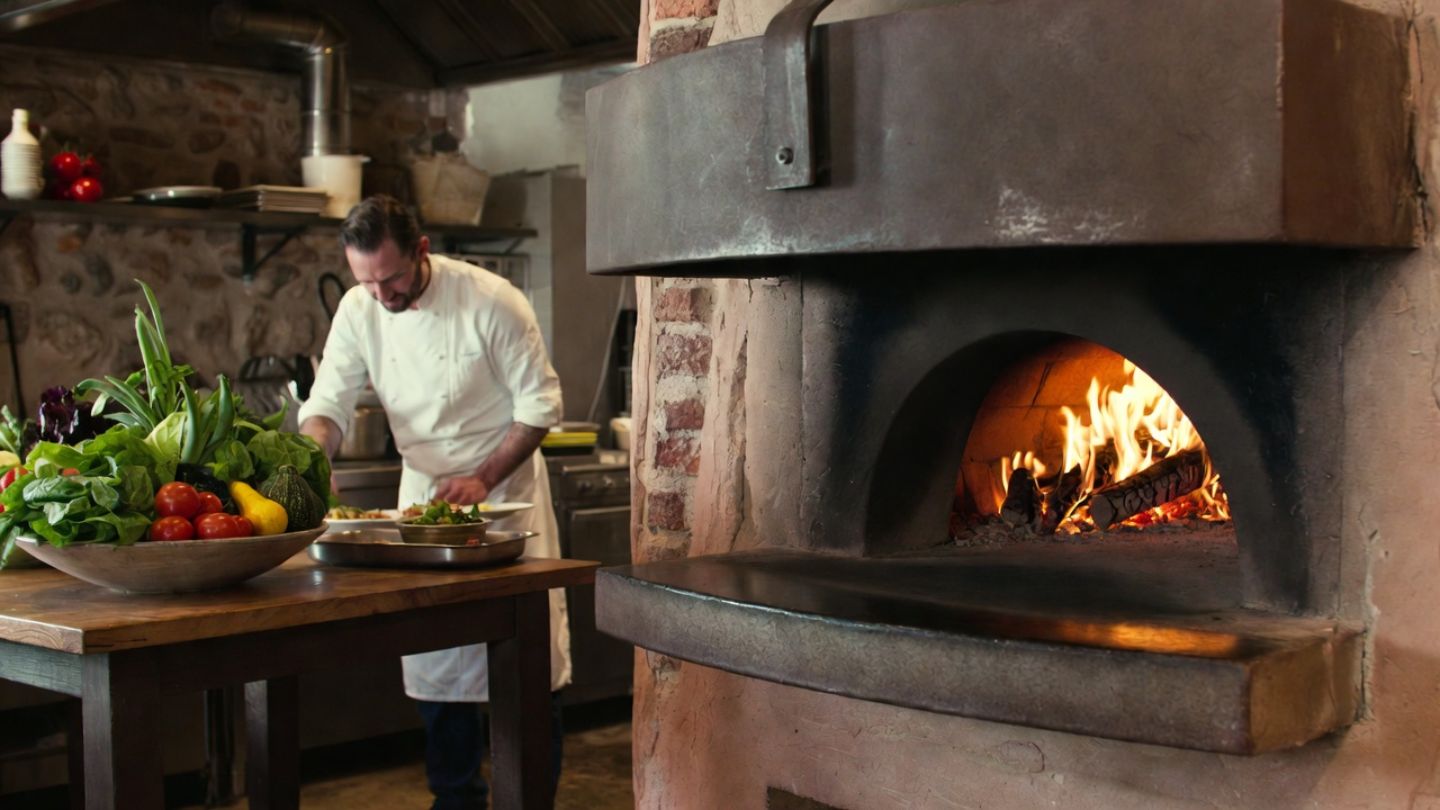
Insider note: Wood fired dishes and slow braises shine here because they mirror the structure of local Cabernet.
South Napa
South Napa works exceptionally well for day trips from San Jose. It allows you to arrive, eat well, taste thoughtfully, and head home without feeling stretched by the drive. It is often quieter and more conversational than the center of the valley.
How to Plan a Food First Napa Day
Book the anchor. Secure your main meal first and let the rest of the day orbit around it.
Stay close. Choose wineries within ten minutes of where you are eating. Proximity matters more than prestige.
Taste intentionally. Ask for a focused, seated tasting rather than a long lineup.
Respect the season. Spring brings fresh produce and lighter wines. Winter offers quieter dining rooms and deeper conversations.
Where Wine and Food Truly Integrate
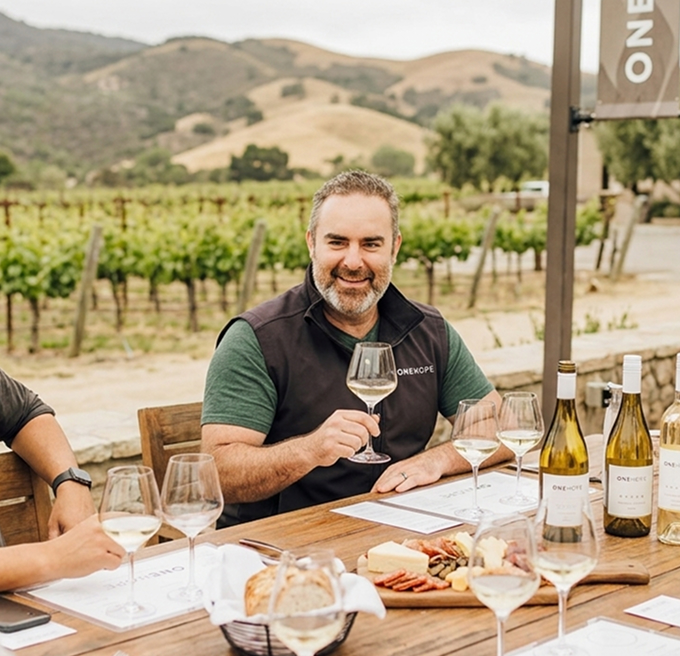
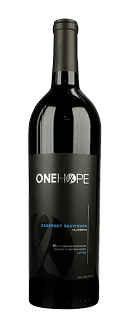
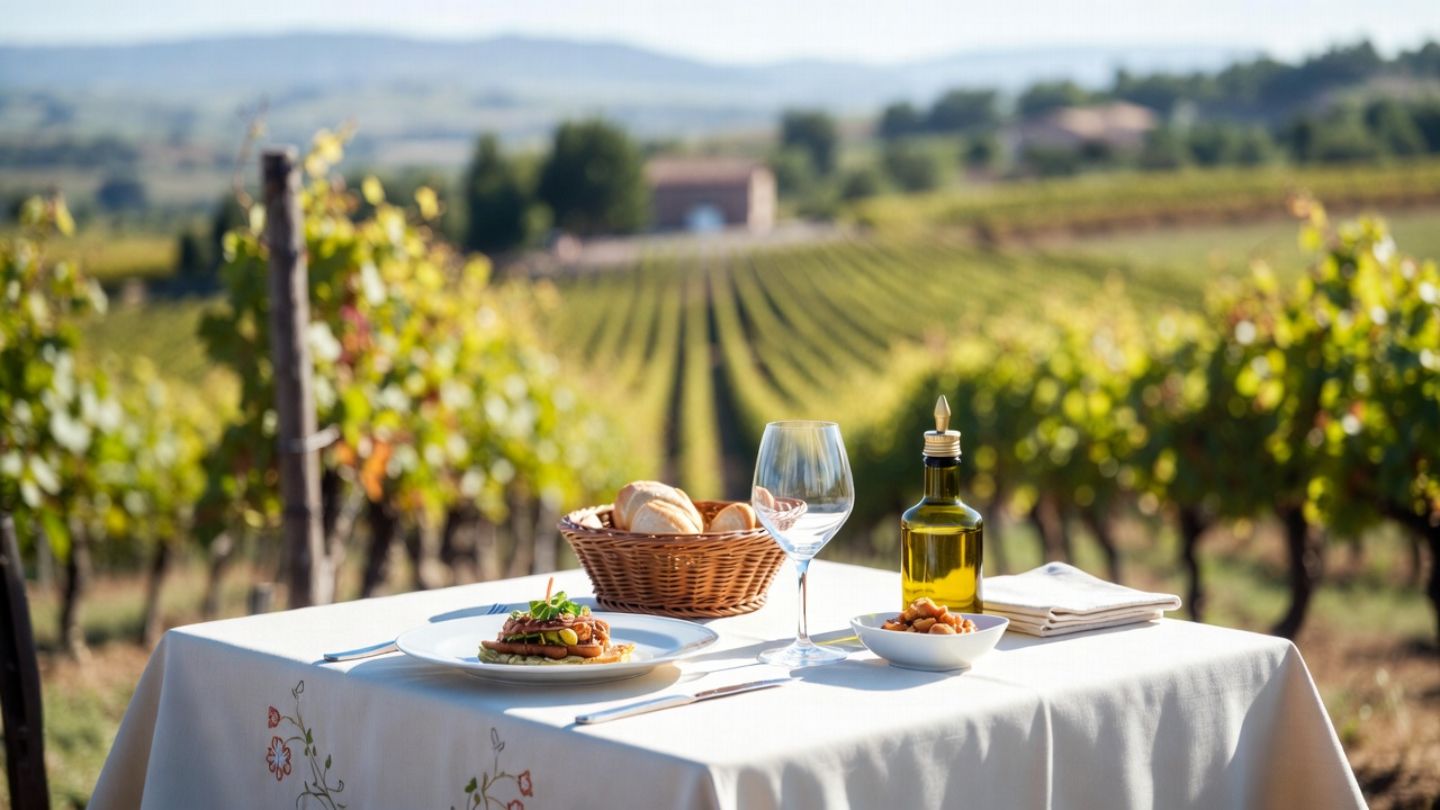
I will acknowledge a little personal bias here. ONEHOPE and Estate 8 are very much my passion and purpose. We built our hospitality around the belief that wine makes the most sense at the table, not on a pedestal. Food and conversation come first. Wine supports the moment.
Whether you visit us or another estate, look for places that favor:
Seated, conversational tastings
Balanced wines built for food
Culinary teams that collaborate directly with winemakers
Those are the experiences that tend to resonate most with South Bay travelers.