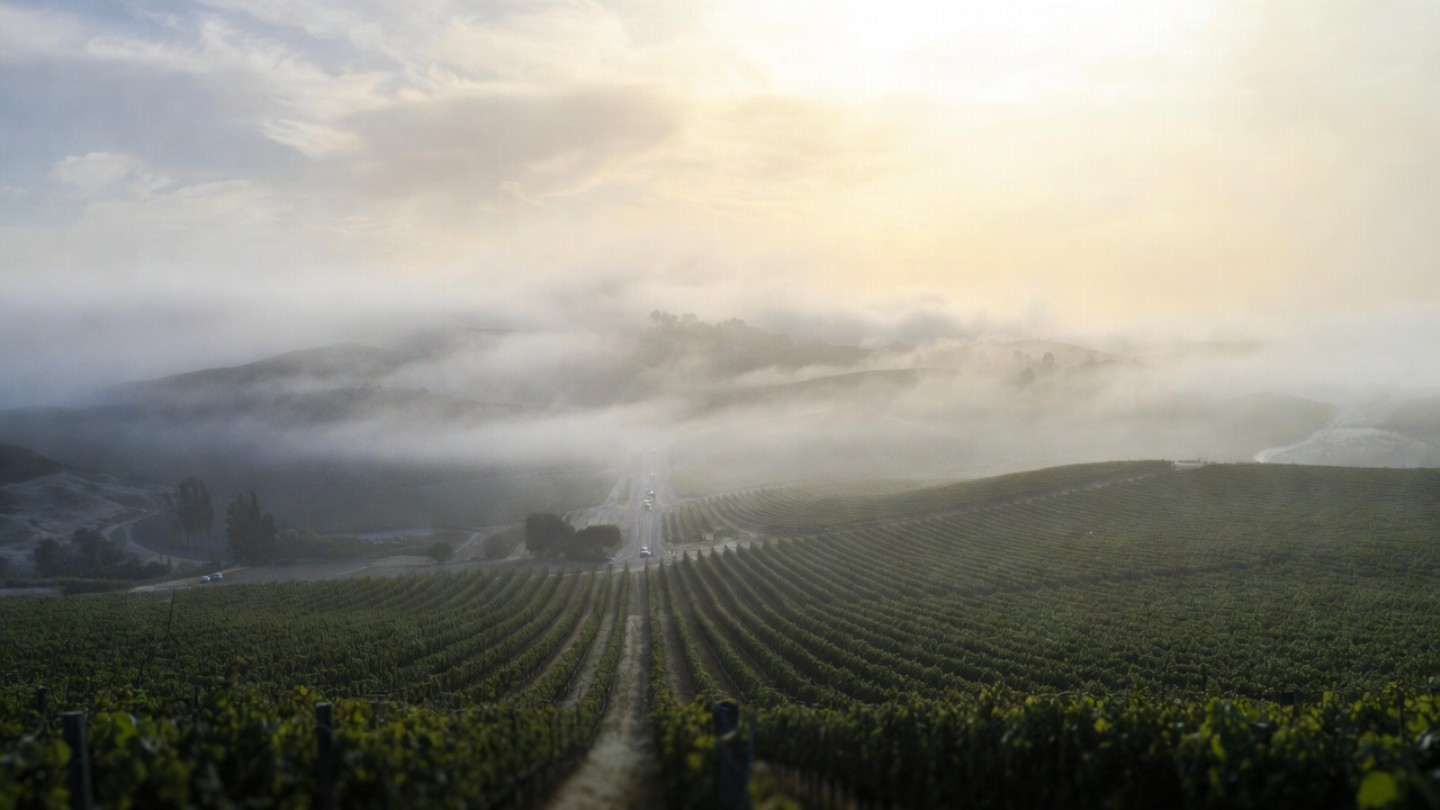
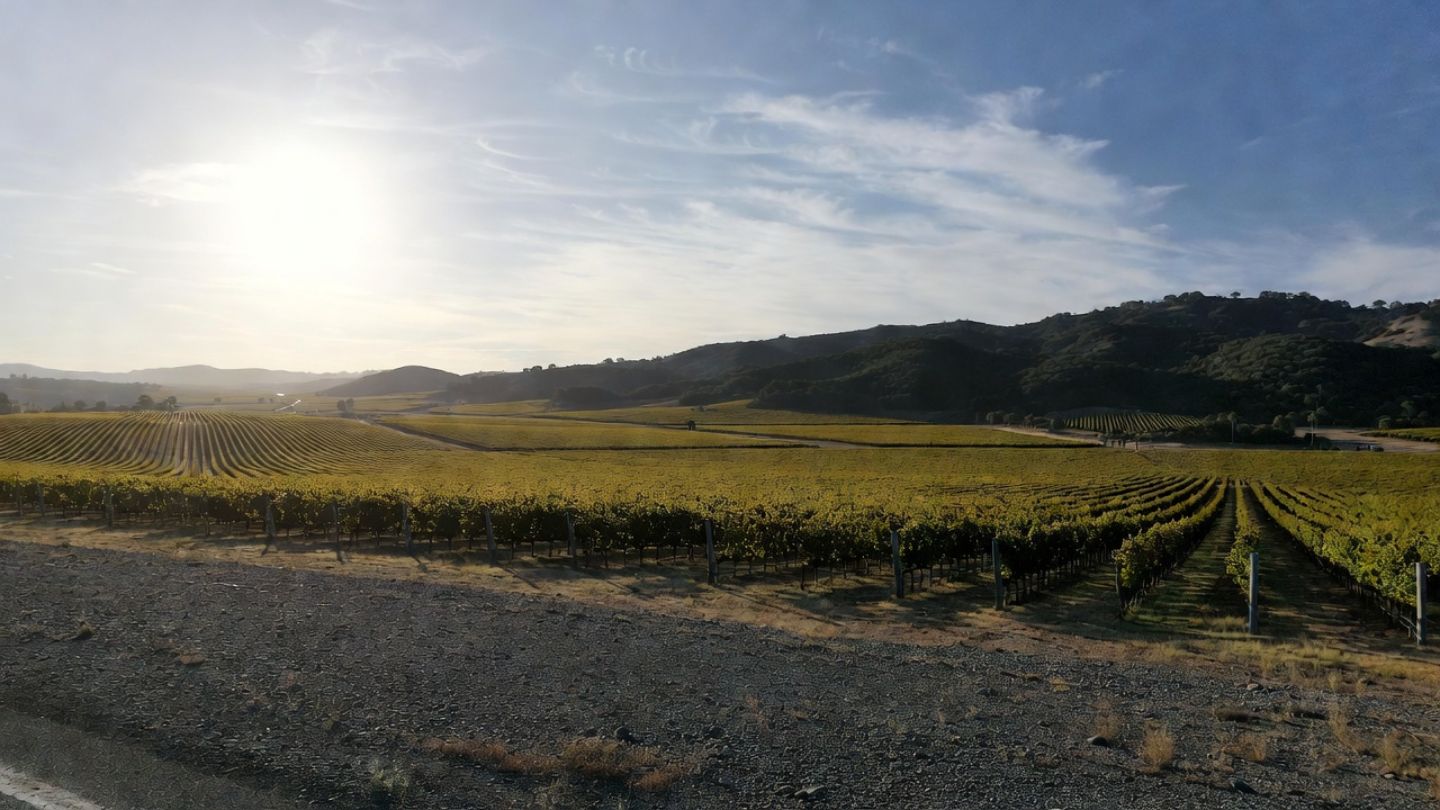
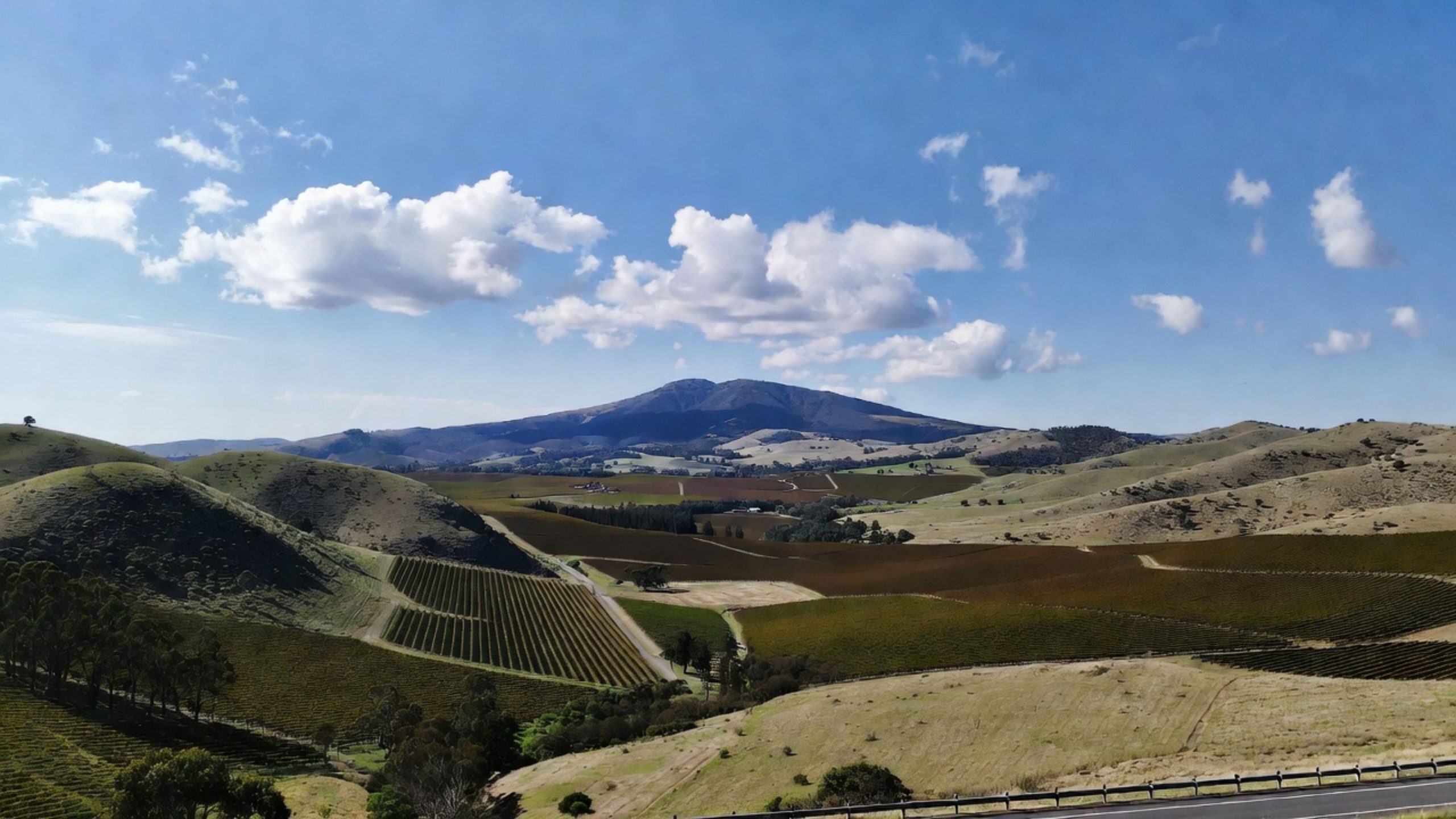
For travelers coming over from Contra Costa, Napa often begins well before the first tasting room. It starts in the drive. The light shifts as you leave the East Bay. The air cools. The road narrows as Highway 121 bends past the Carneros hills. Somewhere between the southern vineyards and the Silverado Trail, Napa stops feeling like a destination and starts feeling like space.
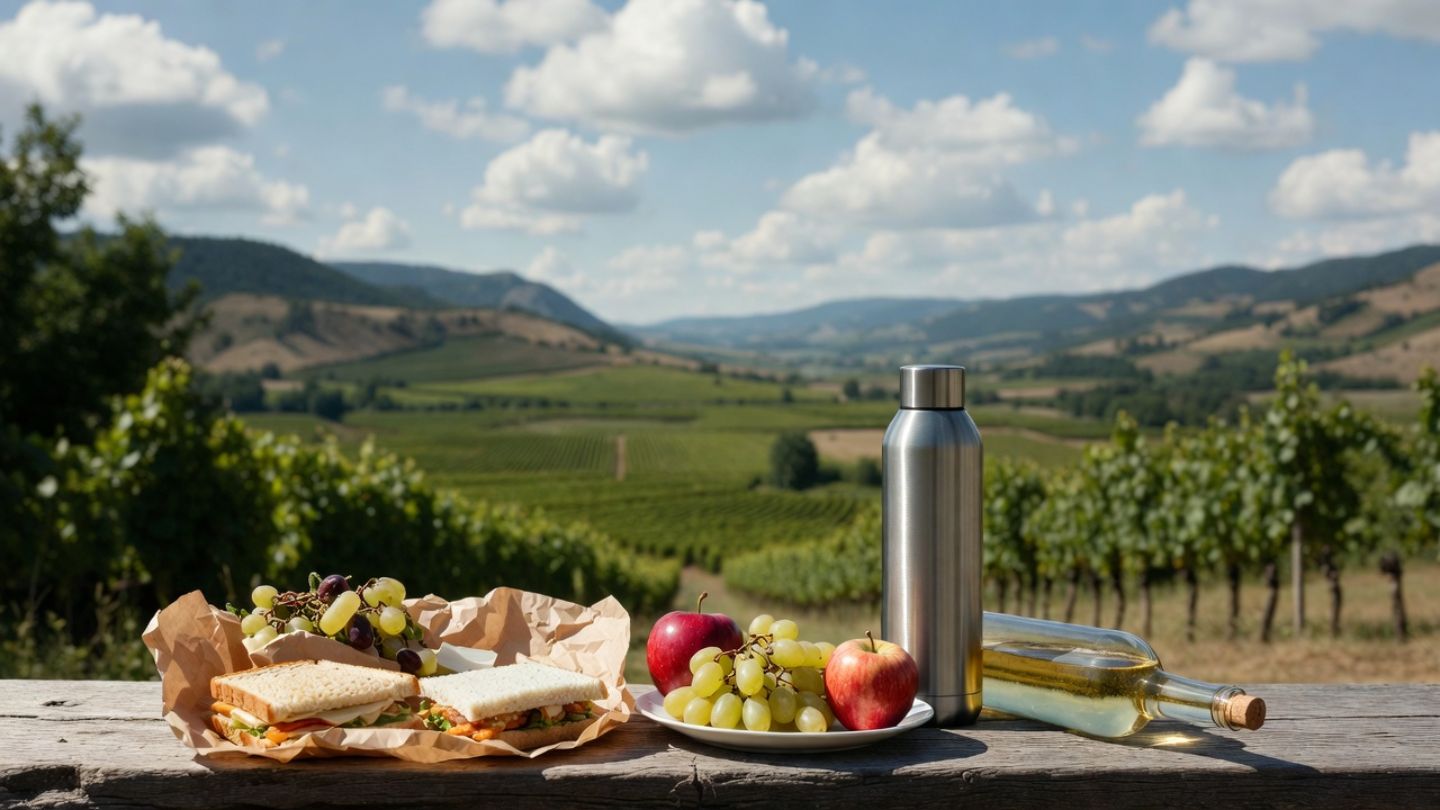
Some of the best Napa days never revolve around reservations at all. They unfold slowly. A safe pull off with a wide view. A picnic spread near a quiet bench or vineyard edge. A bottle opened without a plan for what comes next. This is the side of Napa locals quietly return to when we want perspective more than polish.
This guide is for East Bay drivers who love the journey as much as the stop and want to experience the Rutherford benchlands, cabernet light, and open valley views that reveal themselves when you slow down.
What This Experience Is Really About
This is Napa without the performance. No counters. No clocks. Just landscape, light, and a little distance from the Bay.
Scenic picnic focused travelers tend to value:
- Drives with fewer crowds and long sightlines
- Informal stops where you can linger without pressure
- Open views across the valley floor and eastern hills
- Wine enjoyed casually with fresh air and simple food
Napa rewards this approach, especially when you resist the urge to fill every hour.
A Short Personal Memory
Some of my favorite Napa memories have nothing to do with tasting rooms. I remember pulling over one afternoon near the base of the hills with a simple picnic and no schedule ahead. We sat longer than planned, watching the lift of the afternoon light move across the vines. Those are the days that stay with you. They remind you that Napa is not just something you visit. It is something you feel when you give it time.
When It Is Best
Late winter through early summer brings the quiet shoulder seasons, when the hills stay green and visibility stretches across the valley. Fall adds harvest energy and golden light, though popular pull offs fill faster on weekends.
Midweek afternoons are often the truer Napa. The roads feel calmer, the valley breathes differently, and the views seem to open up.
What Most Visitors Miss
Most visitors drive through Napa on their way to a specific reservation. Locals know the drive itself is often the point.
The Silverado Trail offers better visual corridors and more relaxed pacing than Highway 29. Taking time to stop, even briefly, often tells you more about Napa than a rushed tasting ever could.
Local Directional Cues
- The Approach: Coming from Contra Costa, stay on Silverado Trail once you enter the valley to avoid heavier Highway 29 traffic.
- The Views: Just past Yountville and north toward Oakville, look for safe pull offs with open views toward the Rutherford benchlands.
- The Loop: Turning toward the base of Mt St Helena gives you a slightly higher vantage point before heading back south as the valley settles into late afternoon light.
These small routing choices make a big difference.
A Simple Scenic Napa Day From Contra Costa
If You Only Have One Hour
Drive a stretch of Silverado Trail, find a safe vineyard edge, and enjoy a short picnic with a wide valley view before heading back.
If You Have a Full Afternoon
Enter from the south, follow Silverado Trail north with one or two scenic stops, then loop back as the light softens. If you choose a winery, prioritize one with views and outdoor space rather than a formal indoor tasting.
The goal is not distance covered. It is moments collected.
A Note on Wine and Place
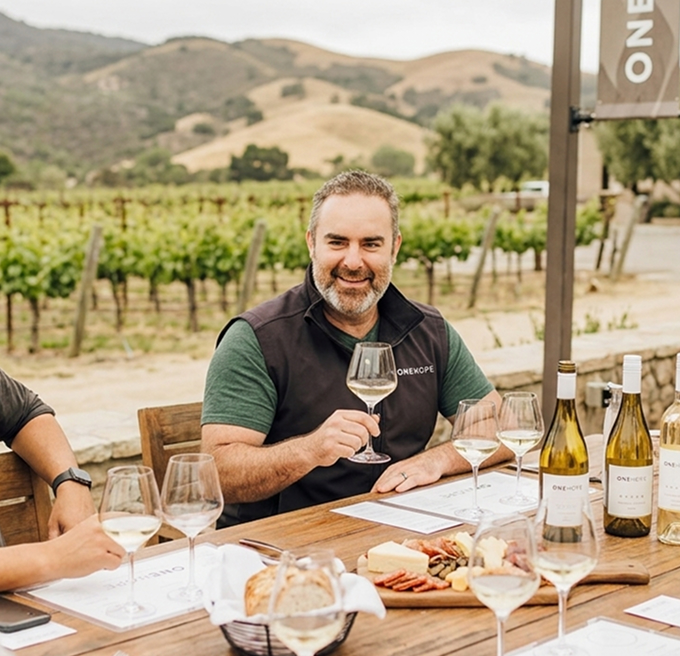
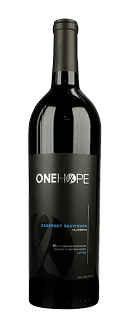
I will admit a little bias. ONEHOPE and Estate 8 grew out of my belief that wine should fit naturally into real moments, not just structured tastings. Some of the most meaningful glasses are poured outdoors, shared quietly, and paired with a view instead of a tasting note. Napa has always made room for that if you let it.