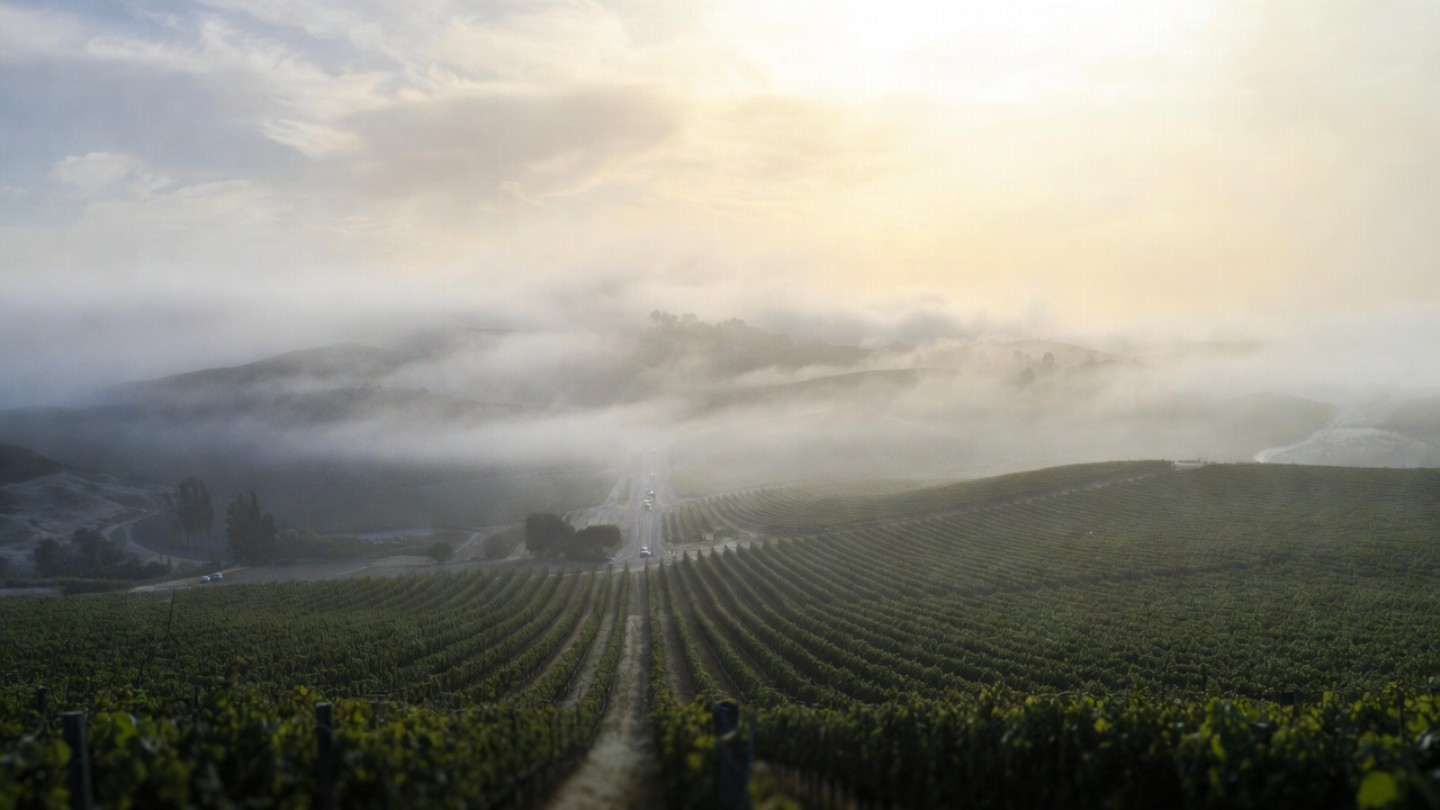
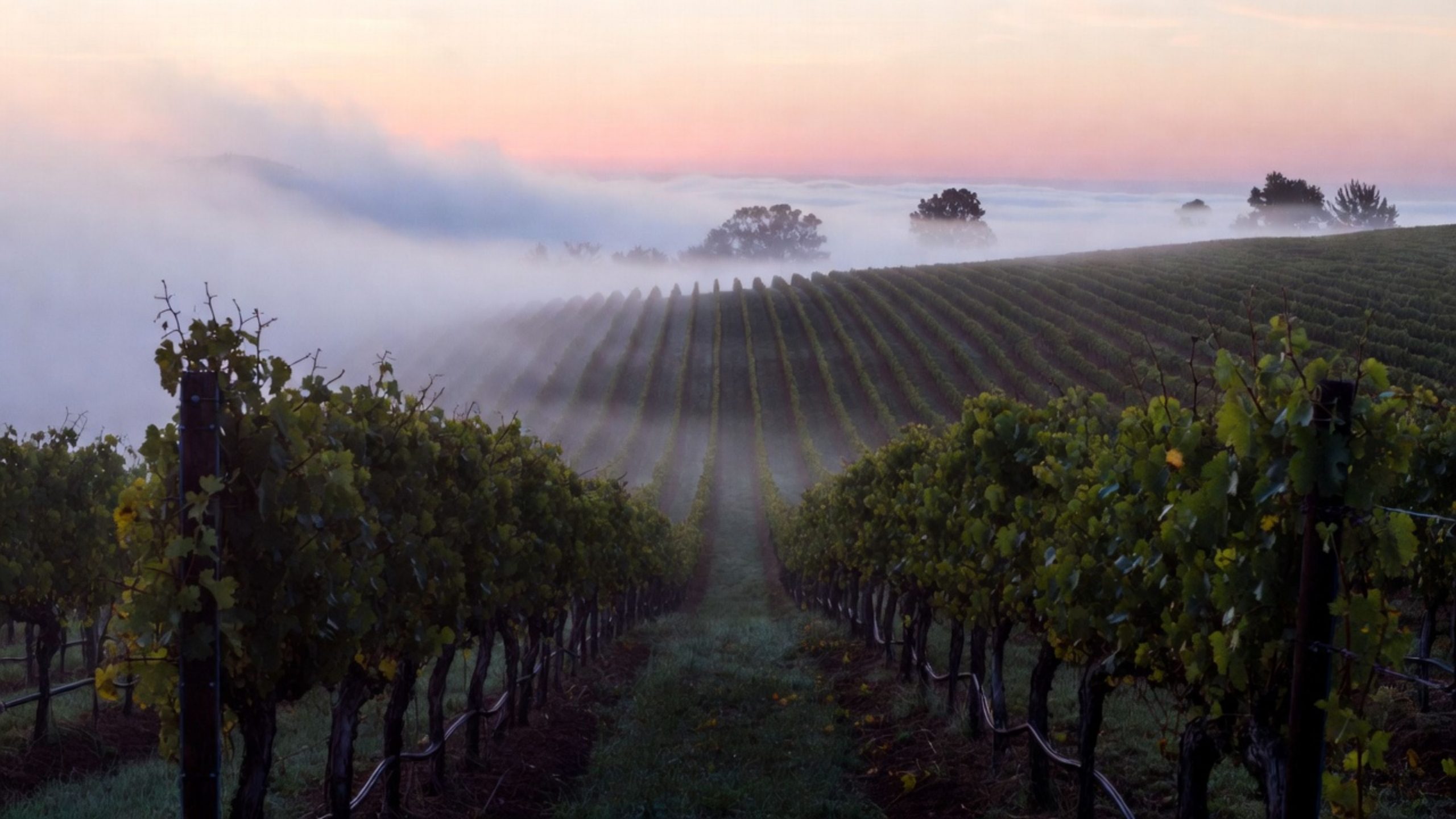
If you live in Marin, you already understand the rhythm of fog. You watch it spill through Tam Junction, hover over the Headlands, soften afternoons in Mill Valley, and stretch evenings well past what the forecast promised. That same rhythm exists in Napa, though most visitors never notice it.
Napa is often described as sun soaked and powerful, but along the valley edges, into the western hills, and closer to the bay influence, there is a cooler Napa that feels instantly familiar to Marin drinkers. Longer growing seasons. Lifted aromatics. Natural acidity. Wines that sit comfortably at the table and reveal themselves slowly.
This is Napa Valley for cold climate wine fans, especially those coming across the bridge from Marin County.
What This Experience Is Really About
This is not about chasing labels or power. It is about energy in the glass.
Cooler Napa sites tend to produce wines with lower alcohol, brighter acidity, and savory edges. Aromatics open gradually rather than all at once. Structure matters more than weight. These wines feel composed and age worthy without needing to announce themselves.
For Marin County drinkers who gravitate toward the Sonoma Coast, Anderson Valley, or the Santa Cruz Mountains, this side of Napa feels intuitive rather than contradictory. It is Napa speaking in a quieter voice.
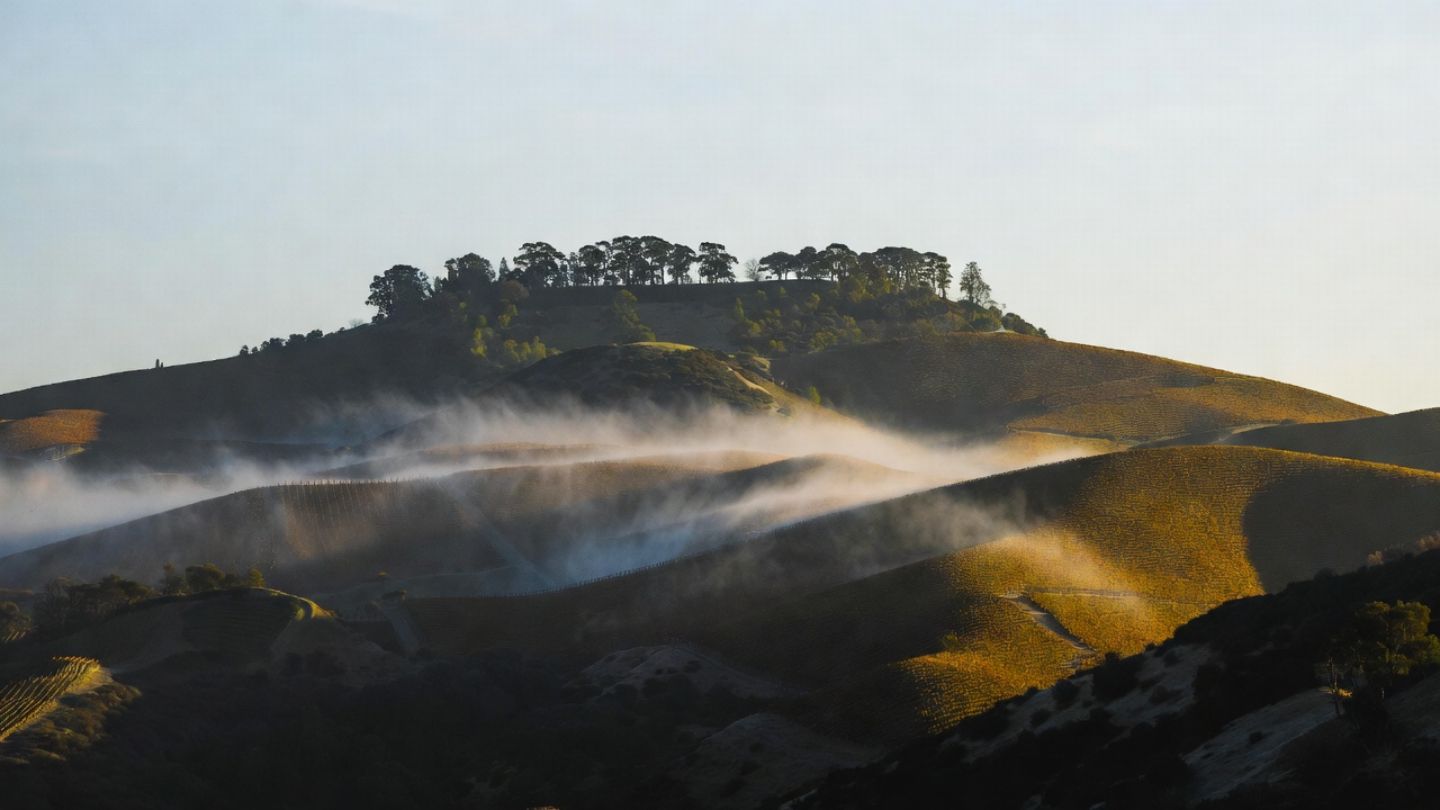
Where to Focus: Napa’s Fog Line and Cooler Zones
Carneros
Southern Napa sits closest to the bay and feels most familiar to Marin. Morning fog lingers here longer, and afternoon breezes keep temperatures in check. Carneros excels with Chardonnay and Pinot Noir that emphasize tension, texture, and acidity over richness.
Coombsville
Often misunderstood, Coombsville wakes up later than much of the valley. Cooler mornings and volcanic soils shape Cabernet Sauvignon that is linear, structured, and quietly expressive. These wines reward patience and food.
Mount Veeder and the Western Hills
Turning toward the base of the western hills, elevation and wind exposure slow everything down. Fog clings longer. Growing seasons stretch. Wines from Mount Veeder often show darker fruit, savory notes, and a firmness that appeals to drinkers who like nuance over polish.
Atlas Peak, Select Sites
Not every site on Atlas Peak runs cool, but the right elevations catch wind and dramatic temperature swings. When done well, these wines balance Napa depth with mountain freshness.
What Most Visitors Miss
Most visitors drive Highway 29 at noon, taste at valley floor rooms, and assume Napa is one style. They miss the way fog behaves differently five minutes off the main road. They miss west facing slopes that clear late. They miss vineyards that never fully warm until mid afternoon.
In Napa, the difference between a warm site and a cool climate site can be a single turn and a slight change in elevation.
My Local Notes
Growing up here, we always knew which vineyards burned off early and which stayed gray well into the day. The cooler blocks ripened later, tasted brighter off the vine, and showed their best at dinner rather than in a quick tasting flight.
I hear this all the time from Marin friends who say they do not like Napa wines. Usually what they mean is that they have not been poured the right ones yet. Napa is not one story. It is a collection of microclimates, and some of them feel a lot like home.

How to Make This a Marin Friendly Napa Day
Start late. Fog matters more than schedules, and Napa opens up once the valley breathes.
Prioritize southern Napa or hillside sites. Look for places shaped by wind, elevation, and longer hang time.
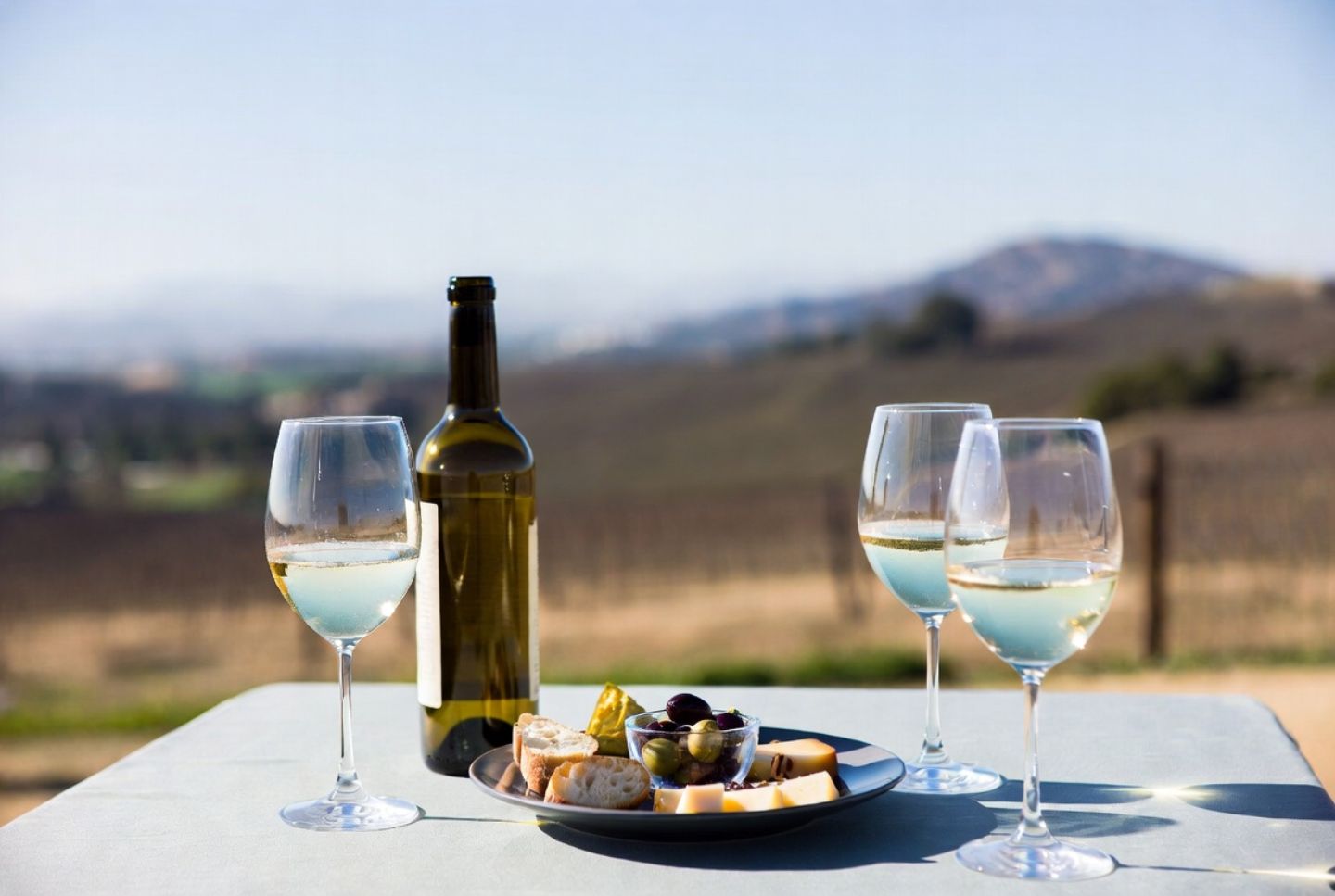
Eat with intention. Cooler climate wines shine with seasonal, simply prepared food that lets acidity and texture do the work.
Stay unhurried. Fewer tastings and more conversation lead to better bottles and better memories.
Wineries That Often Appeal to Cool Climate Palates
- Artesa in Carneros for its bay influence and restrained style
- Mayacamas for mountain Cabernet with structure and age worthiness
- Matthiasson for farmer driven wines focused on balance and site
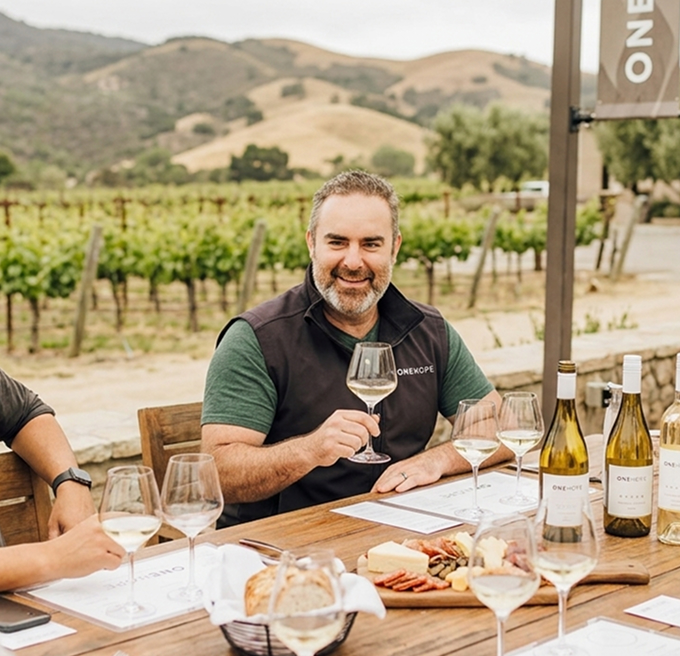
I will admit a bit of personal bias here. ONEHOPE and Estate 8 are very much my passion and purpose, and they were shaped by the same belief that wine should feel welcoming, balanced, and connected to the table rather than performative. That philosophy comes from growing up in these cooler corners of the valley.