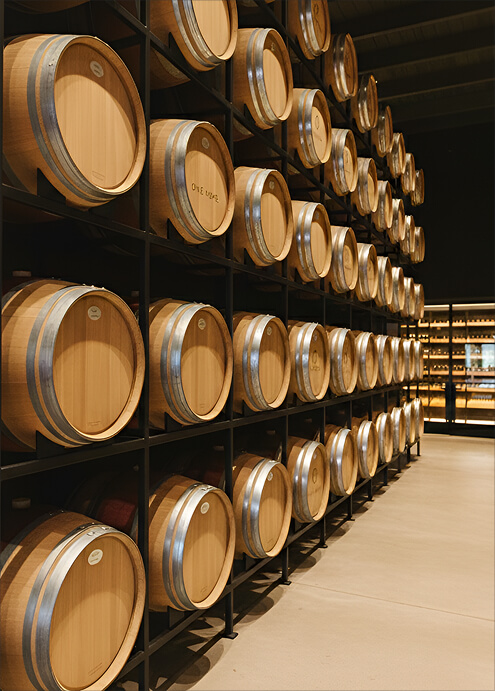
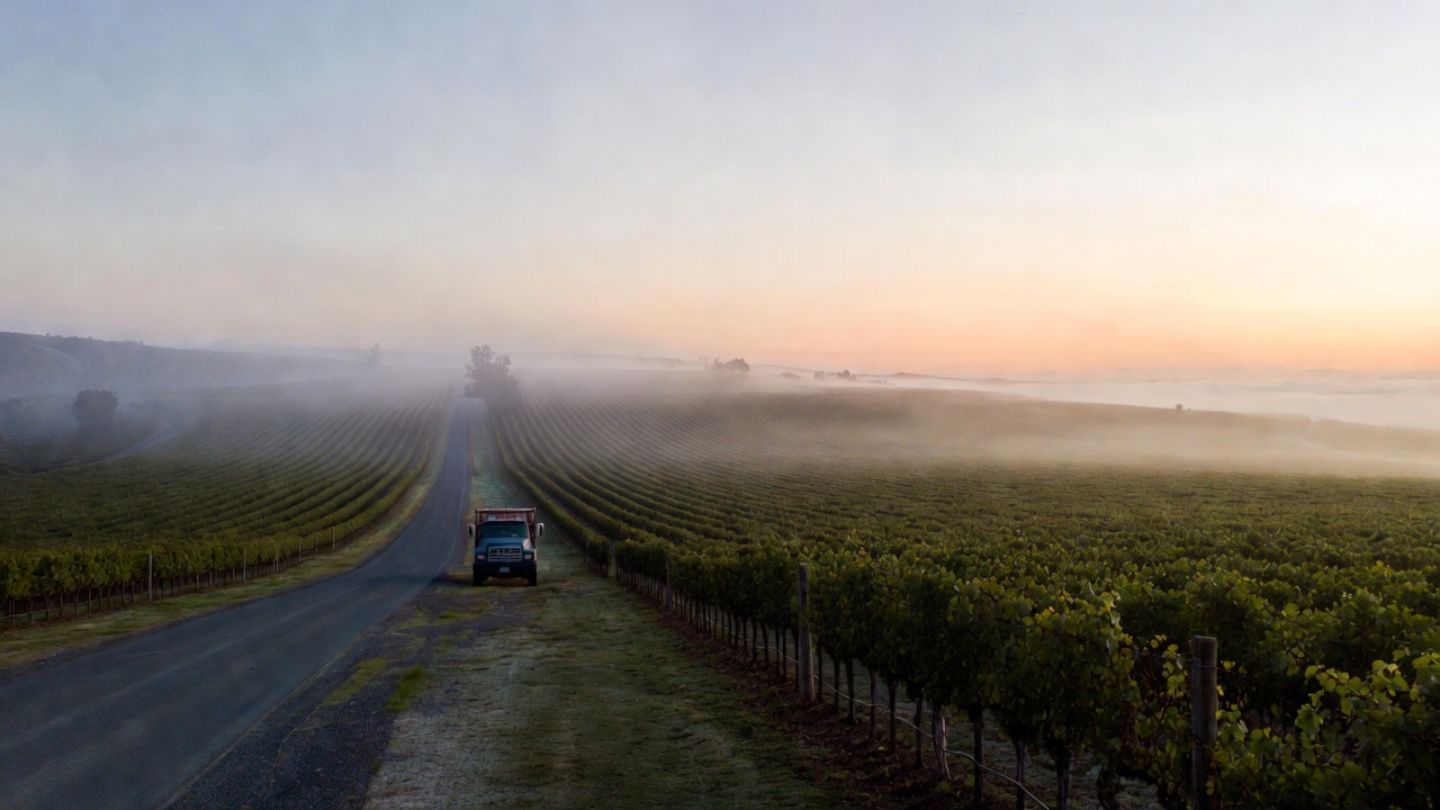
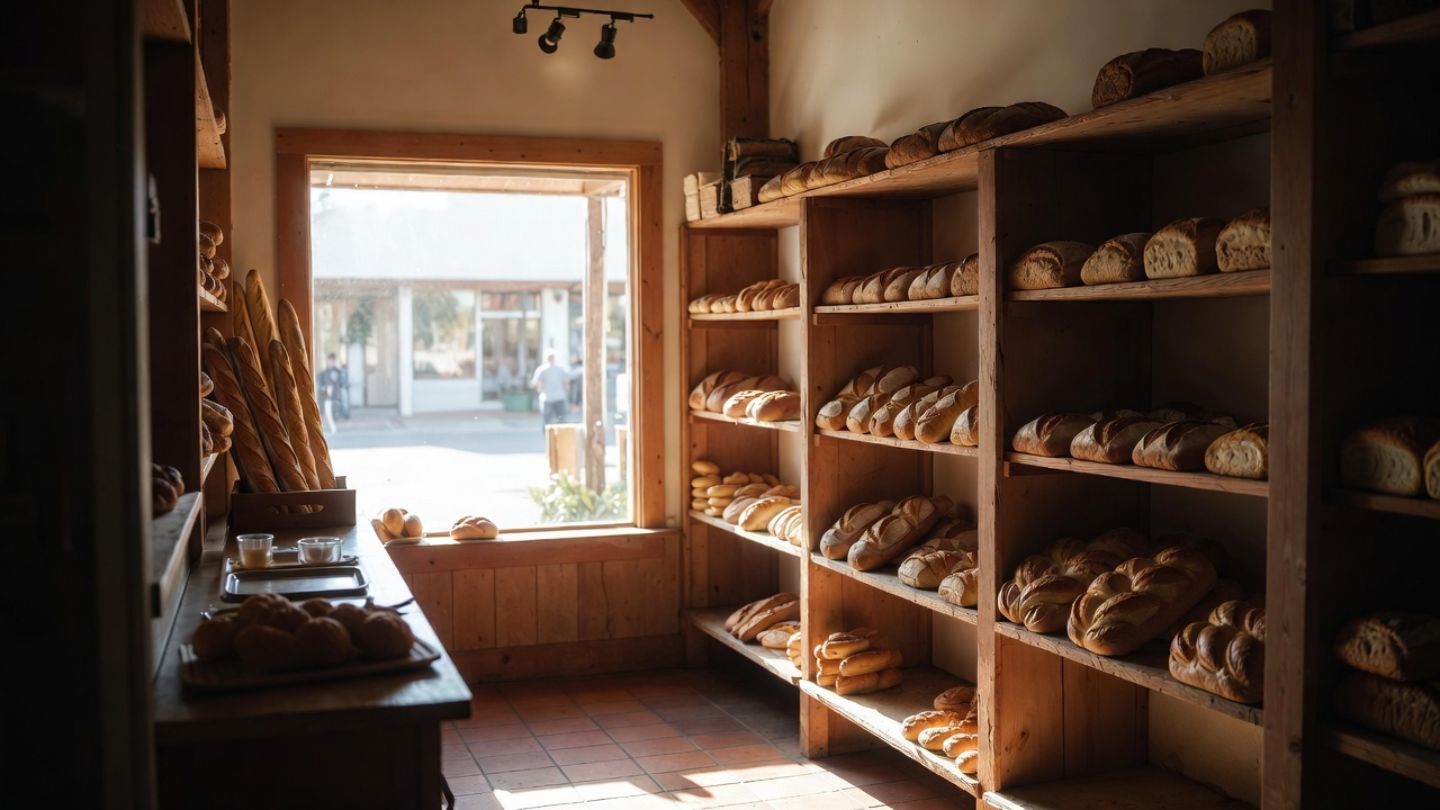
If you live in Alameda County, from the Oakland hills to the side streets of Alameda, you already know how to recognize a place with a real pulse. You have stood in line at bakeries that open before sunrise. You know which farmers show up every week and which spots feel woven into daily life. Napa Valley has those places too. They are just quieter, tucked between heritage vineyards, side roads, and morning routines that have not changed much in decades.
For East Bay locals, Napa is not only about wineries. It is about people who stayed. Farmers, bakers, growers, and families who built a life here long before wine country became shorthand for luxury. This is Napa at human scale.
What This Experience Is Really About
This is not a tasting tour. It is a listening tour.
Coming from Oakland or Berkeley, you already value places where people know each other. Napa rewards that same curiosity. The real stories are not printed on signs or menus. They surface in conversation at a bakery counter, a market checkout, or a quiet cellar where someone takes the time to explain why a block was planted the way it was.
If you want to understand Napa, follow the morning routines.
When It Is Best
Year round mornings
The earlier you arrive, the more of Napa’s working rhythm you experience.
Midweek visits
This is the truer Napa midweek, when the valley feels like a town instead of a destination.
Late winter and early spring
Pruning season brings quiet roads, bare vines, and the scent of damp soil and preparation.
What Most Visitors Miss
Most visitors arrive late and leave early. They miss the in between.
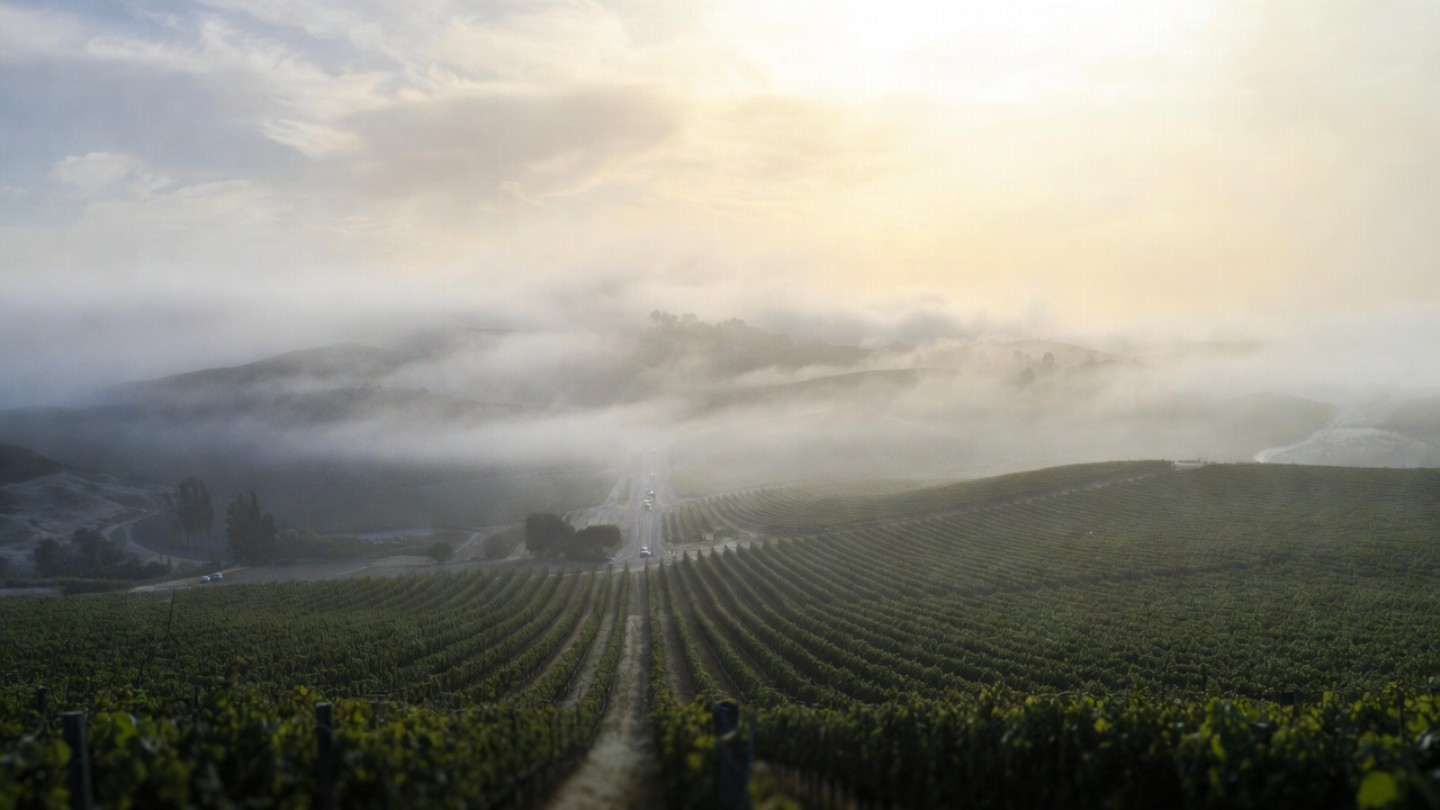
They miss vineyard crews moving with familiarity. They miss growers comparing notes on weather. They miss the way morning fog lifts slowly off the Mayacamas and reveals the valley piece by piece. Napa’s story is not told in single moments. It is told through repetition.

My Local Notes
Oak Knoll District
Still deeply agricultural and close enough to downtown Napa to feel connected rather than staged.
Rutherford backroads
Look beyond Highway 29 and Silverado Trail. The quieter roads tell you more than the signage.
Calistoga foundations
Hot springs, rail history, and early settlement patterns shaped this end of the valley long before modern hospitality arrived.
A Short Personal Micro Story
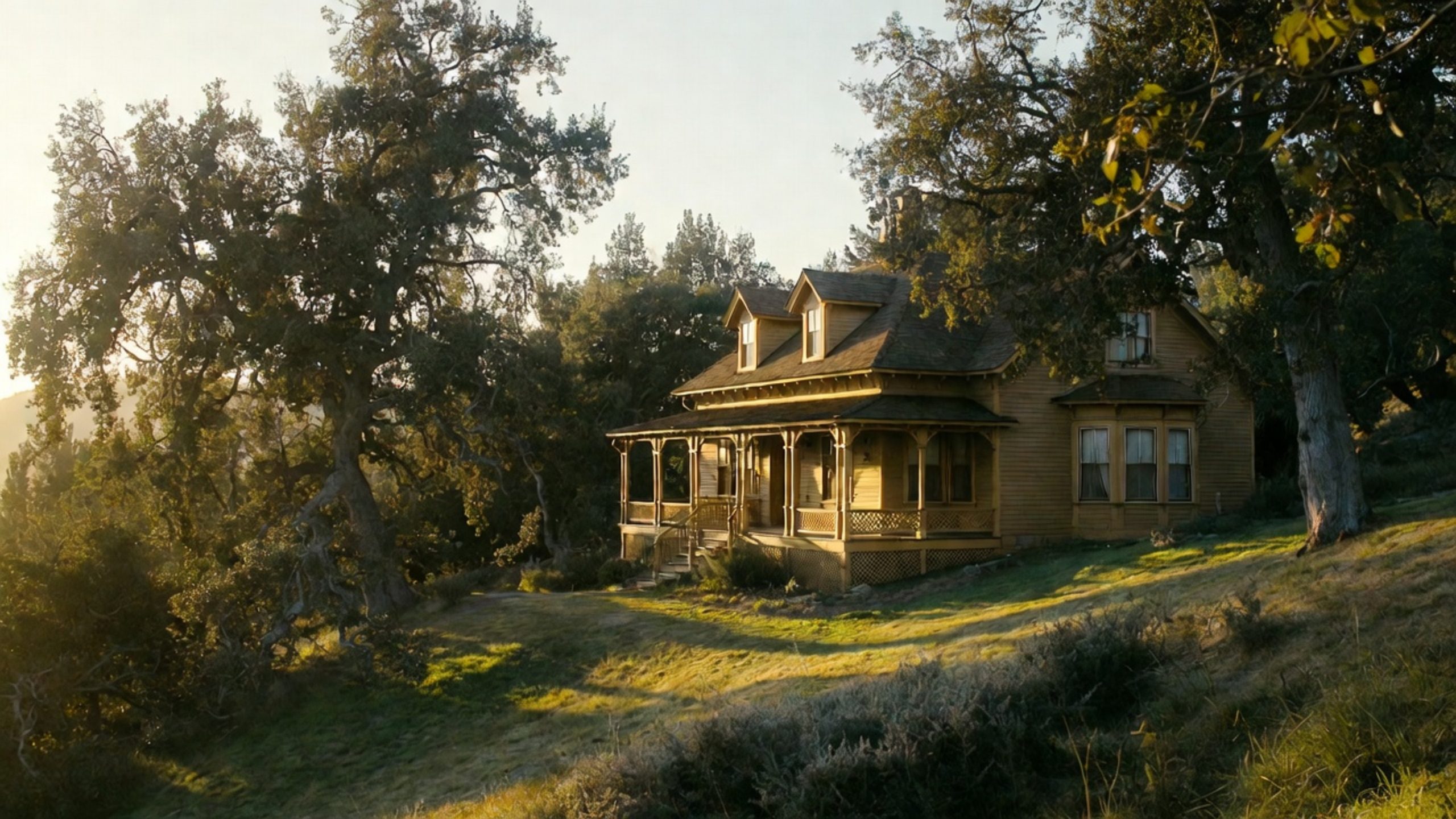
Some of my earliest Napa memories are not tied to tastings at all. They are tied to mornings. Watching bread come out of ovens. Hearing growers talk through frost and rain like it was a shared language. That sense of everyone working toward something rooted and seasonal shaped how I think about hospitality and why it has to start with respect for the people behind the place.
Community Stops Worth Slowing Down For
Local bakeries and cafes
Places that open early, serve simply, and feel essential to the day rather than curated for visitors.
Family run vineyards
Smaller producers who farm their own land often carry generations of knowledge in how they talk about it.
Neighborhood markets
Where locals stop on the way home, not because it is special, but because it is reliable.
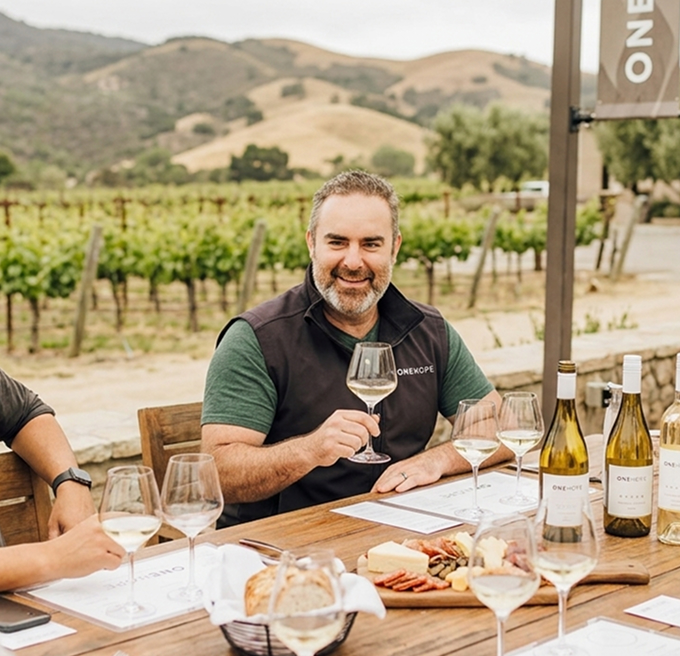
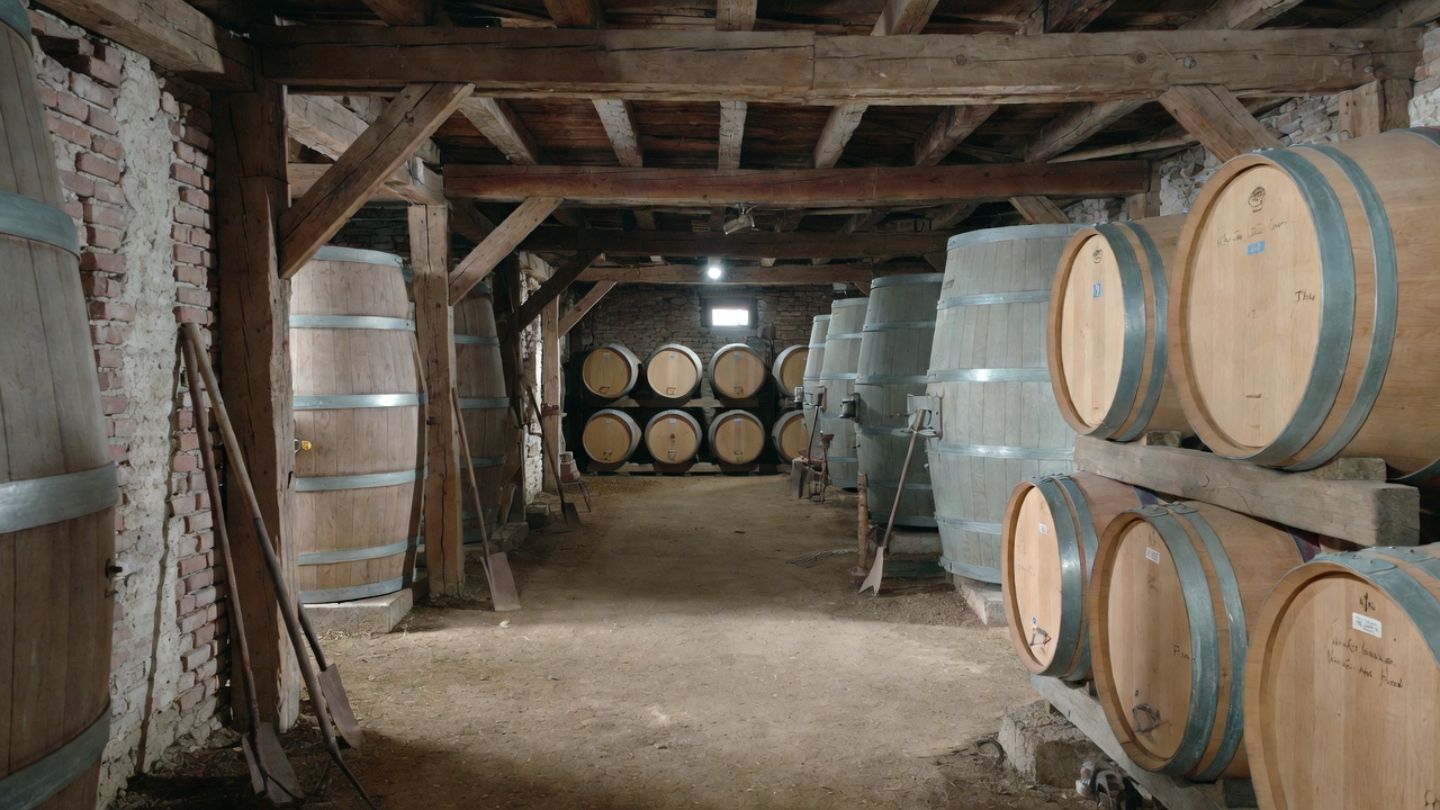
ONEHOPE Winery at Estate 8
I will admit a gentle bias here. Estate 8 is my baby. It exists because of the growers, neighbors, and long conversations that shaped my understanding of this valley. When people arrive curious instead of performative, the experience becomes about connection rather than consumption.
If You Only Have One Morning
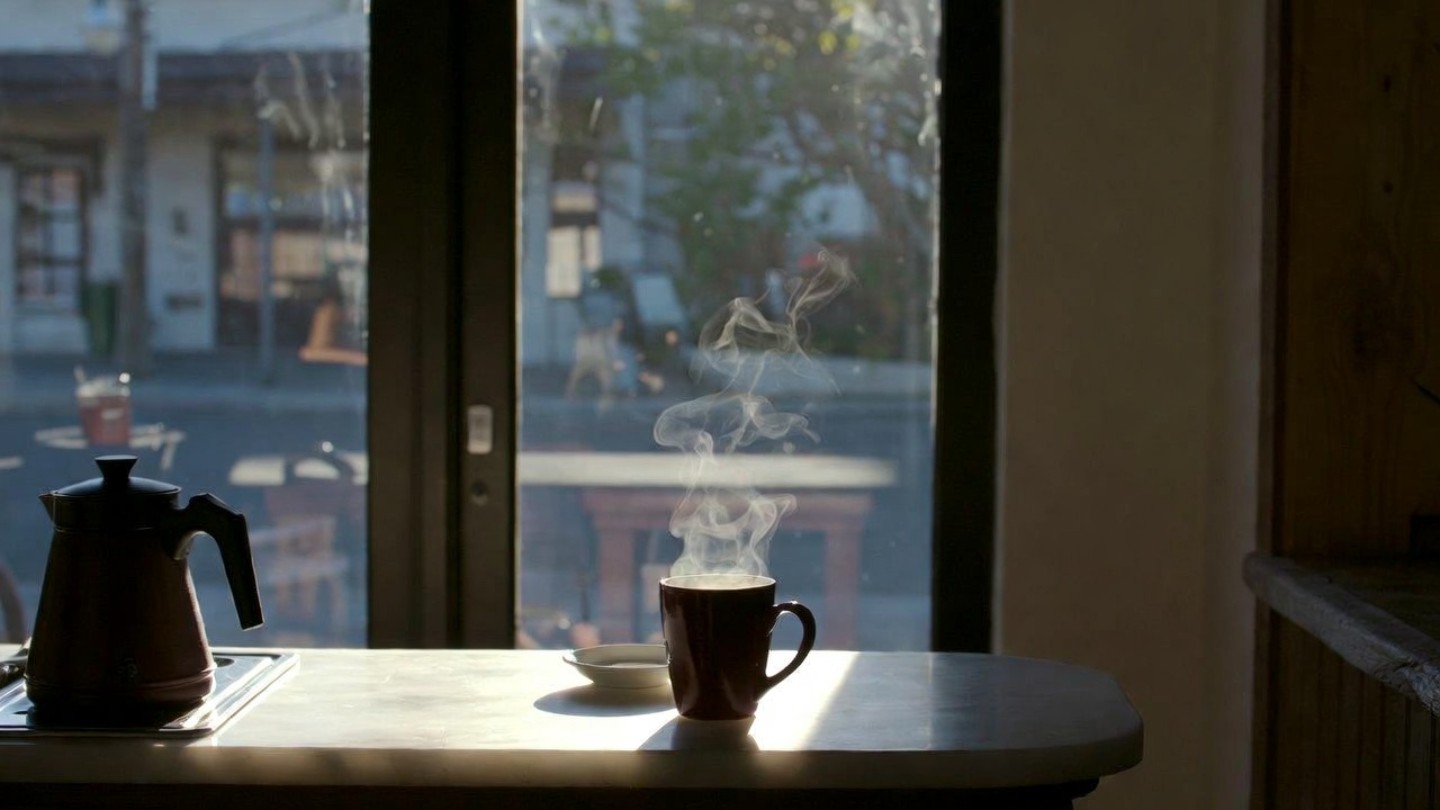
Start with coffee on a side street in downtown Napa away from the riverfront. Drive north slowly, letting the roads guide you. Choose one small producer for a late morning visit. Leave by mid afternoon, before the valley shifts gears.