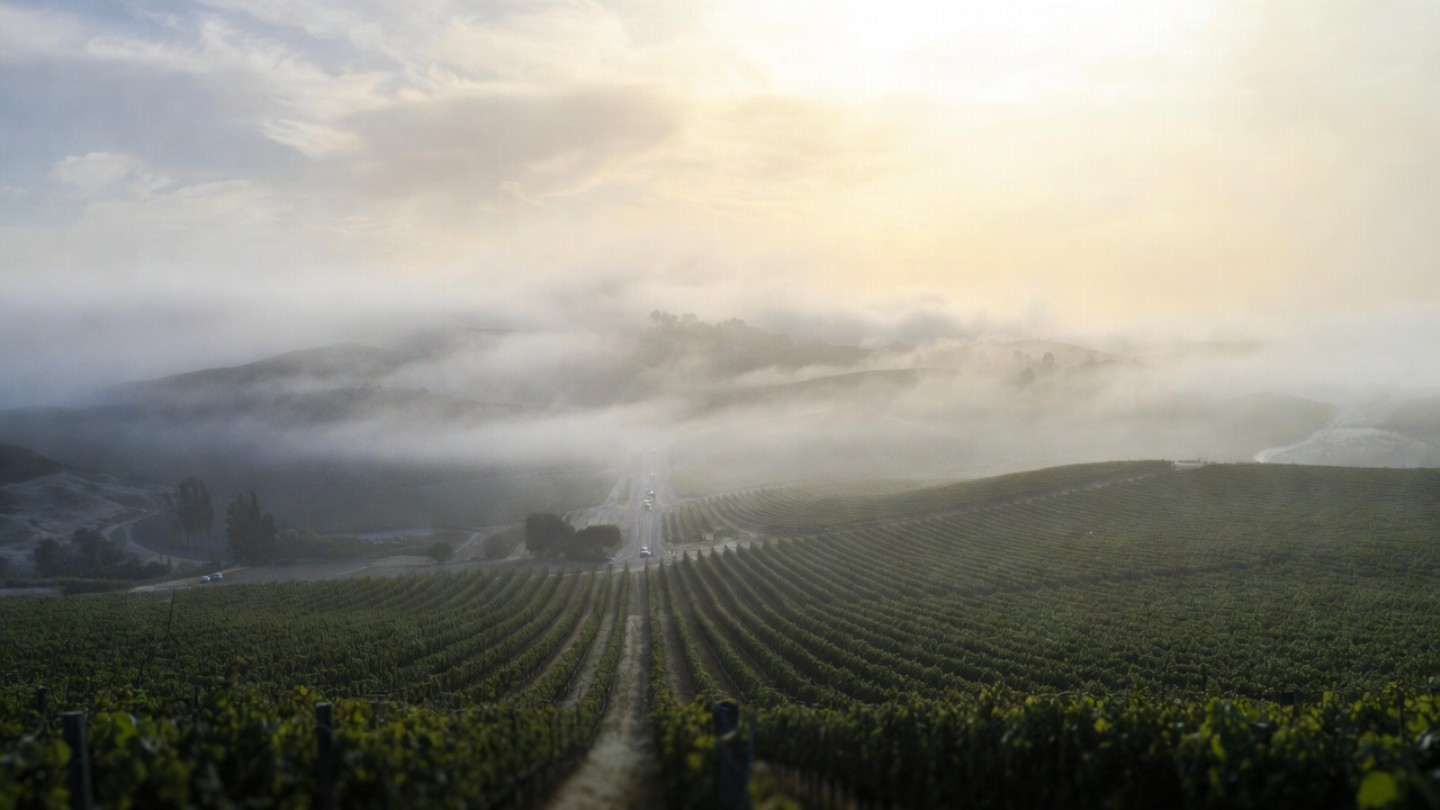
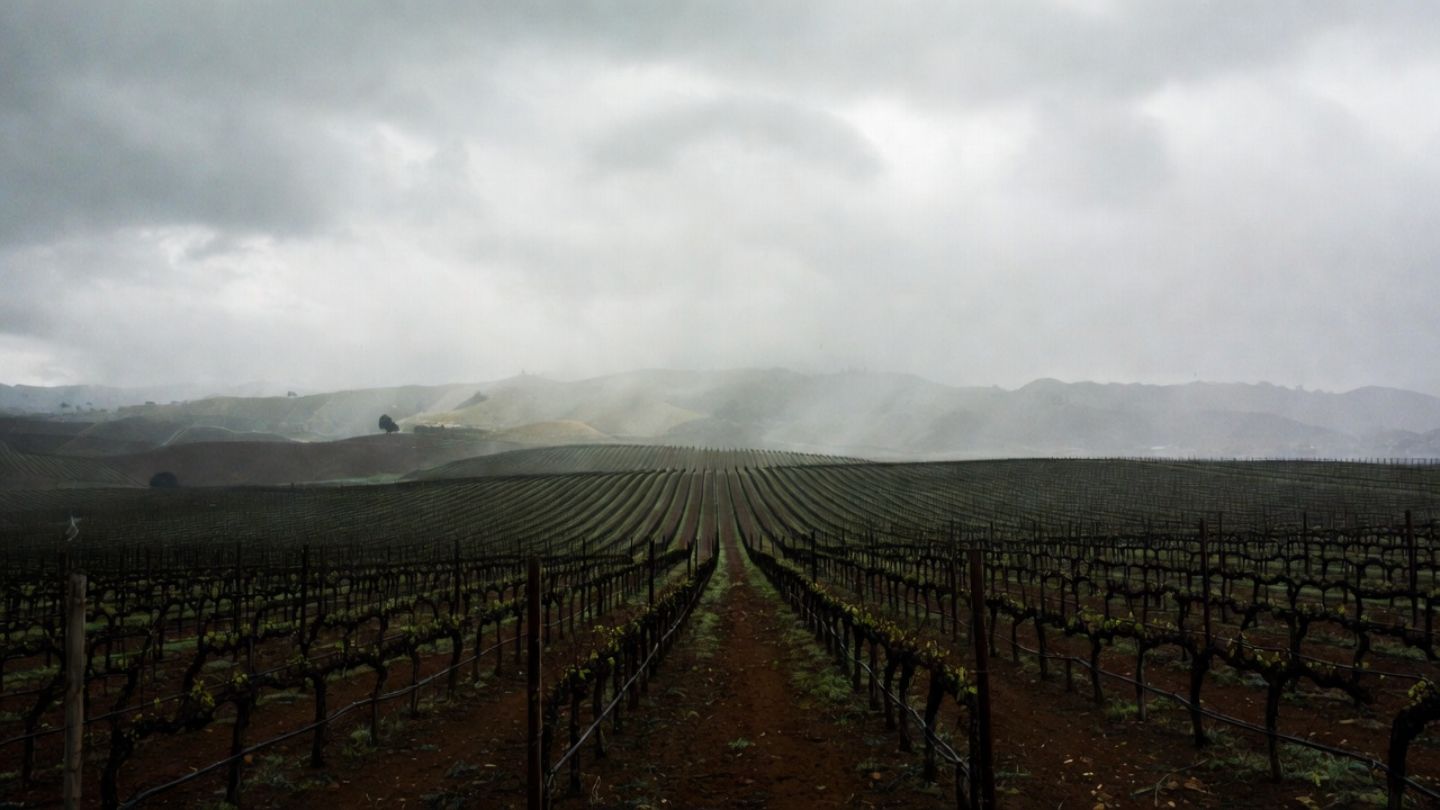
Rain changes Napa Valley in a good way. The Mayacamas darken, vine rows sharpen against the gray, and the roads empty just enough to remind you this place existed long before sun soaked patios and weekend itineraries. If you are driving up from Contra Costa County, crossing the Benicia Martinez Bridge and easing through American Canyon, you feel it before you arrive. Napa turns inward. Quieter. More honest.
Rainy days here are not about hiding from the weather. They are about leaning into it. Fires get lit. Cellar doors stay open longer. Conversations slow to the pace the Valley prefers.
What This Experience Is Really About
Rainy day Napa is about depth instead of views. You trade vineyard overlooks for barrel rooms and seated tastings. You swap tight schedules for genuine conversations. The Valley shows a more personal side when fewer people are chasing the perfect sunset.
As someone who grew up here, I have always loved rainy Napa days. They feel like the Valley reminding you it is first and foremost a working agricultural place, shaped by weather as much as by people.
Indoor Winery Experiences That Shine in the Rain
Cellar focused tastings
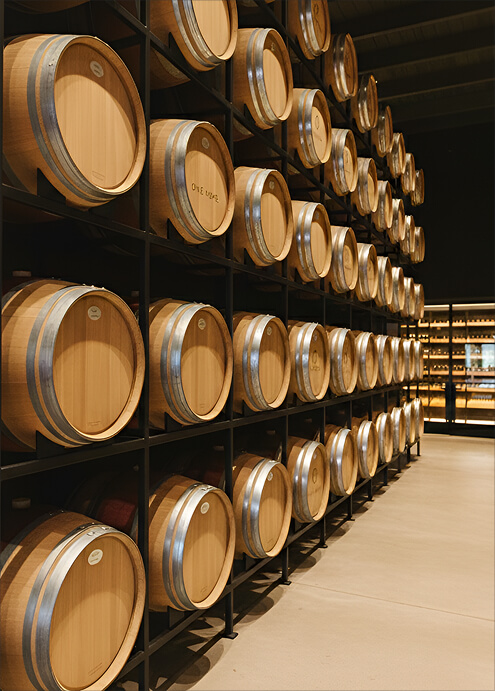
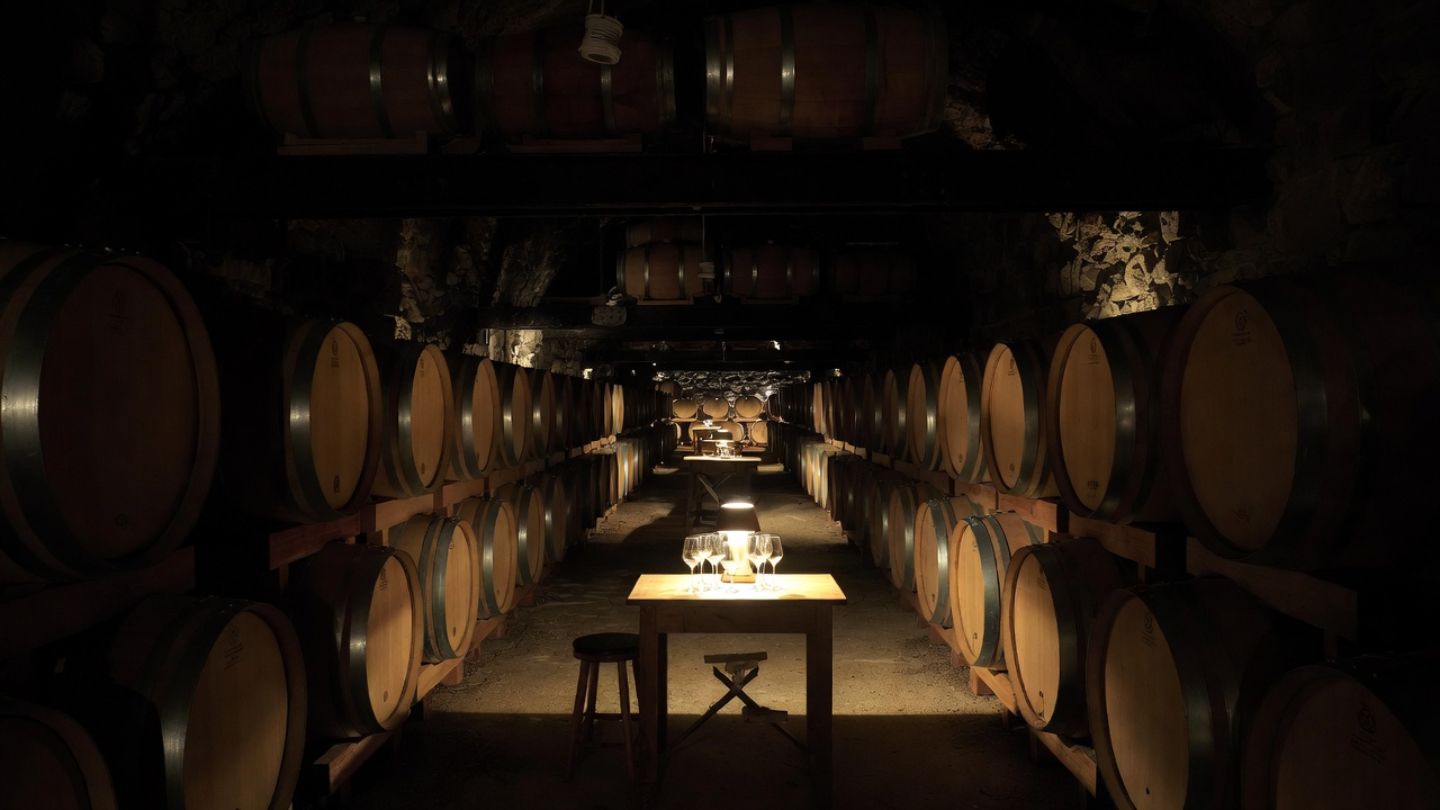
Wine caves and barrel rooms are naturally temperature controlled and quietly immersive. Rain pushes tastings inside, where wine feels more grounded and storytelling comes alive.
Appointment only private tours
Rain rewards planning. Smaller groups mean more time to talk through vineyard decisions, vintage variation, and the small histories behind each bottle.
Library or vertical tastings
Cool weather is ideal for older vintages. These tastings slow everything down and reveal how a single vineyard evolves over time.
Rainy Day Food Stops Worth Lingering Over
Long, intentional lunches
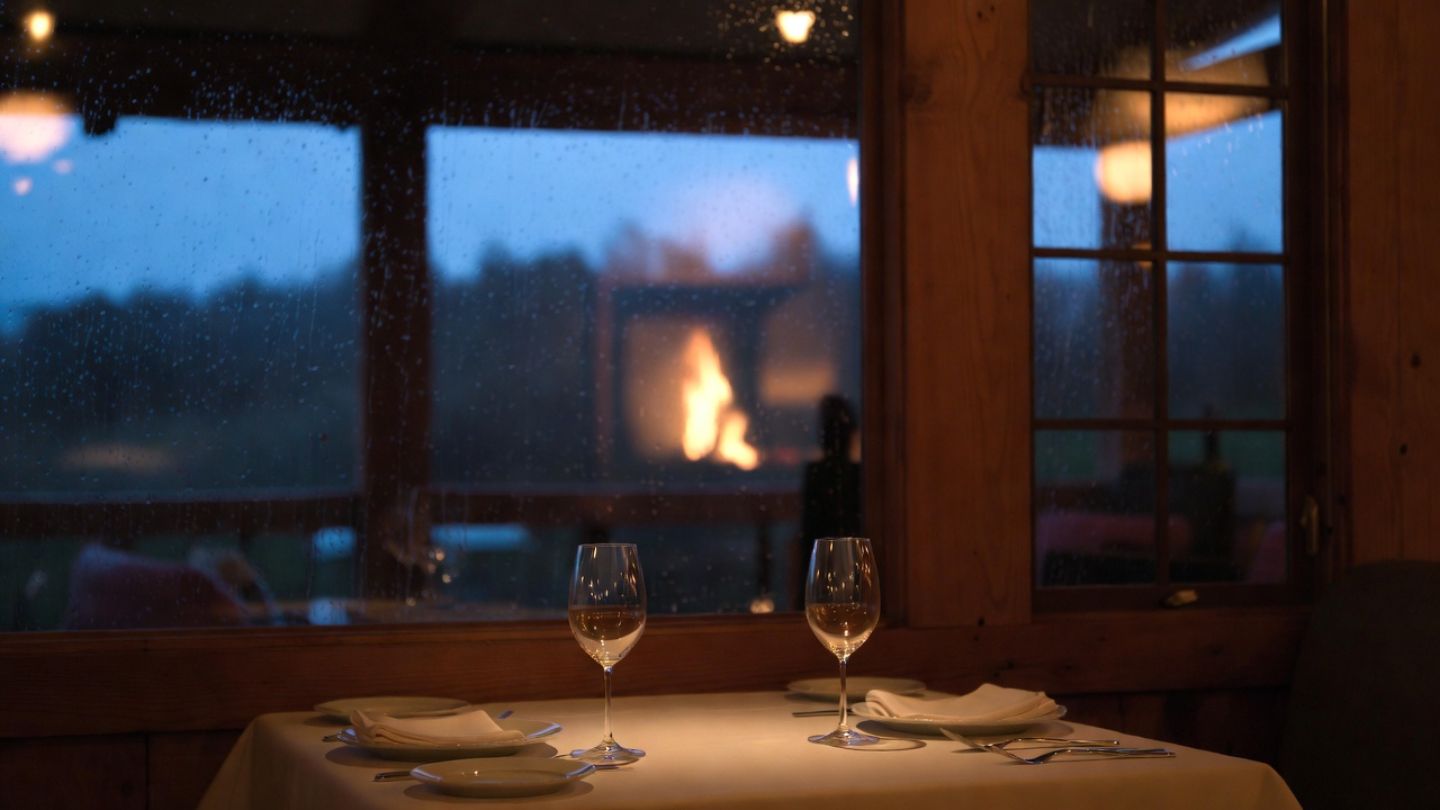
Rain is an invitation to stay at the table. Look for restaurants with fireplaces and warmth, especially in St. Helena and Yountville.
Bakery mornings
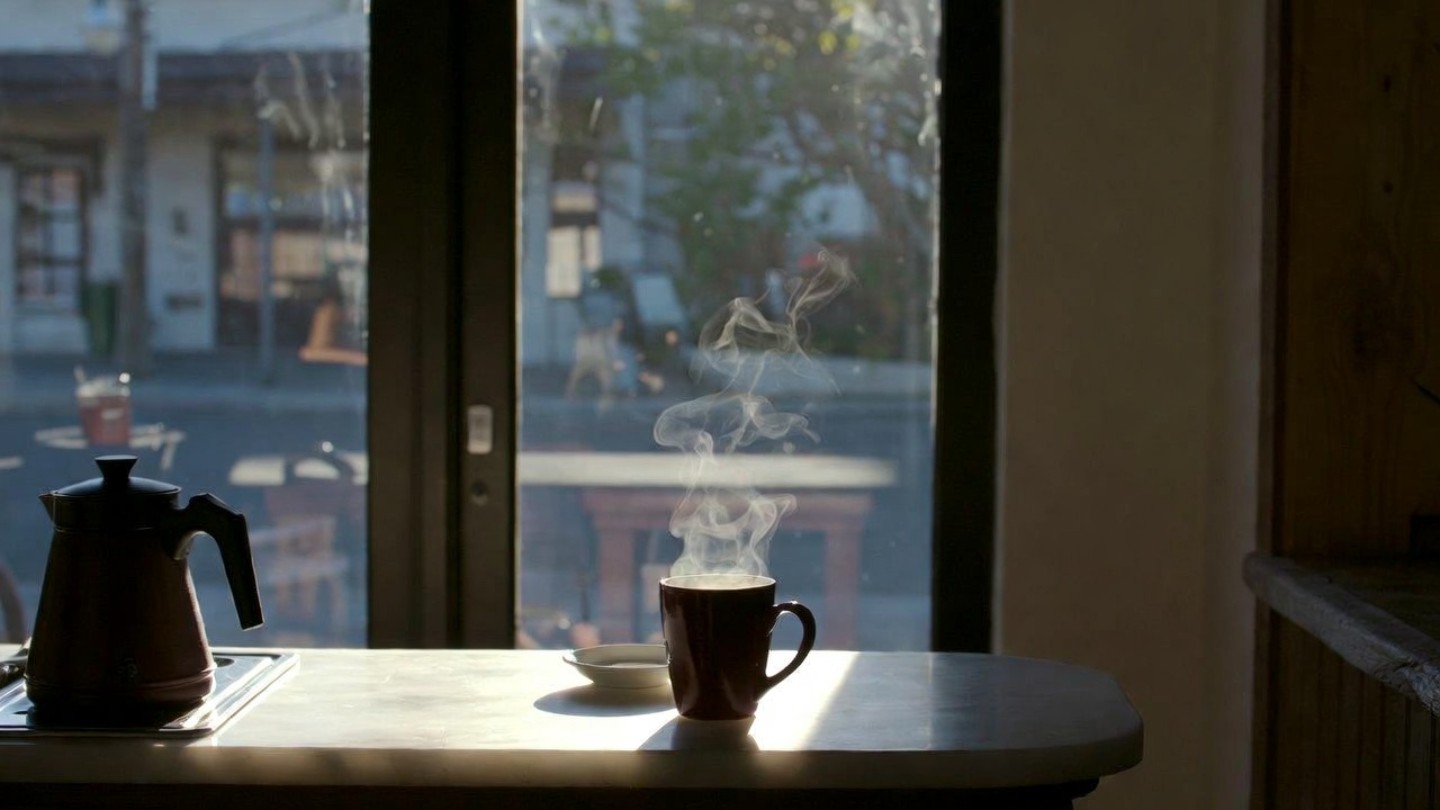
There is something especially right about starting a rainy Napa day with coffee and bread while fog hangs low and the town wakes quietly.
Indoor food and wine learning
Cooking classes and pairing experiences feel more focused when the weather keeps everyone inside.
When Rainy Days Are Best
Late fall:
After harvest, when cellars are full and the Valley exhales
Winter:
The truest slow season, with unhurried hospitality and deeper conversations
Early spring:
Rain brings green hills, swelling buds, and the lift of the morning fog
What Most Visitors Miss
Many people cancel Napa trips when rain appears in the forecast. Locals quietly smile and go anyway. Rainy days often bring the longest conversations, the most generous pours, and the kind of hospitality that only appears when things slow down.
A Short Personal Micro Story
I remember stepping into a cellar one rainy afternoon years ago, jacket soaked, boots muddy, expecting a quick tasting. We stayed nearly two hours. The rain kept everyone inside, stories unfolded, and I learned more that day than during a dozen sunny visits combined. Napa taught me then that weather can be an invitation, not an obstacle.
My Local Notes
Silverado Trail vs Highway 29:
In heavy rain, the Trail is quieter and more scenic, but watch for runoff near Stags Leap District
Rutherford benchlands:
Even in the rain, the soil tells its story as Rutherford dust turns dark and dense
Architecture matters:
Modern glass and stone wineries feel especially moody and beautiful on gray afternoons
Wineries with Exceptional Indoor Spaces
Schramsberg Vineyards for historic caves
Jarvis Estate for a fully underground experience
Del Dotto Vineyards for barrel focused tastings mid story
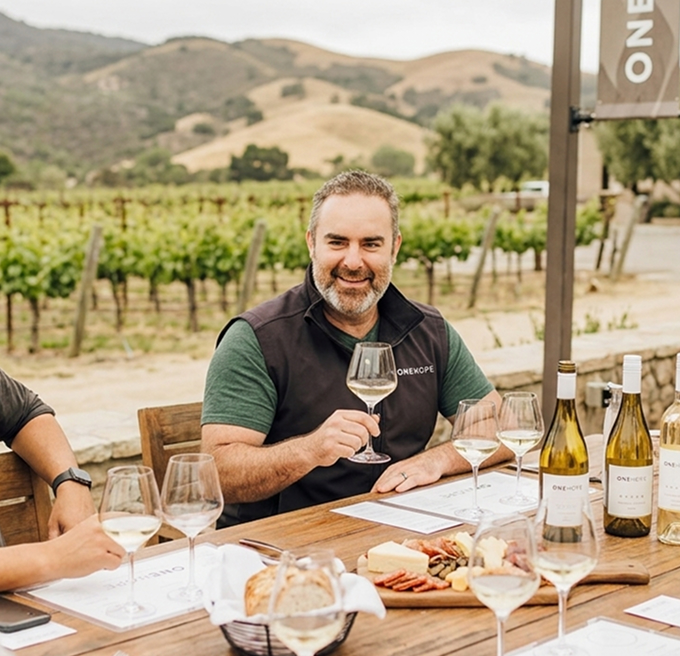
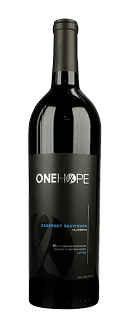
I will admit a little bias here. Some of my favorite days at Estate 8 have been rainy ones. The house feels quieter, conversations linger, and the hospitality we built through ONEHOPE shows itself most clearly when there is nowhere else to rush to. Rain brings out the presence the place was designed for.