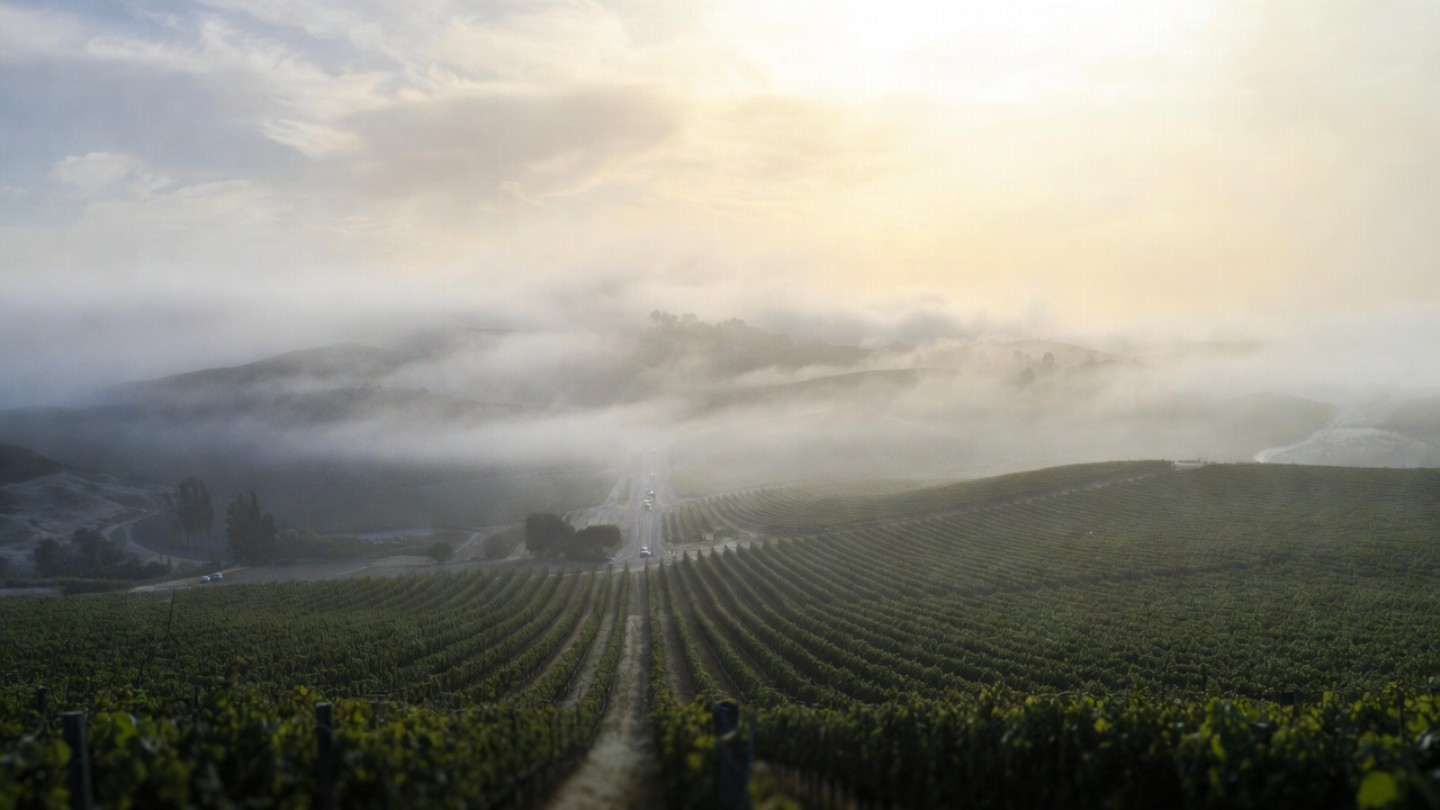
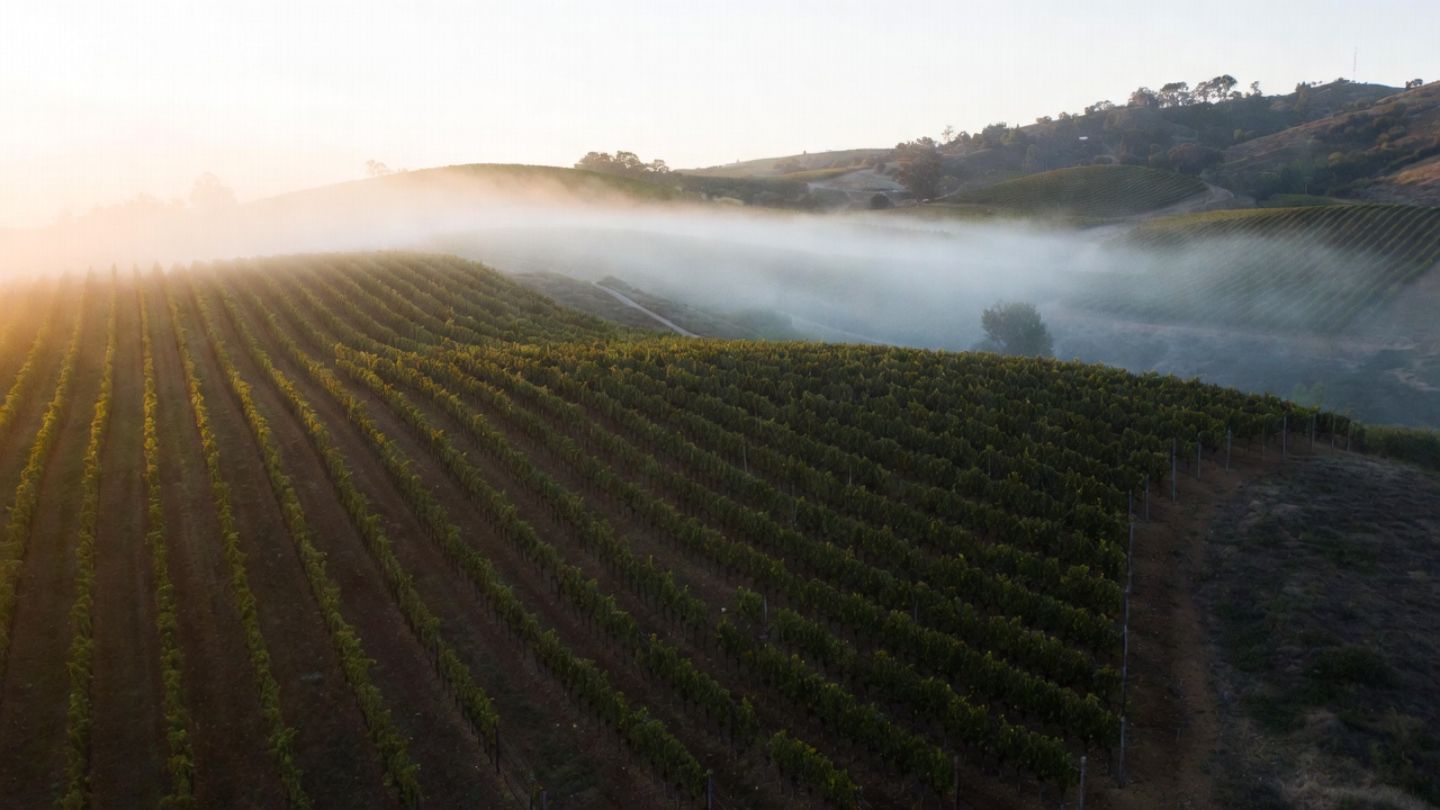
There is a moment on the drive up from Marin when the conversation naturally changes. You cross the Richmond San Rafael Bridge, follow Highway 37 through the marshlands, and slip into Carneros as fog moves low across the vines. Somewhere between the first rows of vineyards and the turn north toward Rutherford, the landscape stops being scenery and starts becoming questions.
Why does this block feel cooler than the next? Why does fog cling to the benchlands while the valley floor warms faster? Napa Valley has always rewarded curiosity. If you come looking to understand wine rather than just taste it, the Valley meets you halfway.
For Marin County travelers who already know the basics and want to go further, Napa offers a quieter, more thoughtful side. This is the Valley of soil pits, elevation shifts, clone choices, and tastings that slow down enough to teach you something real.
What This Experience Is Really About
This is not about chasing cult labels or checking off famous names. It is about understanding why Napa Cabernet tastes the way it does. Education focused travel here connects soil types, microclimates, farming decisions, and human judgment to what ends up in the glass.
As a Napa native, I have seen the Valley reward people who slow down and ask better questions. If you come from Marin already thinking about food systems, land use, and craftsmanship, Napa feels like a natural extension of that mindset.
Terroir Focused Tastings Worth Seeking Out
Look for wineries that structure tastings around place rather than prestige.
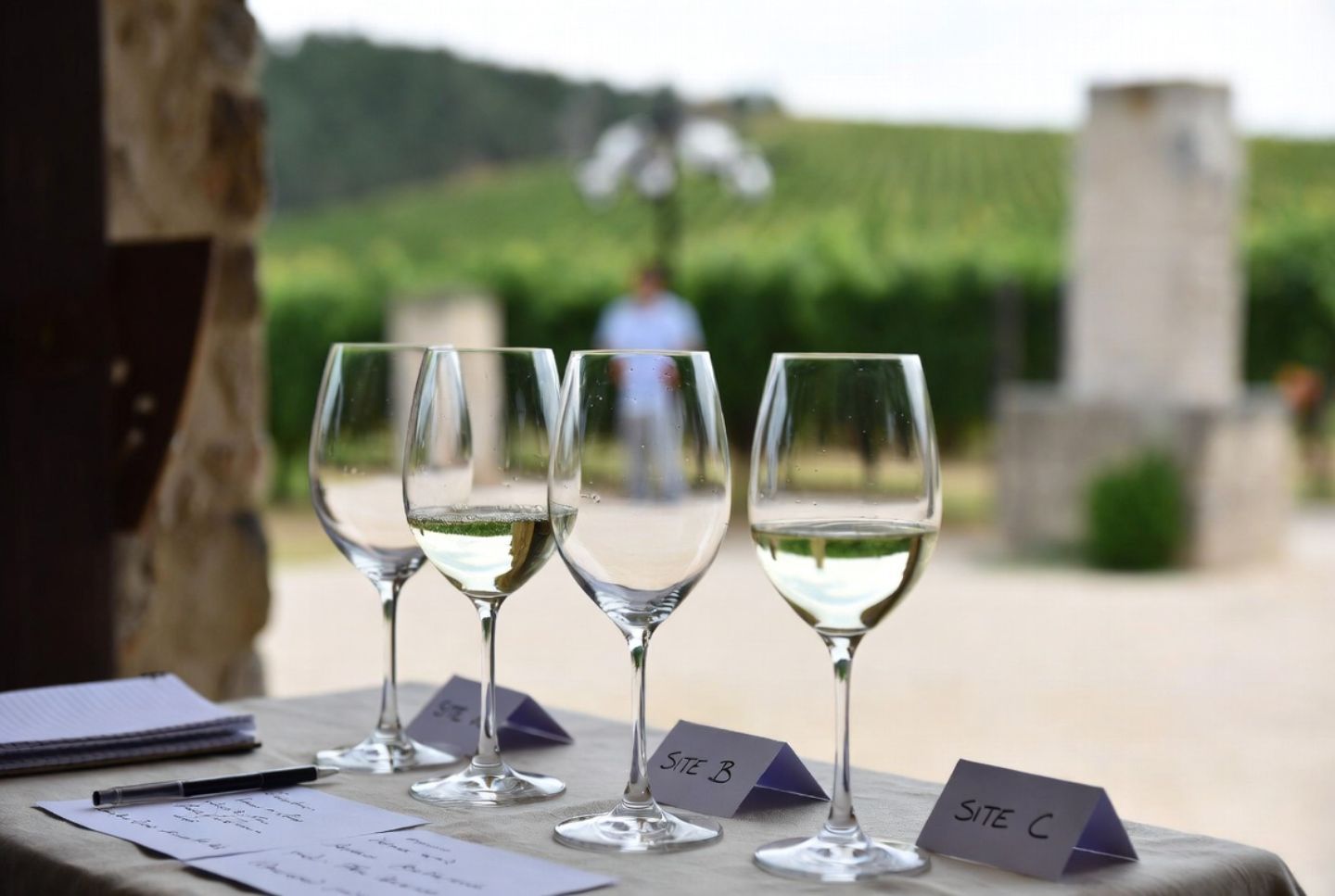
Single vineyard site comparisons
Tastings that pour the same variety from different blocks or elevations show how valley floor fruit differs from benchland and mountain sites.
Appellation driven flights
Some producers pour wines by AVA, letting you taste Oakville next to Rutherford or Spring Mountain in one sitting.
Vineyard walks included
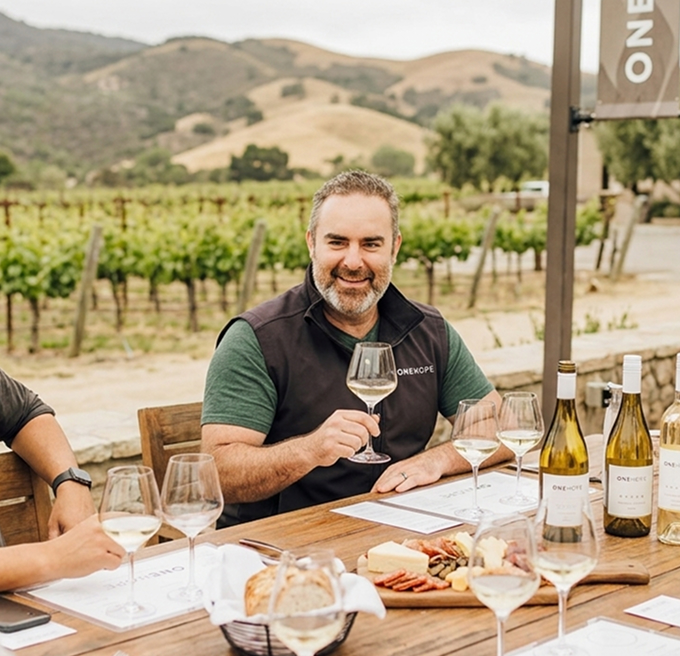
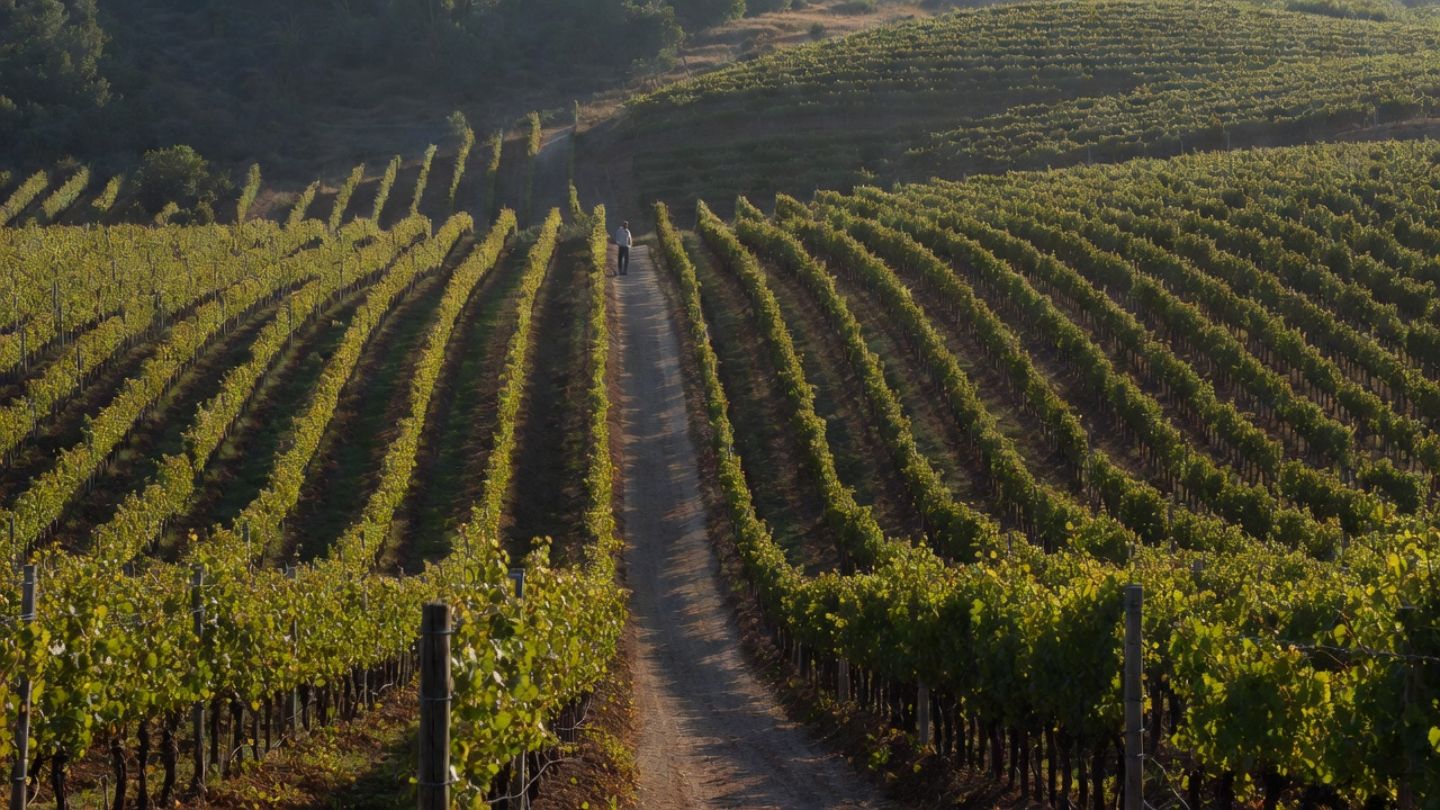
The most educational tastings begin outside. Walking rows, touching soil, and seeing canopy decisions makes the glass make sense.
When It Is Best for Learning
Winter:
Cellars are quiet, fires are lit, and winemakers often have time for deeper conversation.
Spring:
Vineyard life cycles come into focus as buds break and the lift of the morning fog defines each site.
Fall harvest:
Energy is high, fermentation is active, and learning happens in real time.
What Most Visitors Miss
Many people taste without looking up. Educational Napa asks you to notice slope, row direction, afternoon light, and temperature shifts. These details are not background. They are the lesson.
A Short Personal Micro Story
I remember standing with a grower one winter morning, boots sunk in the mud, talking through pruning cuts before tasting wine made from that exact block. Nothing about that tasting felt rushed. The connection between decision and result stayed with me, and it still shapes how I experience Napa today.
Simple Learning Focused Itineraries
If you only have one hour:
Choose a single appointment only tasting that includes a vineyard walk. Skip the second stop and stay present.
If you have a full afternoon:
Begin in Rutherford with a site driven tasting. Break for a simple lunch nearby. Finish on a hillside property where elevation and exposure shift both flavor and perspective.
A Gentle, Biased Note
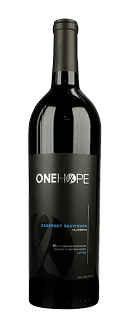
I will admit a little bias. Education has always mattered to me. When we built ONEHOPE and our home at Estate 8, the intention was to connect wine back to land, people, and purpose. Some of the most meaningful tastings I have shared there were quiet, question filled, and rooted in farming rather than formality. That approach still shapes how I recommend Napa to others.