If you are burned out, you already know the difference between time off and real rest. One is a break filled with plans, reservations, and stimulation. The other is quiet enough that your body finally realizes it can exhale.
Napa Valley, when approached with intention, offers that second kind of rest. Not a wellness checklist or a performative retreat, but agricultural space. Long mornings without urgency. Fewer decisions. Roads that repeat themselves. A landscape that does not ask you to optimize anything. For professionals carrying constant cognitive load, Napa can become a place where the nervous system slowly shifts out of alert mode and into something steadier.
What This Experience Is Really About
This kind of trip is not about self improvement or productivity. It is about regulation.
Burnout is rarely just physical exhaustion. It is chronic overstimulation. Too many inputs. Too many decisions. Too much social performance. Napa works when you let it subtract instead of add.
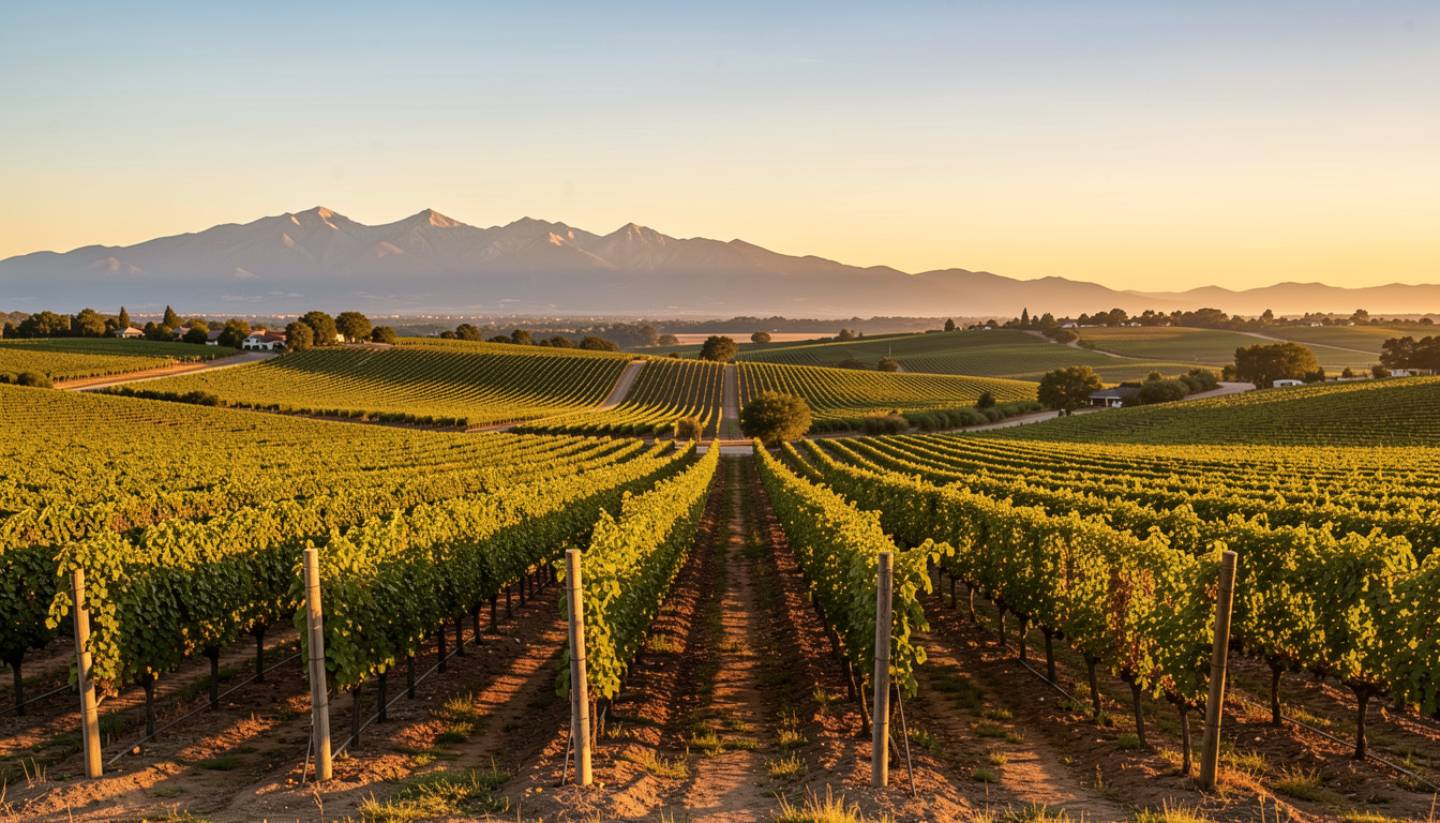
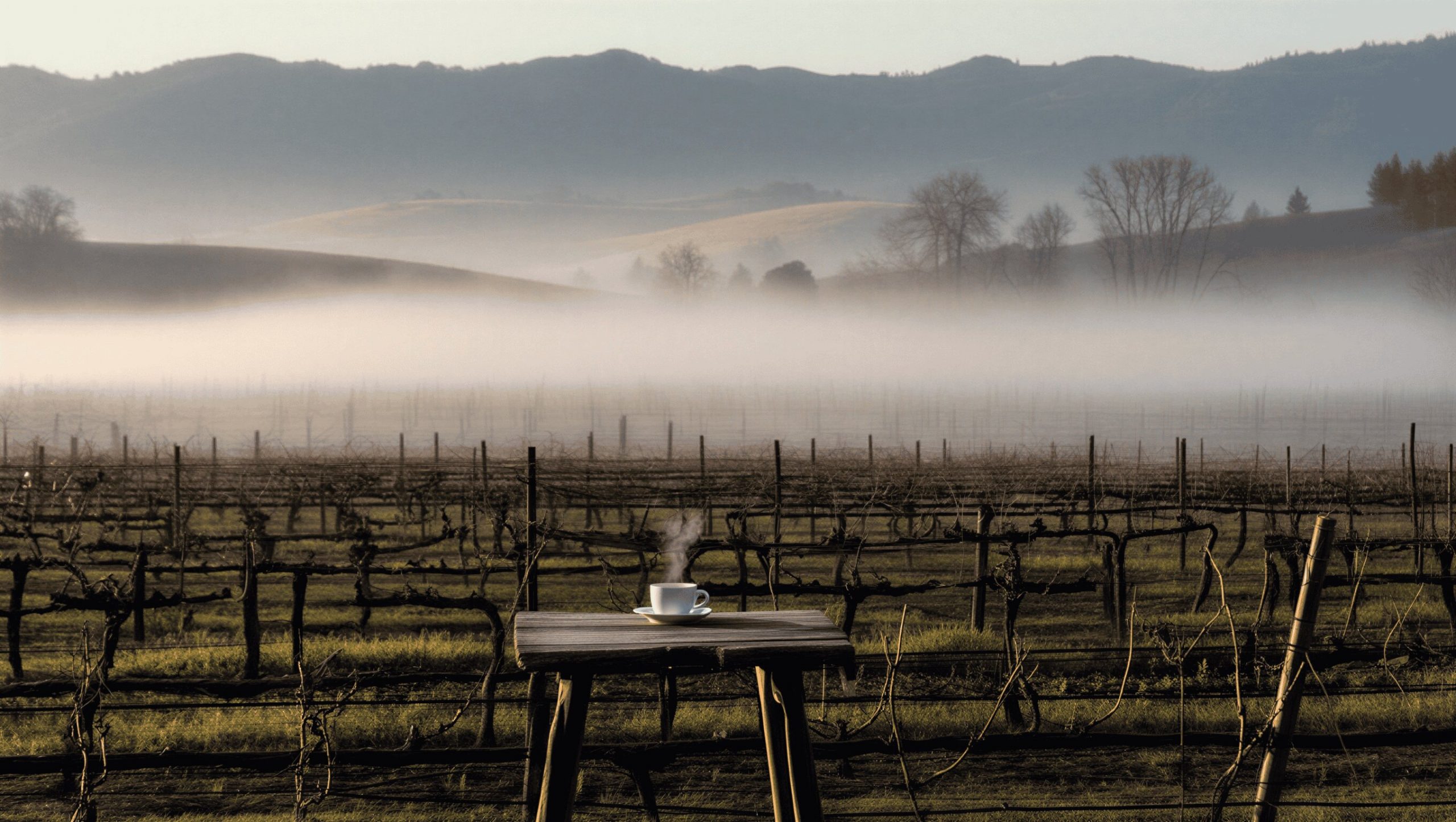
The valley’s agricultural rhythm helps with this. Vines resting in dormancy. Crews moving methodically through rows. Long stretches of land that look almost the same mile after mile. That visual repetition is not boring. It allows the brain to stop scanning and finally settle.
Where Napa Naturally Supports Real Rest
Instead of chasing must see stops, look for the valley’s quieter zones that locals rely on.
The Silverado Trail (East Side of the Valley)
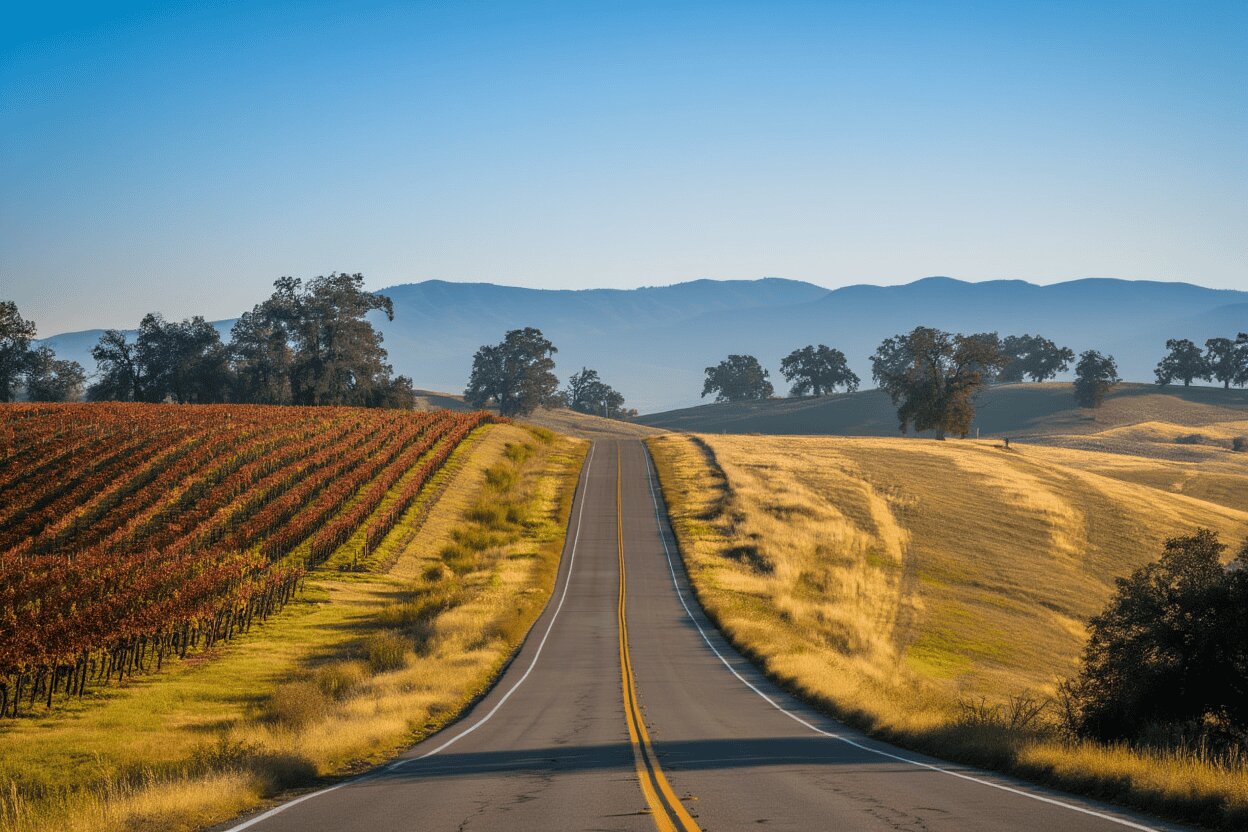
Locals simply call it the Trail. It runs along the Vaca Range and avoids the congestion of Highway 29. Traffic is lighter. Views are longer. The pace is noticeably calmer.
Walkable Yountville
If you want to park your car and stop making decisions, Yountville works well. Flat paths, garden pockets, and a scale that encourages wandering without purpose.
The Benchlands
Areas like Oak Knoll and the Rutherford Bench sit between town and hillside. You get deep vineyard immersion without the noise of town centers.
Bothe Napa Valley State Park
For people whose nervous systems calm fastest in shade, the redwood groves here offer cooler air, softer light, and a different sensory register than the valley floor.
Local directional cue: When arriving from the Bay Area, skip downtown Napa entirely and enter the valley via Trancas Street to connect directly to the Silverado Trail. The transition into quiet happens faster.
A Slow Day That Actually Restores
Morning
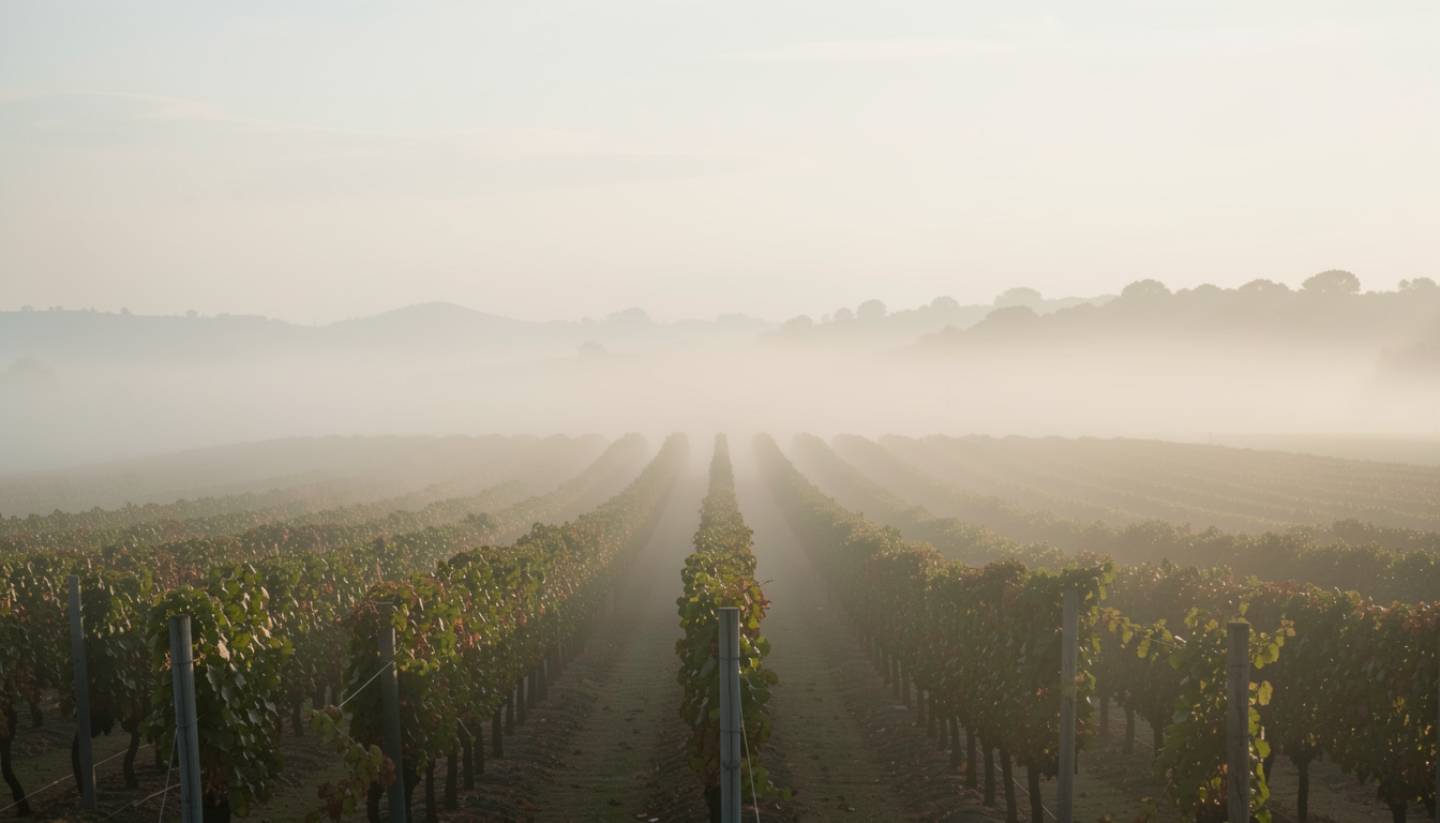
Wake without an alarm. Coffee outside if possible. No screens for the first hour. Watch the marine layer lift off the Mayacamas.
Midday
One gentle activity only. A short walk through the Yountville paths or a long, quiet lunch somewhere with a garden.
Afternoon
The big rest. Nap. Read. Sit still. Watch the light move across the vines.
Evening
Simple food. Early night. Let full rural darkness arrive.
The goal is not to fill the day. It is to let time stretch until your body catches up.
A Small Personal Story
I have seen burnout sneak up on people who look fine from the outside. I have felt it myself. Some of my most grounding moments have come on quiet mornings walking vineyard rows near Estate 8 before anyone else was awake. No agenda. Just repetition, breath, and the sound of gravel underfoot.
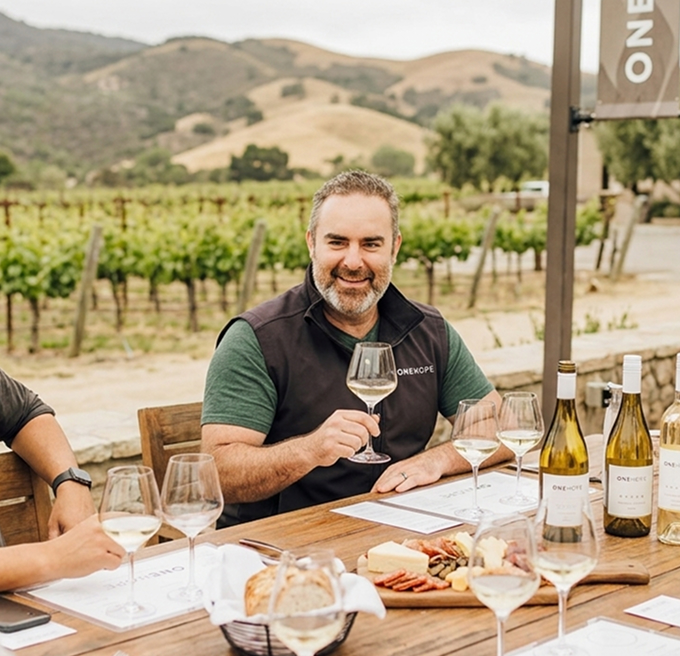
I am biased. ONEHOPE and Estate 8 are my life’s work. But long before either existed, Napa taught me the value of stillness. It reminds you, over and over, that nothing needs to happen right now.
What Most Rest Seekers Get Wrong
They try to optimize rest. They schedule wellness with the same intensity they bring to quarterly reviews.
True recovery does not respond well to optimization. It responds to absence. Absence of noise. Absence of deadlines. Absence of needing to be interesting.
Napa supports rest only if you allow the empty spaces to stay empty.