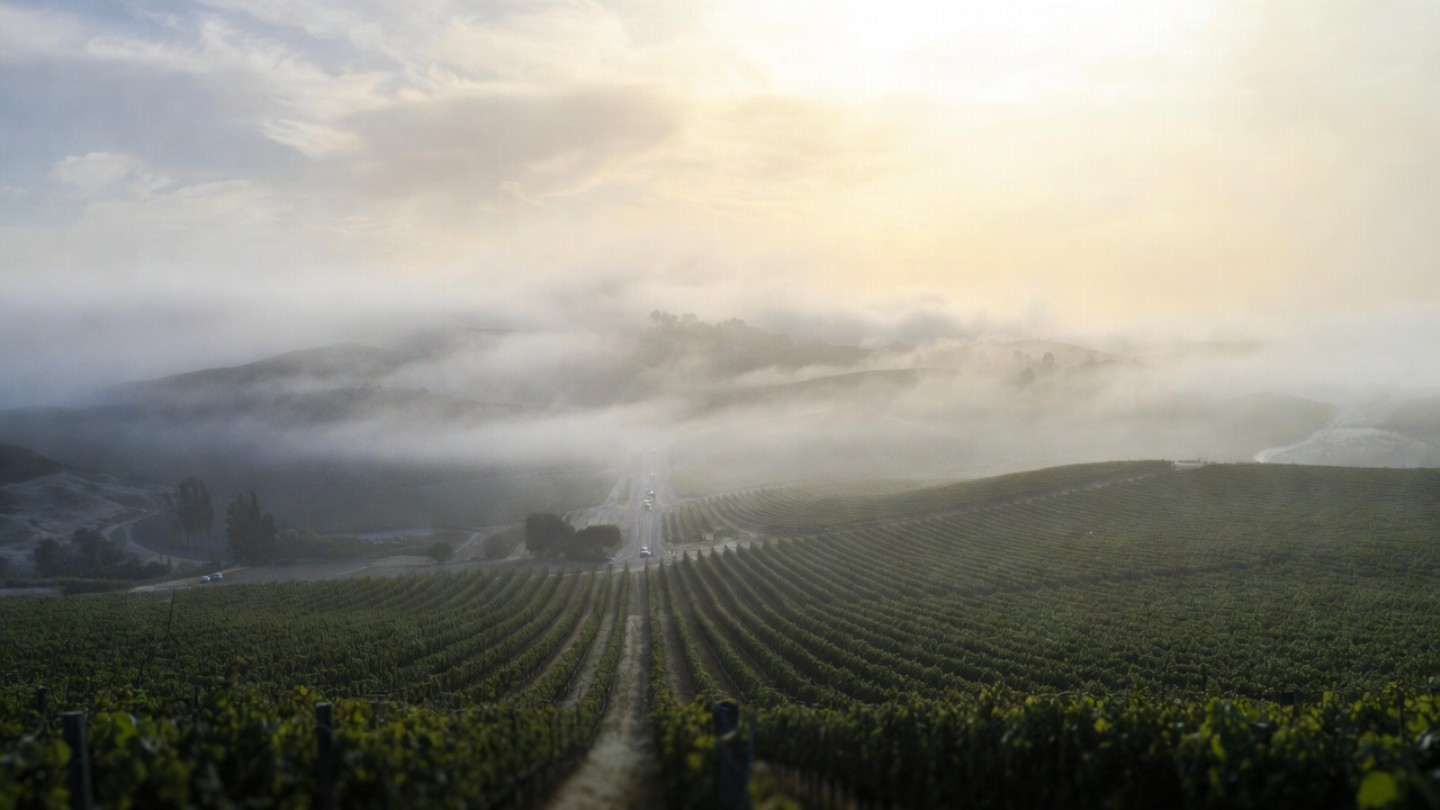
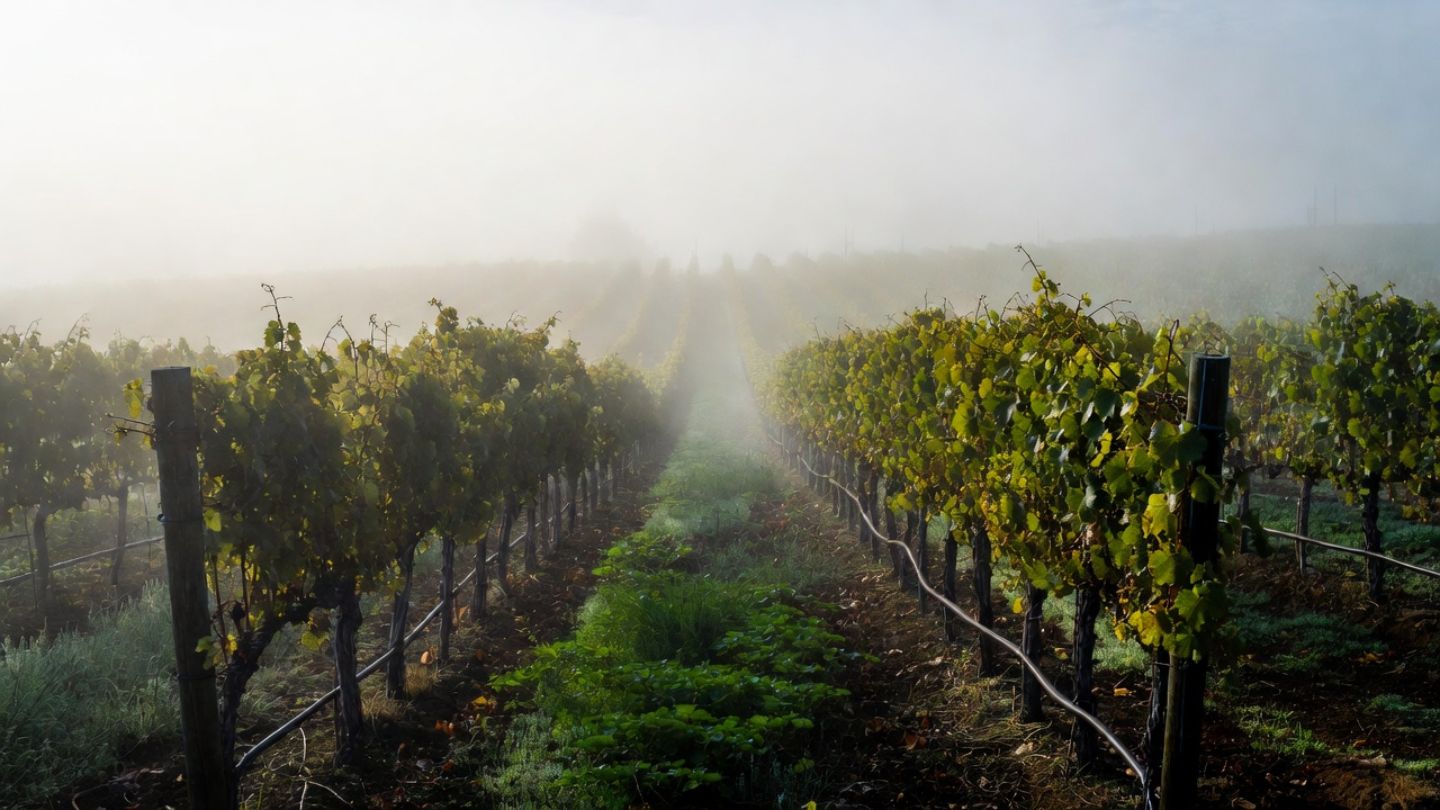
If you live in Marin County, sustainability is not a talking point. It is how you shop, how you hike, and how you decide where to spend time. Napa Valley has been moving in that same direction for a long time, just often without announcing it. On many mornings, you can watch fog lift slowly off the Rutherford benchlands, feel the temperature shift as the sun reaches the valley floor, and sense that this is a place shaped by patience. For travelers coming from Marin who care about land, farming, and long-term stewardship, Napa meets you where you already are.
What This Experience Is Really About
Sustainable travel in Napa is about intention, not perfection. It means choosing fewer places and staying longer, listening more than tasting, and understanding that wine is an agricultural product before it is a luxury one. Much like Marin, Napa reveals itself through how land is treated and how people talk about it. The deeper the conversation goes, the more the place stays with you. As I often say, the memory becomes the souvenir.
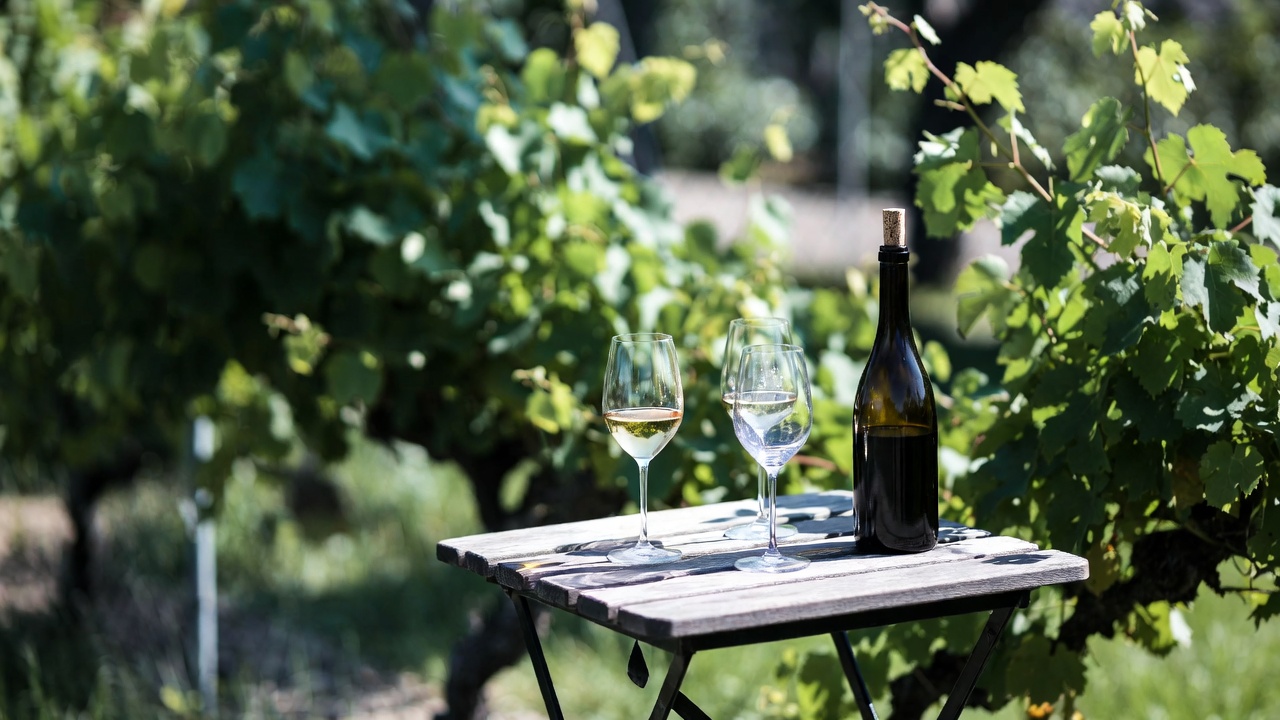
Regenerative and Organic Vineyards to Know
Many Napa growers practice organic, biodynamic, or regenerative farming without making it the headline. It is simply how they work.
Frog’s Leap (Rutherford)
A longtime leader in dry farming and organic viticulture. Their relaxed hospitality reflects a deep respect for natural cycles and water conservation.
Matthiasson (Oak Knoll District)
Farmer first in both mindset and practice. Their wines are restrained, food driven, and built around soil health and biodiversity.
Grgich Hills Estate (Rutherford)
Certified organic and biodynamic with a multigenerational commitment to environmental responsibility.
Local Insight: Start by asking how a vineyard farms before asking about tasting notes. You will understand the wine much faster.

Eco Minded Places to Stay
Where you sleep shapes how lightly you move through the valley.
Bardessono (Yountville)
A LEED Platinum property powered by solar energy and geothermal systems. Its walkable location makes it easy to leave the car parked.
Stanly Ranch (Carneros)
Thoughtfully integrated into the Carneros landscape with regenerative planting and low impact design.
Local Note: Many small Napa inns quietly practice water conservation and seasonal sourcing without formal certifications. Asking the question often leads to the best conversations.
How to Travel Napa Sustainably
Drive Less
Choose one area per day. Carneros one day, Rutherford the next. Napa rewards staying put.
Eat Locally
Seek out restaurants that work closely with regional farms. Farmstead, Charter Oak, and long standing bistros up and down the valley reflect that ethic.
Choose the Quiet Seasons
Winter and early spring bring green hillsides, fewer cars, and more time with the people pouring the wine.
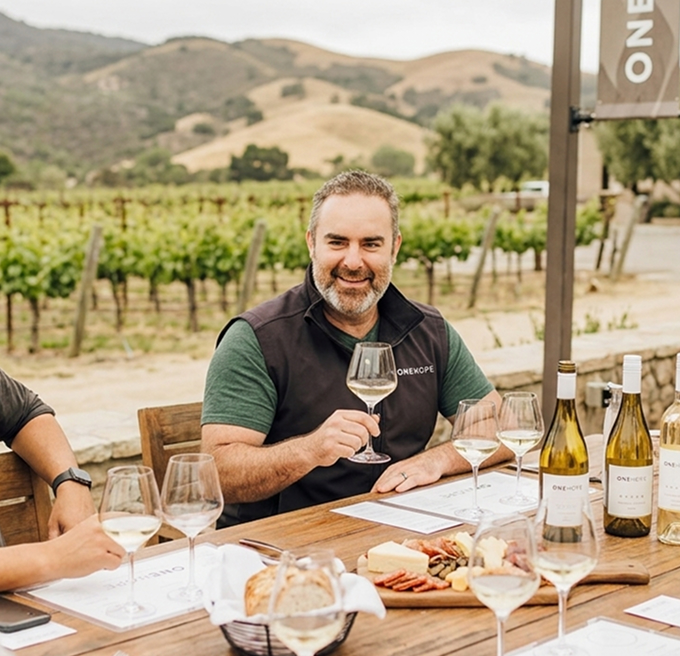
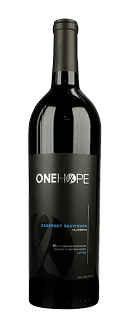
A Short Personal Micro Story
Growing up here, sustainability was never framed as a movement. It was just how people farmed when they planned to be here for generations. I remember walking vineyard rows where cover crops mattered as much as the grapes themselves. That mindset carried into how we built ONEHOPE and Estate 8. I am biased, of course. This is my home and my purpose. But whether guests visit us or one of our neighbors, the conversations that matter most almost always begin with the land.