Luxury in Napa Valley used to be easy to spot.
Marble tasting bars. Library only reserve lists. Private drivers idling outside estate gates along Highway 29.
If you look closely today, the most meaningful signals of luxury are quieter.
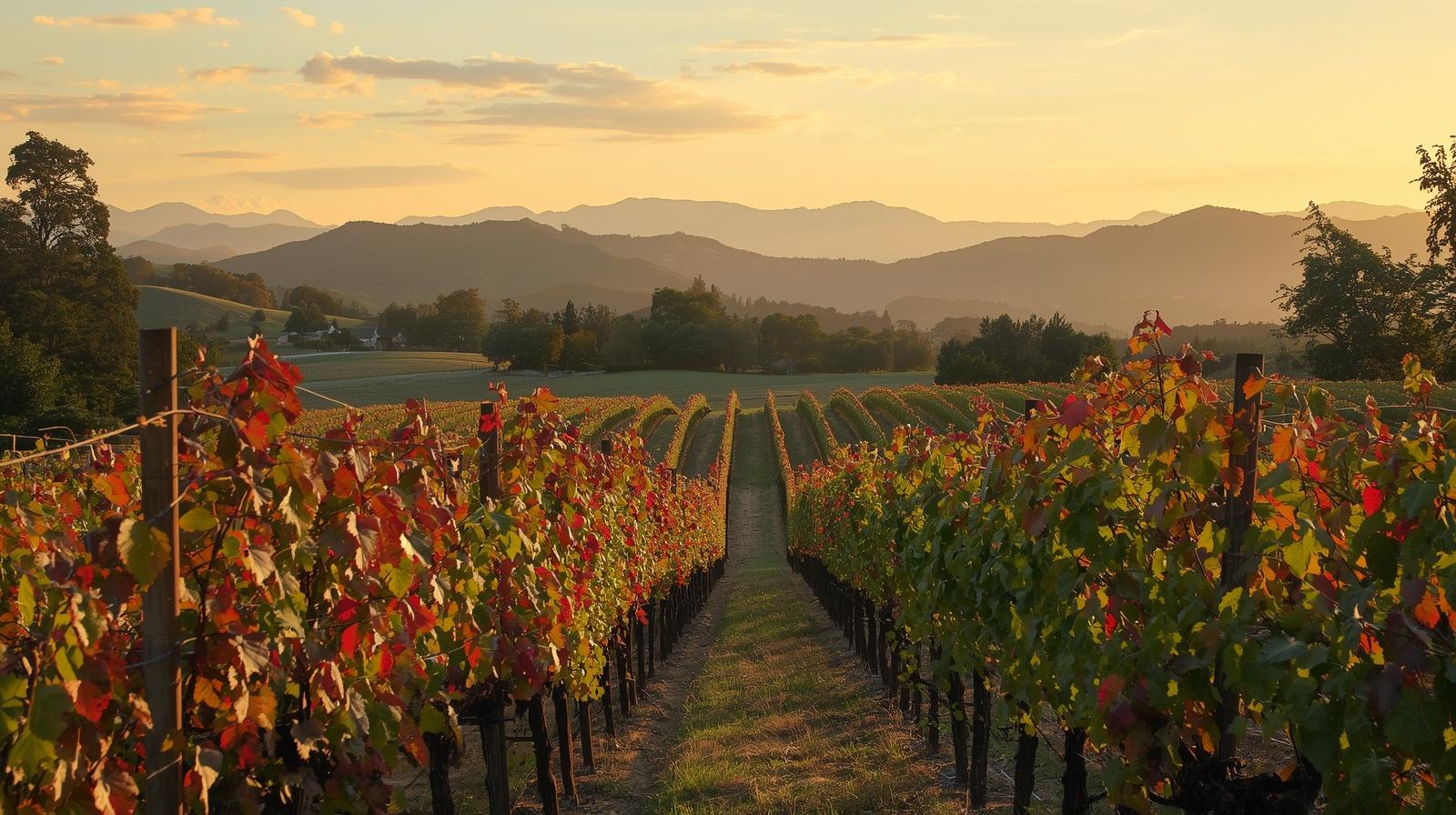
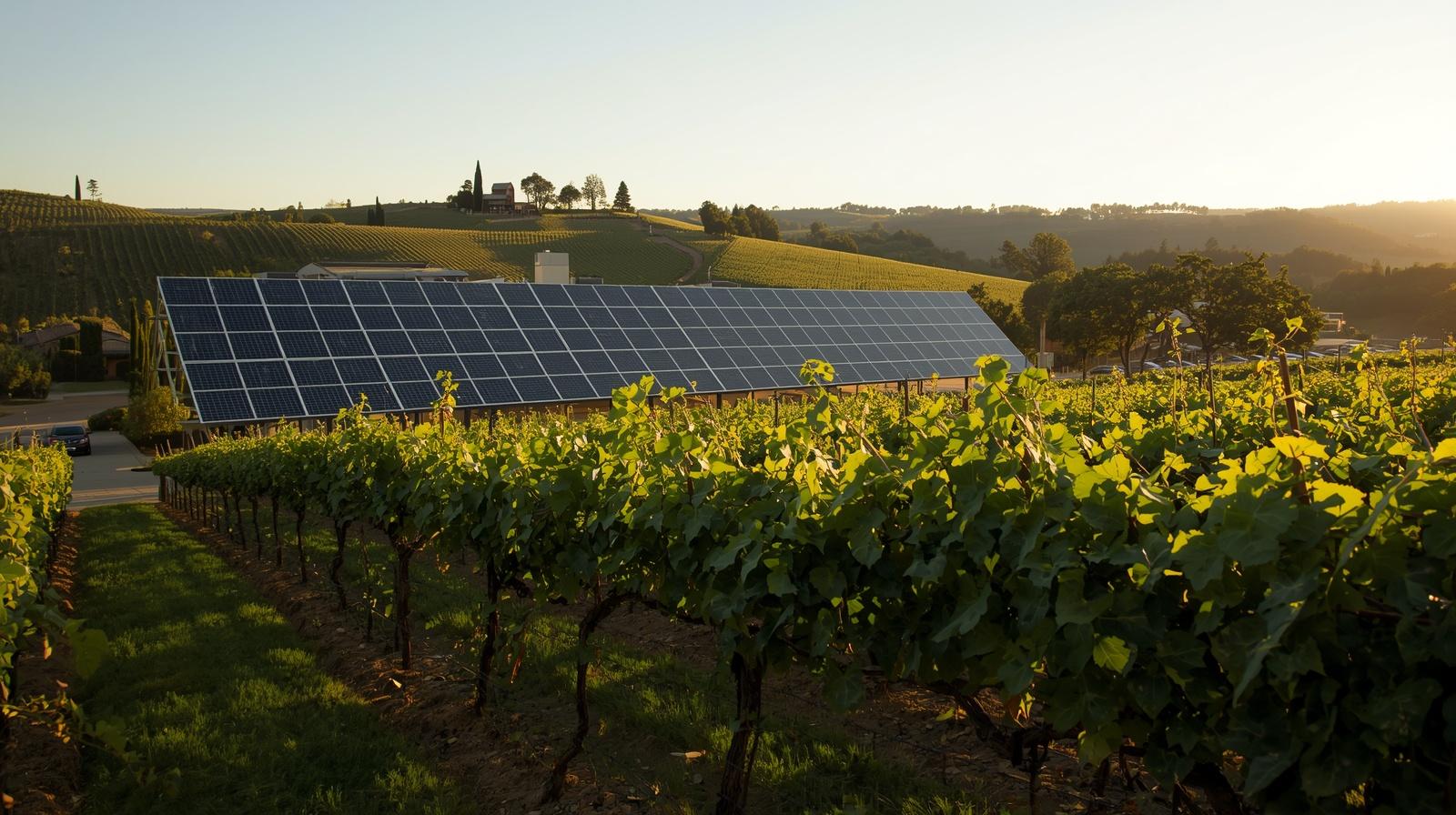
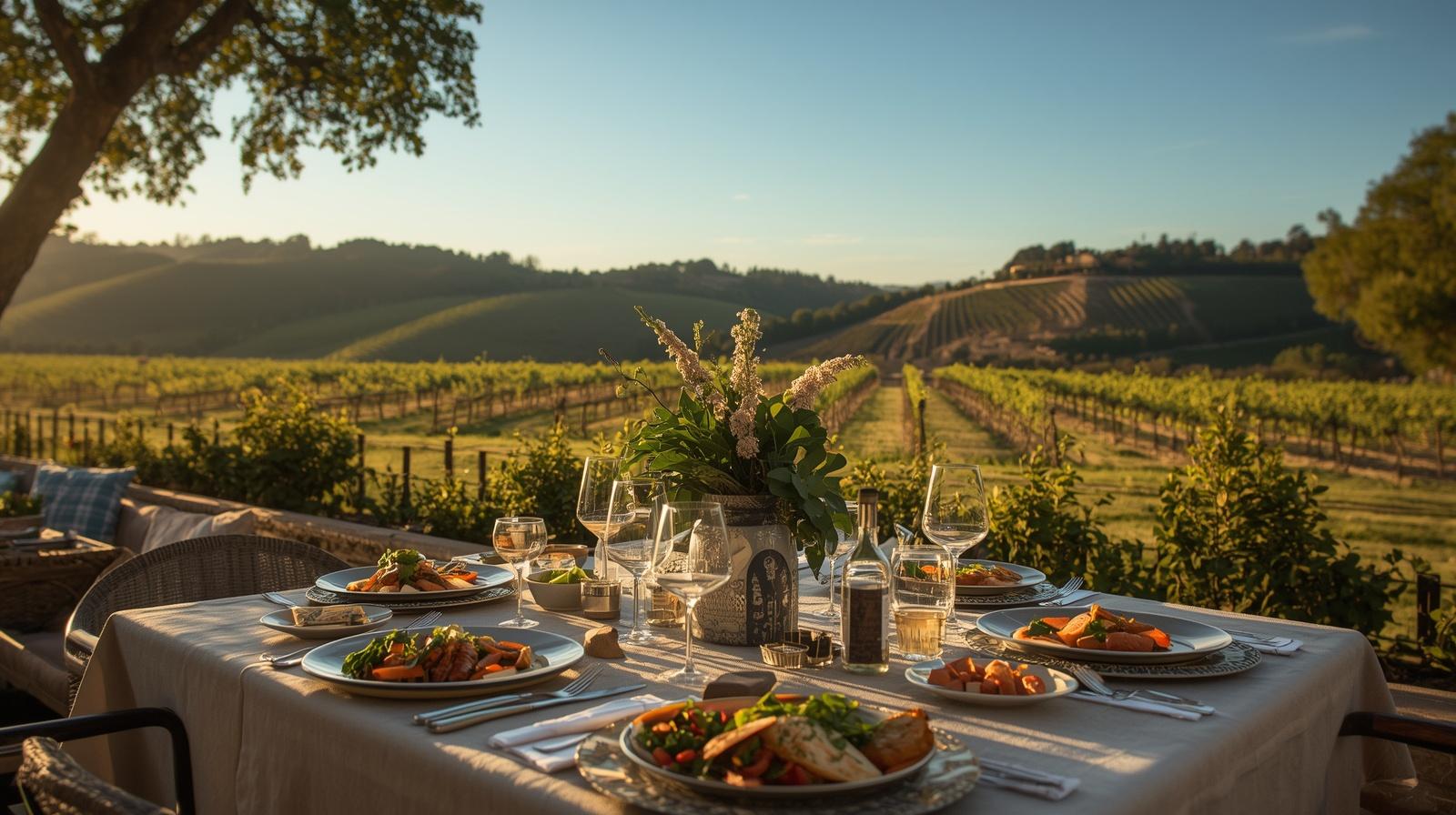
Solar arrays set back behind vineyard rows in St. Helena. Cover crops stretching between vines on the Rutherford Bench. Chefs in Yountville building tasting menus around what was harvested that morning from a nearby farm.
Growing up here, I watched Napa shift from a working agricultural valley into a global symbol of refinement. What has never shifted is the land itself. Ethical luxury in Napa Valley is not about excess. It is about stewardship paired with precision.
What This Experience Is Really About
Ethical luxury Napa style is about alignment.
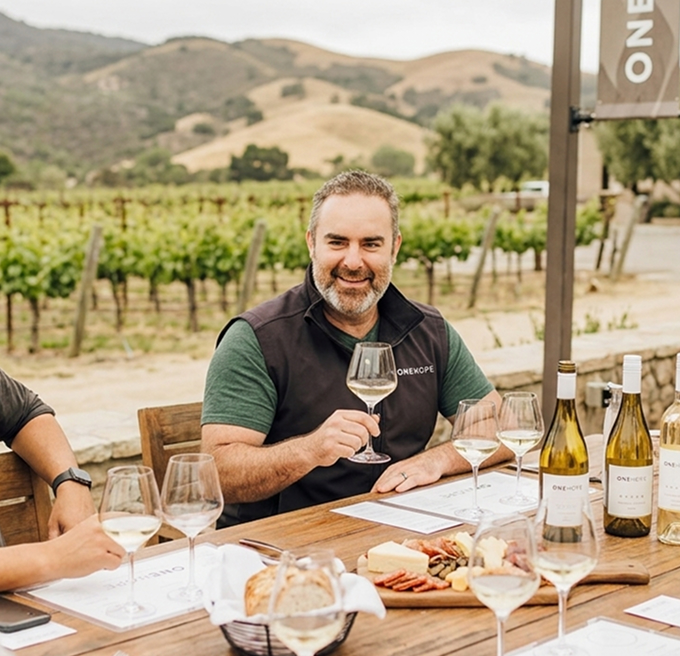
It means sitting down for a private tasting in Oakville and understanding how regulated deficit irrigation protects water resources. It means dining in Yountville where menus reflect Five Dot Ranch beef or produce sourced from nearby valley farms. It means choosing lodging in St. Helena that invests in solar infrastructure and local workforce support.
Napa’s Mediterranean climate demands discipline. Long dry summers require careful water management. Soil health on the Rutherford Bench shapes not just this vintage, but the next fifty.
True luxury here is accountable. When you stand on Silverado Trail looking across vineyard blocks, the decisions made beneath your feet matter for the next generation.
The Ethical Map of Napa Valley
The Valley Floor along Highway 29
Historic estate wineries leading Napa Green certifications and large scale sustainability reporting.
Silverado Trail
Often home to smaller estate driven producers focused on biodynamics, solar autonomy, and low intervention farming.
The Mountain AVAs such as Howell Mountain and Mt Veeder
High elevation sites frequently committed to watershed protection and Fish Friendly Farming practices.
Calistoga
Geothermal spa culture that, when managed responsibly, reflects a long history of natural resource stewardship.
Ethical luxury Napa travel becomes clearer when you understand geography.
When It Is Best
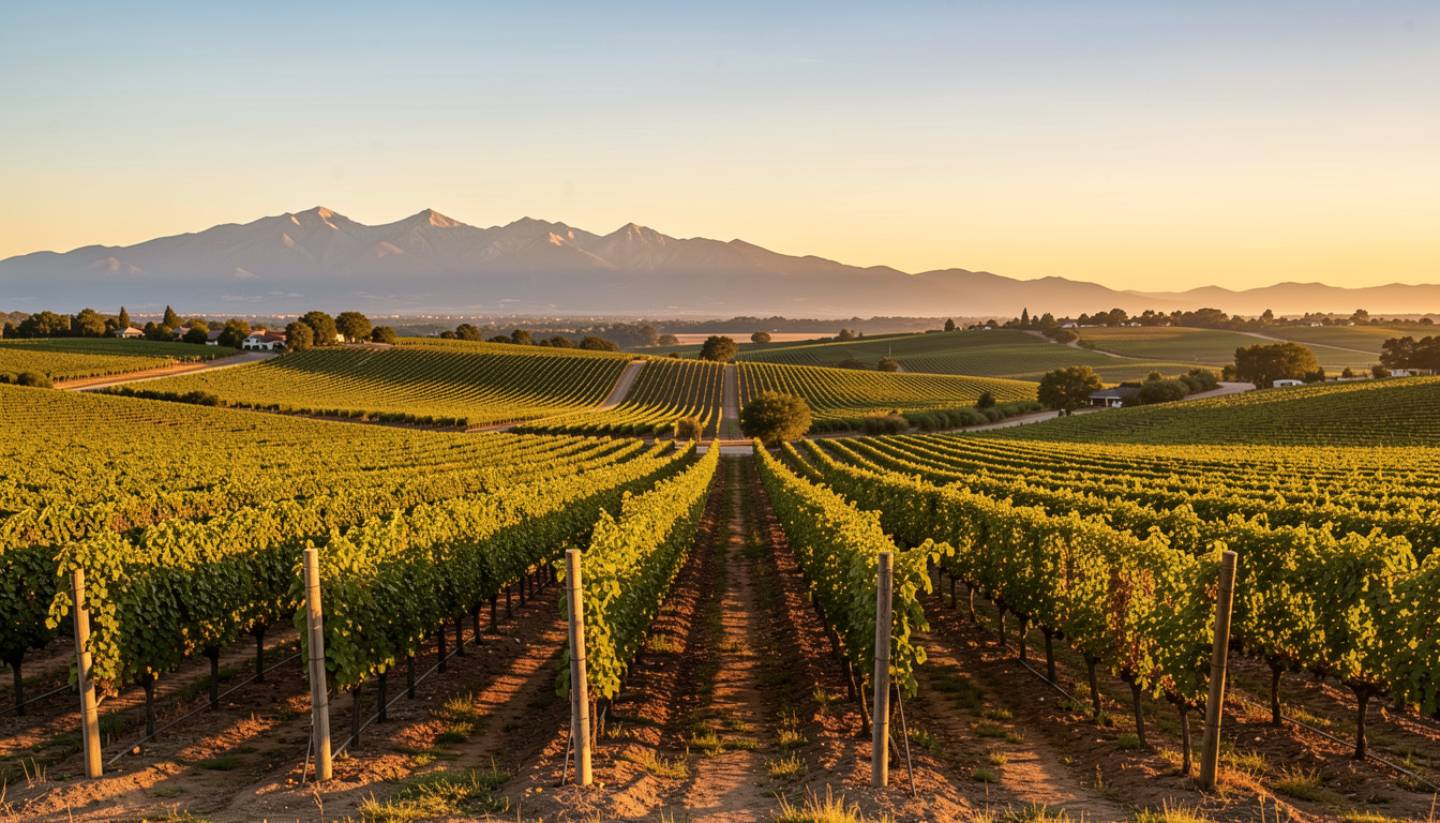
Spring from March through May is visually the most honest season. Cover crops of mustard, clover, and legumes blanket vineyard rows. These are not aesthetic choices. They prevent erosion, build nitrogen, and improve soil health.
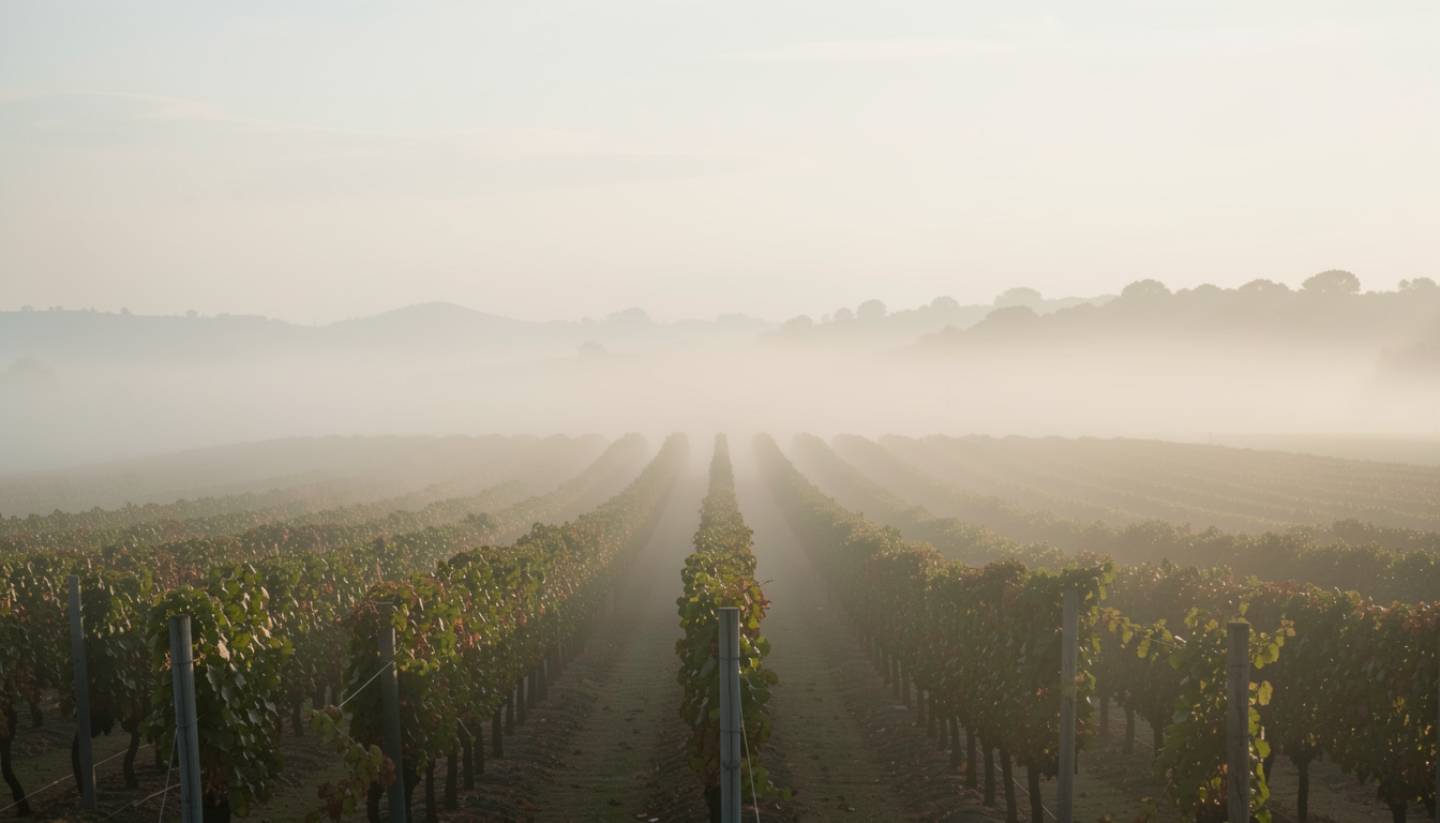
Harvest season from September through October reveals the labor behind luxury. Hand sorting. Small lot fermentations. Vineyard crews moving through rows at sunrise.
Winter is the quiet season. Estate teams have time to talk about carbon farm plans, solar conversions, and water usage without the rush of peak tourism.
Midweek visits allow deeper conversations about farming rather than surface tasting notes.
What Most Visitors Miss
Many travelers equate luxury with exclusivity. Locals understand the most meaningful luxury is collaborative.
Look for:
Napa Green Certified seals at winery entrances
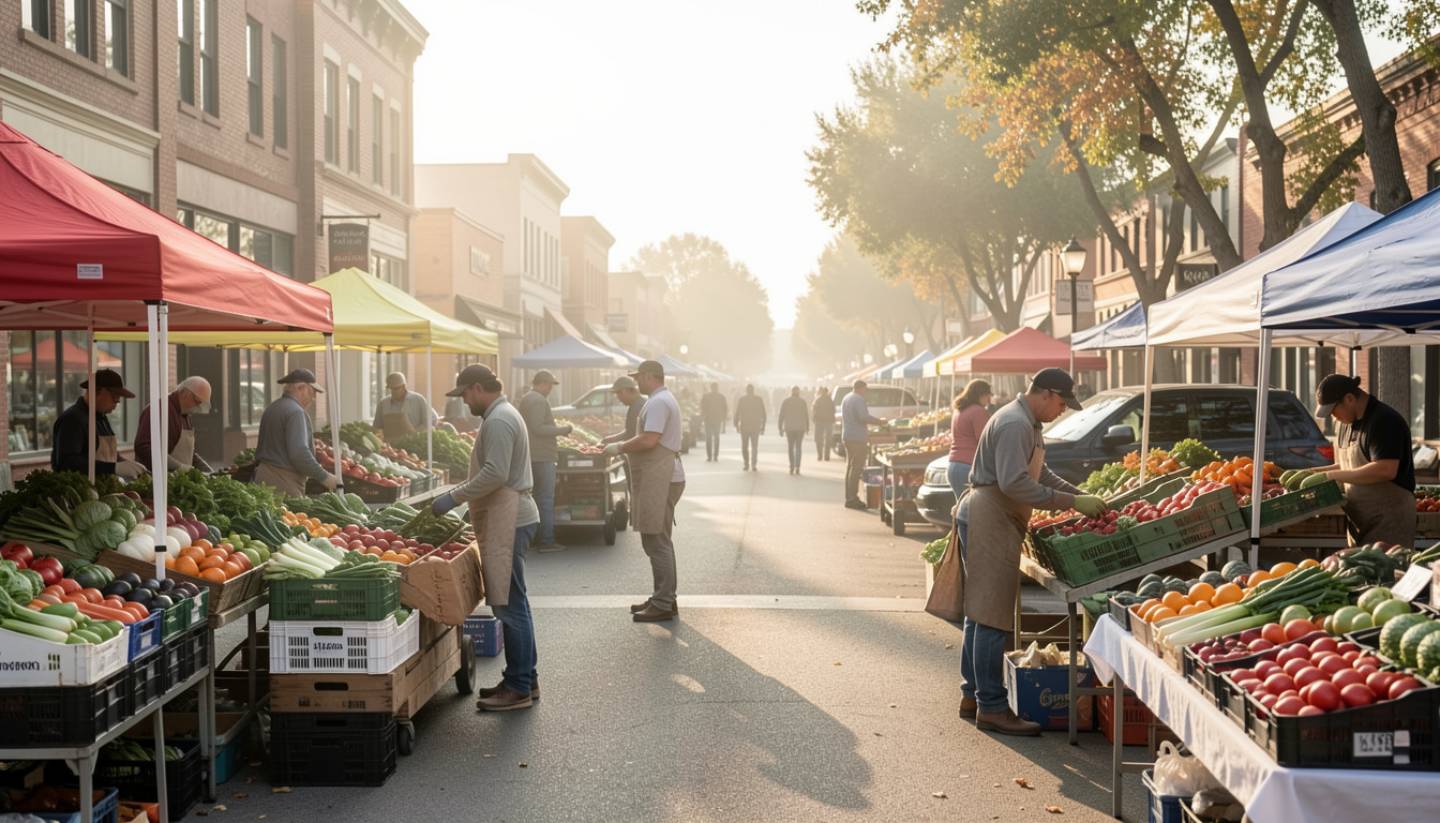
Restaurants that name check local ranches and farmers
Boutique hotels transparent about water conservation
Calistoga spas that responsibly manage geothermal extraction
Drive north from Yountville Cross Road and you will see vineyard blocks planted with cover crops rather than bare soil. That detail signals intention.
Ethical luxury Napa experiences are rarely loud. They are embedded in daily choices.

My Local Notes
I remember walking vineyard rows near Rutherford during a drought year. A grower showed me his soil moisture sensors and explained how he adjusted irrigation to protect both vine health and the Napa River watershed.
He was not talking about yield. He was talking about responsibility.
That conversation reshaped my definition of luxury.
When we developed Estate 8, I am admittedly a little biased, but vineyard orientation, water planning, and soil health were discussed with the same seriousness as architecture and guest experience. Design without stewardship felt incomplete.
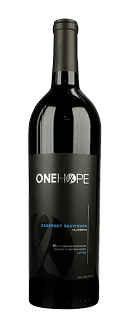
At ONEHOPE, pairing a high end experience with measurable community impact has always mattered to me. Ethical luxury in Napa should leave the land and the people better off, not simply impressed.
An Ethical Luxury Napa Itinerary
Stay
Choose a boutique hotel in St. Helena or Yountville with visible sustainability practices such as solar power or water conservation.
Taste
Book a vineyard focused estate tour in Oakville or Rutherford. Ask directly about regenerative farming Napa practices and irrigation strategy.
Dine
Reserve dinner in Yountville at a restaurant highlighting local sourcing and seasonal menus.
Wellness
Spend time in Calistoga at a geothermal spa committed to environmental responsibility.
Limit your schedule. Ethical travel values presence over accumulation.