If you really want to understand Napa Valley, do not begin in a tasting room.
Begin on a Tuesday night at a St. Helena City Council meeting. Or sit quietly in the Napa County Board of Supervisors chambers when vineyard development is on the agenda. Listen to how people speak about land. About water rights. About traffic along Highway 29. About preserving the valley floor between the Mayacamas and the Vaca Range.
In Napa, governance is not abstract. It is personal.
I grew up watching neighbors debate hillside planting ordinances with the same intensity they brought to harvest. In a valley this compact, local governance Napa style shapes every vineyard view, every boutique hotel approval, every tasting room permit.
If you are curious about how small town decision making works in a globally recognized destination, Napa Valley is a living case study.
What This Experience Is Really About
Small town governance in Napa revolves around stewardship.
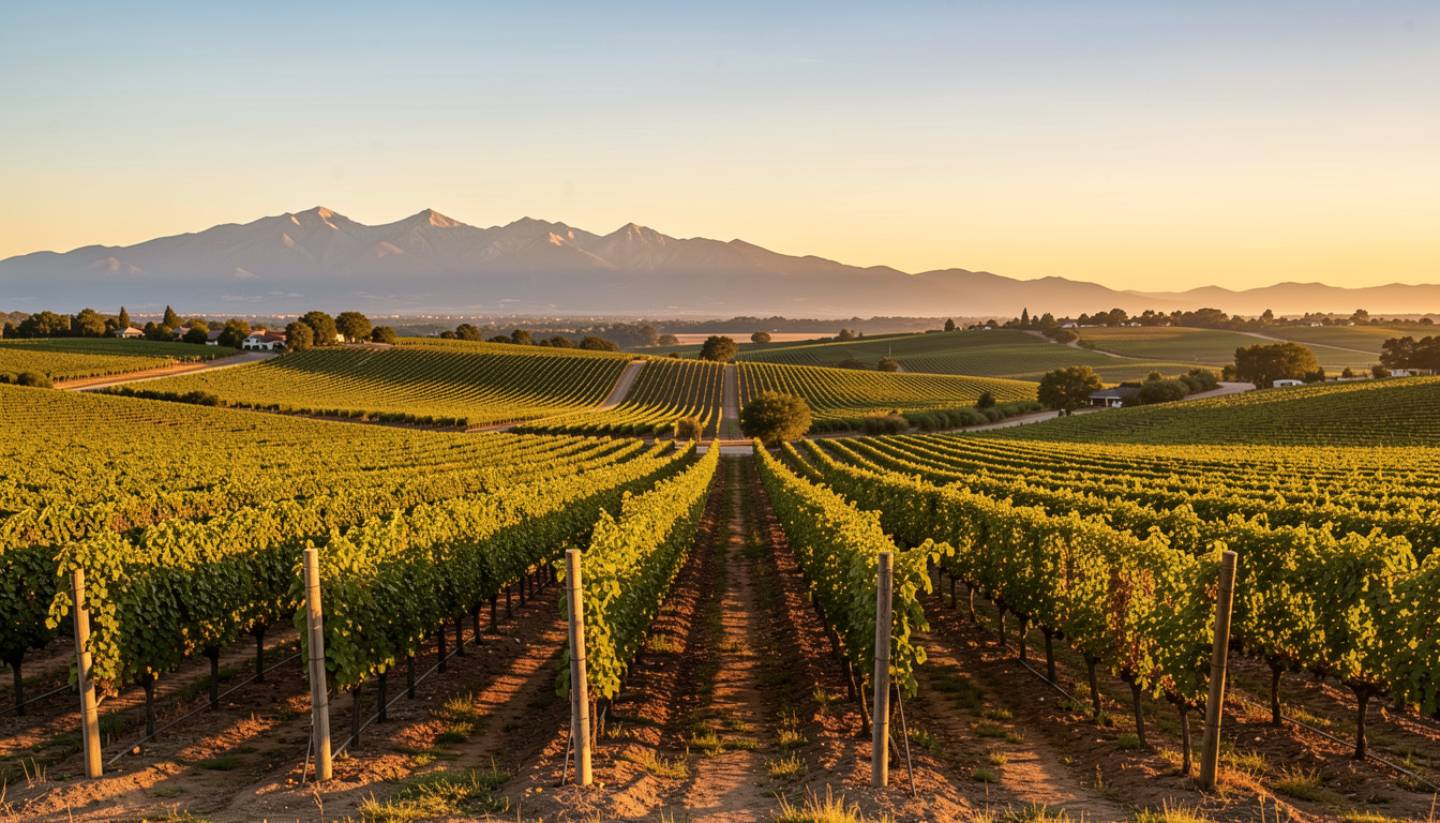
The Napa Valley Agricultural Preserve was one of the first of its kind in the United States. It declared that agriculture would remain the highest and best use of the land. That single policy decision still shapes what you see when you drive Silverado Trail instead of subdivisions.
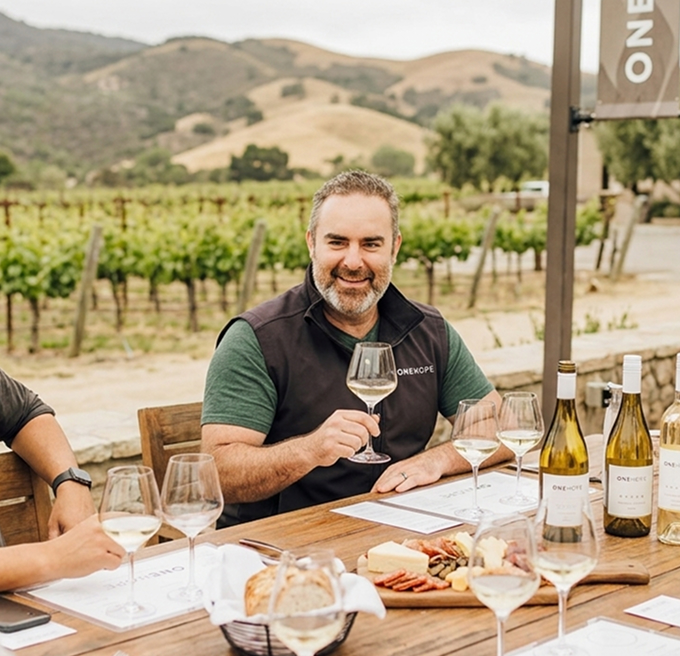
When you book a boutique hotel in Yountville or enjoy a seated tasting in St. Helena, you are experiencing layers of policy in action.
Governance here balances:
Winery visitation limits and tasting room permits
Water management and vineyard expansion
Tourism growth versus resident quality of life
Workforce housing for hospitality and vineyard teams
These conversations happen in public rooms, often with folding chairs and handwritten notes. It is neighbors talking to neighbors.
Geographic Clarity: Who Governs What
Incorporated Cities
Napa, Yountville, St. Helena, Calistoga, and American Canyon each have elected city councils and mayors who handle local zoning, business permits, and development guidelines.
Unincorporated Areas
Rutherford, Oakville, Angwin, and many vineyard heavy corridors fall under Napa County governance, overseen by the Napa County Board of Supervisors.
The Hillside and Benchlands
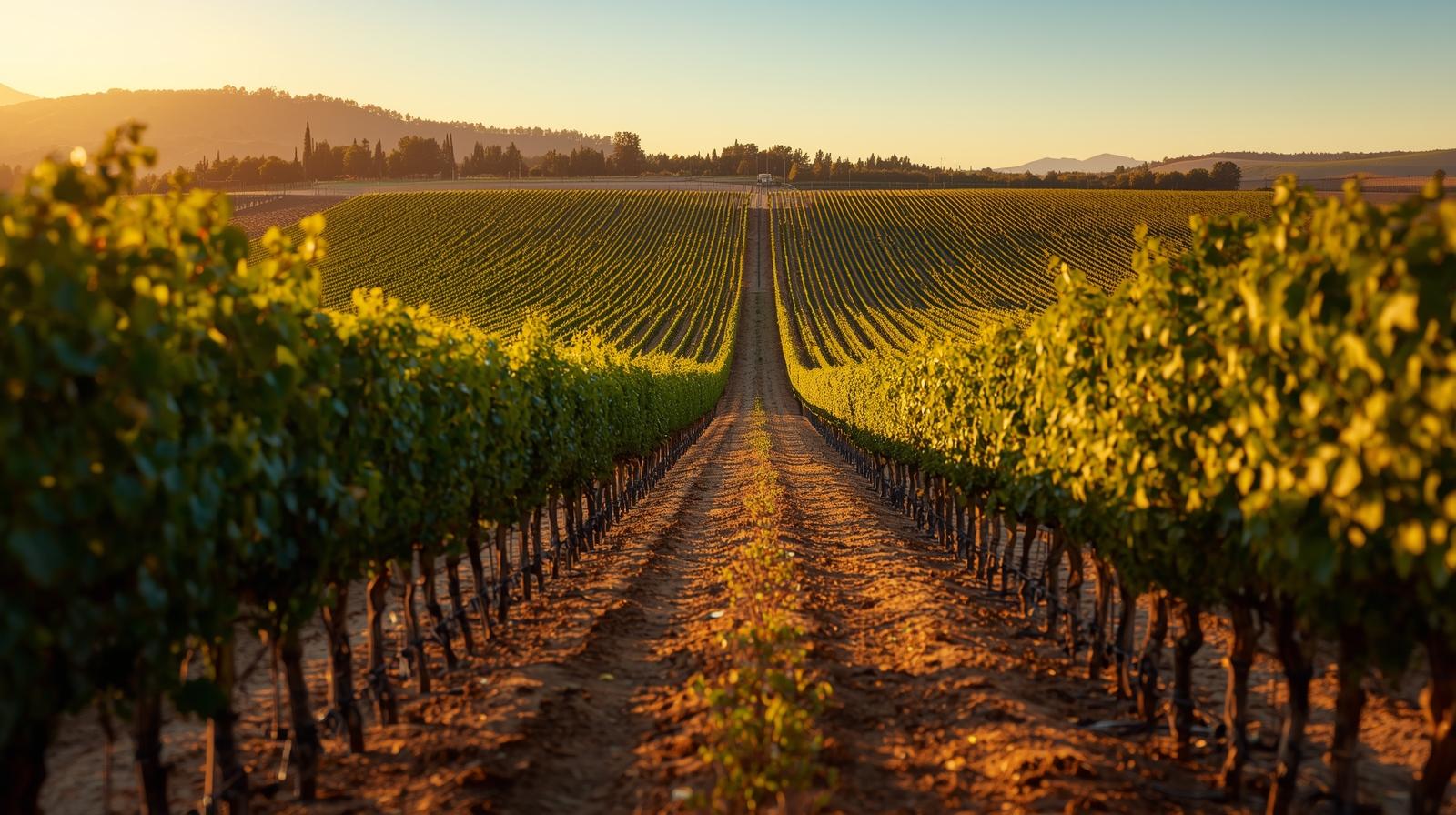
Western slope vineyards along the Mayacamas are subject to strict hillside development ordinances. The Rutherford Bench carries its own zoning sensitivities tied to soil preservation and watershed protection.
If you understand who governs where, you begin to understand why Napa looks the way it does.

When It Is Best to Observe
City councils typically meet midweek in the evenings. Planning Commission meetings often occur during weekday afternoons.
Mustard season from January through March is deceptively active for governance. Without harvest distractions, major land use and development discussions often intensify.
Election years also reveal community priorities. Yard signs along Silverado Trail may be understated, but the debates are thoughtful and deeply felt.
What Most Visitors Miss
Visitors experience a polished destination. Residents see the machinery behind it.
The Winery Definition Ordinance regulates what a winery can legally offer, including food service and events.
Formula retail ordinances in St. Helena limit chain stores to protect small business character.
The Napa River Flood Control Project reshaped downtown Napa with a living river design rather than concrete channels.
Workforce housing discussions shape where hospitality employees can live in relation to Yountville and Napa.
Drive through downtown Napa and notice the scale of development along the riverfront. That is not accidental. It is the result of years of civic process.
My Local Notes
I remember sitting in the back of a community meeting years ago when vineyard planting restrictions were under review. The room was filled with growers, restaurateurs, and teachers. One longtime farmer stood up and said quietly that we have a moral obligation to protect the valley floor for the next century.
That line stayed with me.
When we developed Estate 8, the process involved environmental review, traffic studies, and public input. I am a little biased since it is personal to me, but walking through that process reinforced something important. Napa still looks like Napa because people show up to protect it.
Governance here is not abstract policy. It is civic stewardship tied directly to soil and skyline.
How to Engage Thoughtfully
If you are interested in local governance Napa and community life:
Check the Napa County or city council websites for meeting schedules before your trip.
Attend a public session quietly and observe.
Visit the Napa Valley Museum to understand the history of the Agricultural Preserve.
Drive Silverado Trail and reflect on how protected open space shapes the experience.
Approach respectfully. These meetings are working conversations, not tourist attractions.
Where to Stay While Exploring Civic Napa
Downtown Napa provides proximity to city hall and riverfront redevelopment.
St. Helena offers insight into small town governance with close ties to estate wineries.
Calistoga reflects a spa town balancing tourism with preservation and environmental constraints.
Boutique lodging allows you to walk to civic buildings and experience Napa Valley community life firsthand.