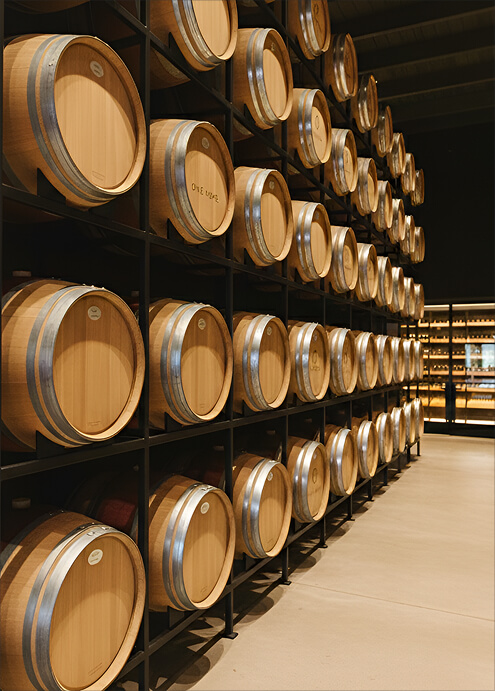
If you live in San Francisco, sustainable dining is already second nature. You scan menus for sourcing, recognize farm names from Ferry Plaza, and understand that flavor begins long before heat touches a pan. Napa Valley meets that instinct effortlessly. Not as a trend or a talking point, but as an agricultural rhythm that has shaped daily life here for generations.
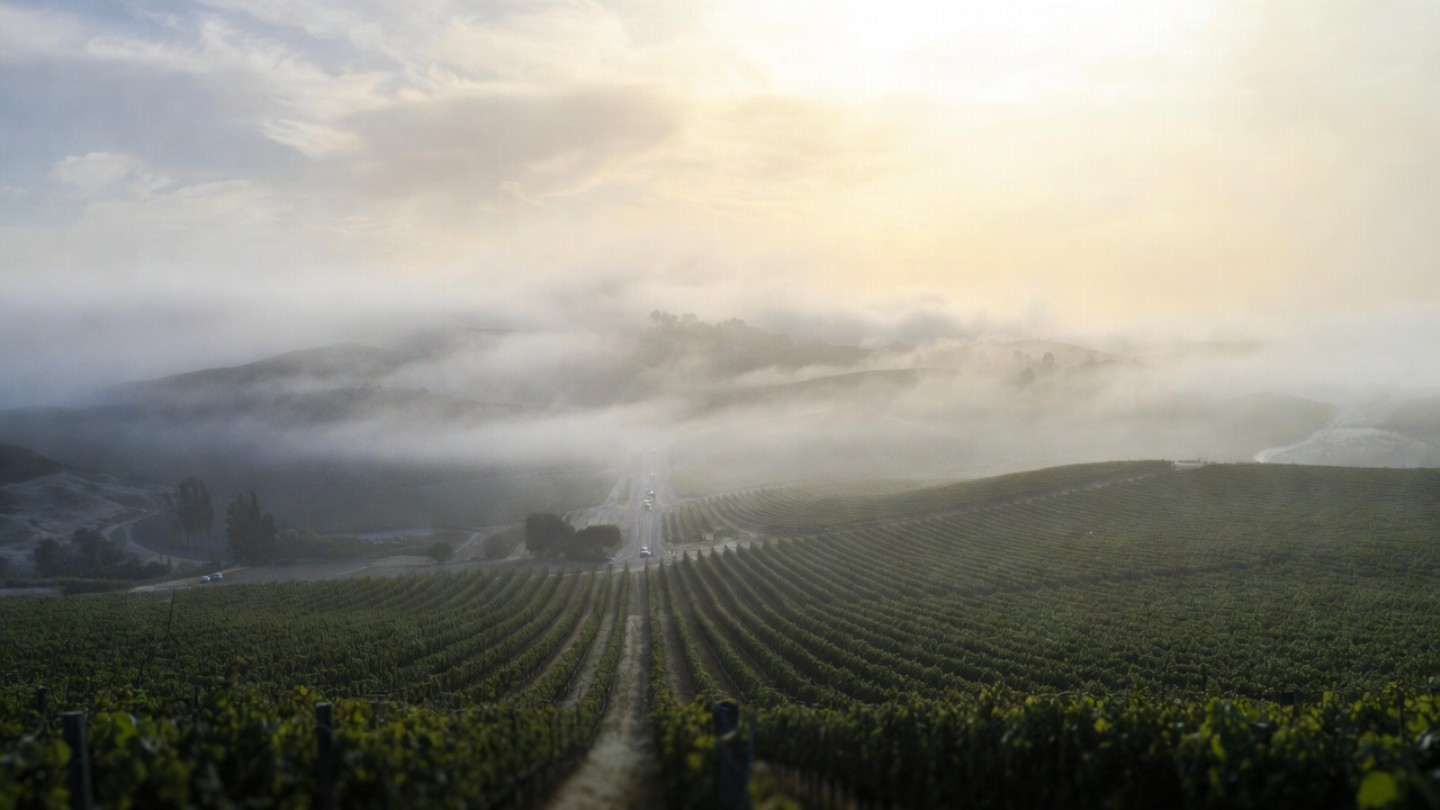
For SF travelers, Napa is not just a place to eat well. It is the full loop made visible. Vineyards share fence lines with vegetable beds. Chefs walk their gardens in the morning and decide lunch by what survived the night fog. Meals here are shaped by soil, weather, and restraint. This is Napa for people who want food to tell the truth about where it came from.
What This Experience Is Really About
Sustainable dining in Napa is about proximity and trust. Ingredients move minutes, not miles. Menus change because the field changes, not because a concept needs refreshing.
For San Franciscans used to chef driven sourcing and farmer relationships, Napa feels like a quieter extension of that culture. Wine is not separate from food here. It is part of the same biological system shaped by soil health, cover cropping, compost, and seasonal patience. You taste that connection most clearly when nothing feels staged.
Where Farm Driven Napa Comes Alive
Downtown Napa Kitchens
Downtown Napa has quietly become one of the valley’s most grounded food hubs.
Why It Works: A walkable concentration of kitchens sourcing from Carneros, Coombsville, and Oak Knoll farms.
Local Cue: Ask what came in that morning. In the best restaurants, the answer comes easily and often includes the farmer’s first name.
Yountville Gardens and Back Paths
Behind the polished dining rooms are working gardens and long standing supplier relationships.
Why It Works: Tight geography, deep chef community, and proximity to some of Napa’s most productive kitchen gardens, including the French Laundry Culinary Garden.
Local Note: Lunch often shows the clearest expression of seasonality before dinner menus become more formal.
St Helena and the North Valley
This is where farm to table becomes daily life, not philosophy.
Why It Works: Estate gardens, heritage orchards, and the space to practice preservation, fermenting, and whole animal cooking.
Directional Cue: Heading north on Highway 29, take west side roads like Zinfandel Lane or Niebaum Lane. These benchlands support both premium vines and robust vegetables.
Market Mornings and Ingredient First Experiences
A sustainable Napa visit should begin where the chefs begin.
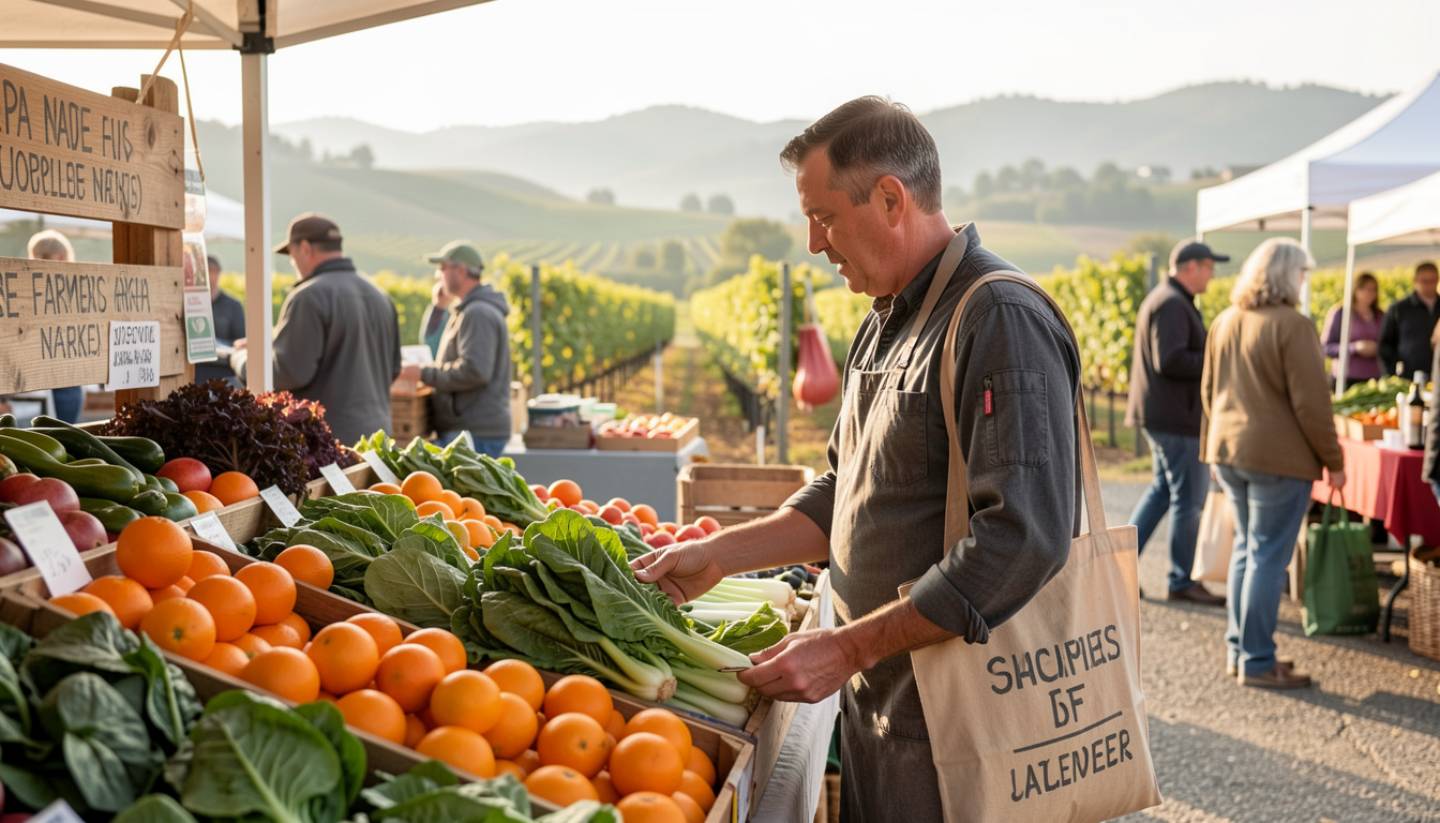
Napa Farmers Market: Saturdays and Tuesdays. This is the clearest snapshot of what the valley’s kitchens are cooking that week.
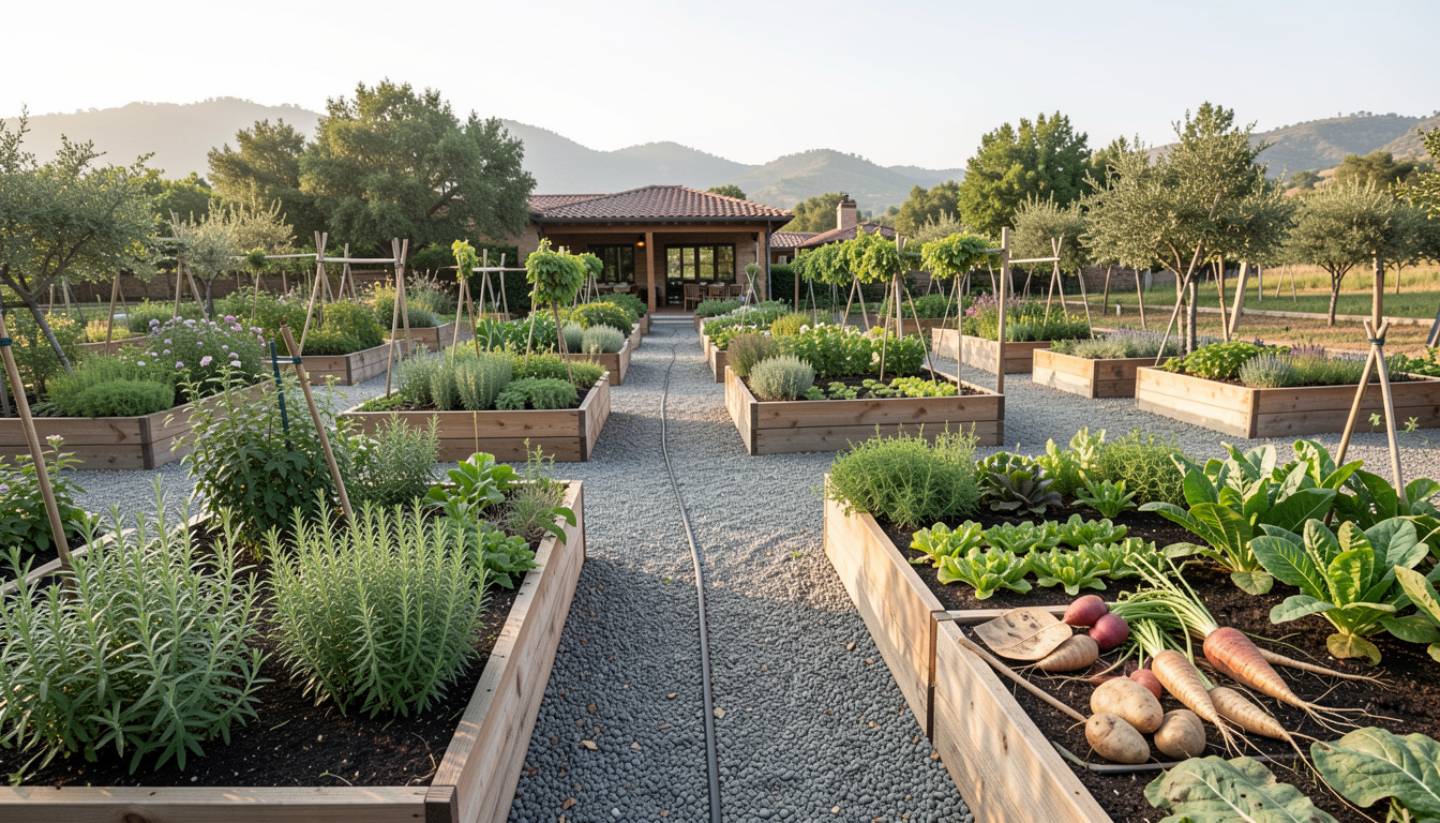
Garden Walks: Some estates, including Long Meadow Ranch and a handful of St Helena properties, will share their gardens if asked thoughtfully. These moments are informal and often the most memorable.
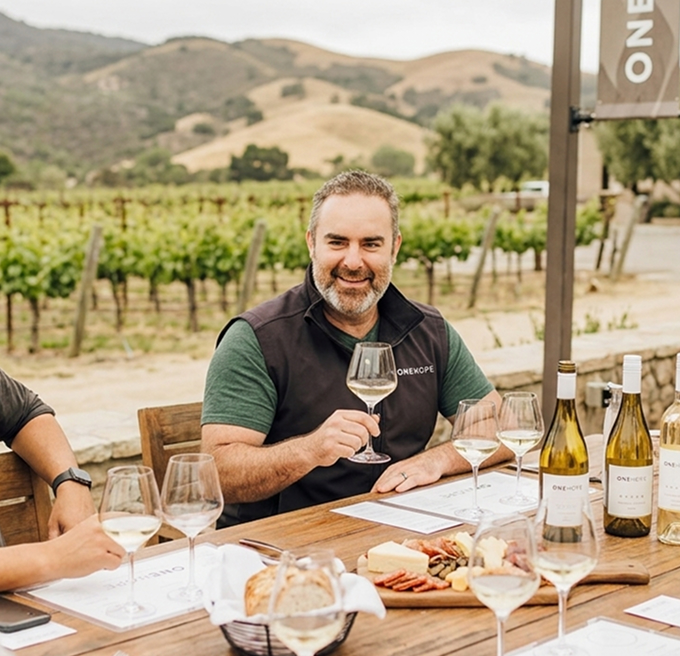
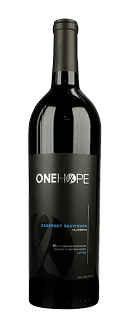
Estate Based Hospitality: At Estate 8, food often shapes how wine is experienced rather than the other way around. ONEHOPE gatherings follow the same instinct, letting peak harvest dictate the table instead of fixed pairings. I am biased, but it reflects how locals actually eat here.
How San Francisco Diners Structure the Day
Morning: Cross the bridge early. Coffee in downtown Napa, then a slow loop through the farmers market. Notice what is abundant.
Midday: One anchor meal at a farm driven kitchen like Farmstead or Mustards Grill. Sit where you can watch prep or talk to the staff.
Afternoon: One winery visit that emphasizes organic or biodynamic farming and land stewardship.
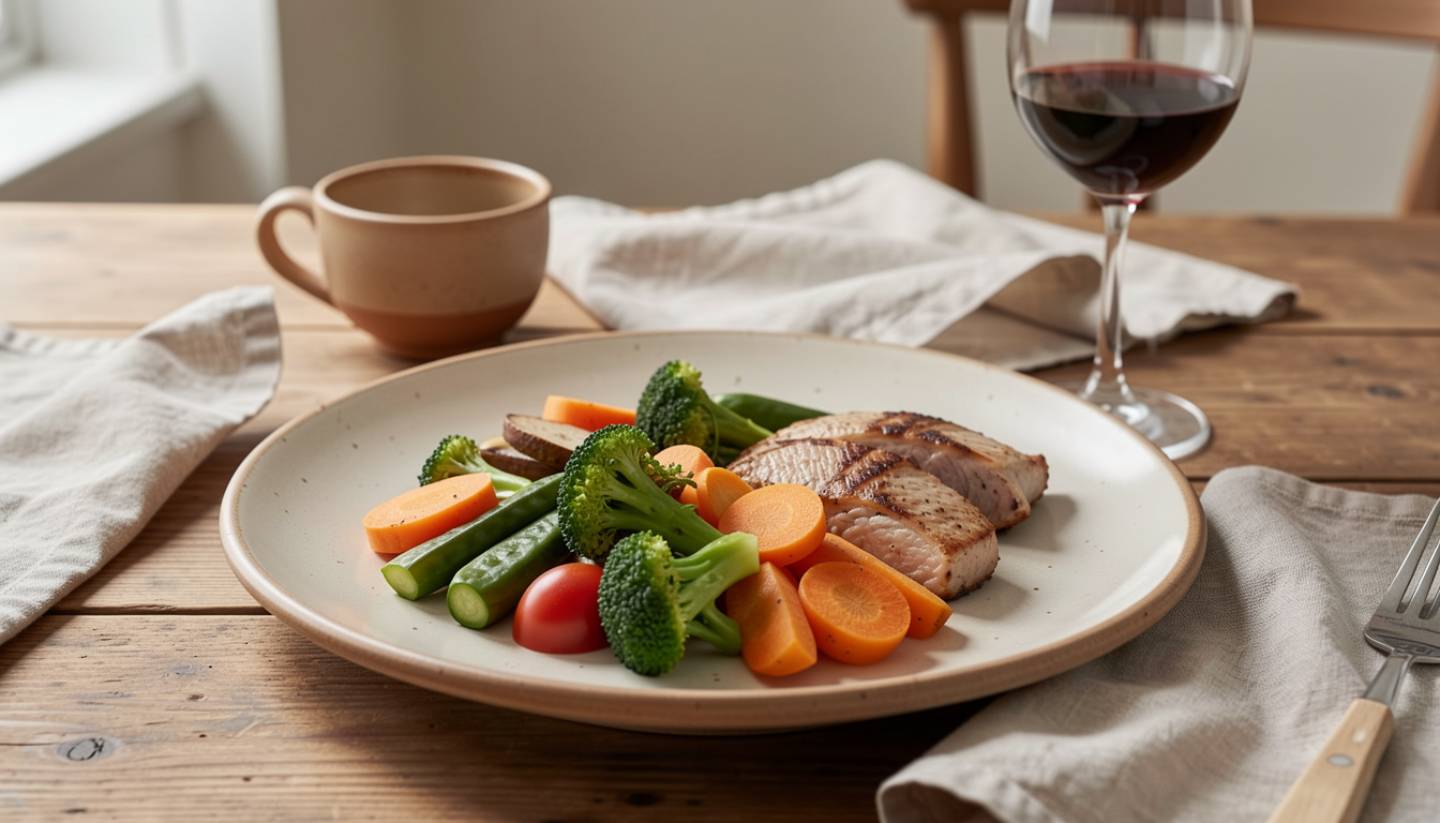
Evening: Light plates or a simple dinner. The goal is nourishment, not excess.
A Short Personal Micro Story
Some of my earliest Napa memories are rooted in gardens, not dining rooms. Pulling carrots from the soil, tasting tomatoes still warm from the sun, and learning that food arrived by season, not by schedule. That lesson stayed with me.
When friends come up from San Francisco, I always suggest they visit the market before making a single reservation. That mindset shapes how we host at Estate 8 and how ONEHOPE thinks about food and community. I am biased. This valley raised me. But I believe the land should always lead the conversation.