In Napa Valley, the seasons do not quietly change. They arrive with intention.
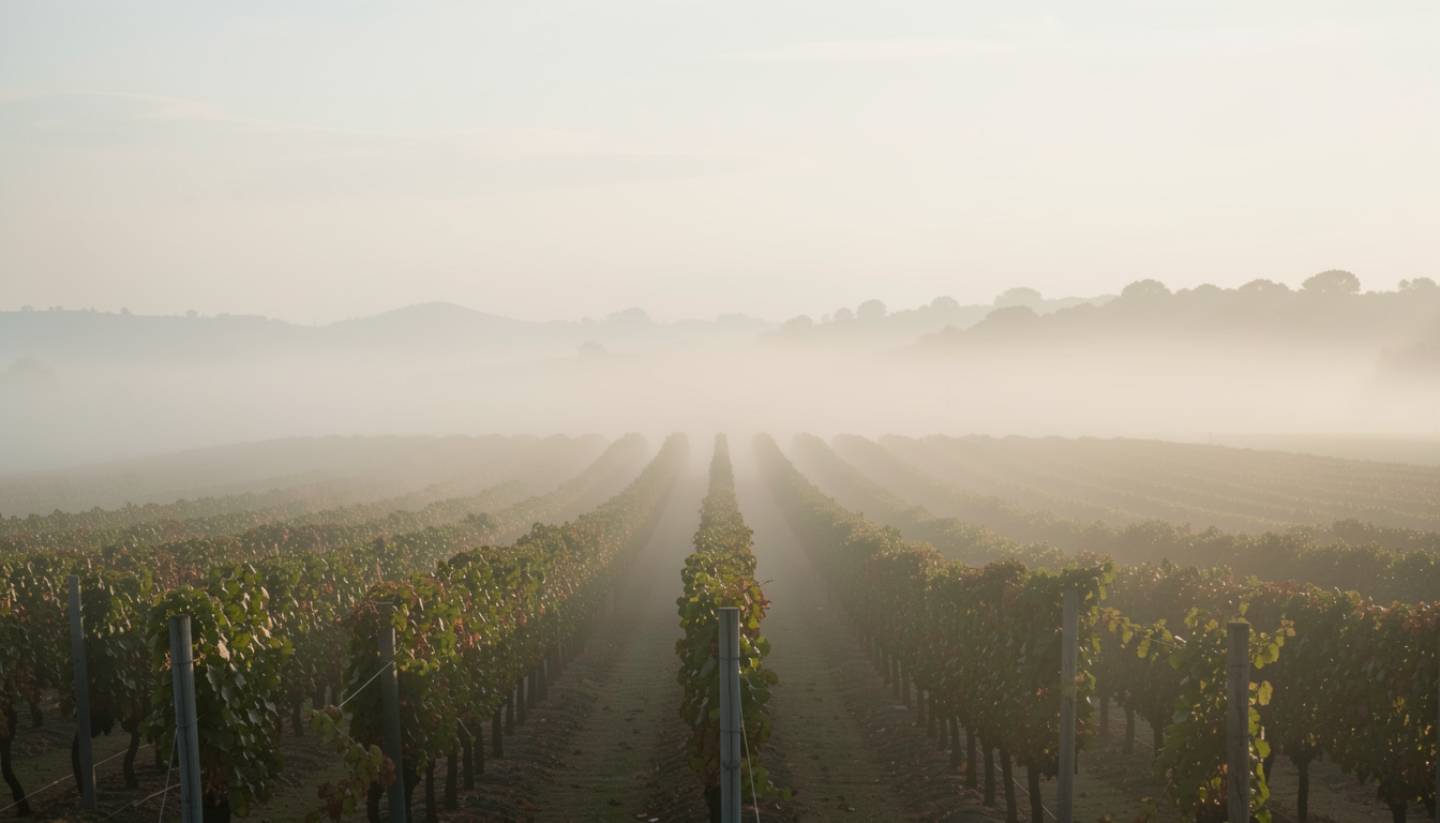
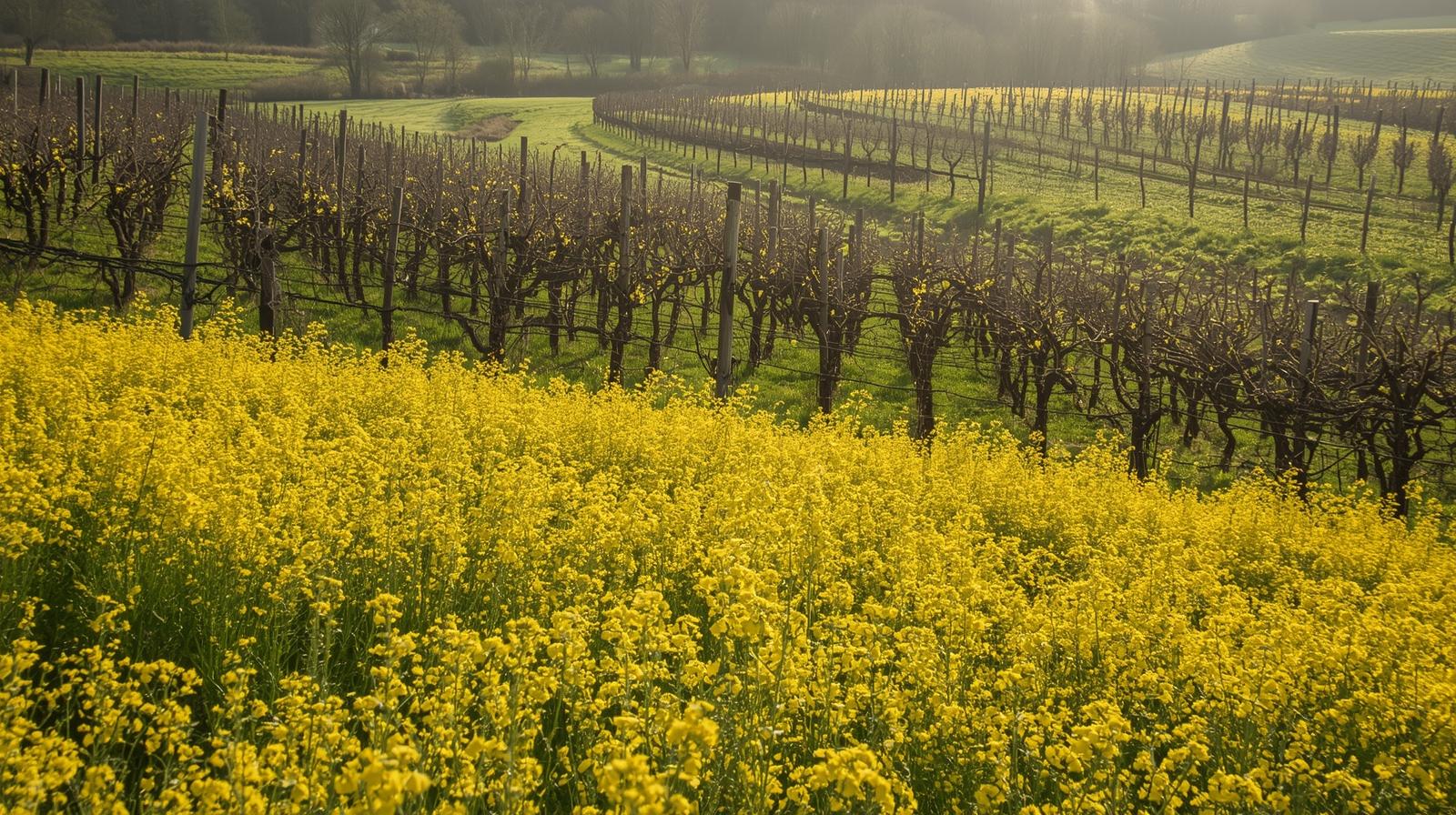
There is the lift of morning fog off the valley floor in March, the soft yellow of mustard between vine rows in late winter, the first deep inhale of fermenting Cabernet during harvest. By October, the Rutherford dust hangs warm in the air, and by December the cellars feel hushed, like the land itself is resting.
I have lived long enough in this valley to know that if you want to understand Napa, you stop watching the calendar and start watching the vines. The vineyard cycles tell you everything.
For people who love seasonal rituals and celebrations, Napa is not just a wine destination. It is a living agricultural rhythm.
What This Experience Is Really About
Seasonal rituals Napa celebrates are not staged experiences. They are agricultural truths.
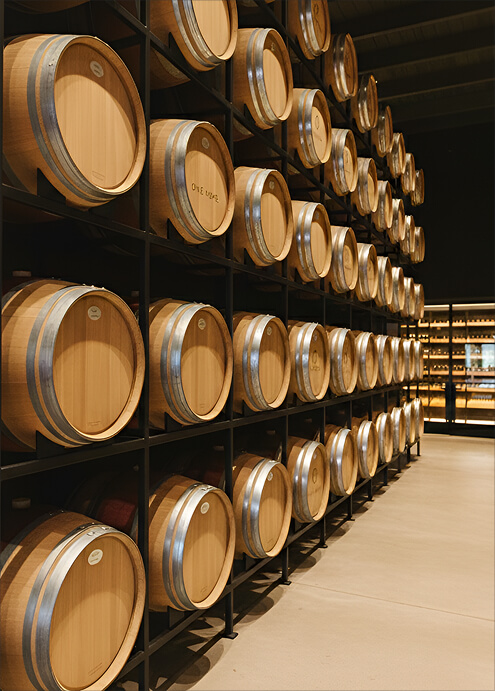
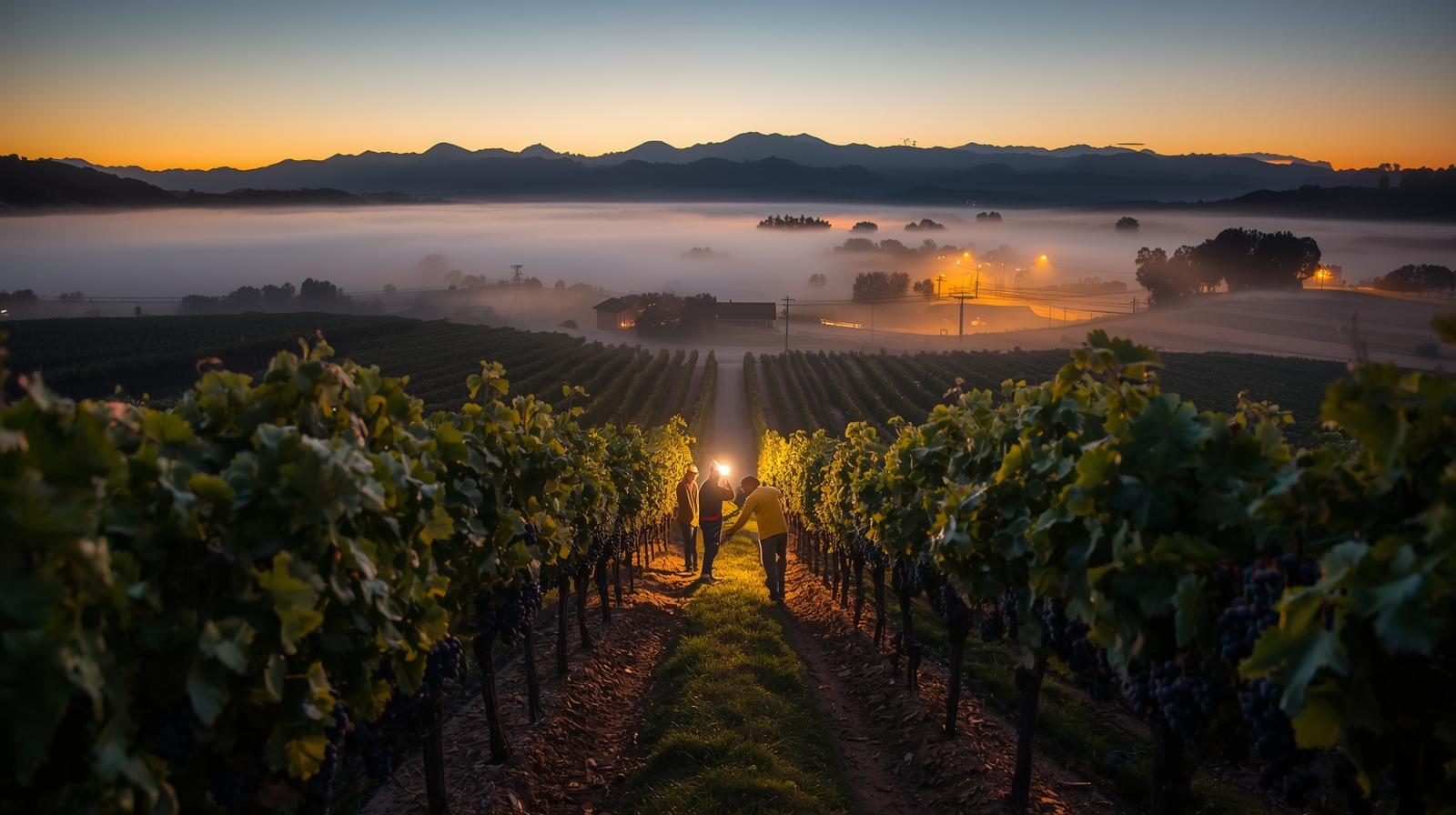
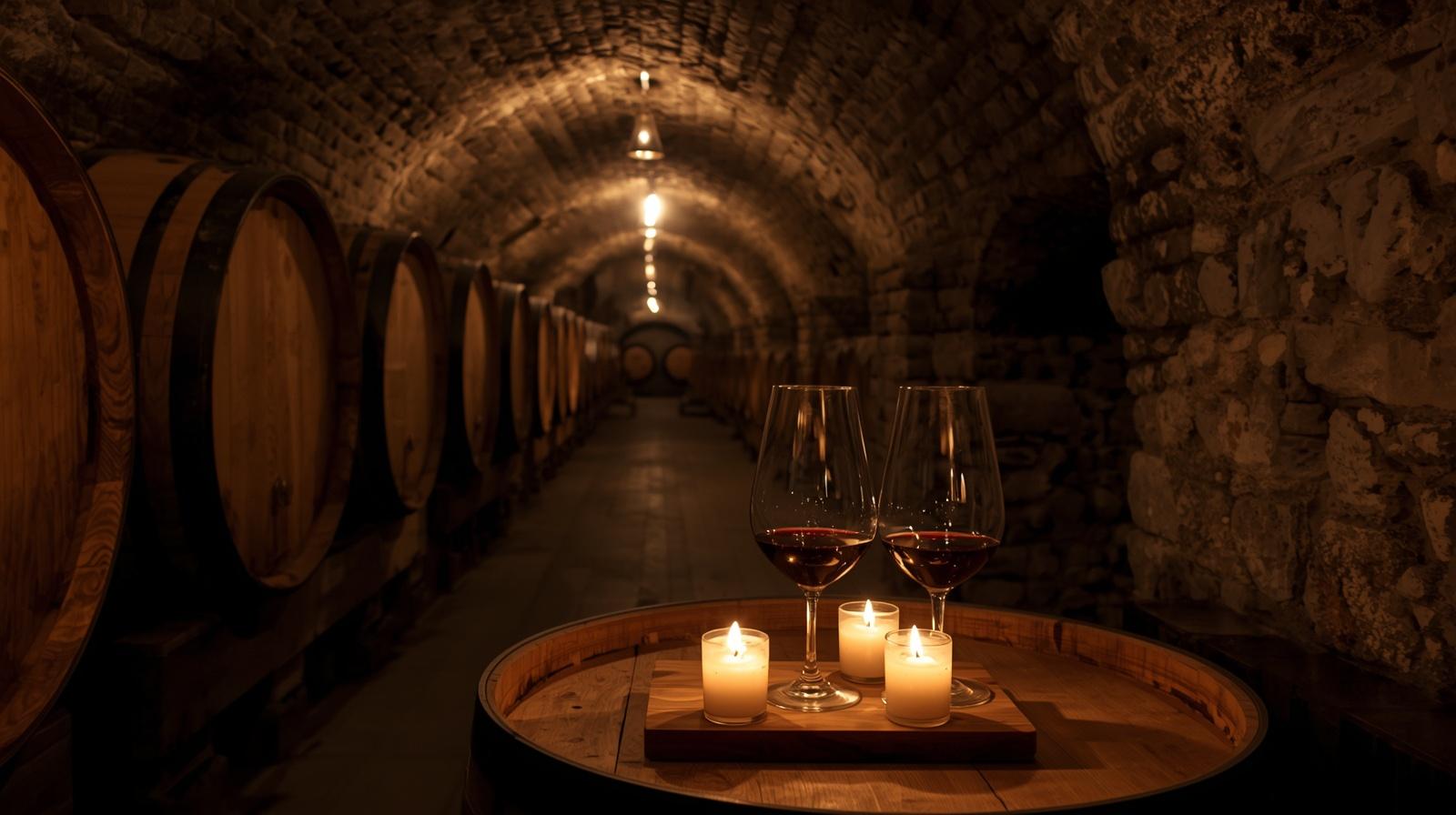
Harvest is not a photo opportunity. It is 4:30 in the morning, headlamps moving through vineyard rows, the scent of crushed fruit in the dark. Winter solstice is not a festival. It is the quiet of a 58 degree cellar where wine rests in barrel while the valley exhales after a long season.
If you love tradition and ceremony, look for experiences like:
- Vertical tastings that show how one vineyard block evolves across vintages.
- Mustard walks between dormant vines when the cover crop restores nitrogen to the soil.
- Barrel sampling during crush when wine is still young and unsettled.
- Seasonal chef collaborations that mirror what is happening in the vineyard that week.
The rituals are subtle. That is why they matter.
When It Is Best: The Local Calendar
The energy of Napa shifts by month. Planning around the vineyard cycle changes everything.
Spring in Napa Valley, March through May
Bud break begins. Tiny green shoots push out from dormant canes. The mustard bloom paints the valley gold. In Yountville and St. Helena, menus lean into peas, herbs and early greens.
Local vocabulary you will hear: bud break, canopy management, cover crop.
If you love renewal and photography, this is your season.
Summer in Napa Valley, June through August
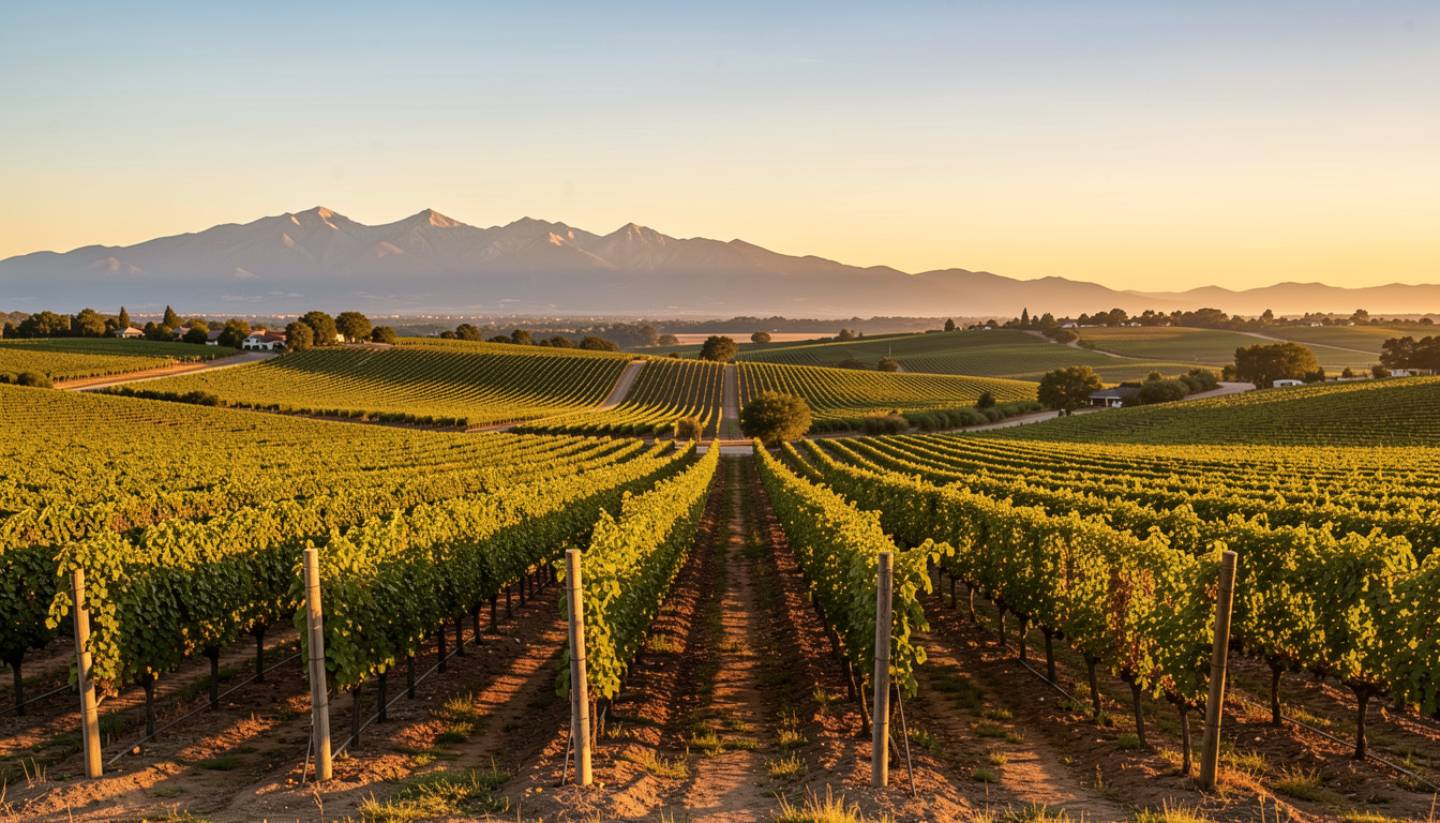
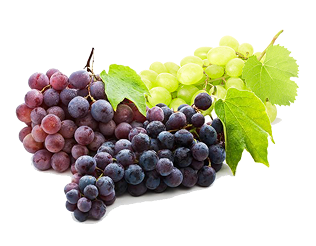
Veraison arrives. Grapes change from green to deep purple. The light stretches long across the Silverado Trail, and golden hour feels endless.
Patio tastings in Oakville, vineyard dinners near Calistoga, sparkling wine at sunset in Carneros. This is when Napa feels expansive.
If you are planning a Napa summer trip, book early and leave space for an unhurried evening. Summer rituals reward lingering.
Harvest in Napa Valley, August through October
Harvest is the crescendo.
Trucks move before sunrise. The sweet, yeasty scent of fermenting fruit drifts across the valley floor. Winemakers talk about Brix levels and tannin structure like weather reports.
One year, during the first week of crush, I drove north on Silverado Trail before dawn. The valley was still dark, but you could see small pools of light in the vineyards where crews were picking by hand. The air smelled like warm berries and earth. That morning reminded me that Napa harvest traditions are not romantic in theory. They are physical, real, and deeply human.
If you want to witness Napa Valley harvest traditions, ask your host which blocks were picked that morning. That simple question opens doors.
Winter in Napa Valley, November through February
Winter is the slower, truer Napa.
Fog settles low across the valley floor. Cave tours feel intimate. Library Cabernet tastes deeper beside a fireplace. And pruning begins, the quiet ritual of shaping each vine for the year ahead.
This is when locals breathe again.
For travelers who love reflection, winter solstice in Napa feels almost sacred. The vines are bare, but the promise of the next vintage is already being written in careful cuts.
My Local Notes
The first harvest I oversaw at Estate 8 is still etched in my memory. We were standing in the front vineyard block just as the sun cleared the Mayacamas. The fruit had come in overnight, and the team was already talking about fermentation temperatures. I remember realizing that what we were holding was not just grapes. It was an entire year of weather, patience and decision making.
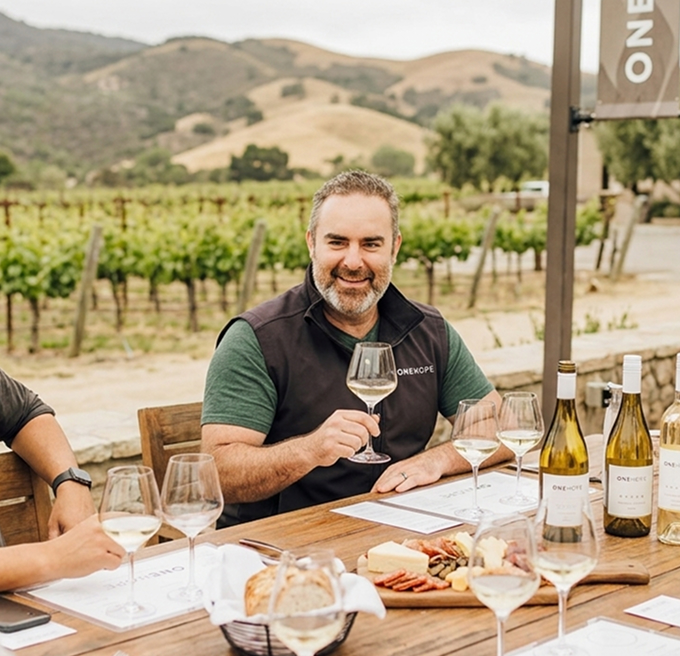
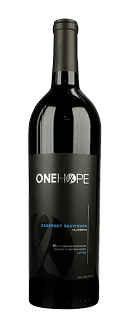
I am biased. Estate 8 is my passion project. But walking those rows during crush still feels like ceremony. And at ONEHOPE, we try to carry that same respect for the land into every bottle. You do not just make wine in Napa. You steward a season.
How to Make It Memorable
If you are planning a Napa trip around seasonal rituals, consider:
- Booking a harvest blending session in September or October.
- Scheduling a cave tasting in winter for deeper, quieter conversation.
- Visiting during mustard season for vineyard walks and photography.
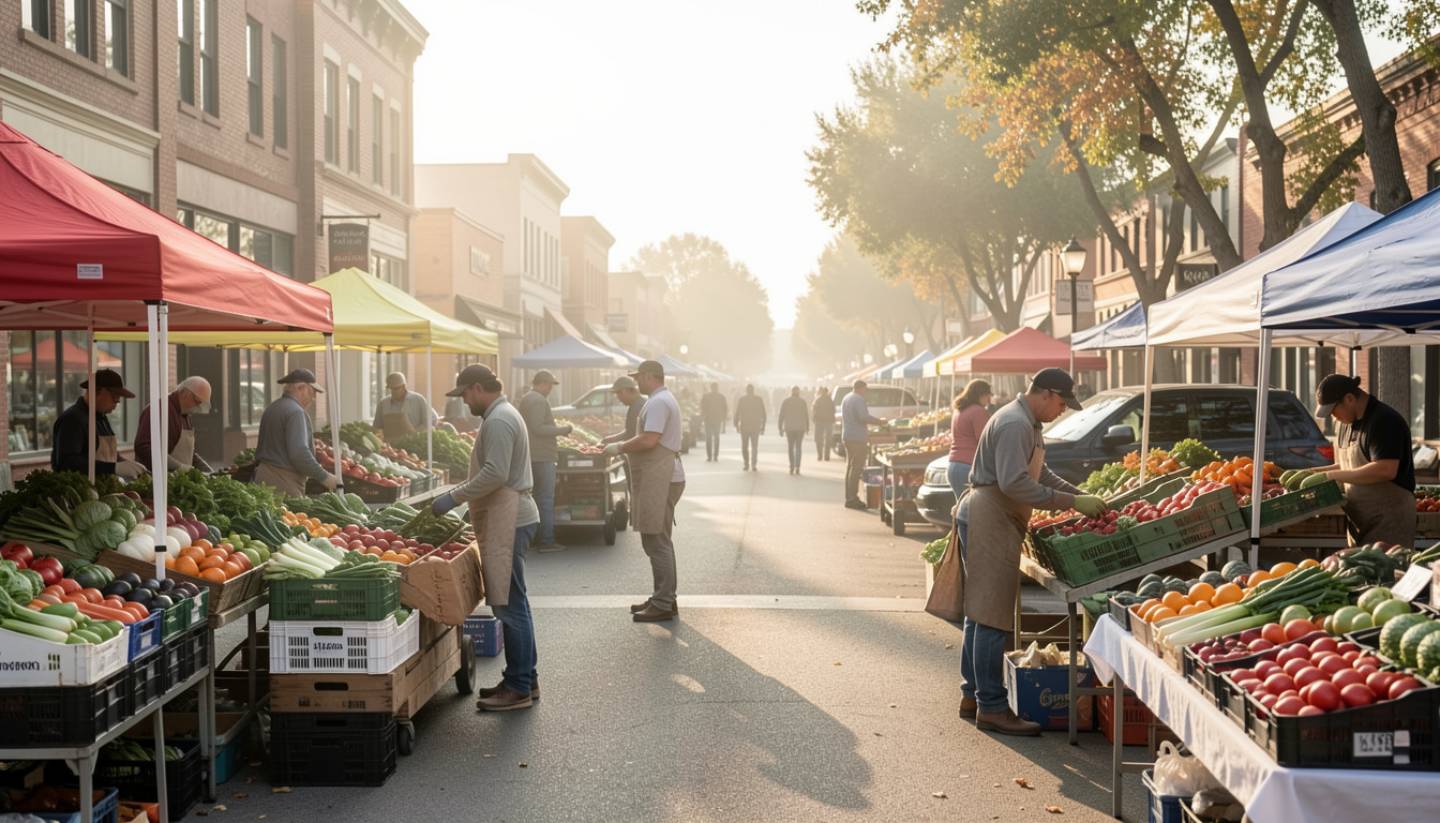
- Dining at restaurants that change menus weekly based on what is coming out of the soil.
Drive north on Silverado Trail for a clearer view of the valley’s seasonal shifts. Just past the Yountville Cross Road intersection, you can often see the fog lifting in layers.
Time your day around light. Napa reveals itself in transitions.
Where to Eat and Stay During Seasonal Rituals
Seasonal rituals Napa celebrates extend to the table and the room.
Restaurants
- Farmstead in St. Helena for true farm to table energy.
- Charter Oak for wood fired, produce driven meals.
- Brix with its garden just steps from the dining room.
- Oxbow Public Market in downtown Napa for a snapshot of local artisans.
Lodging
- Boutique inns in Yountville for walkable dining and tasting access.
- Vineyard view properties near Rutherford for harvest immersion.
- Calistoga stays for quieter winter retreats and spa rituals.
Pair your lodging location with your seasonal focus. Harvest feels different in Rutherford than it does in Carneros.
Nearby Wineries Worth Visiting for Seasonal Experiences
For harvest depth, look toward Oakville and Rutherford.
For spring mustard and Chardonnay, Carneros shines.
For winter cave intimacy, St. Helena and the hills above Silverado Trail offer beautiful options.
You are rarely more than ten minutes from a completely different seasonal expression.