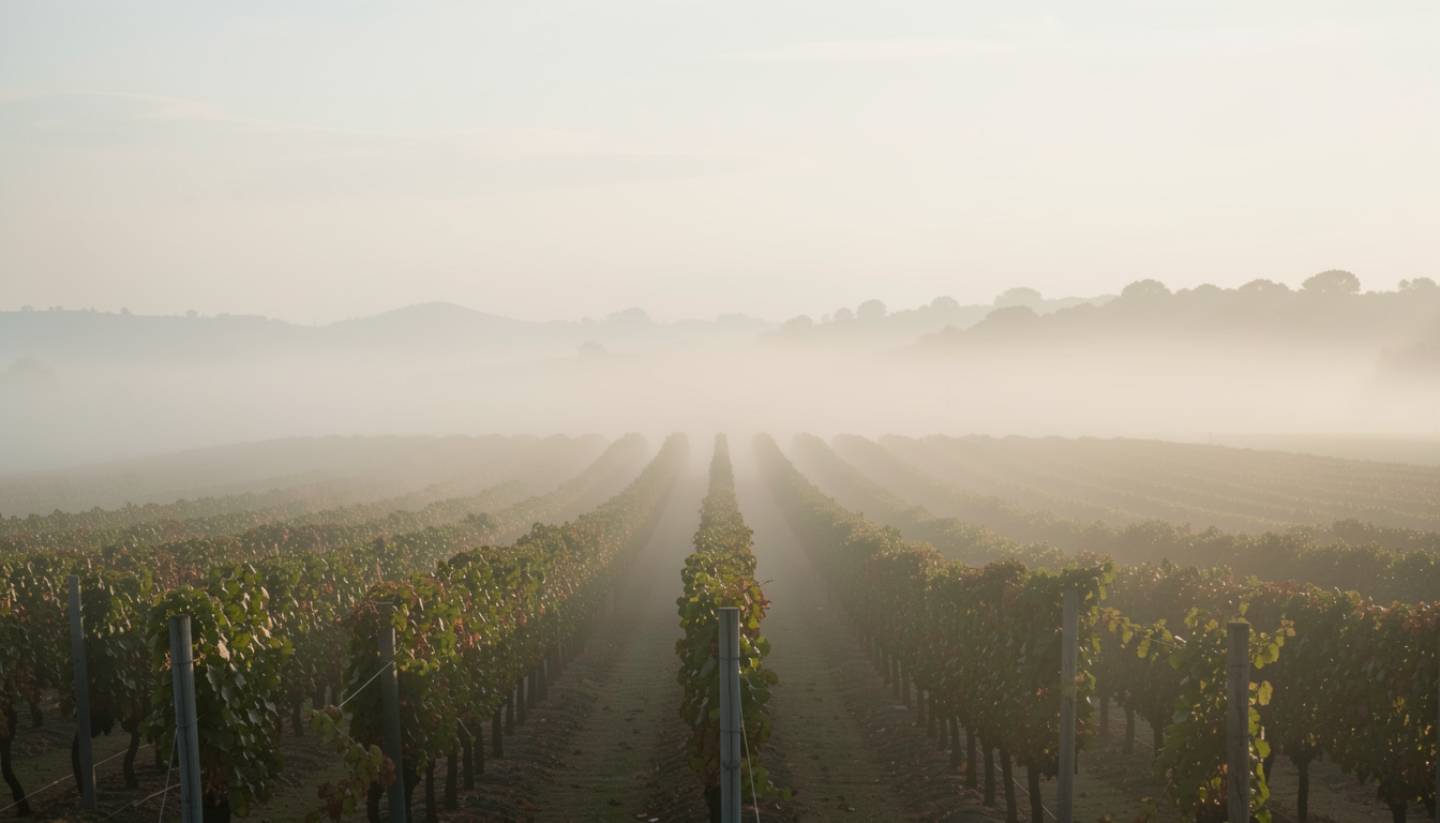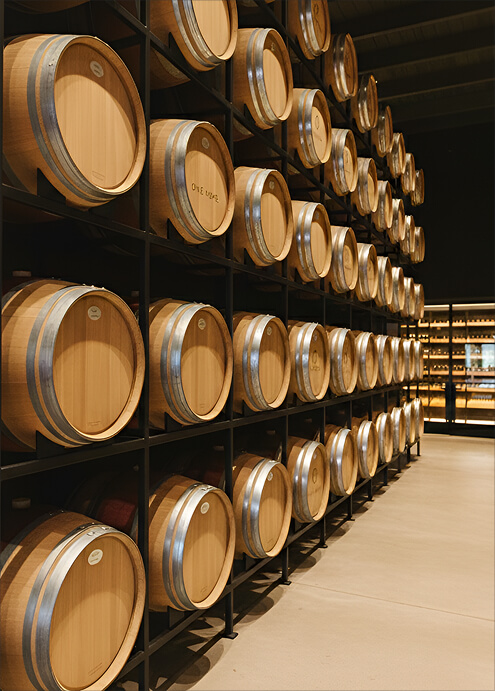
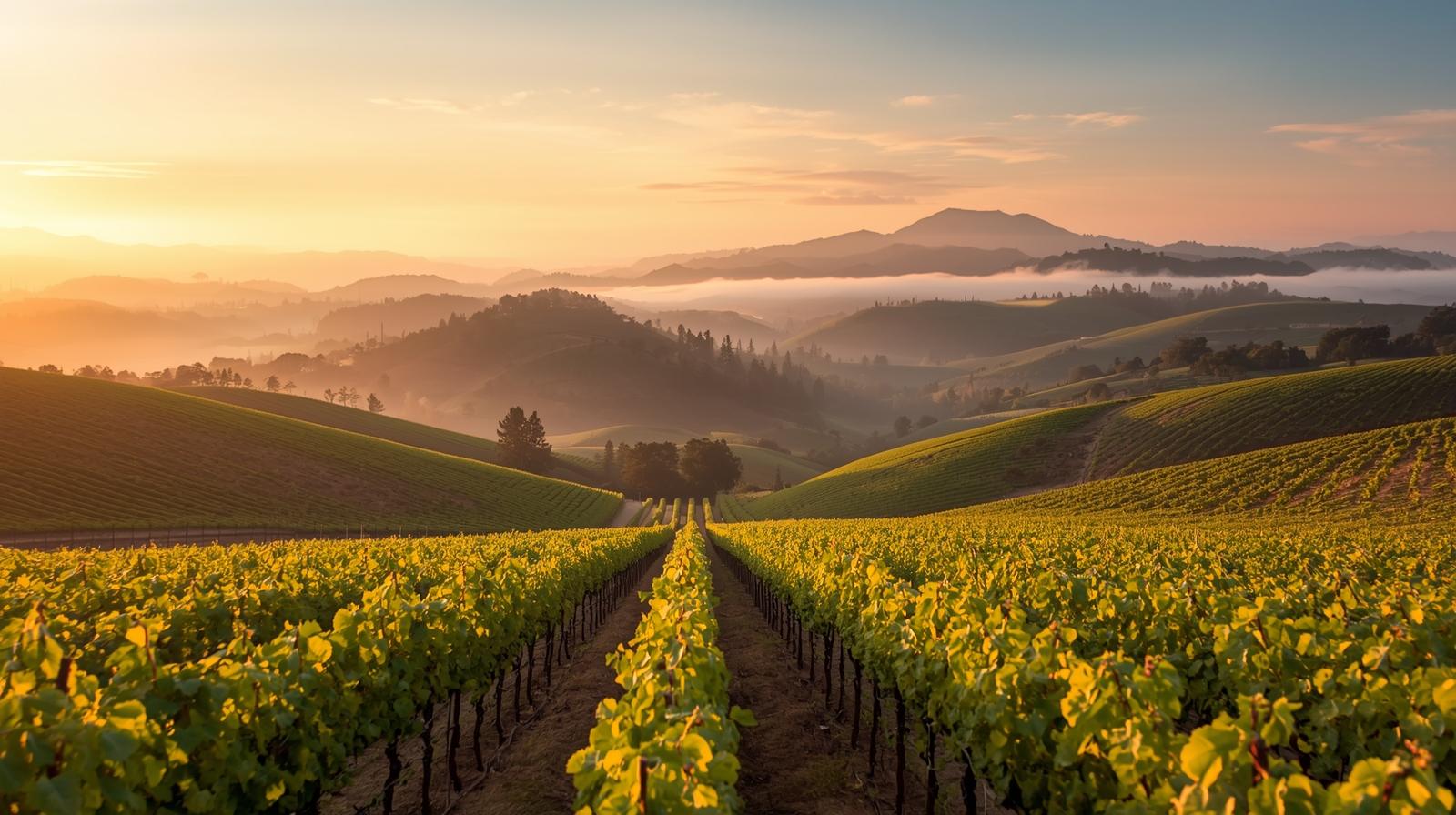
Drive north from San Francisco and somewhere past the Carneros wind, where the fog rolls in off the San Pablo Bay, the rhythm shifts. The lanes narrow. The vineyards widen. Farm trucks idle outside coffee shops in Yountville and St. Helena where vineyard managers stand in line next to sommeliers before nine in the morning.
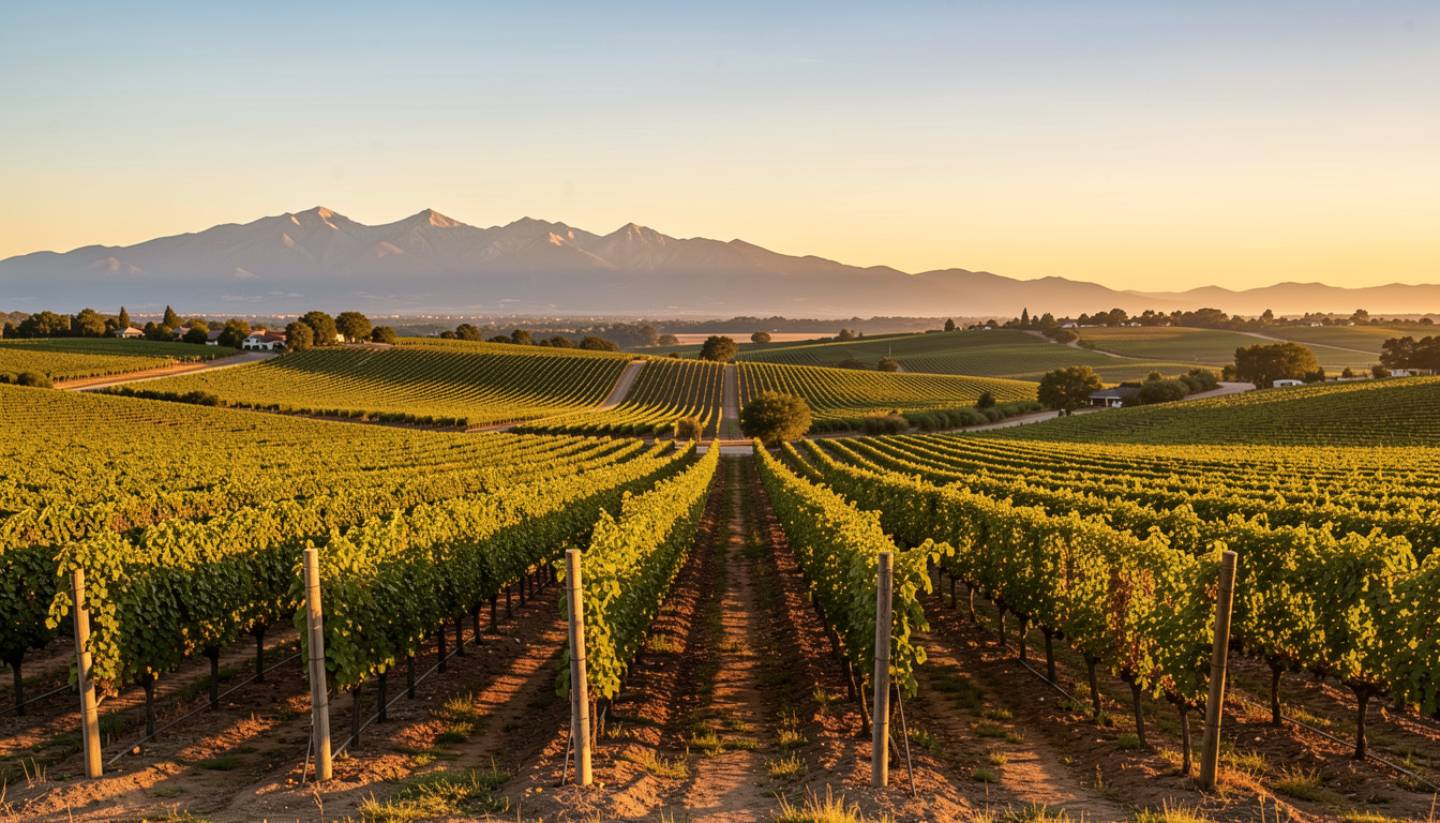
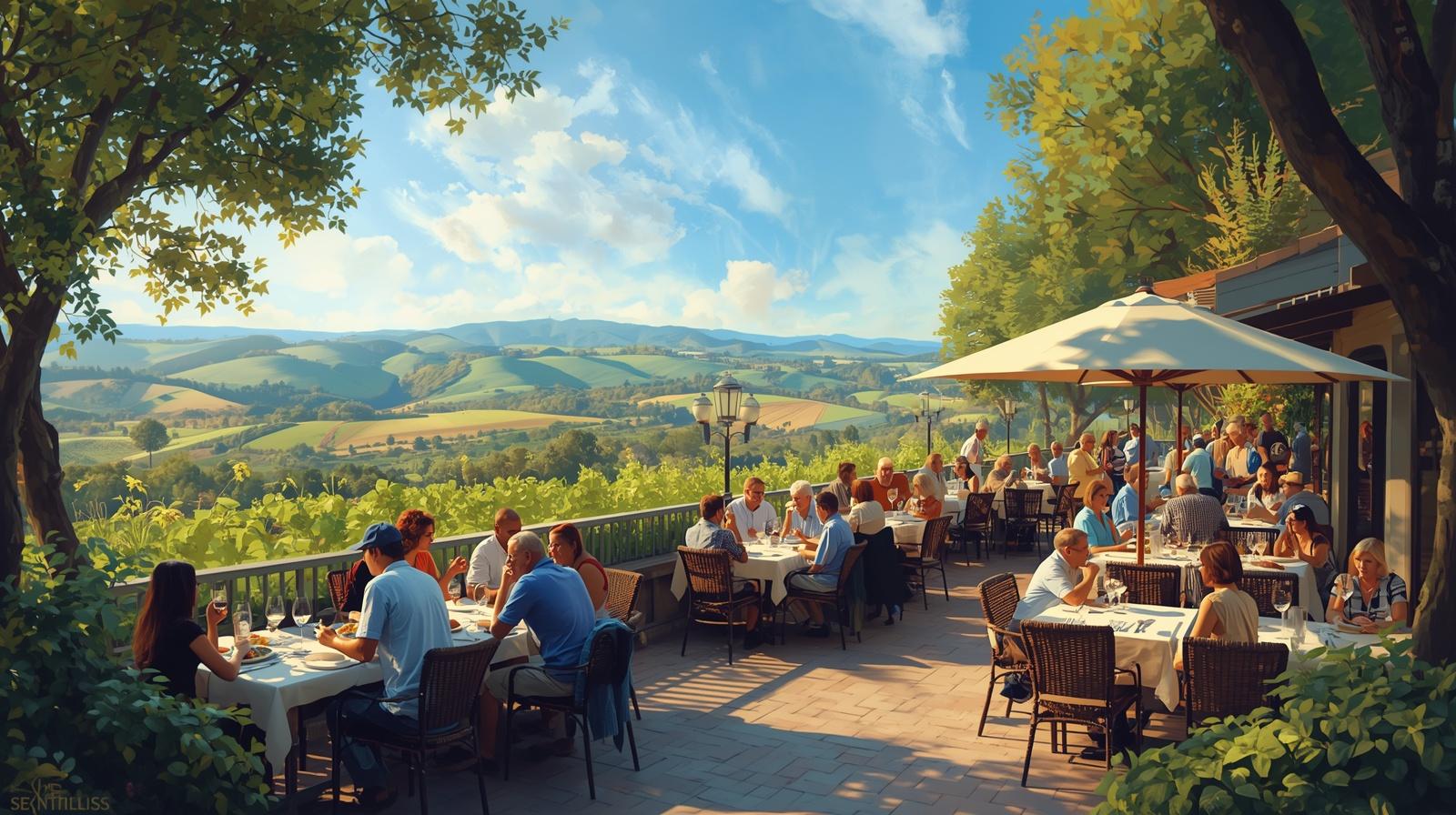
On the surface, Napa Valley looks like a postcard. Cabernet light in the late afternoon. The lift of the morning fog over the Rutherford benchlands. Perfect rows running toward the Mayacamas.
But if you slow down, you realize you are standing inside a carefully structured rural economy. Agriculture, tourism, land use policy, generational farming, hospitality, logistics. All layered across a thirty mile valley floor that chose preservation over sprawl.
For anyone studying rural economics, Napa Valley is not just beautiful. It is deliberate.
What This Experience Is Really About
Napa Valley is often described as a luxury destination. But economically, it is a rural production model built on value added agriculture.
At its core, the Napa wine economy revolves around:
Vertical integration
A raw agricultural crop becomes a finished consumer product, then becomes a hospitality experience. Grapes become wine. Wine becomes a tasting. A tasting becomes a weekend trip. A weekend trip becomes hotel nights, restaurant reservations, drivers, and retail spending.
Zoning discipline
The Agricultural Preserve limited subdivisions and set minimum parcel sizes in many areas. Instead of tract housing, you see vineyard corridors.
Land over sprawl
Where other rural counties expanded housing to chase short term tax revenue, Napa chose agricultural continuity. That single choice shaped fifty years of economic development.
If you are learning about rural tourism models or agricultural preservation policy, this valley is a living classroom.
Agriculture: The Foundation
Wine grapes are Napa’s primary crop, but the agricultural layer runs deeper than most visitors realize.
Behind every bottle is a network of:
Vineyard managers
Irrigation specialists
Soil scientists
Farm labor crews
Heavy equipment mechanics
Barrel makers
Glass suppliers
Label printers
Logistics teams
This is not commodity farming. Napa does not ship bulk grapes to be processed elsewhere. It exports finished craftsmanship.
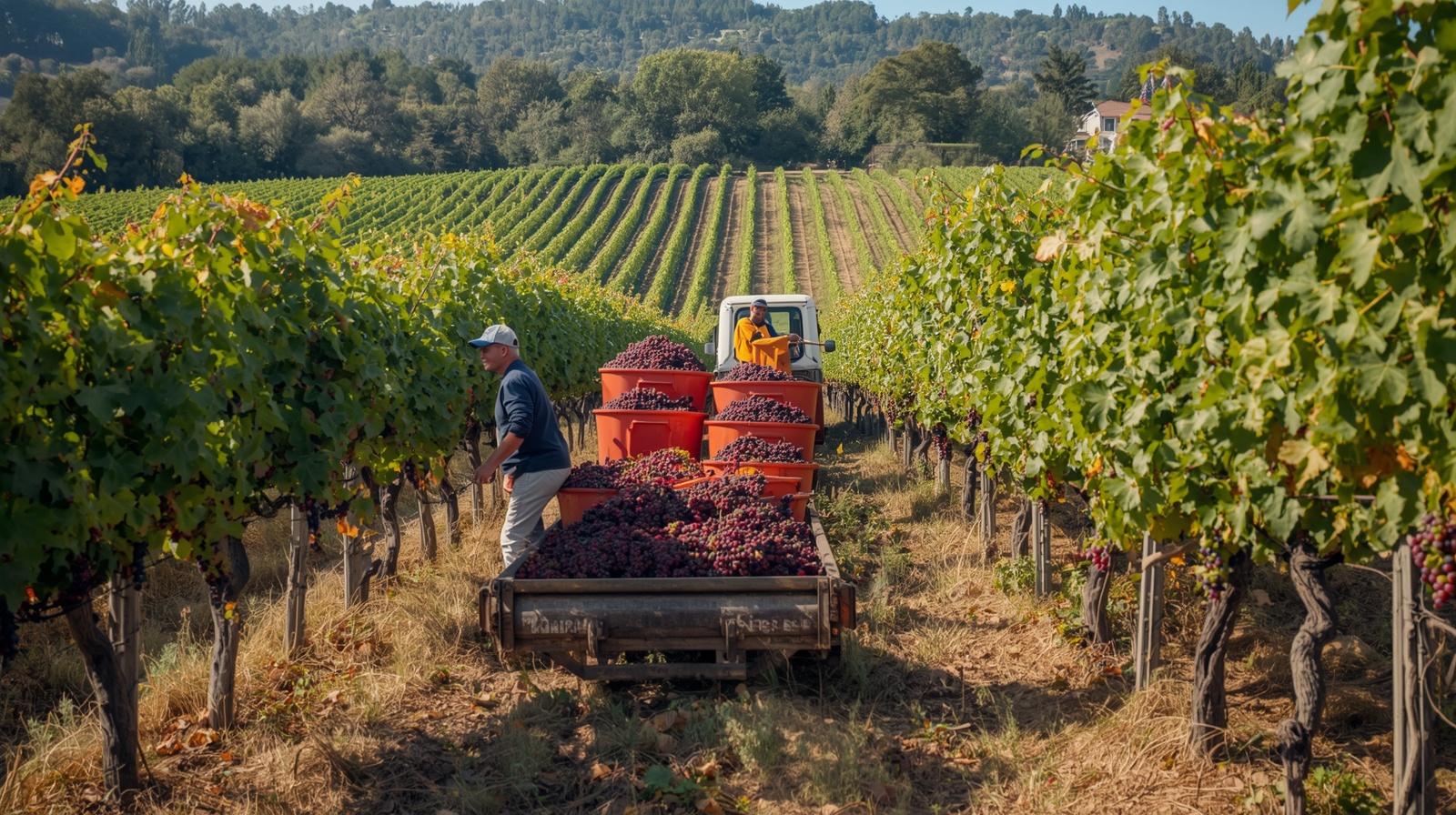
Stand in Oakville at sunrise during harvest. You will see crews moving through the rows while fruit trucks head south toward production facilities. It feels quiet. It is anything but small.
That vineyard block is the manufacturing plant of a global luxury good.


Tourism: The Multiplier
Tourism in Napa is not separate from agriculture. It is the amplifier.
A visitor planning a Napa Valley vacation does not just purchase wine. They:
Book boutique hotels in Yountville or downtown Napa
Reserve tables at Farmstead, Charter Oak, or Bouchon
Hire local drivers for winery visits
Shop at Oxbow Public Market
Attend seasonal events during harvest
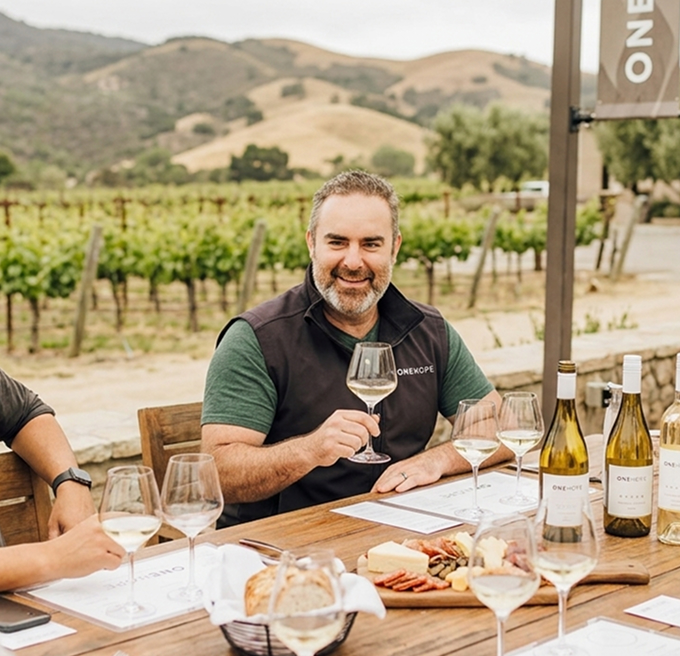
The vineyard supports the tasting room.
The tasting room supports the hotel.
The hotel supports local trades, from landscaping to construction.
This is economic layering in real time. It is why Napa Valley is often studied as a model for rural tourism integration.
Small Business: The Human Core
Beyond well known estates, the Napa Valley small business ecosystem is what keeps wealth circulating locally.
Many vineyards in St. Helena and Calistoga remain in family hands. Generational growers lease fruit to multiple wineries. Independent chefs run their own kitchens. Olive oil producers press small lots. Specialty construction teams focus entirely on vineyard and winery builds.
Drive through the warehouse districts in South Napa or near the Napa Valley Commons and you will see the industrial side of wine country. Bottling lines. Shipping docks. Production crews. It is rural, but it hums.
The slower, truer Napa midweek is when you see it clearly.
When It Is Best to Observe
Harvest, late August through October
This is peak labor demand. The rural economy is fully visible. Trucks move constantly. Cellars run long hours. Restaurants stay full.
Winter, January through March
Pruning season. Infrastructure repairs. Strategic planning. You see how precise agricultural management must be to sustain high land values.
Midweek
If you want to talk to business owners about the Napa wine economy, come Tuesday morning. That is when conversations are real.
What Most Visitors Miss
Most travelers see luxury. Students of rural economics see policy.
Napa resisted becoming a bedroom community for the Bay Area. It chose agricultural zoning discipline over short term real estate expansion.
That choice created high land values, limited housing supply, and long term agricultural continuity. It is not a perfect system. No rural model is. But it is intentional.
And that intentionality is rare.
My Local Notes
Living here has changed how I think about rural economies.
I remember sitting in early permitting meetings when we were developing Estate 8, my own passion project just south of Yountville. I walked into those rooms thinking about hospitality design and vineyard views. I walked out thinking about soil viability, agricultural ratios, and how every square foot of land is scrutinized under preservation rules.
We had to prove that what we were building supported agriculture rather than displacing it. That was not red tape. It was the system protecting itself.
I am biased. Estate 8 is my baby. But that experience deepened my respect for how Napa protects its factory floor before it builds the showroom.
If You Only Have One Afternoon: The Economic Trail
Start in Yountville. Observe the density of restaurants and boutique hotels packed into a small corridor. This is tourism multiplier concentration.
Drive north on Silverado Trail. Think of it as the scenic production line. Valley floor vineyards, hillside plantings, family estates.
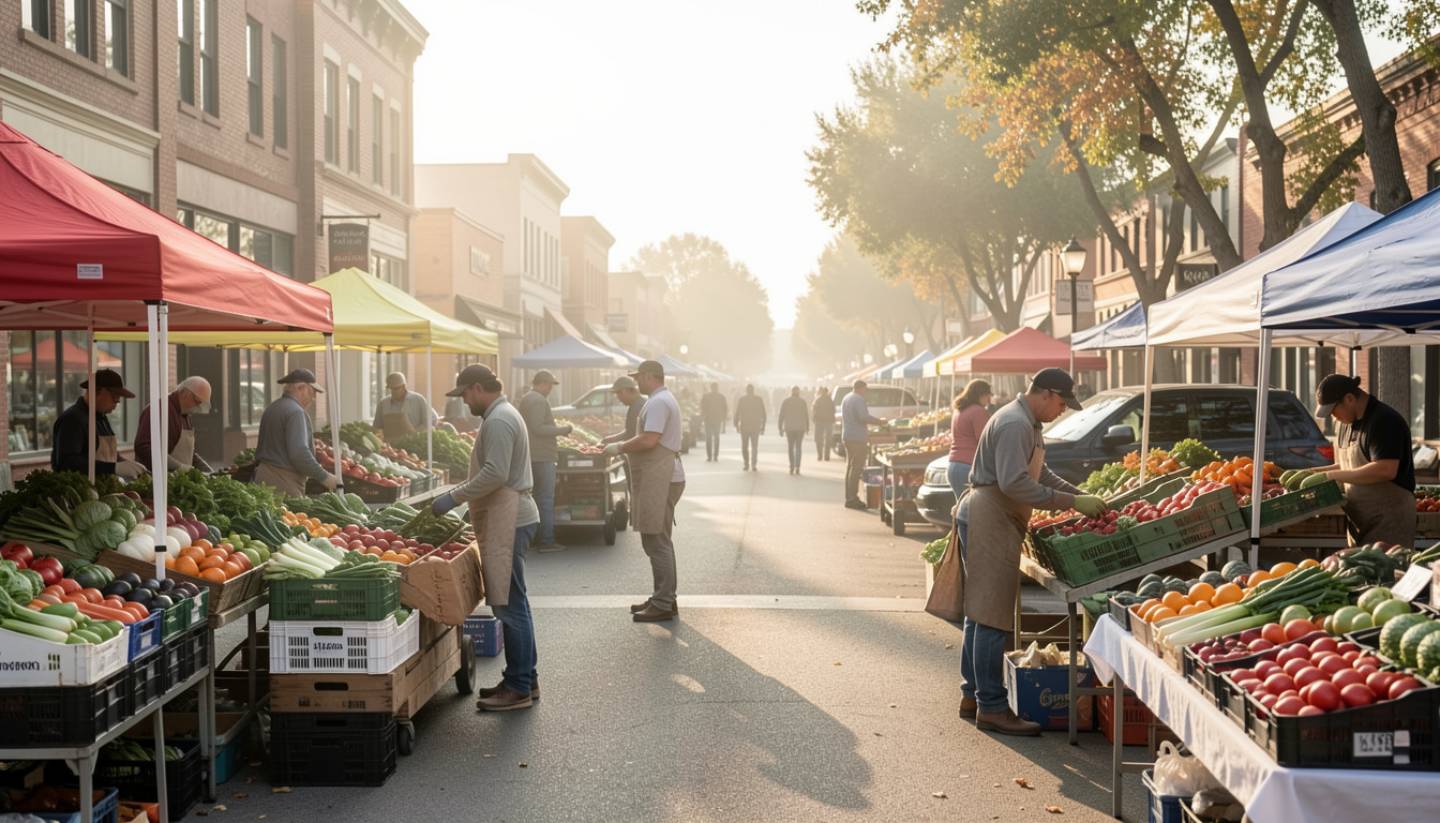
Stop at Oxbow Public Market in downtown Napa. You are looking at a distribution hub for local producers.
Have lunch at Farmstead in St. Helena. Notice how the ranch, the vineyard, and the kitchen are part of the same integrated story.
You will see agriculture, tourism, and small business layered in one afternoon.