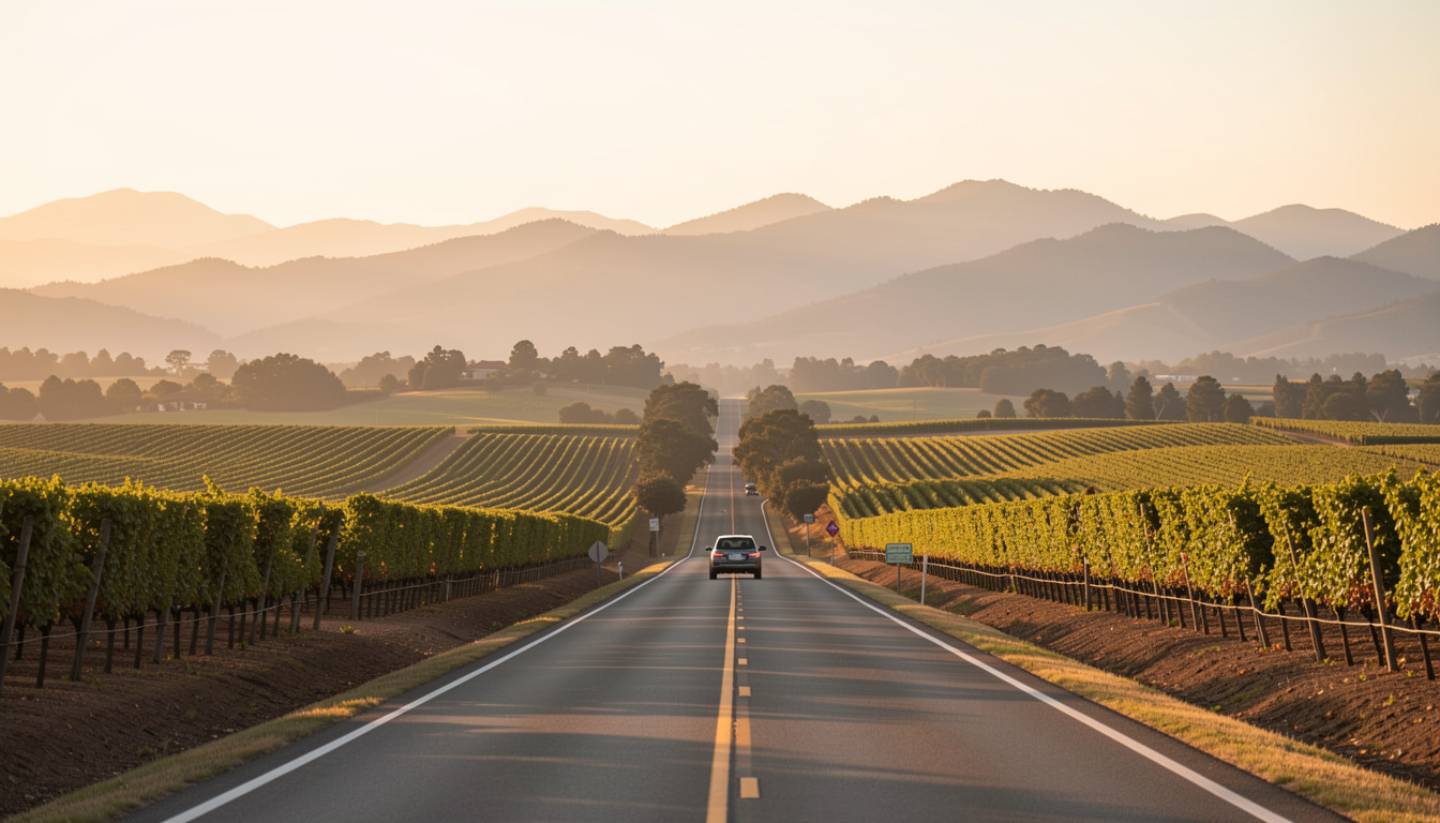
If you live in San Jose, you already understand road trips. The early alarm. The coffee poured into a travel mug. The moment when the lanes finally open up after the 101 or 680 grind and the drive becomes quiet again. Napa Valley rewards that instinct.
This is not a place to rush into or rush through. Napa works best when you arrive gradually, letting the road reset your pace before you ever step out of the car. For South Bay travelers who value the journey as much as the destination, Napa offers something rare: multiple ways in, each shaping how the day unfolds. This is Napa for people who believe the drive is not a chore but the first chapter of the story.
What This Experience Is Really About
A Napa road trip is a transition. You leave the density and digital speed of Silicon Valley and move into a place where land sets the tempo. The air cools. Hills replace exits. The light softens as you approach Carneros and the first vines appear.
Locals know arrival matters. The way you come in shapes how you experience the valley. Napa rewards travelers who treat the drive as part of the experience, not something to get through as fast as possible.
The Best Routes from San Jose, by Mood
The Carneros Gateway (I-680 North to Highway 12)
The classic Napa entry.
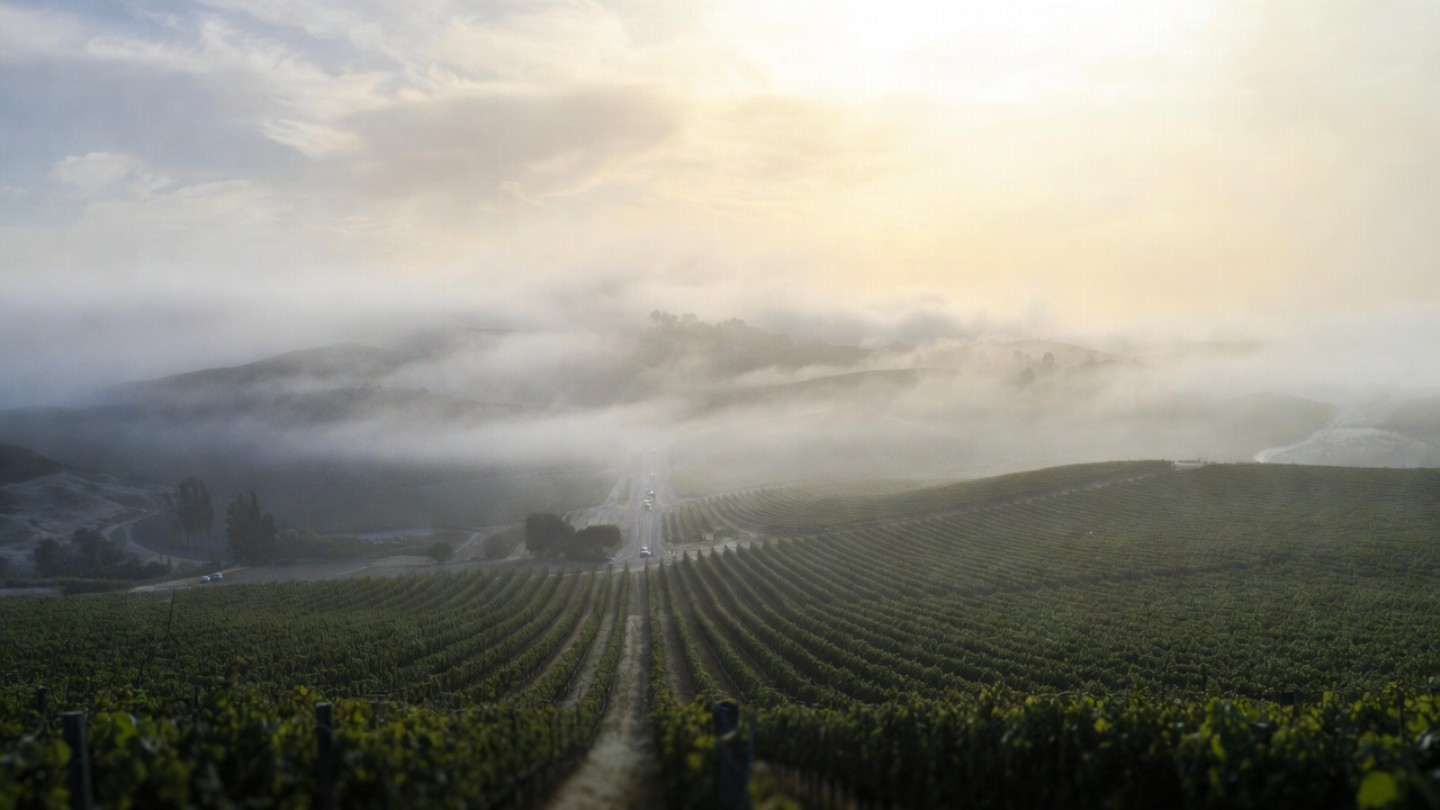
Why It Works: Rolling hills, open wetlands, and wide skies ease you into the valley naturally.
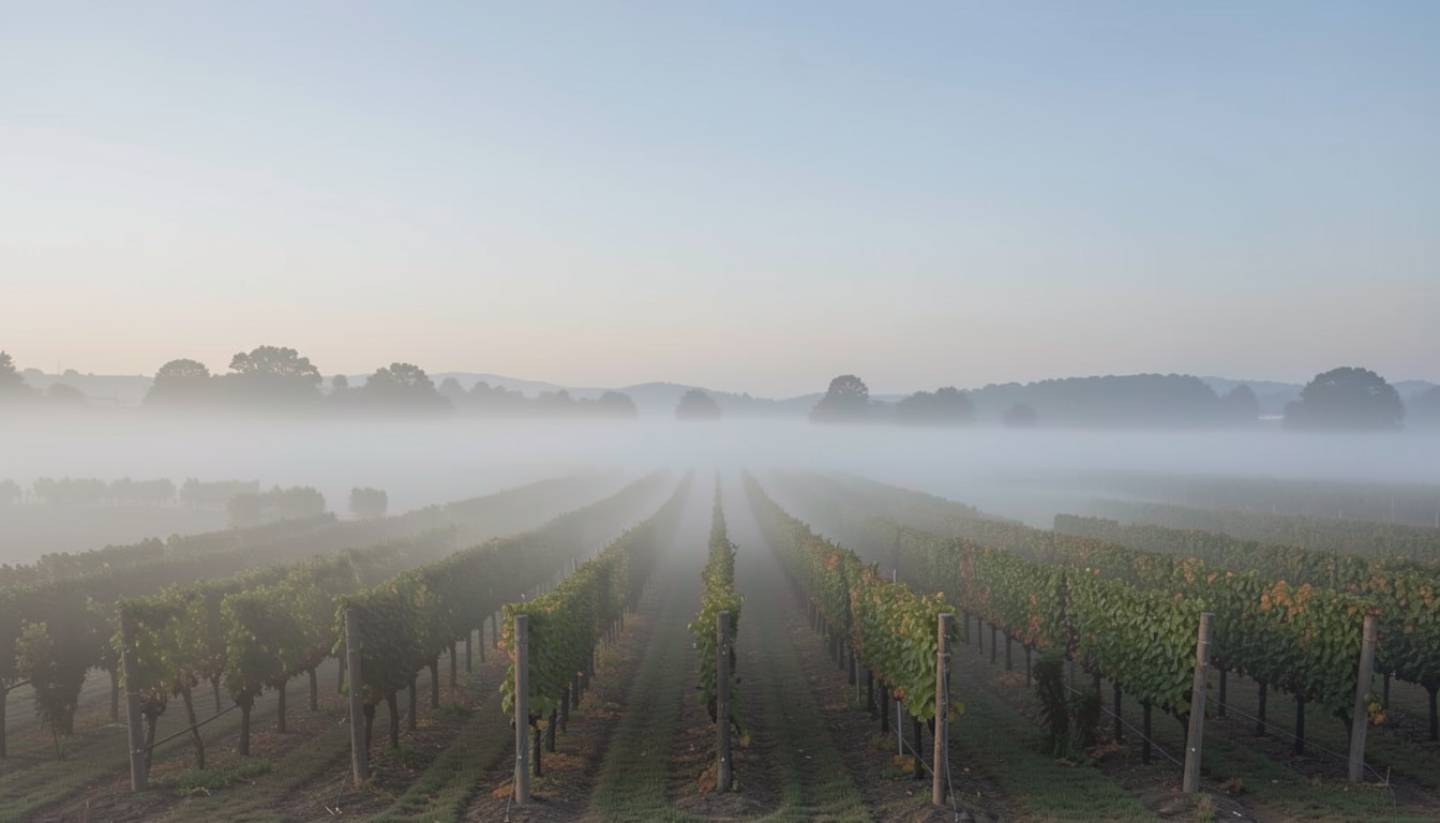
Local Cue: Morning fog often settles low here. Arrive before 10 AM and the light feels calm and forgiving.
The Silverado Trail (The Scenic Bypass)
A quieter, more deliberate arrival.
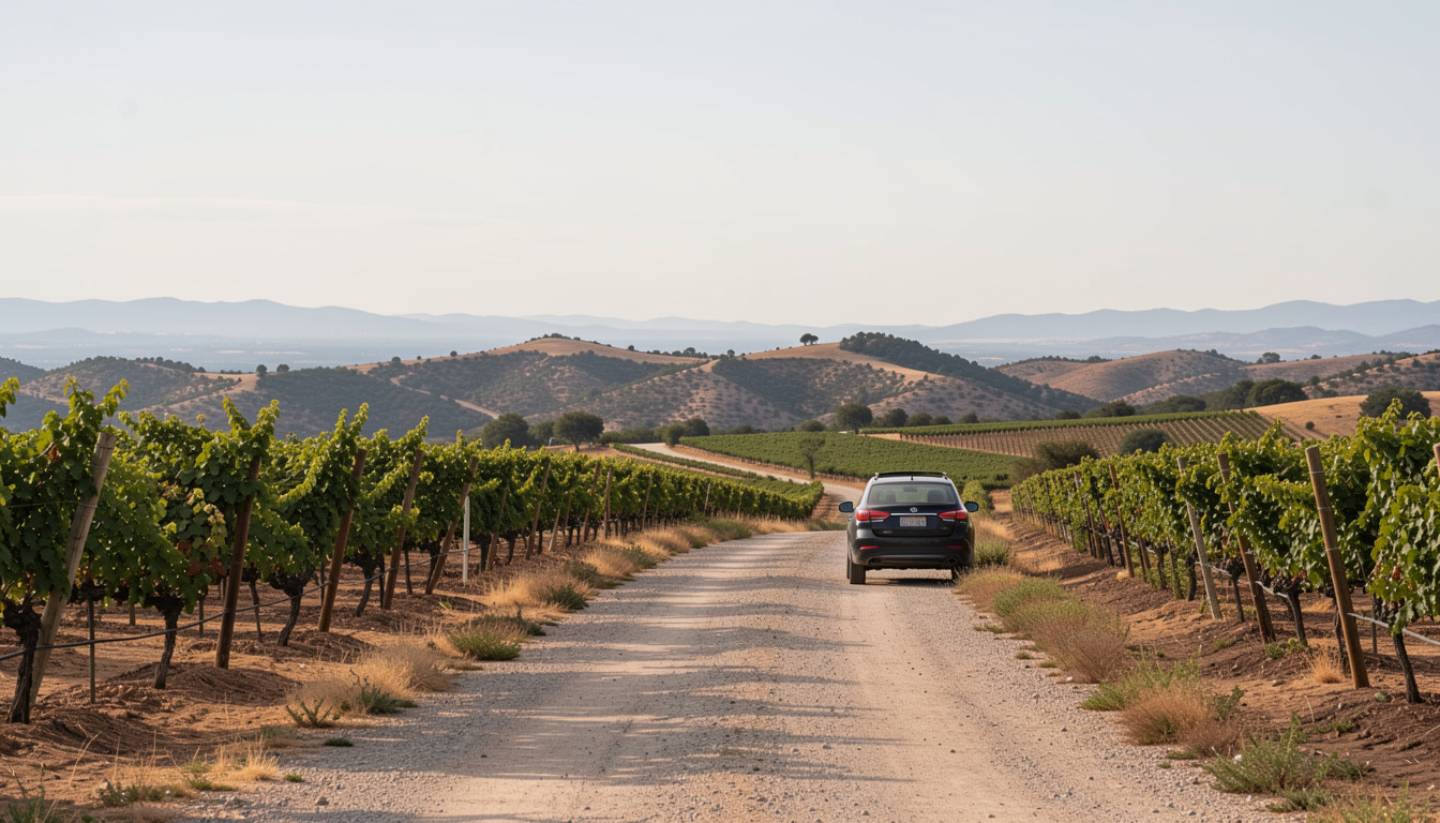
Why It Works: Fewer commercial signs, long vineyard sightlines, and a steady agricultural rhythm.
Directional Tip: Enter via Trancas Street or Oak Knoll Avenue and head north. Let the valley reveal itself one bend at a time.
Highway 29 (The Main Artery)
Efficient and familiar.
Why It Works: Direct access to Napa, Yountville, Rutherford, St. Helena, and Calistoga.
Local Note: Best used early in the morning or midweek to avoid weekend congestion locals call the Napa crawl.
How Road Trip Travelers Structure a Napa Day
Early Departure:
Leave San Jose before 7 AM. You avoid the Sunol Grade slowdown and arrive while the valley is still quiet.
One Anchor Stop:
Choose a single focus, whether that is a town, a long lunch, or a seated winery visit. Everything else stays optional.
The Long Pause:
Road trips need a reset. Lunch in Napa should stretch. Bistro Jeanty, Farmstead, or a quiet table in town works better than squeezing in another stop.
Golden Hour Drive:
Start the return drive as the sun drops behind the Mayacamas range. Silverado Trail at this hour is part of the reward.
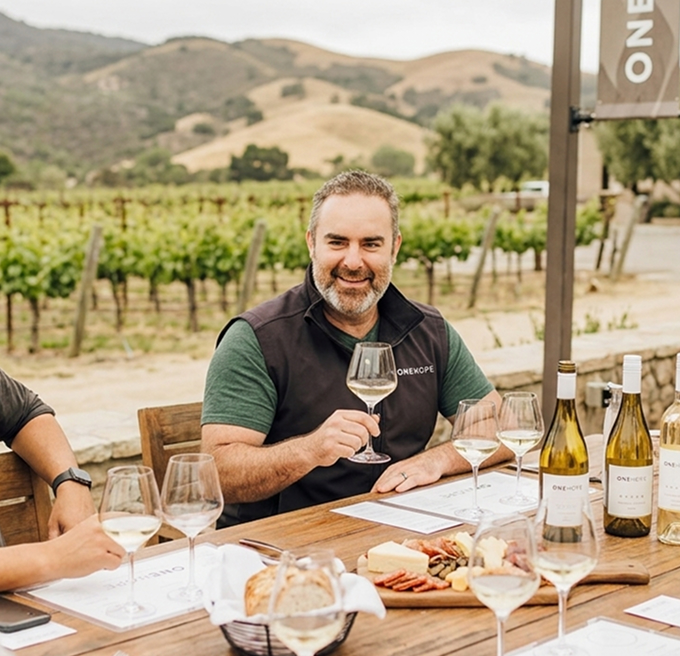
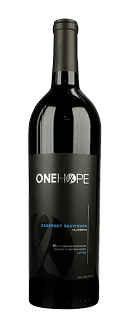
When friends road trip up to visit Estate 8, I always suggest they arrive with time rather than a checklist. ONEHOPE gatherings follow the same rhythm. Wine opens when the day is ready for it, not when the schedule says so. I am biased, of course, but Napa shows itself best when you stop rushing toward it.
Towns That Work Well for Road Trippers
Yountville:
Easy access, walkable core, and a natural place to park once and slow down. The Vine Trail makes it easy to stretch your legs after the drive.
St. Helena:
A classic Main Street town with enough distance from the South Bay to make the arrival feel earned.
Downtown Napa:
Ideal for river walks, dinner options, and an overnight reset before the drive home.
A Short Personal Micro Story
Some of my favorite Napa days started behind the wheel. I remember a drive north where we talked less, watched the light change, and arrived already calm. No plan beyond one stop and dinner later. That feeling of uncluttered time stayed with me.
Growing up here, I learned that Napa begins before you arrive. The road prepares you for the place. That idea still shapes how we welcome people today.
What Most Visitors Miss
Many visitors treat Napa like something to get to as quickly as possible. Locals know the road is part of the memory. The way fog lifts near Carneros. The temperature shift in Rutherford. The quiet stretches where vineyards outnumber signs.
Those moments rarely appear on itineraries, but they are what people talk about later.