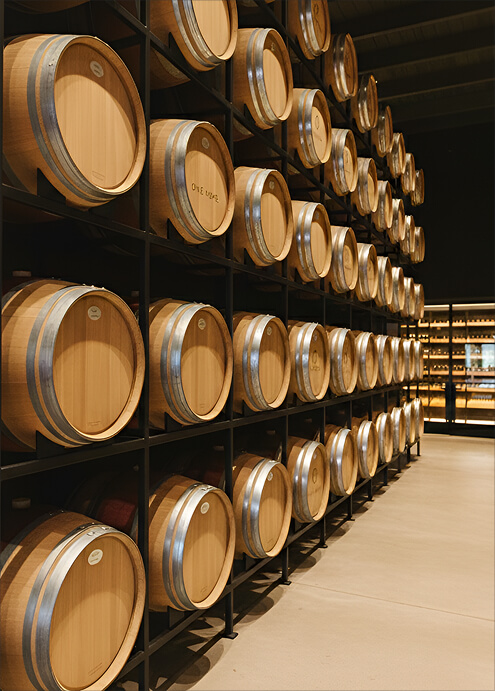
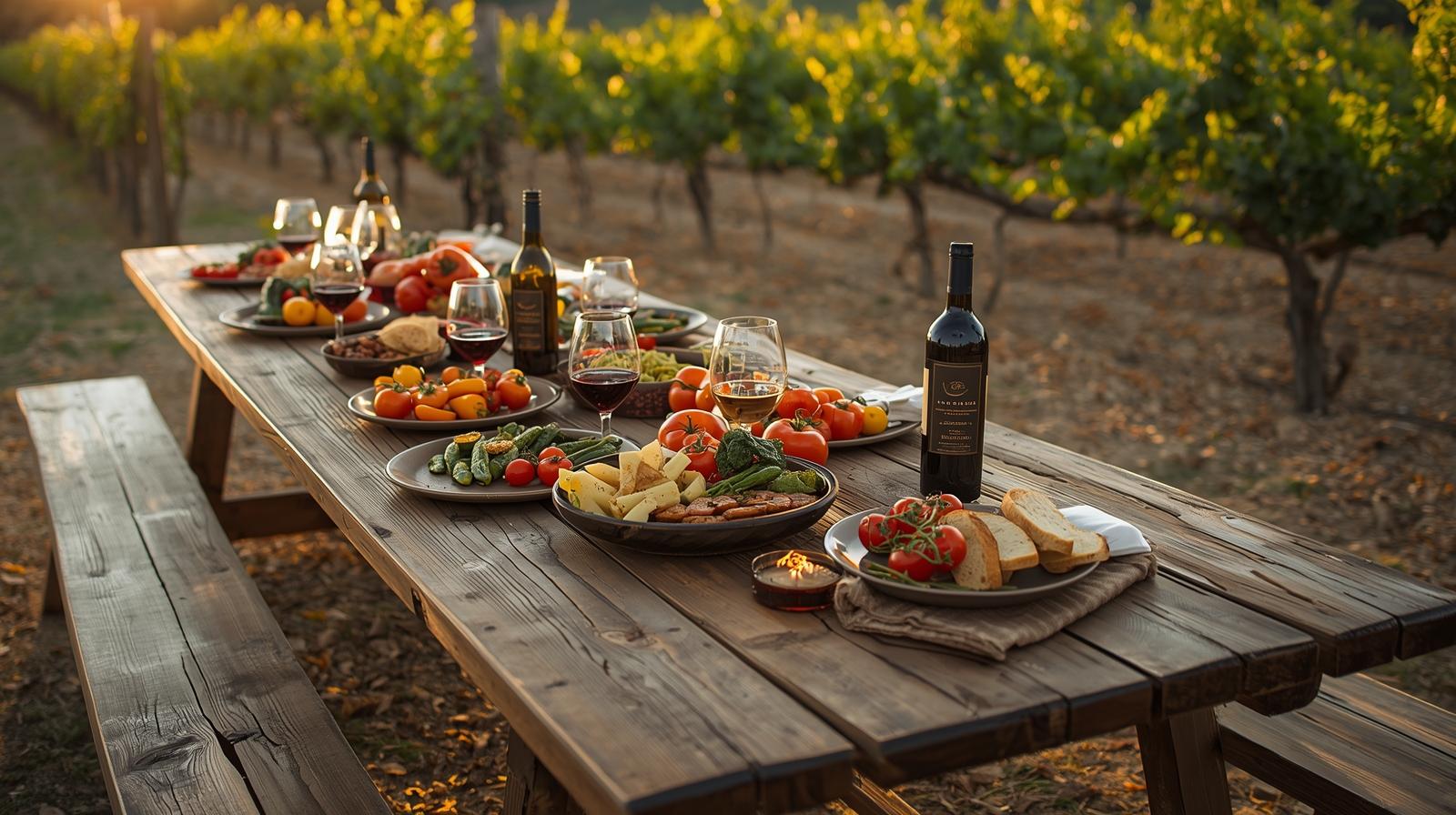
Before Napa Valley became shorthand for Cabernet and Michelin stars, it was prune orchards, truck farms, and cattle pasture.
My grandparents’ generation knew this valley by harvest schedules, not reservation books. Portuguese and Italian families planted vines and gardens. Mexican families became the backbone of vineyard work and kitchen culture. Basque and ranching traditions shaped how meat was cooked and shared. The land fed the table long before the table became an attraction.
If you are exploring food identity Napa style, you have to look past the polish.
It lives in a warm English muffin at Model Bakery in St. Helena. In crates of tomatoes at Oxbow Public Market in downtown Napa. In a plate set on Washington Street in Yountville that reflects not just technique, but soil.
In Napa Valley, food is biography written in weather and work.
What This Experience Is Really About
Food identity in Napa begins with origin.
Who planted these olive trees near Rutherford?
Why does this lamb pair so naturally with Oakville Cabernet?
How does a cool Carneros breeze influence what lands on the plate?
The Napa Valley Agricultural Preserve ensured that farmland would not be carved into subdivisions. That decision kept the farmer as the chef’s closest collaborator. It preserved the five mile radius supply chain that defines farm to table Napa Valley dining.
When you sit down to eat here, you are often tasting a closed loop:
- Produce grown within sight of the restaurant
- Olive oil pressed locally
- Beef raised on nearby ranches
- Wine grown from the very soil you drove past on Silverado Trail
Food identity Napa style is not imported. It is rooted.
A Short Personal Story
One harvest evening in Rutherford, after a long day in the vineyard, we gathered around a simple wooden table. No design team. No photographers. Just roast chicken, vegetables from a neighbor’s garden, and a bottle we had been watching evolve for years.
The crew was tired. Hands still stained from sorting fruit. The meal was quiet at first. Then conversation rose slowly as the wine opened.
That dinner reminded me that Napa’s best meals are rarely performances. They are reflections of season and effort. You taste the year in the glass and on the plate.
That perspective follows me every time I sit down at a restaurant in Yountville or St. Helena.
Where to Experience Food Identity Napa
1. Downtown Napa: The Market Tradition
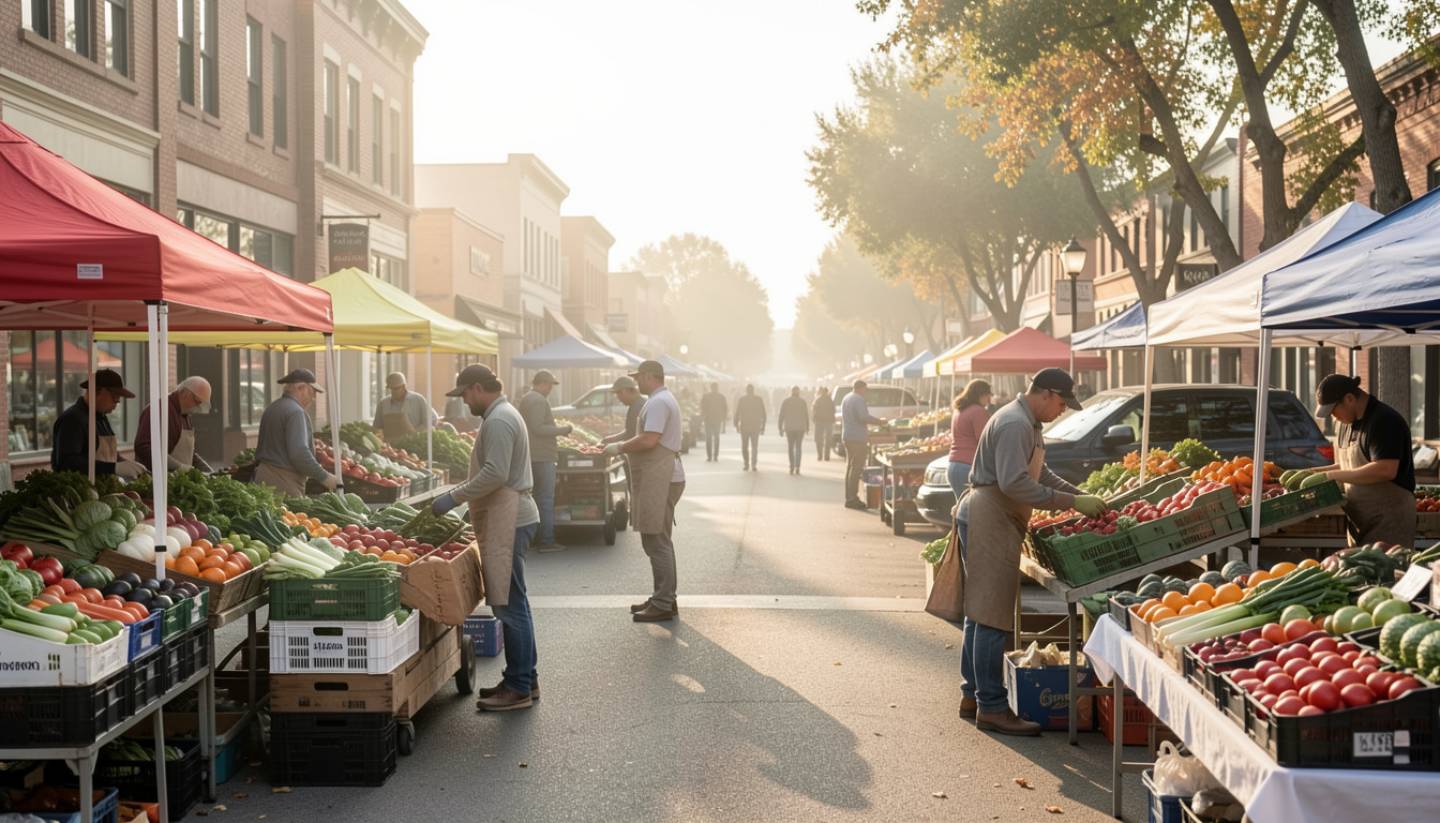
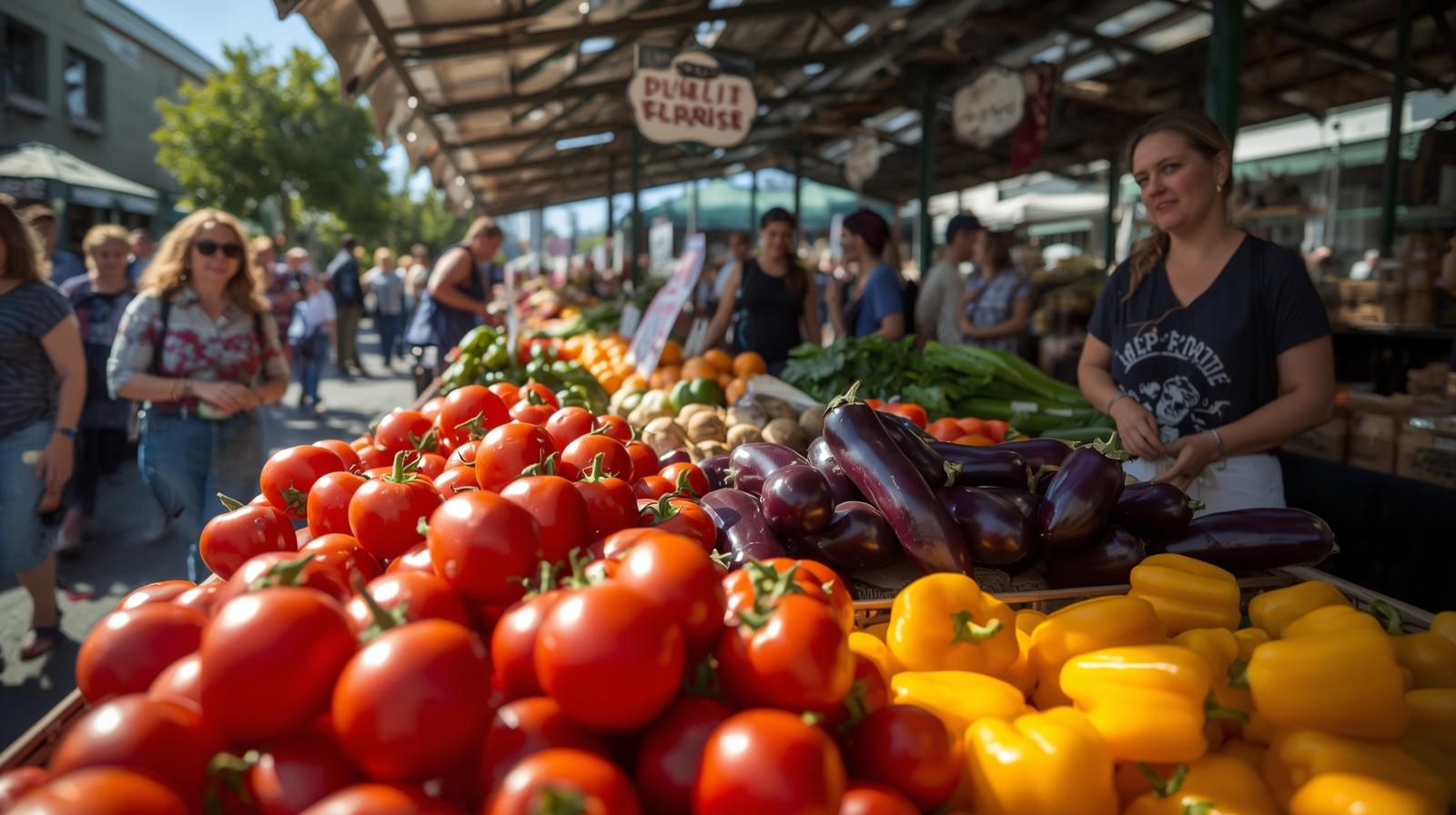
Start at Oxbow Public Market. This is the valley’s communal pantry. Watch how vendors talk about their products. Ask what came in fresh that morning.
On Tuesdays and Saturdays, the Napa Farmers Market reveals the ingredients before they appear on restaurant menus. Chefs shop here. Locals shop here. Identity starts at the stall.
Nearby wineries in downtown Napa also reflect this connection, often building tasting pairings around seasonal bites.
2. St. Helena: Agricultural Integration
St. Helena still feels like the agricultural heart of the valley. Long Meadow Ranch is a clear example of farm to table Napa Valley done literally. You can see the orchards, cattle, and vineyards before sitting down to eat.
Drive north on Highway 29 and notice how quickly storefronts give way to vines and open land. That proximity shapes the plate.
Model Bakery on Main Street, known for its English muffins, is another small but meaningful expression of Napa’s culinary heritage.
3. Yountville: The Culinary Corridor
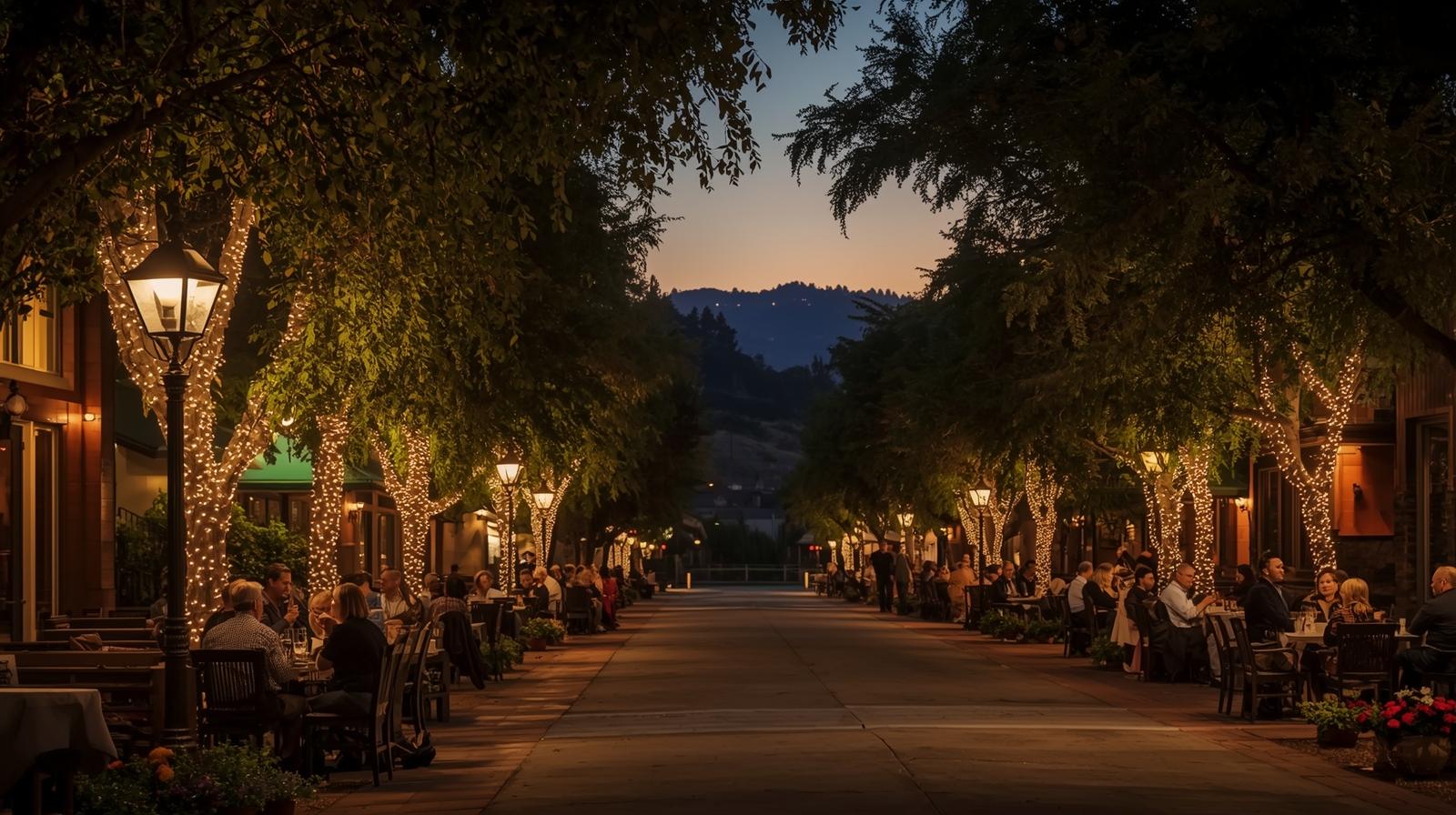
Yountville is often described as the culinary capital of Napa Valley. Along Washington Street, restaurants operate with refinement, but their philosophy remains agricultural.
Menus shift with harvest. In late summer, tomatoes and stone fruit dominate. During mustard season in winter, citrus and greens take the lead. Cabernet season calls for richer, structured dishes.
Yountville restaurants are polished, but the roots remain in soil.
4. Mexican Heritage and Everyday Identity
Napa’s Mexican community is central to vineyard life and culinary culture. Family owned taquerias in downtown Napa and Calistoga tell a parallel story to white tablecloth dining rooms.
Taco trucks parked near job sites during harvest are part of the valley’s rhythm. This is food identity Napa style at its most honest.
Do not miss it.
Pairing Food with Place
Understanding Napa Valley culinary history means pairing plate with geography.
Rutherford and Oakville
Cabernet driven identity. Grilled meats, earthy vegetables, dishes that stand up to tannin.
Carneros
Cooler climate, maritime influence. Pinot Noir and Chardonnay pair naturally with lighter preparations and bright acidity.
Calistoga
Warmer days, mountain proximity. Rustic, bold flavors feel at home here.
Place shapes plate. Terroir is not limited to wine.
A Gentle Note on Estate 8 and ONEHOPE
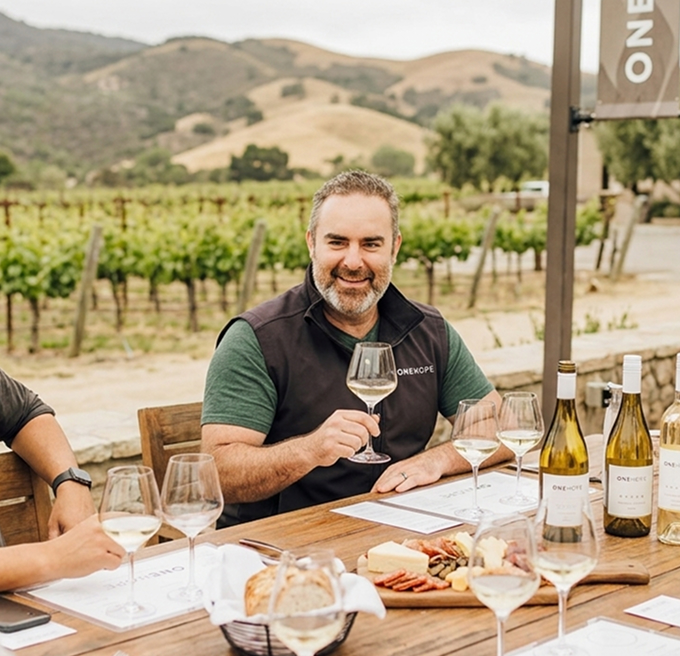
When we host meals at Estate 8, we think first about how the vineyard frames the table. I am biased. It is my baby. But the goal has always been simple. Let food reflect the land rather than compete with it.
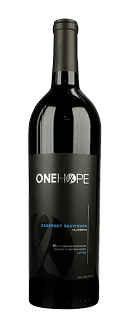
At ONEHOPE, that philosophy extends further. A shared meal is not just about taste. It becomes a vehicle for impact and community.
Food identity Napa is strongest when it connects soil to service to something larger than ourselves.
Suggested Food Identity Napa Itinerary
One Intentional Day
Morning
Coffee in downtown Napa. Walk Oxbow Public Market and speak with vendors.
Midday
Lunch at Farmstead in St. Helena. Notice how ranch and restaurant intersect.
Afternoon
Winery tasting in Rutherford. Ask about harvest dinners and food pairings.
Evening
Dinner in Yountville. Pay attention to how the tasting menu reflects season and vineyard proximity.
A Full Weekend
Day One
Farmers market visit.
Oakville winery experience.
Lunch in St. Helena.
Dinner along Washington Street in Yountville.
Day Two
Drive south to Carneros for cooler climate wines.
Casual lunch in downtown Napa at a family owned restaurant.
Sunset drive north on Silverado Trail followed by a Calistoga dinner rooted in local sourcing.
Balance refinement with authenticity.