If you live in Contra Costa County, you already understand how light reshapes a familiar place. You see it in the morning haze over Mount Diablo and the long afternoon shadows sliding across the Briones hills. Napa Valley speaks that same visual language, just translated into vineyards, ridgelines, and weather that moves slowly enough to study.
For photographers coming from Walnut Creek, Lafayette, or Danville, Napa is not about chasing shots or ticking off locations. It is about positioning yourself, waiting, and letting the valley reveal itself. This is a trip built around patience, timing, and knowing when to lower the camera and simply watch.
What This Experience Is Really About
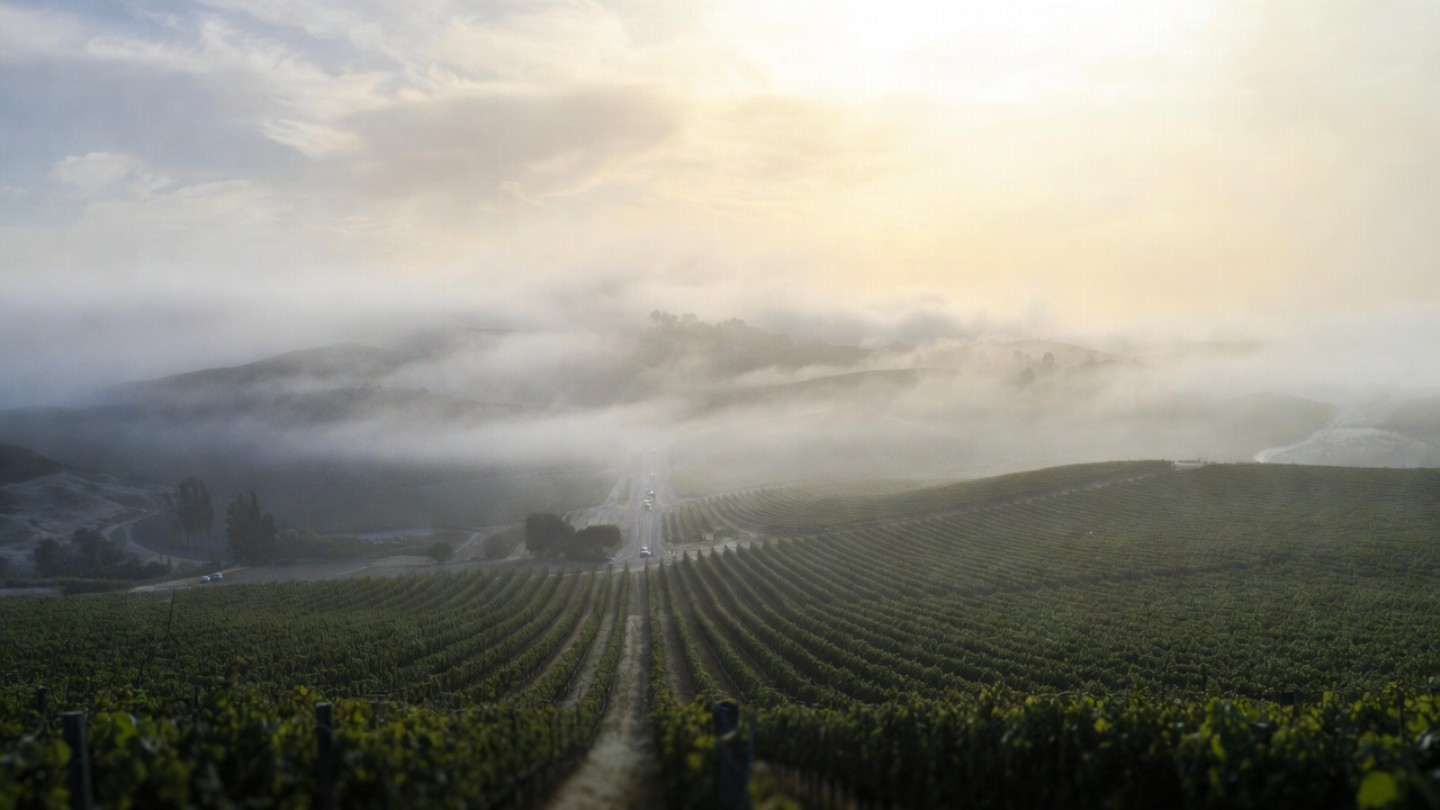
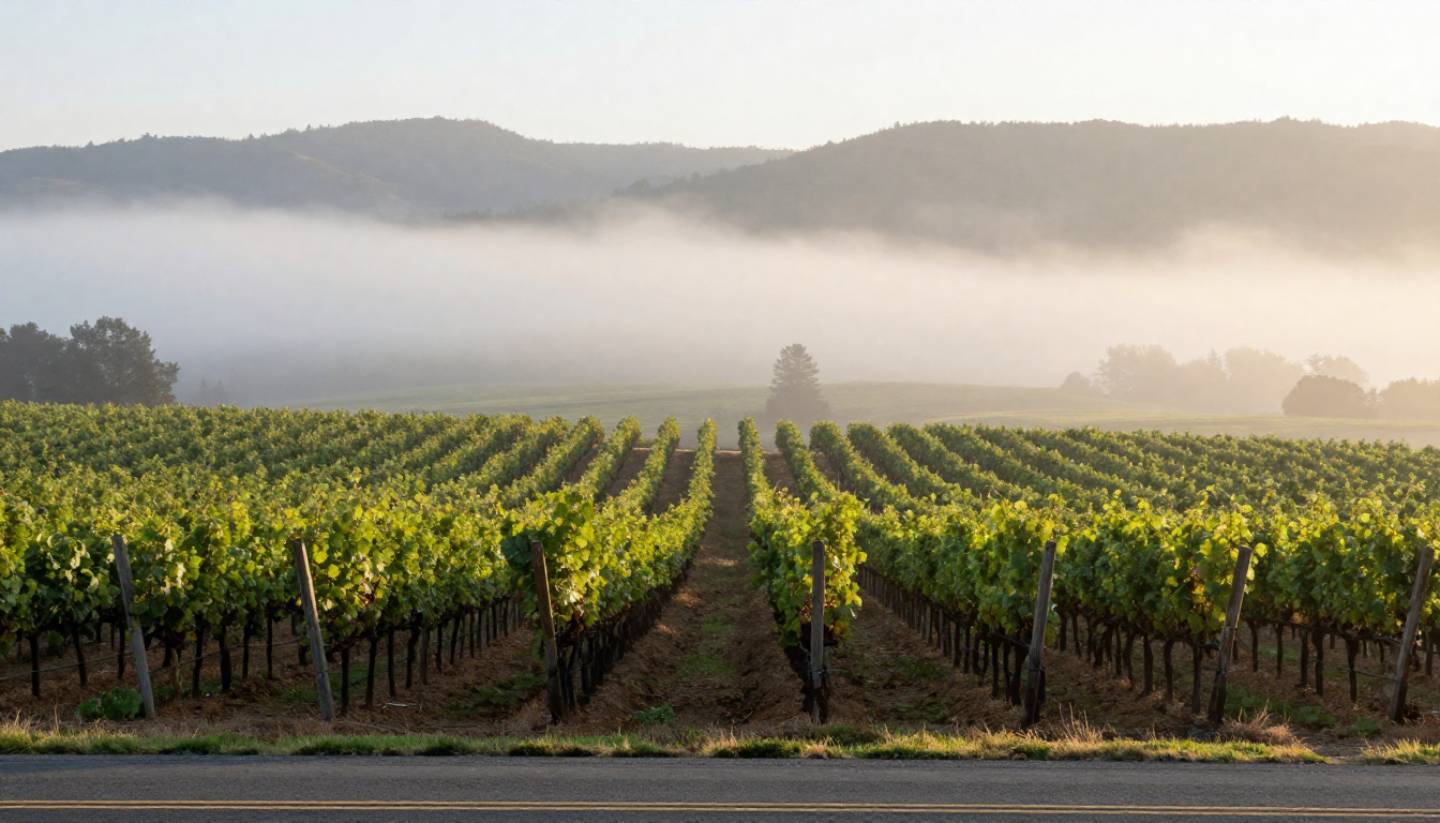
Photography in Napa is not about landmarks. It is about atmosphere. The way fog lifts unevenly off the valley floor. How the Rutherford benchlands catch light earlier than the flats. How vineyard rows become bold graphic lines at one angle and dissolve completely at another. Napa rewards photographers who move slowly, scout early, and stay longer than planned.
The Best Photography Zones, By Feel
Carneros and Southern Napa
This is where fog lingers longest and light softens first.
Why It Works: Rolling hills, wind shaped vines, and wide horizons create clean, minimalist compositions that feel timeless.
Local Directional Cue: Enter the valley via Highway 12 or 121 at sunrise. Pullouts near Los Carneros Avenue often deliver layered fog and precise vineyard geometry without the need to wander far.
The Rutherford Benchlands
This is the visual heart of classic Napa imagery.
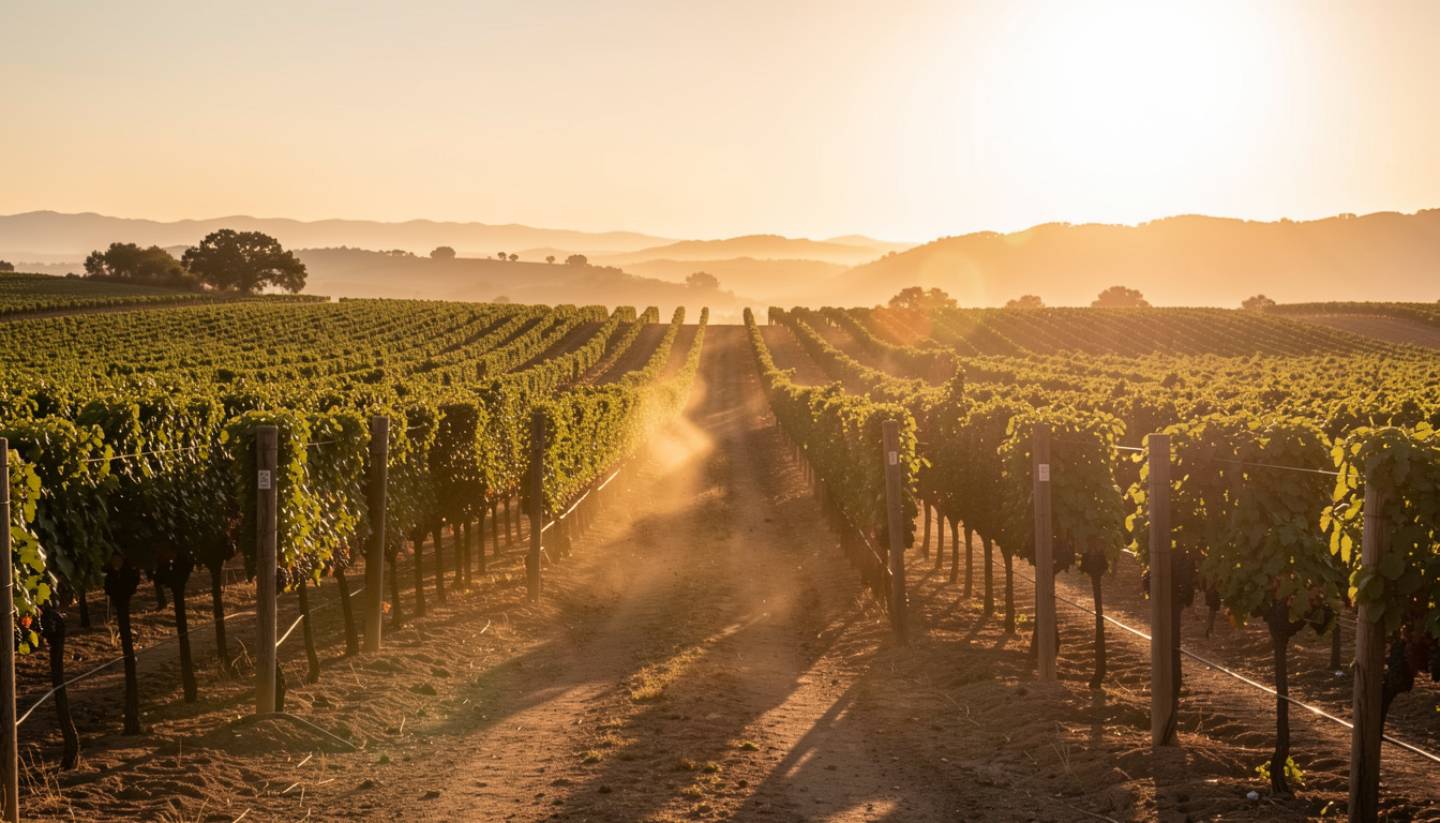
Why It Works: Slight elevation changes, dusty vineyard roads, and west facing light give depth and contrast late in the day.
Local Note: The benchlands sit at the base of the Mayacamas Mountains. Stay through sunset. As the sun drops behind the ridge, the vines catch a soft rim of light that lasts only minutes.
Silverado Trail and the Eastern Hills
A quieter road with fewer visual interruptions than Highway 29.
Why It Works: Long vineyard stretches, historic stone walls, and cleaner horizons make composition easier and more intentional.
Directional Cue: Drive northbound in the morning. The sun rises over the Vaca Range to your right, washing the valley floor with gentle side light.
Northern Napa and the Palisades
Where geology begins to assert itself.
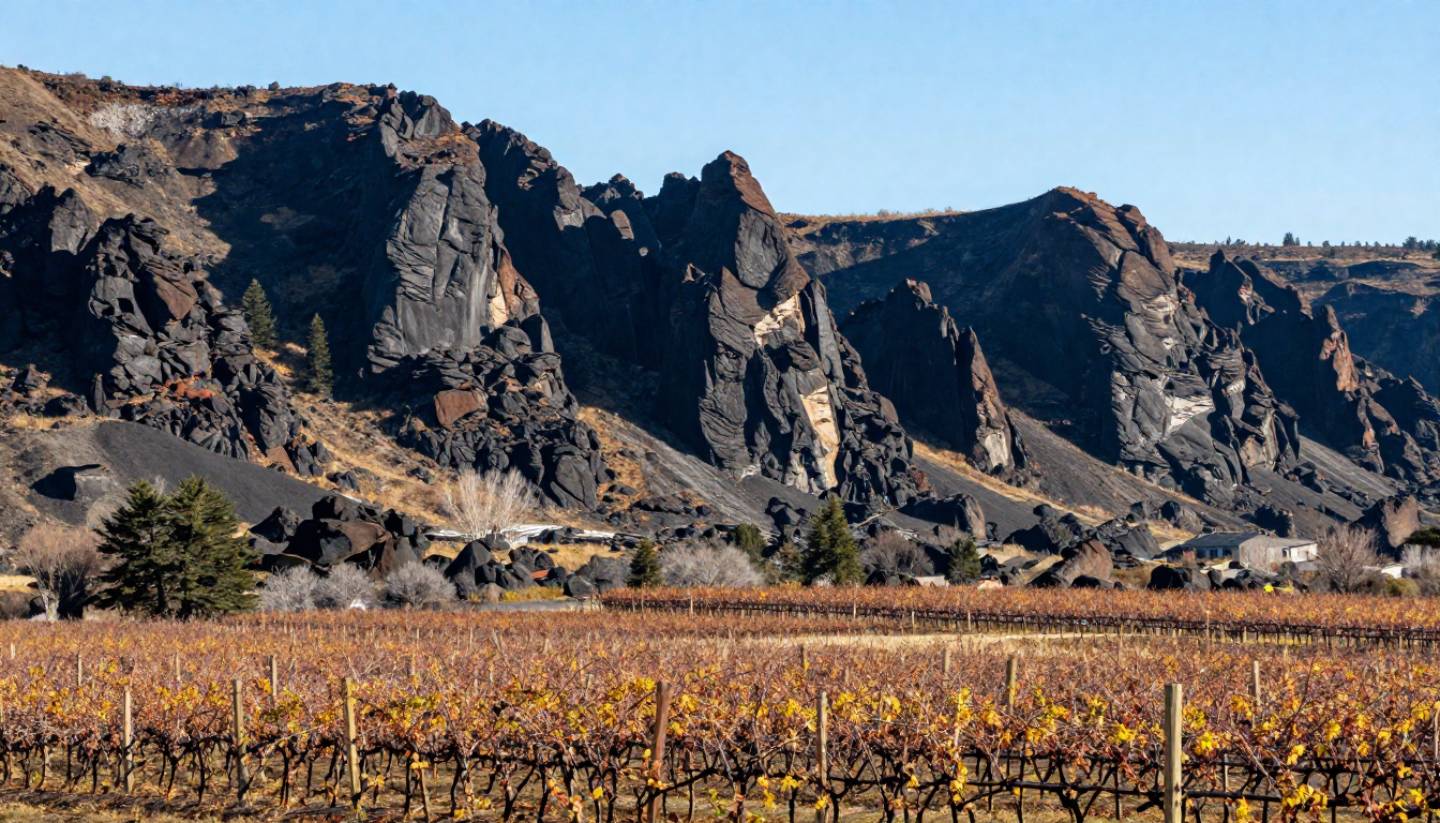
Why It Works: Volcanic cliffs, older vine blocks, and dramatic elevation shifts add texture and scale to vineyard scenes.
Seasonal Tip: Late fall is exceptional here, when old vines turn deep crimson against the dark rock faces.
Timing Matters More Than Gear
Morning (Blue Hour to 9 AM): Fog, muted color, calm air, and long exposures. Ideal for wide, atmospheric frames.
Midday: Scout only. Napa midday light is harsh, but it reveals vineyard lines, access points, and compositions worth returning to.
Golden Hour: As the sun lowers, the valley gains depth. Shadows stretch across rows, and the light becomes directional and forgiving.
A Short Personal Micro Story
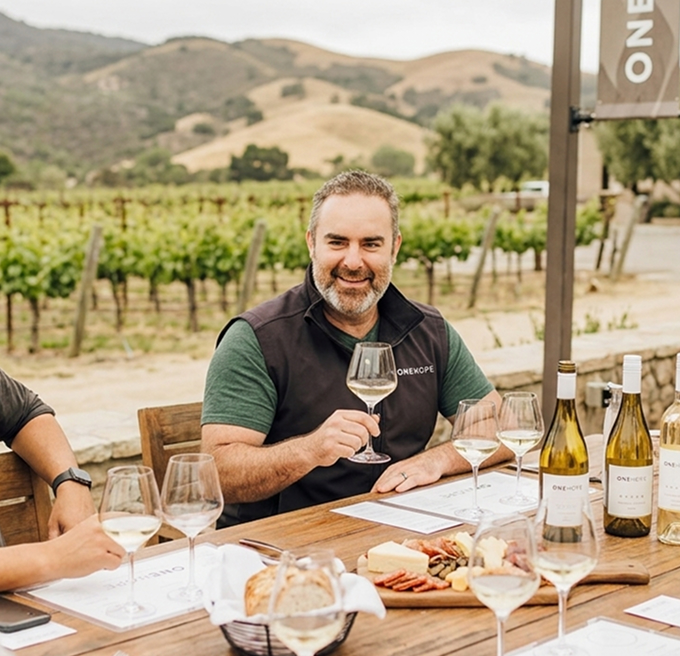
Some of my favorite images of Napa were never planned. I remember pulling over on a quiet stretch near Rutherford and waiting as the fog lifted one row of vines at a time. No rush. No schedule. When photographers visit Estate 8, I often encourage them to slow down on the property and let the light finish what it started. ONEHOPE was built with gathering and sightlines in mind, but the real magic happens after everyone goes quiet. I am biased. This valley raised me. But Napa teaches patience better than any camera manual ever could.
What Most Visitors Miss
Most visitors chase iconic winery architecture. Locals look for edges. Dirt roads. Backlit vines. The moment just before the fog disappears or just after it returns. Napa photography is less about the postcard and more about the pause.

Practical Tips for Photography Trips
Respect Private Property: Never cross vineyard gates or fences. Many of the best images are accessible from public roads.
Park Thoughtfully: Silverado Trail moves faster than it appears. Pull fully off the pavement before exiting your vehicle.
Stay Flexible: Some of the best light appears when plans fall apart.