If you drive north on Highway 29 from downtown Napa through Yountville and into Oakville, you will notice something subtle.
The gates change before the wine does.
Stone pillars in Rutherford signal permanence. Clean glass lines in Yountville suggest culinary precision. Weathered barns north of St. Helena lean into agricultural grit. By the time you step out of the car, you are already inside a story.
In Napa Valley, branding is not layered on top of a bottle. It is embedded in the soil, the architecture, the vineyard rows, and the tone of the person greeting you at the tasting bar.
If you are studying story based branding wine style, Napa is not theoretical. It is lived, harvest after harvest.
What This Experience Is Really About
Story based branding in Napa rests on three pillars.
1. Place
Rutherford Dust is not just a soil description. It is a brand asset.
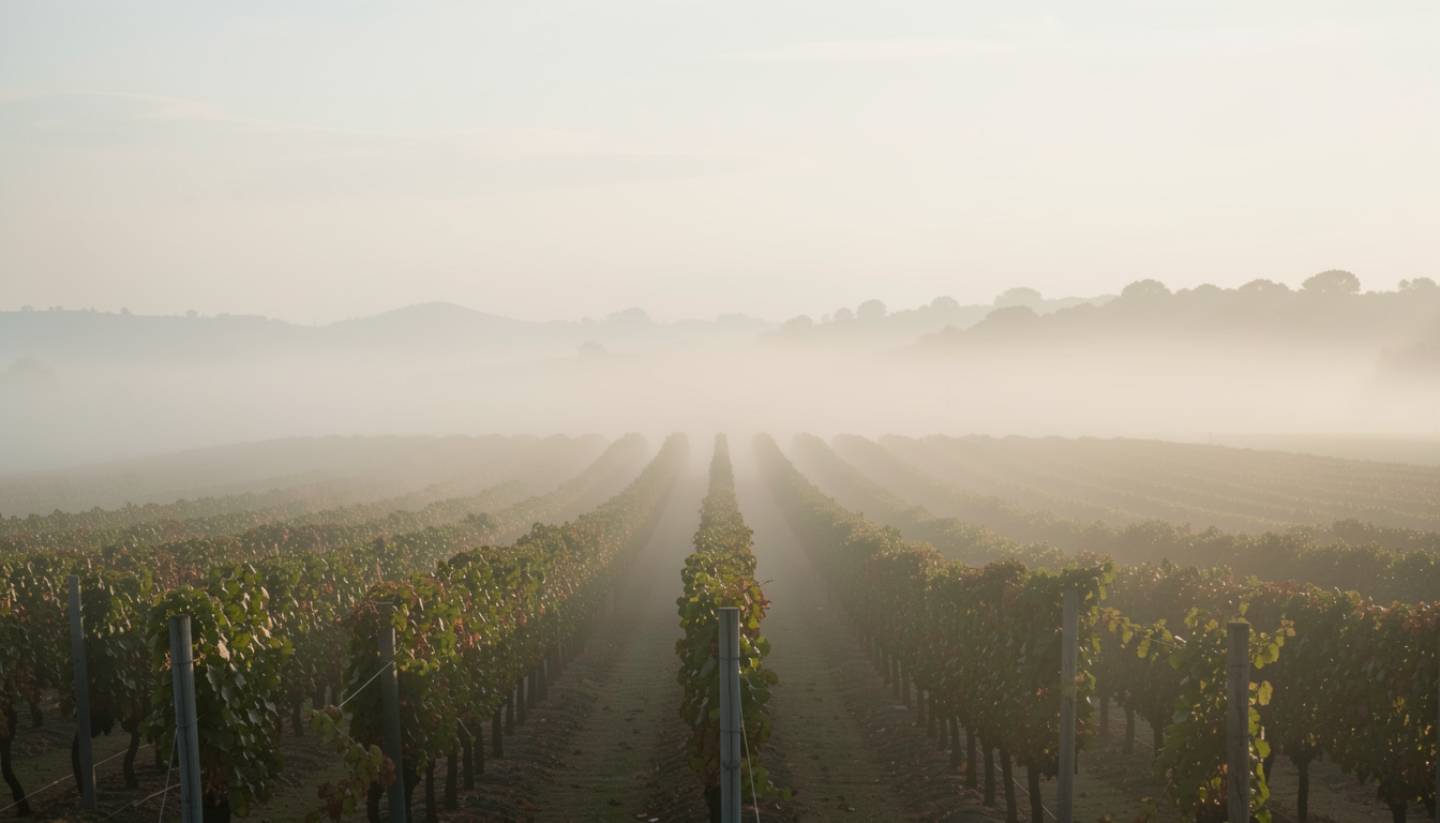
Atlas Peak speaks of elevation and volcanic intensity. Carneros leans into wind and fog rolling off San Pablo Bay. Spring Mountain evokes forest and hillside resilience.
Geography becomes identity.
In Napa, if your brand is not rooted in a specific place, it feels hollow.
2. People
Family surnames in St. Helena carry weight because they have endured frost, fire, and market shifts. Founder led brands in Calistoga often tell second act stories of reinvention.
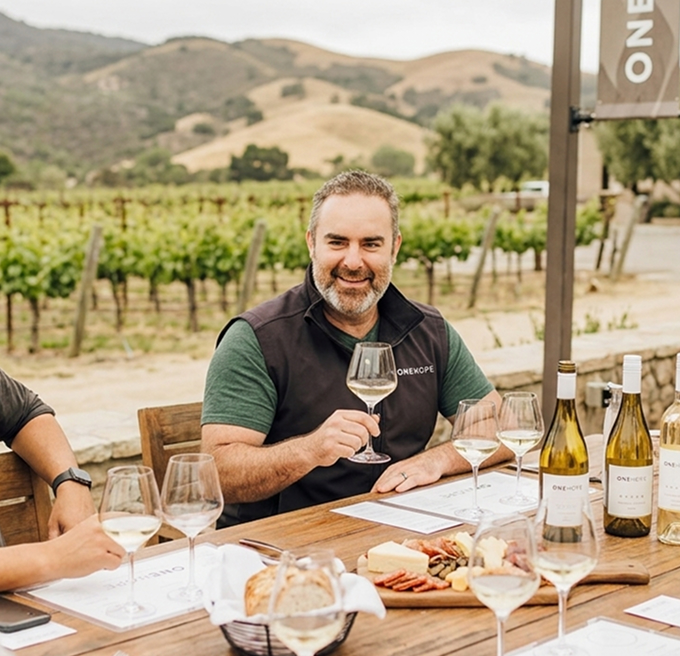
Guests are not just tasting wine. They are meeting the narrative carrier.
The storyteller matters.
3. Purpose
Modern Napa wine marketing increasingly integrates sustainability, regenerative farming, and community impact.
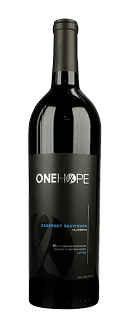
At ONEHOPE, we built purpose into the brand from the beginning. I am biased. But when impact is measurable and not just aspirational, the story resonates. Guests can feel when values are real.
Purpose without practice does not last in this valley.
A Short Personal Story
Early in building Estate 8, I had a moment that shifted how I think about branding.
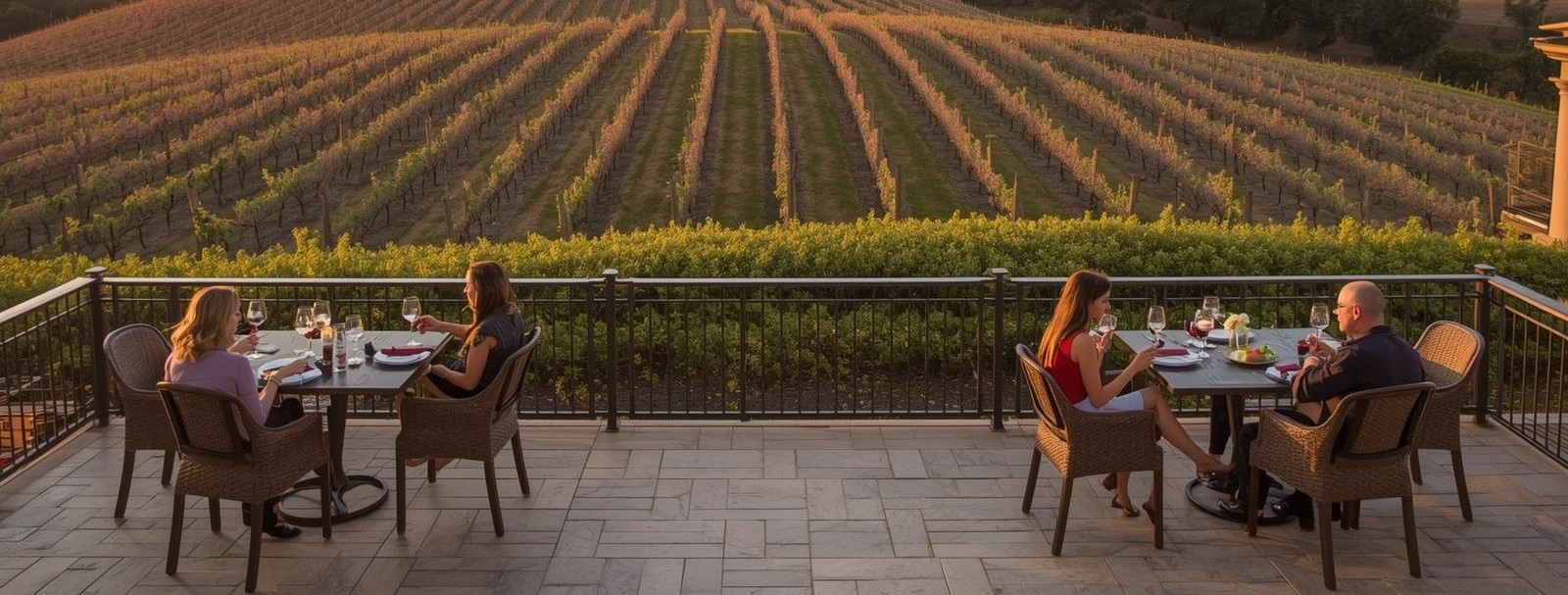
A guest stood on the terrace just before sunset, looking west toward the Mayacamas. We had talked about the vineyard blocks, about the slope, about why we built where we did.
She paused and said, “Now I understand the wine.”
We had not discussed tannin structure or barrel selection. We had framed the land and told the truth about why it mattered.
That was the moment I realized branding in Napa is about coherence. When architecture, vineyard, and voice align, the brand feels believable.
In Napa Valley, credibility is everything.
The Visual Language of Napa Valley Branding
Architecture as First Impression
Winery design Napa decisions speak before the host does.
- In Oakville, stone facades and symmetry signal legacy and scale.
- In Yountville, glass walls and culinary integration communicate lifestyle alignment.
- In Calistoga, industrial textures and rustic barns suggest independence.
- In Carneros, low profile buildings respect wind and open sky.
Architecture is not decoration. It is positioning.
Label and Packaging
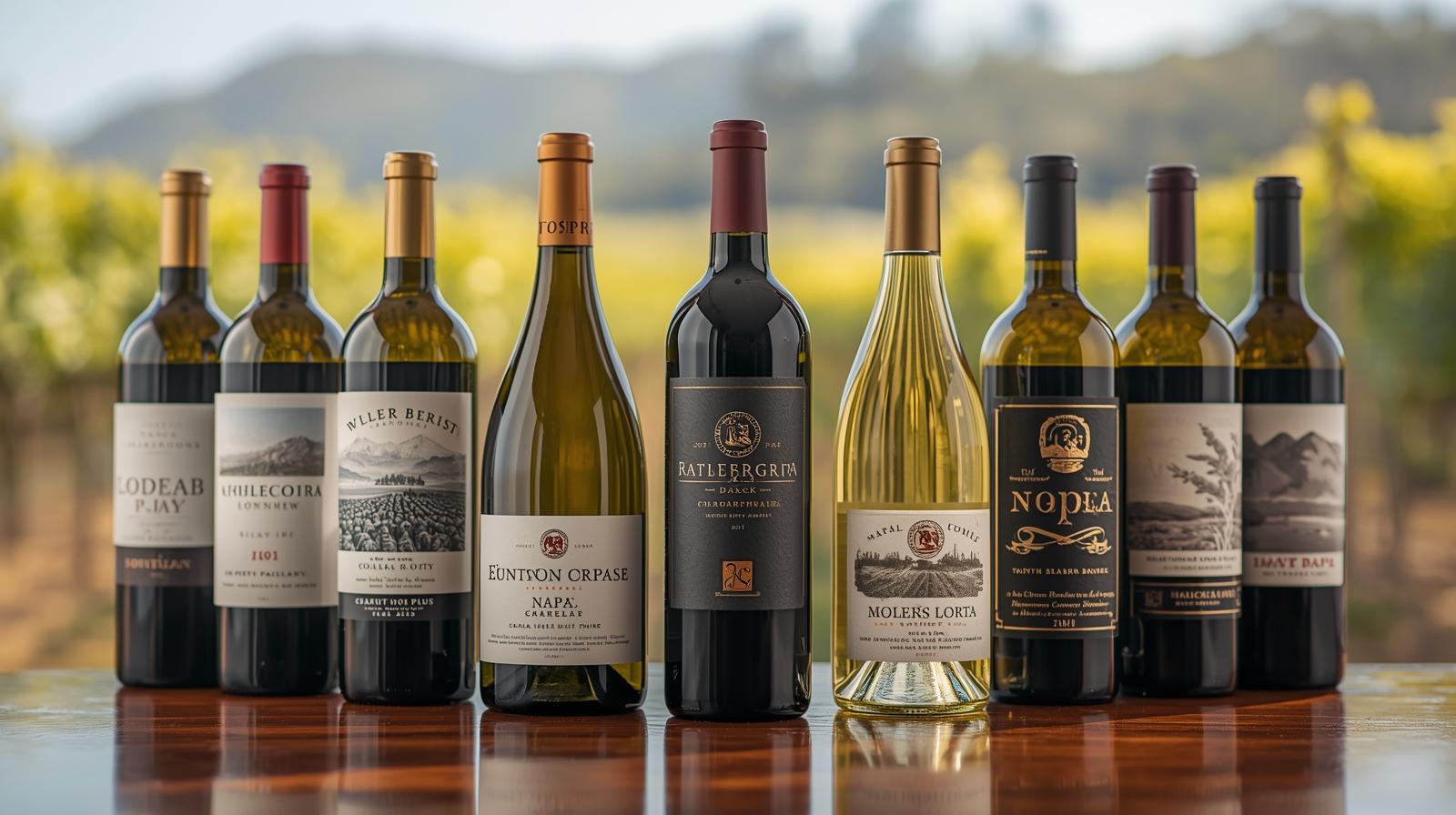
Walk along Silverado Trail and study the bottles in tasting rooms.
You will see:
- Minimal typography signaling modern confidence
- Script fonts referencing heritage
- Mountain silhouettes anchoring place
- Textured paper reinforcing craftsmanship
Packaging in Napa is narrative shorthand.
Hospitality as Brand Amplifier
The strongest Napa Valley branding lives in the tasting experience.
Notice:
- How the host introduces the vineyard
- Whether farming practices are discussed naturally
- The pacing of the flight
- The view framed from your table
Hospitality either strengthens the story or exposes gaps in it.
A Story Based Branding Napa Itinerary
Morning
Visit a legacy estate in Rutherford or Oakville. Pay attention to how the land is described. Listen for references to benchland soils or vineyard blocks.
Lunch
Dine in Yountville. Notice how the restaurant branding aligns with the wines on the list. Culinary identity and winery branding often mirror each other.
Afternoon
Head north to Calistoga. Visit a boutique producer where the founder still shapes the narrative directly.
Evening
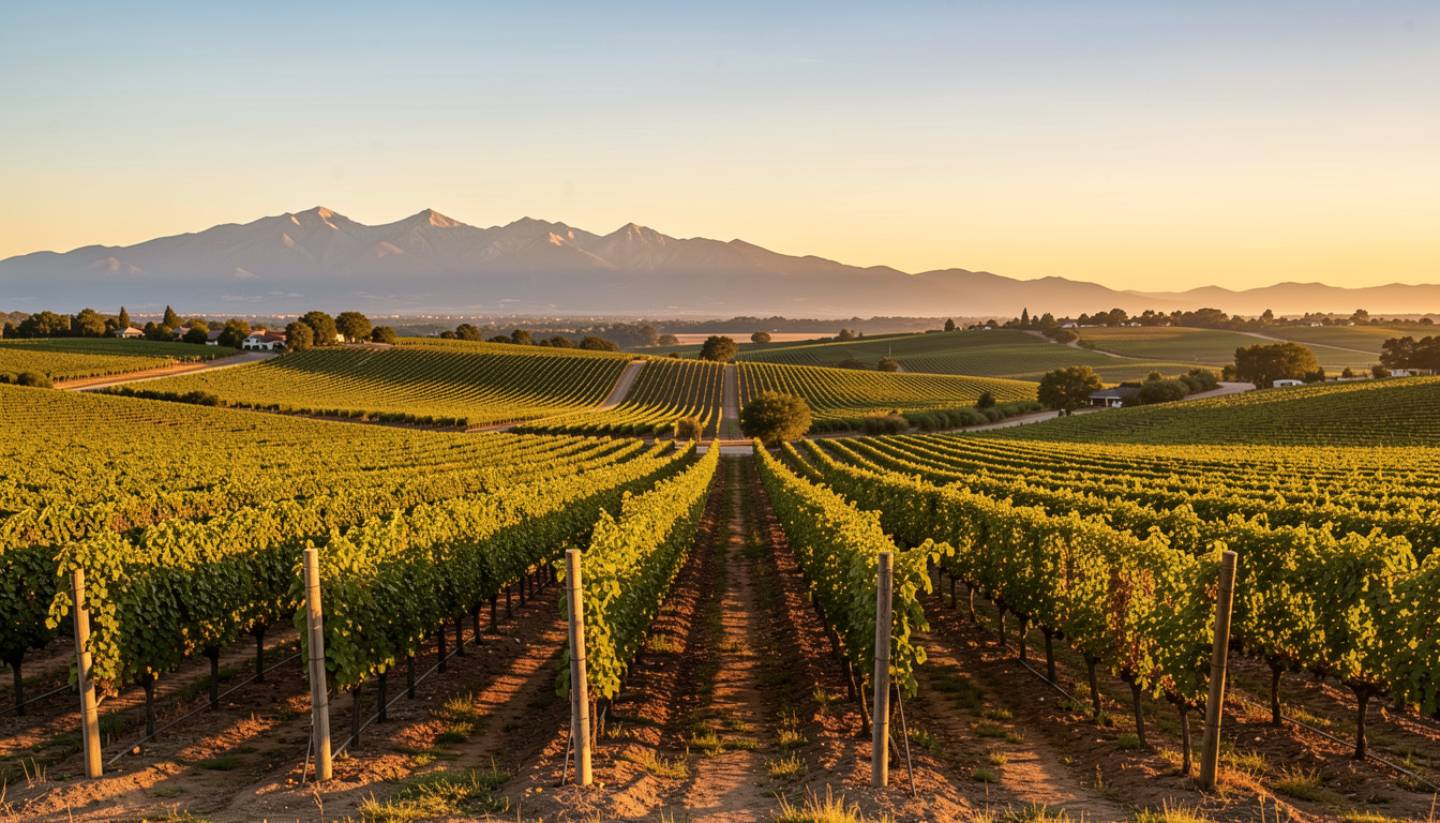
Drive Silverado Trail at golden hour. Observe how estate buildings integrate into vineyard rows. Branding here is often as much about restraint as presence.
What Most Visitors Miss
The best story based branding wine examples in Napa are quiet.
They do not oversell. They let:
- The vineyard speak
- The architecture frame
- The host guide
Overstatement feels out of place in a valley built on agricultural authenticity.