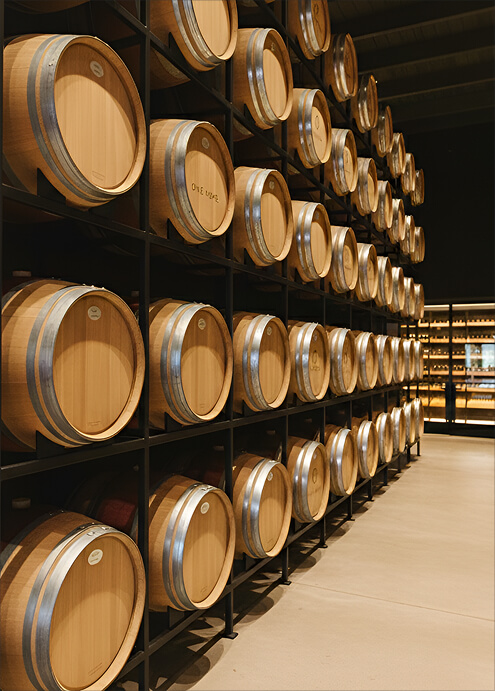
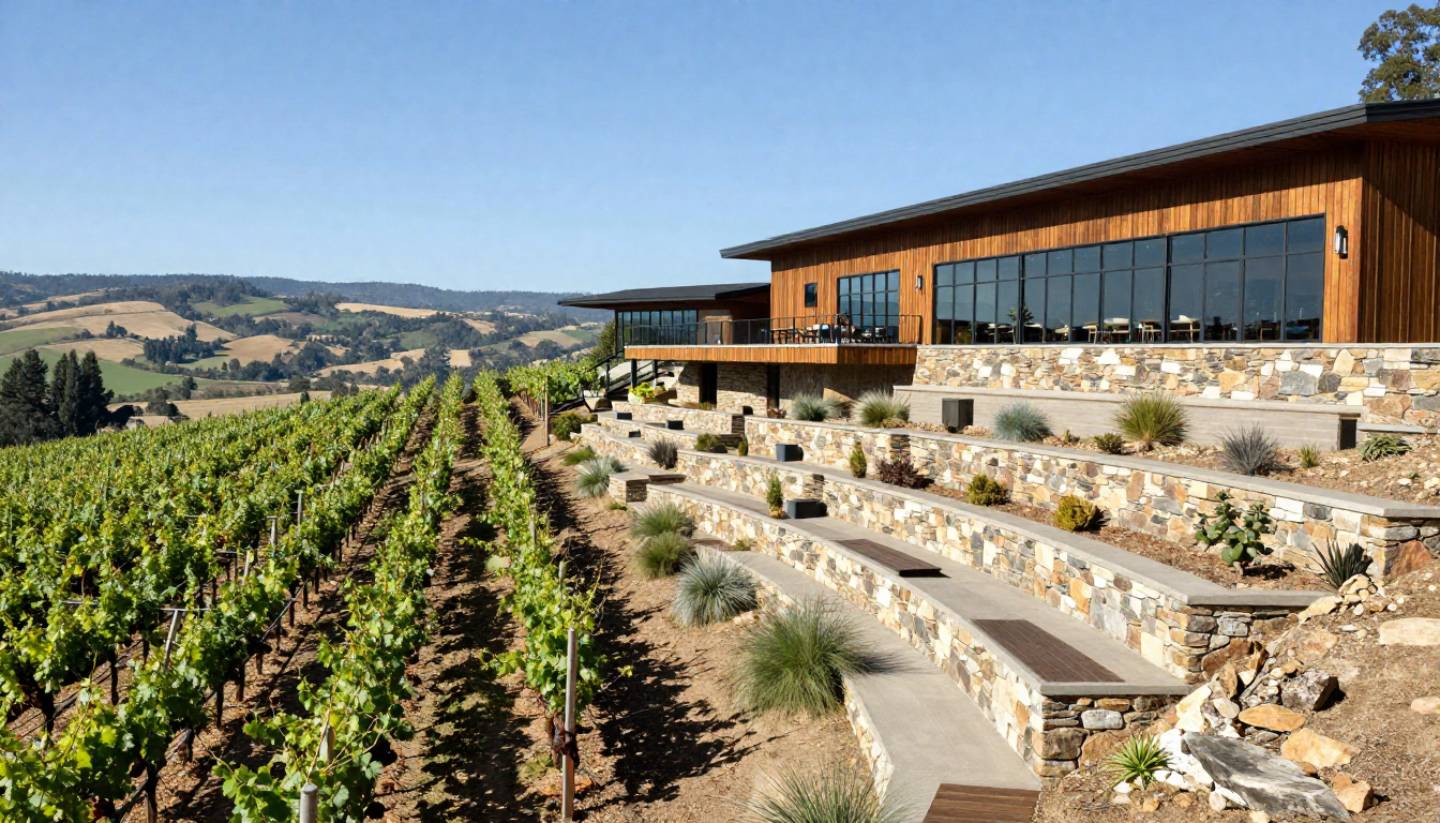
If you are coming up from Marin County for architecture, you already understand restraint.
You know when a building is doing too much. You feel it when design interrupts a landscape instead of listening to it. Napa Valley rewards that kind of sensitivity. The most meaningful architecture here does not announce itself from Highway 29. It reveals itself gradually through material, proportion, and how quietly it settles into the terrain.
For travelers from Mill Valley, Sausalito, or Kentfield, Napa feels familiar in spirit. The same respect for light, slope, and native materials that shapes Marin’s hillsides shows up here. Architecture in Napa is not about spectacle. It is about belonging, patience, and how a place feels once you stop moving.
Why Napa Resonates With Architecture-Minded Travelers
For Marin residents familiar with Frank Lloyd Wright, Sea Ranch, and site-specific residential design, Napa’s architectural language feels intuitive.
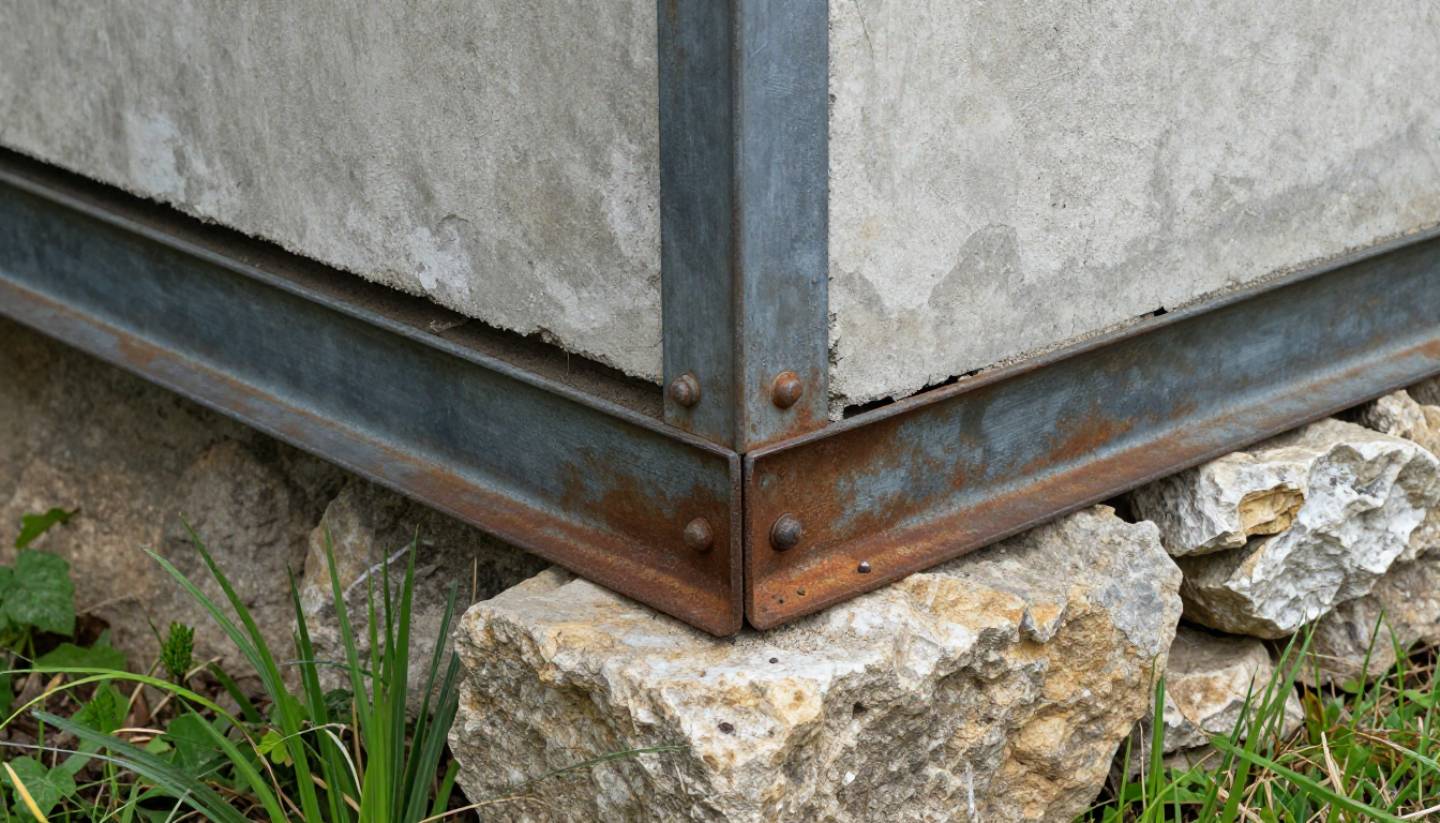
- Material Honesty: Concrete, stone, heavy timber, and weathered steel are allowed to age naturally
- Topographic Respect: Buildings follow benchland contours instead of flattening them
- Interior-Exterior Flow: Courtyards, terraces, and long vineyard sightlines are central to spatial planning
- Silence as a Feature: Many spaces are intentionally low-stimulus, designed for acoustic calm and visual pause
Napa architecture is meant to be inhabited, not consumed.
Architectural Wineries That Reward Close Looking
These estates treat architecture as infrastructure, not ornament.
Quintessa, Rutherford
One of Napa’s most complete expressions of land-first architecture. Designed by Walker Warner Architects, the winery is embedded into the hillside, nearly invisible from a distance.
What to notice: The experience unfolds vertically. The crescent-shaped stone wall mirrors the slope of the land and subtly guides movement through the space.
Dominus Estate, Yountville
Designed by Herzog & de Meuron, Dominus uses gabion walls filled with local basalt to regulate temperature and filter light naturally.
Local cue: From certain angles, the building disappears entirely into the vineyard rows. That is intentional.


Hall Wines, St. Helena
A disciplined contrast between historic stone and modern volume. Howard Backen’s hand is evident in the clean geometry, vaulted ceilings, and how the space frames the Mayacamas backdrop.
Marin parallel: The restraint feels similar to well-sited homes above the Marin Headlands.
Darioush, South Napa
One of Napa’s few overtly expressive estates. Persian-inspired architecture executed with classical proportion and precise siting.
Why it works: The scale is deliberate and balanced by long sightlines and agricultural context.
Historic Estates and Adaptive Reuse
Napa’s early buildings reflect agricultural practicality more than grandeur.
- Inglenook: An 1887 chateau that signals early ambition without excess
- Beringer: The Rhine House showcases 19th-century stonework and carved wood detailing
- Charles Krug: A working estate where continuity matters. The Redwood Cellar reimagined by Howard Backen supports evolution without erasing history
These structures gain power through use, not preservation alone.
How to Experience Napa Architecture Properly
Architecture here rewards patience.
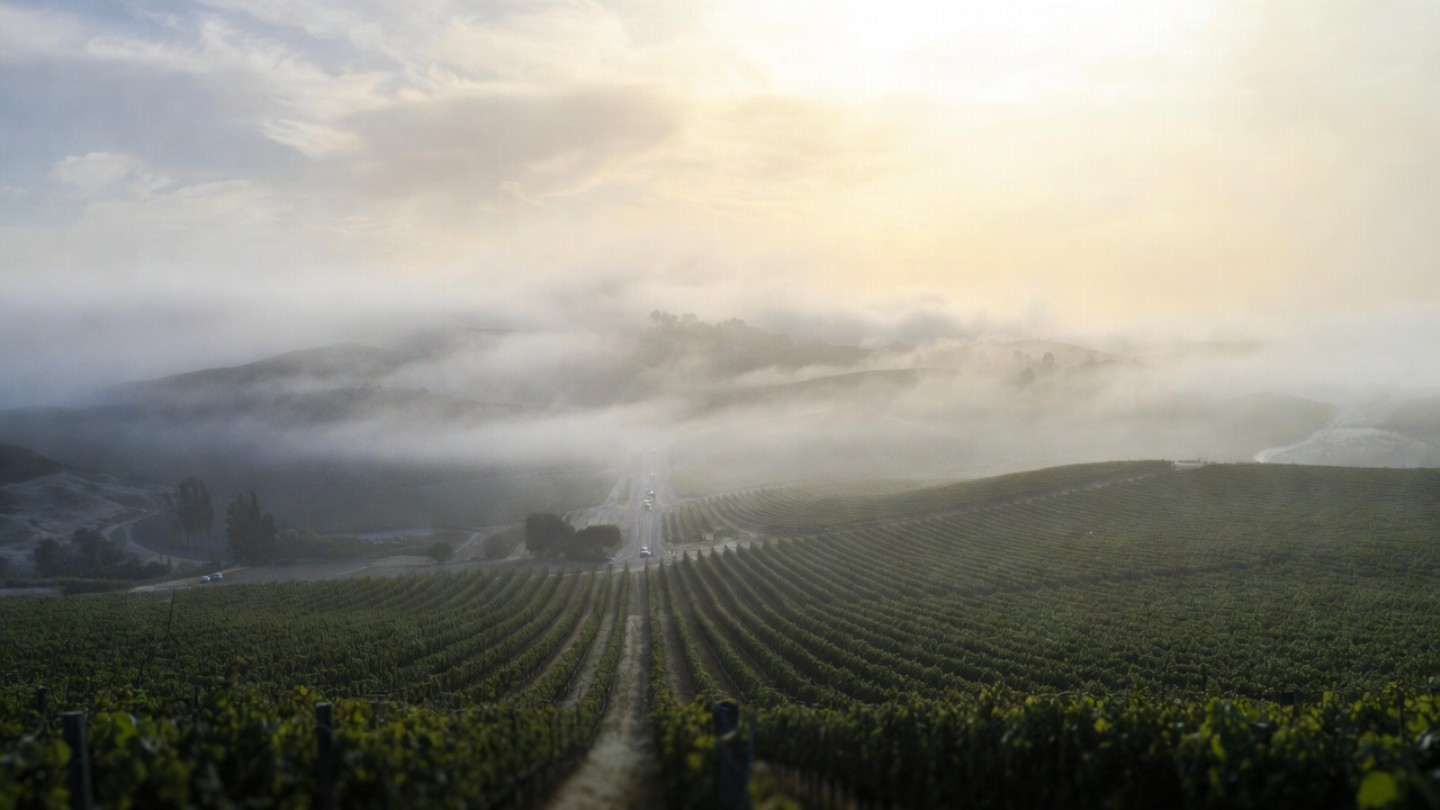
- Visit in the morning when shadows are long and the fog is still lifting
- Sit before you taste. Let the scale of the room slow you down
- Watch how staff move through the space. That is where design reveals its intent
Local directional cue:
- Look east toward the Vaca Range for rugged stone and angular forms
- Look west toward the Mayacamas for wood-heavy, forest-integrated retreats
A Short Personal Story
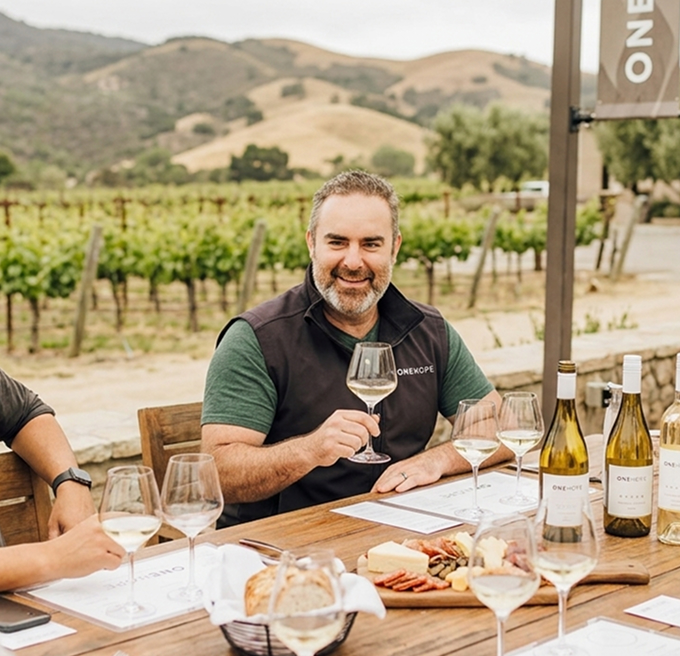
Growing up in Napa, I learned that buildings are judged by how they age, not how they debut. Some of the most meaningful spaces barely register at first glance. They feel inevitable, like they have always been there. That idea stayed with me when we were shaping Estate 8 and ONEHOPE. Design should support hospitality quietly. If a space draws attention to itself, it usually misses the point.
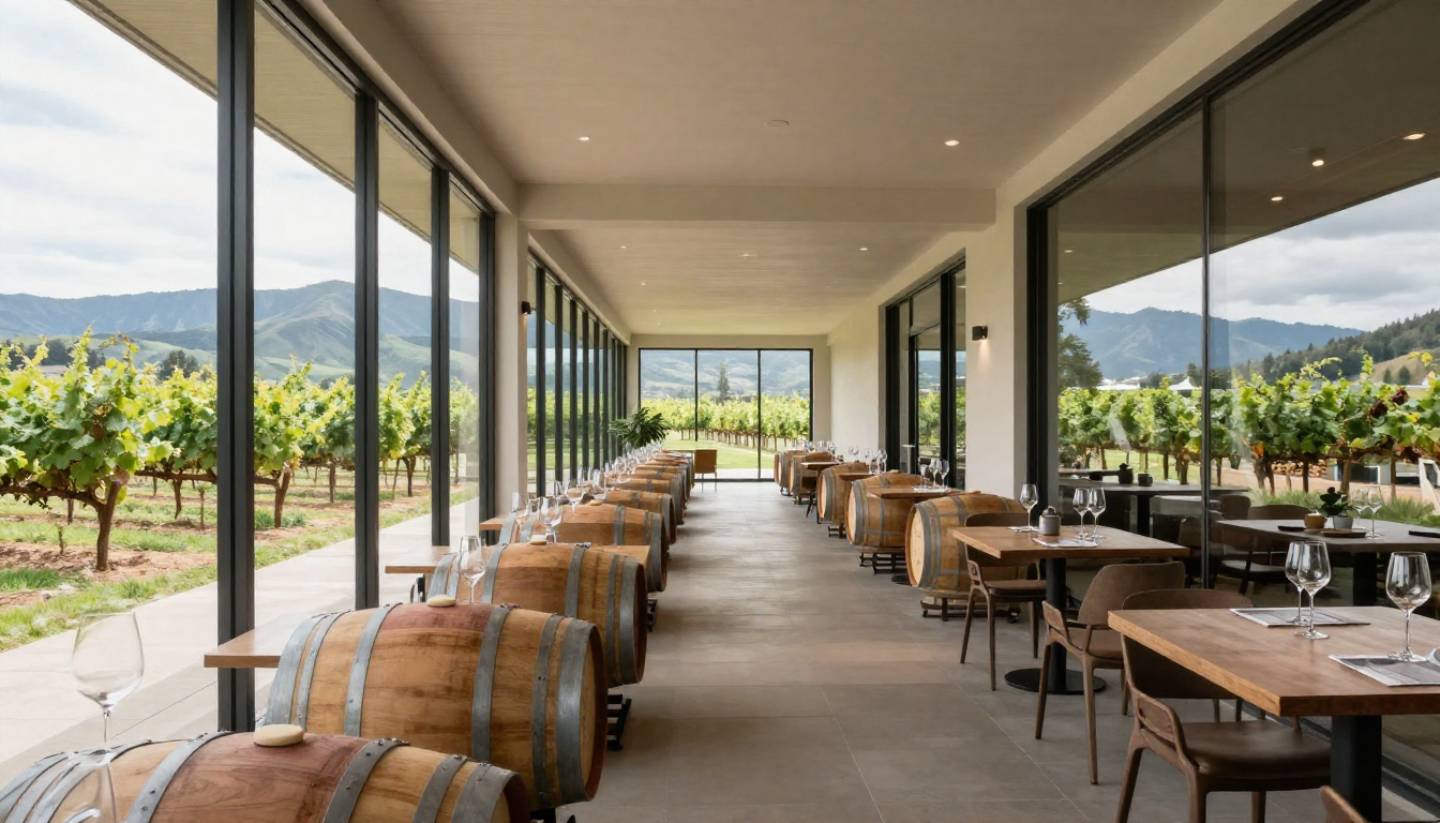
Seasonal Light and Architectural Mood
- Winter: Crisp air and exposed structure. Best for studying mass and proportion
- Spring: Soft greens and diffused light blur the edge between building and land
- Summer: High contrast and dramatic shadow play. Visit early before light flattens
- Fall: Warm tones bring depth to stone, wood, and weathered steel