If you are coming up from San Jose for food and wine education, Napa does not meet you with spectacle. It meets you with substance.
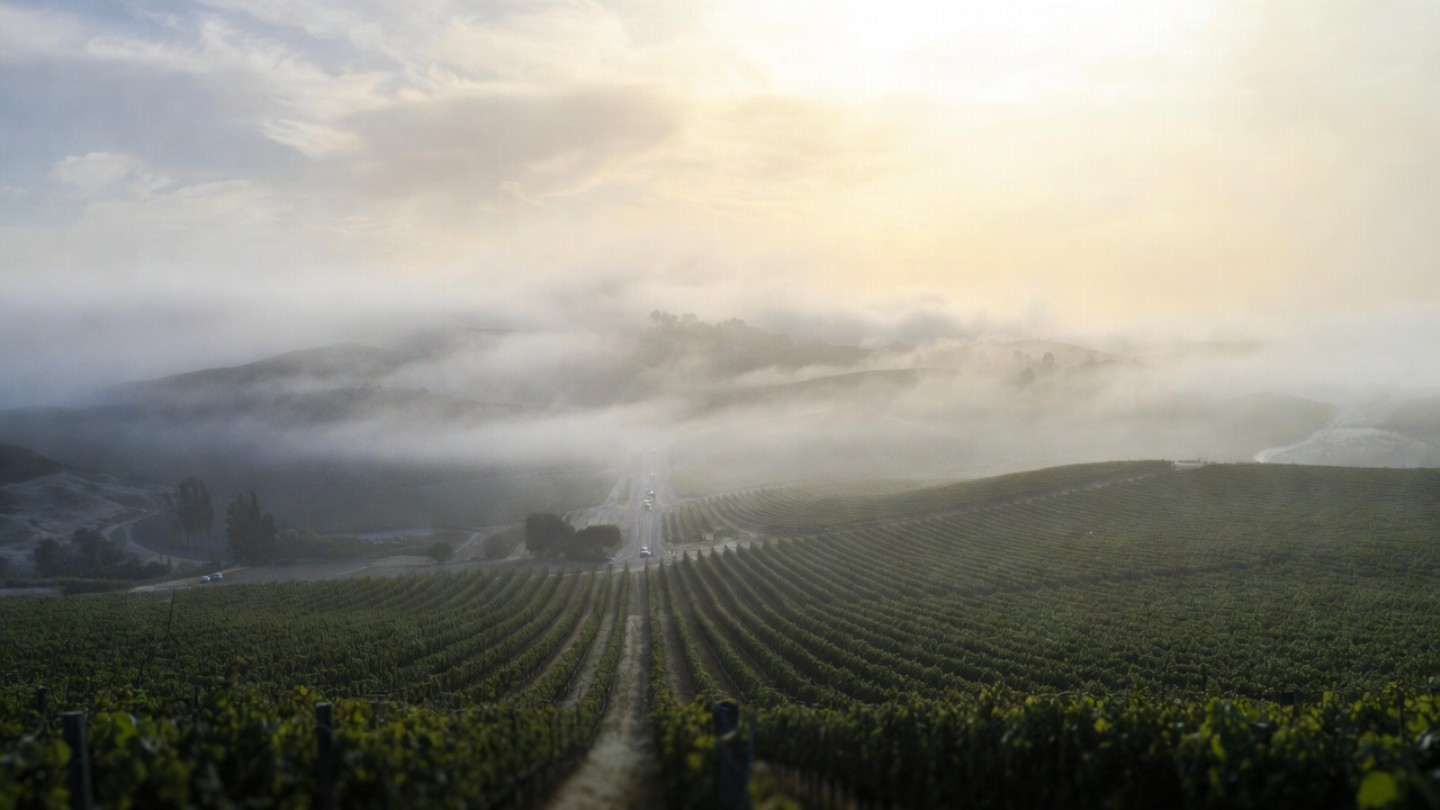
This valley teaches quietly. Soil shifts as you move across the valley floor. Temperature drops as you climb from the Rutherford benchlands toward the hills. Vineyards change character block by block, often within a short walk. Families still farm parcels they have known for generations, making decisions that favor patience over speed. When you slow down and ask real questions here, the answers tend to come without performance.
For South Bay travelers who want to understand wine rather than memorize tasting notes, Napa rewards curiosity and restraint.
Why Napa Excels at Wine Education
For South Bay visitors used to learning through depth and systems thinking, Napa feels intuitive. Wine education here is not theoretical. It is physical and situational.
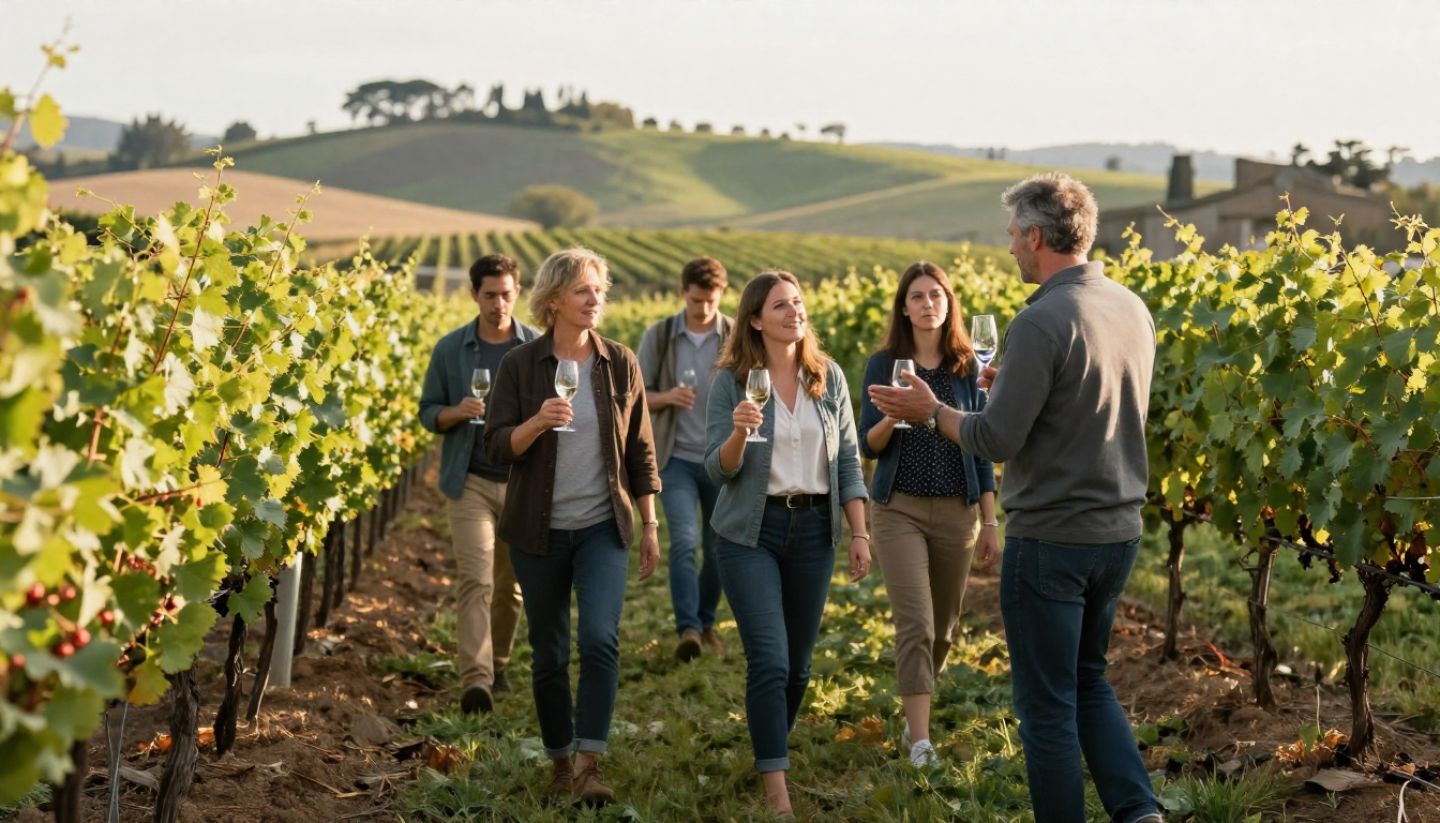
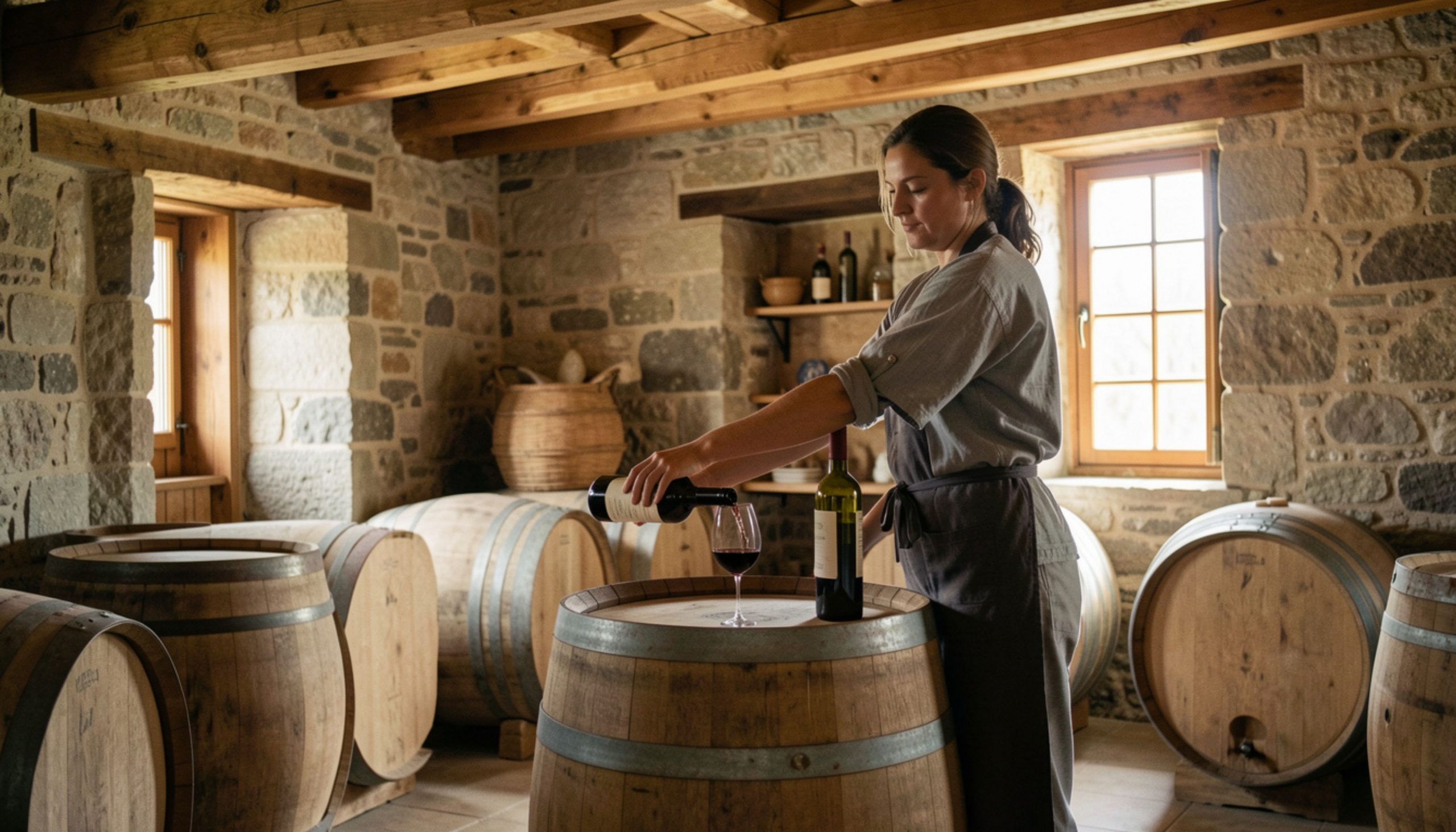
- Vineyards Are Classrooms: Many estates encourage early or late-day walks through vineyard rows to explain soil structure, exposure, and water stress
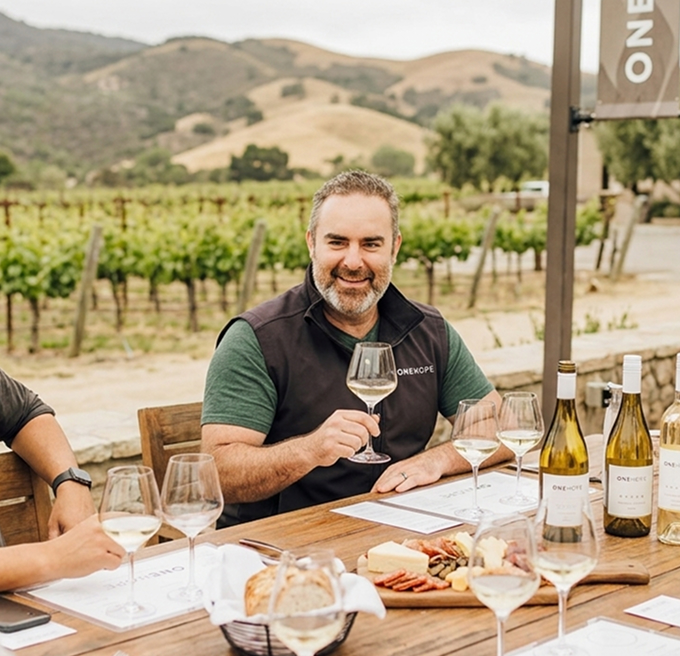
- Producers Teach Directly: At smaller wineries, the person pouring is often the person who made the decisions
- Context Is Immediate: You taste Cabernet where it grows and learn why benchland fruit behaves differently than hillside fruit
- Food Is Part of the Lesson: Culinary programs focus on how acidity, tannin, and texture interact with seasonal ingredients
The learning happens because the setting allows it.
Where to Learn, Not Just Taste
Vineyard Walks and Estate Tastings
Seek out wineries that build education into the visit rather than delivering a scripted flight.
- Rutherford and Oakville: These areas offer some of the clearest lessons in soil influence, including the fine-textured benchland soils locals know well
- Silverado Trail Estates: Often quieter and more spacious, with room for outdoor conversation and slow pacing
- Small-Production Wineries: At this scale, every farming and cellar choice matters, and those decisions are usually shared openly
These are the places where tasting becomes understanding.
Classes and Structured Learning
For those who want a bit more framework, Napa offers thoughtful, low-key instruction.
- Guided Tasting Seminars: Comparative tastings that explore site, vintage, or aging through library wines
- Food and Wine Pairing Classes: Often built around estate gardens and seasonal cooking
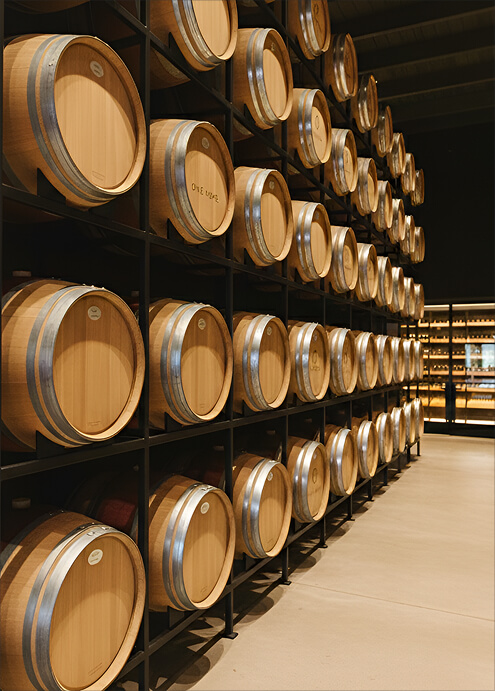
- Barrel Tastings: A rare chance to taste wine mid-journey and understand structure before polish
These experiences are almost always limited in size and best booked ahead.
How to Structure an Educational Napa Day
Morning
Coffee and something light. Bouchon Bakery or Model Bakery work because they fuel without overwhelming.
Midday Anchor
One vineyard walk or private tasting lasting at least 90 minutes.
Afternoon
Lunch that respects the learning curve. The Charter Oak or Farmstead keep food grounded and seasonal.
Evening
One bottle, shared slowly. Reflection matters more than another stop.
Napa teaches best when the day has breathing room.
A Short Personal Story
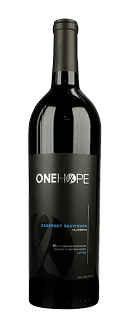
Some of the most important wine lessons I learned growing up here never happened at a tasting bar. They happened walking vineyard rows with growers who explained why one block struggled during a dry year while the next thrived. Those conversations taught me to pay attention to cause and effect. When we built ONEHOPE and Estate 8, education was always part of the foundation. Not formal and never showy. Just honest sharing of what the land teaches us season after season.
Where to Stay for a Learning Focus
- Boutique Inns: Small properties in Yountville or St. Helena allow for quiet mornings and mental clarity
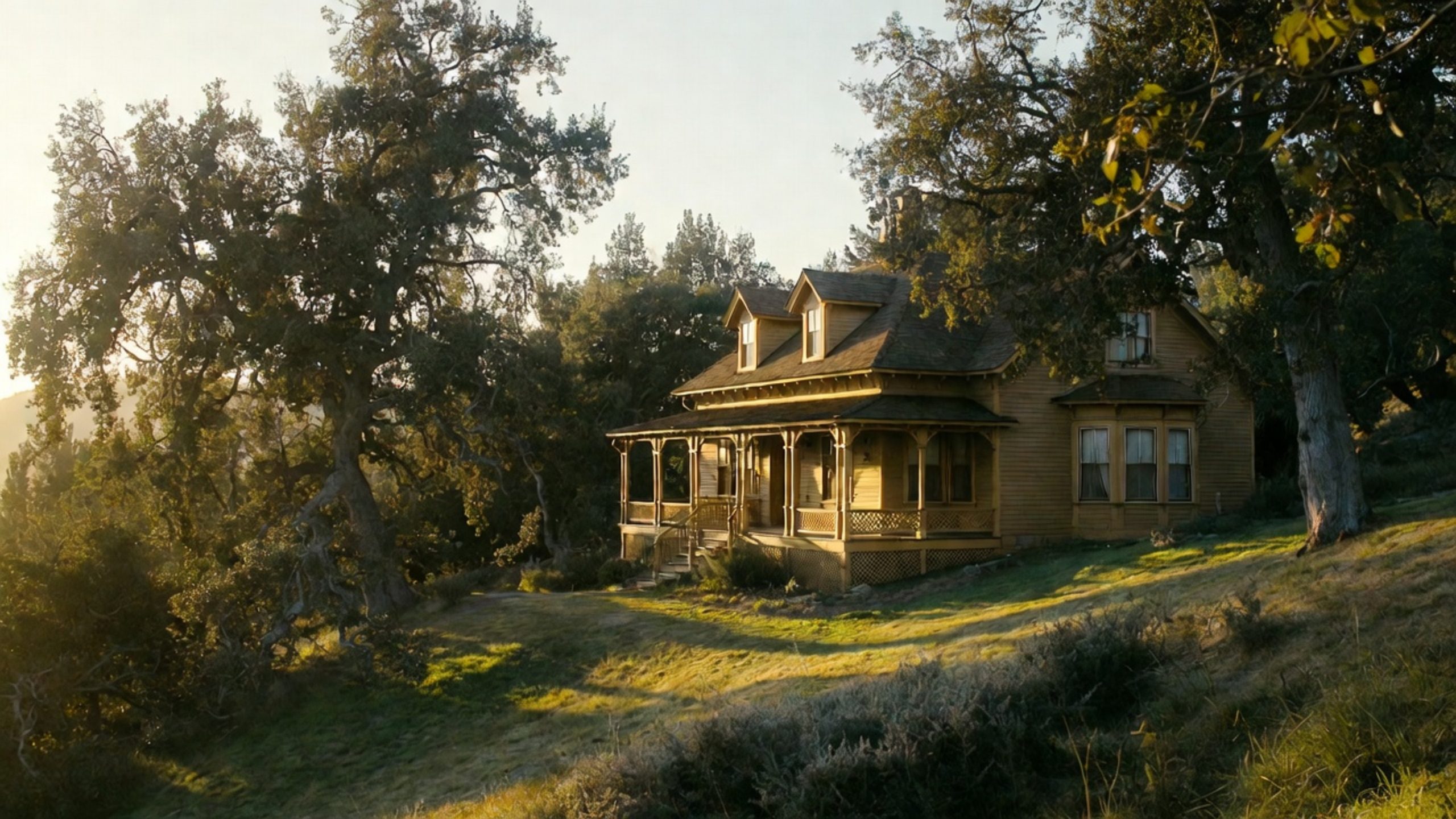
- Estate-Adjacent Lodging: Staying near vineyards, especially just past the Yountville Cross Road, reinforces place-based learning
- Midweek Stays: Easier access to educators and more flexibility if you want to linger
Large resorts tend to dilute focus. Quiet helps knowledge settle.
A Gentle Note From Home
I will admit a little bias here. Estate 8 and ONEHOPE exist because I believe education deepens appreciation. Wine means more when you understand where it comes from and who tends it. Napa offers that understanding naturally, but only if you give it time. The goal is not mastery. It is leaving with sharper questions than when you arrived.