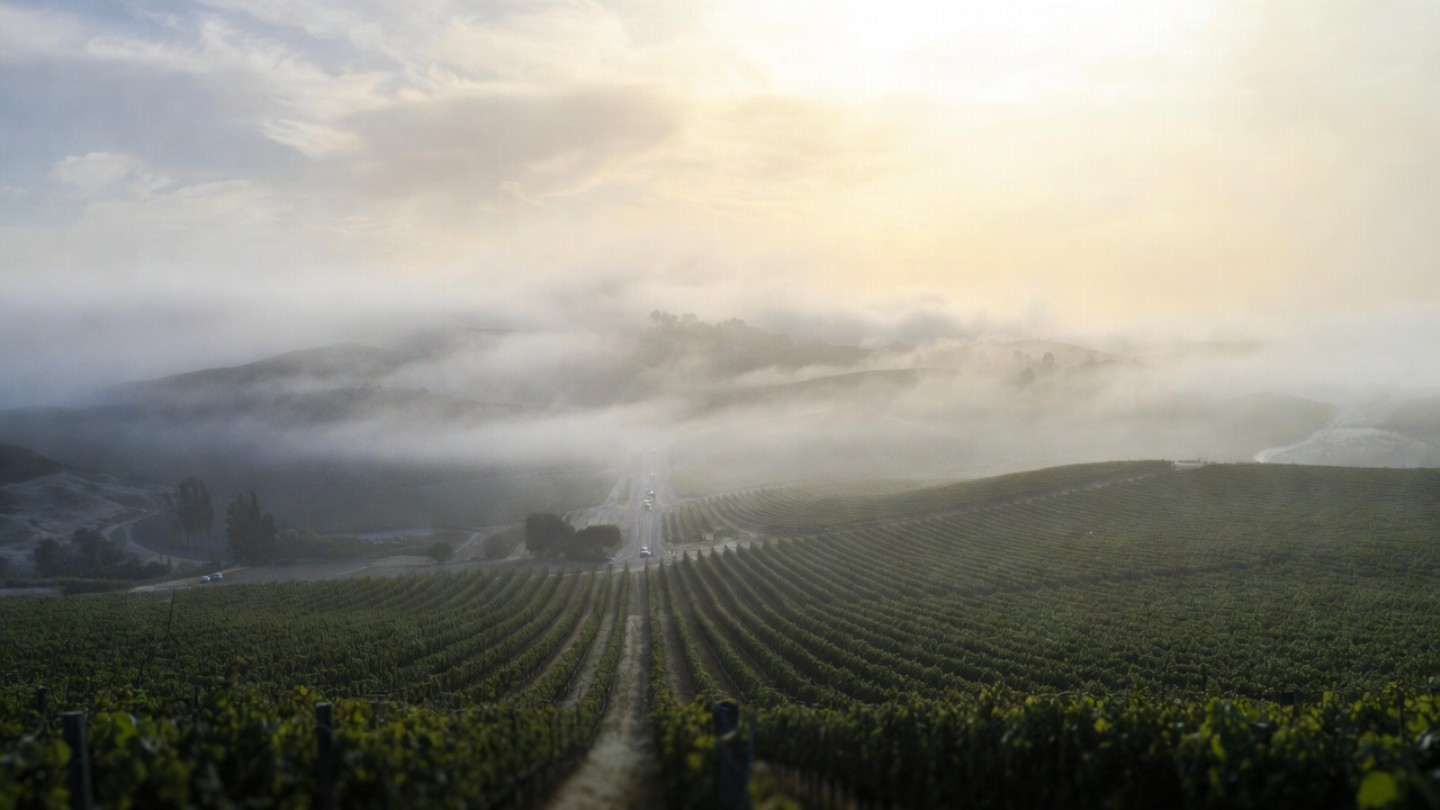
From Alameda County, Napa feels less like a destination and more like a natural extension of the East Bay’s food culture. You leave Oakland, Berkeley, or Alameda after breakfast, cross the Carquinez or San Rafael bridges, and within ninety minutes the valley opens up. The biggest change is not what you eat, but how it feels. Fewer crowds. More air. The same appreciation for food that is honest and well made.
This guide is for travelers who care more about flavor than formality. People who gravitate toward food trucks, counters, picnic tables, and meals that feel shared rather than staged. Napa has its fine dining reputation, but underneath it is a deeply relaxed, agricultural food scene that pairs naturally with approachable wineries and open air settings.
Why Napa Works for Food Truck Fans
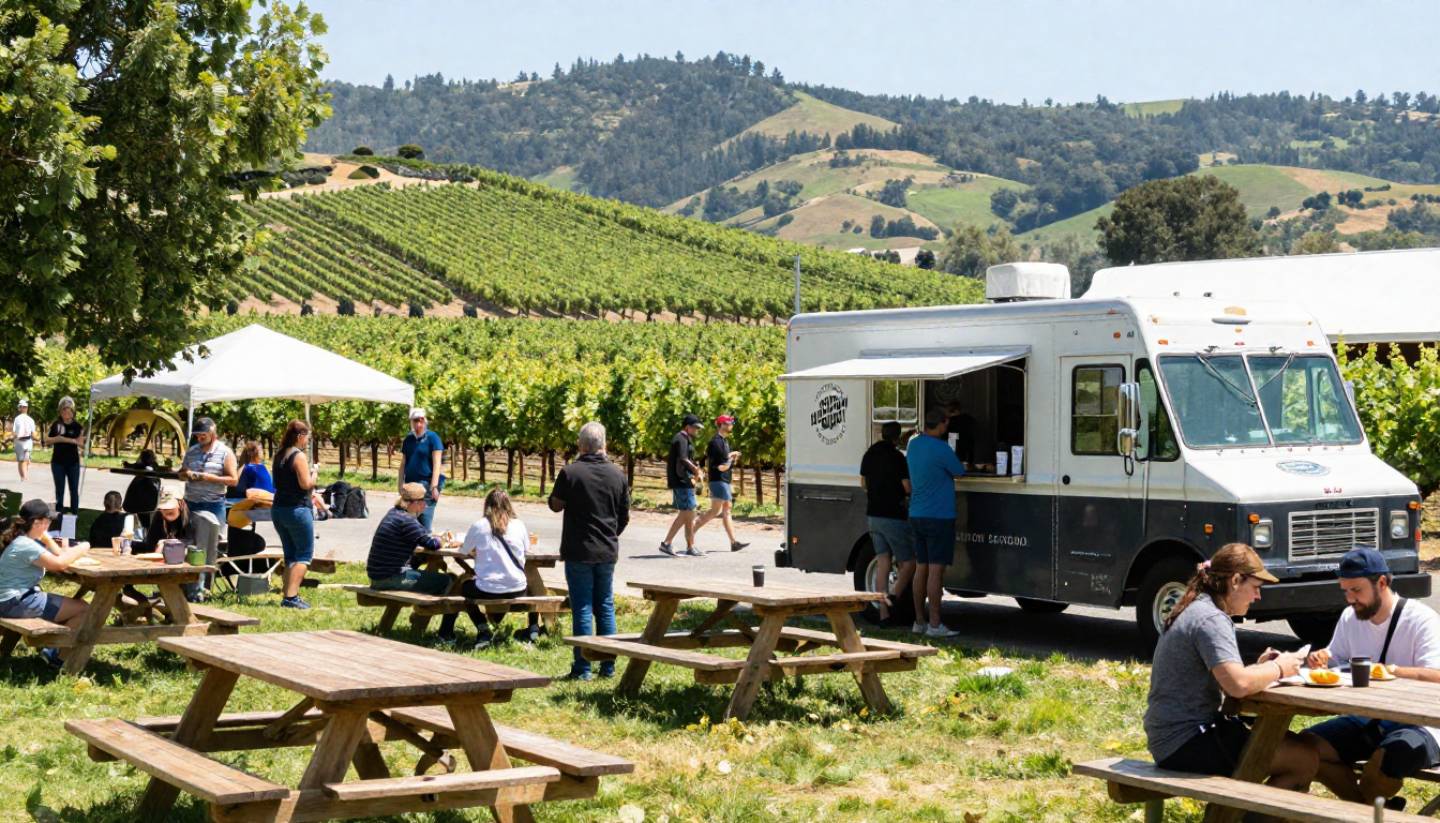
Napa’s casual food scene exists because the valley is still agricultural at heart. When produce, bread, and meat are coming from just down the road, food does not need polish to be good. Some of the most satisfying meals here come from trucks and permanent stands that locals rely on between vineyard shifts.
For Alameda County travelers, this feels familiar. It mirrors Oakland taco trucks, Berkeley counters, and weekend pop-ups. The difference is the backdrop. Instead of warehouses and sidewalks, you are eating with vines, hills, and open sky around you.
When to Go
- Spring (March to May): Mild weather, green hills, and the best picnic conditions of the year. Mustard blooms turn casual lunches into photo moments.
- Summer (June to August): Peak season for food trucks. Eat earlier in the day to beat the valley floor heat.
- Fall (September to October): Harvest brings energy. Trucks often feed vineyard crews, which adds to the atmosphere but can mean longer lines.
Winter (January to February): Quiet and overlooked. Downtown Napa remains active, with almost no wait times at casual spots.
The Itinerary: Casual by Design
Morning: Easy Arrival (10:00 AM)
Leave Alameda County after the 880 and 80 congestion clears. Enter Napa via Highway 37 or Highway 12. Start downtown rather than heading straight up valley. This keeps the day grounded.
Downtown Napa Riverfront Walk
Park once and walk the river path behind the Oxbow Public Market. The flat loop is about a mile and a half and gives you a sense of place before you eat.
Local cue: If you see vineyard trucks parked along the street, you are exactly where you should be.
Late Morning: The Casual Core (11:30 AM)
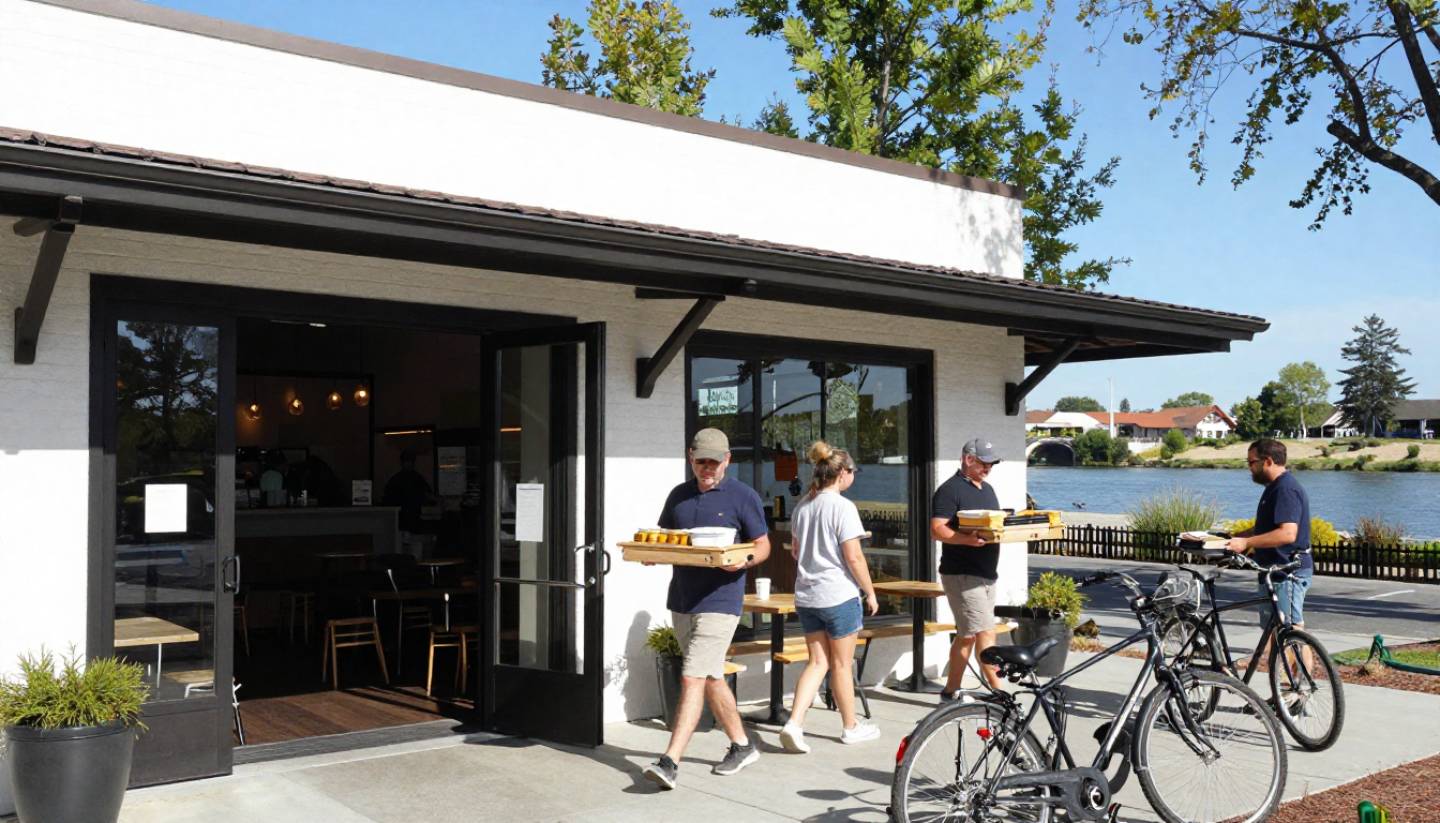
The Oxbow District is the heart of Napa’s relaxed food scene.
- C Casa: Gluten-free tacos and bold flavors that would feel right at home in Berkeley.
- Napa Valley BBQ and Catering: If the smoker is running, stop. Locals do.
- Kitchen Door: Not a truck, but casual, global, and consistently welcoming.
This is walk-up food. No reservations. No pressure to linger longer than you want.
Midday: One Relaxed Winery Pairing (1:30 PM)
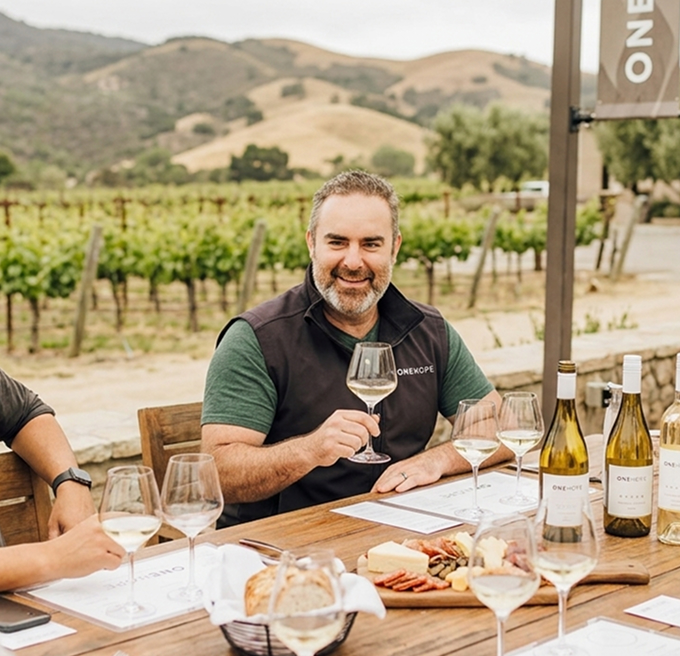
After you eat, choose one winery that matches the tone of the day. Look for outdoor seating, space between tables, and a pace that lets conversation breathe.
Wineries in the Oak Knoll District and along the Stags Leap foothills tend to strike this balance well. You get vineyard views without the feeling that you need to perform.
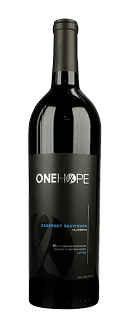
Jake’s Note: When friends from Oakland or Alameda come up for a food-first day, I often bring them to ONEHOPE Winery at Estate 8. I am biased. It is my life’s work. But it works because it does not compete with the day. Open air, room to spread out, and an unhurried rhythm that pairs naturally with casual eating and good conversation.
Afternoon: The Back Road Loop (3:30 PM)
Skip a second tasting and drive instead.
Head north from Napa, cross the valley at Zinfandel Lane, then come south on the Silverado Trail. This is the quieter side of the valley. Oak trees, smaller estates, and occasional roadside stands selling seasonal fruit.
This drive is part of the meal.