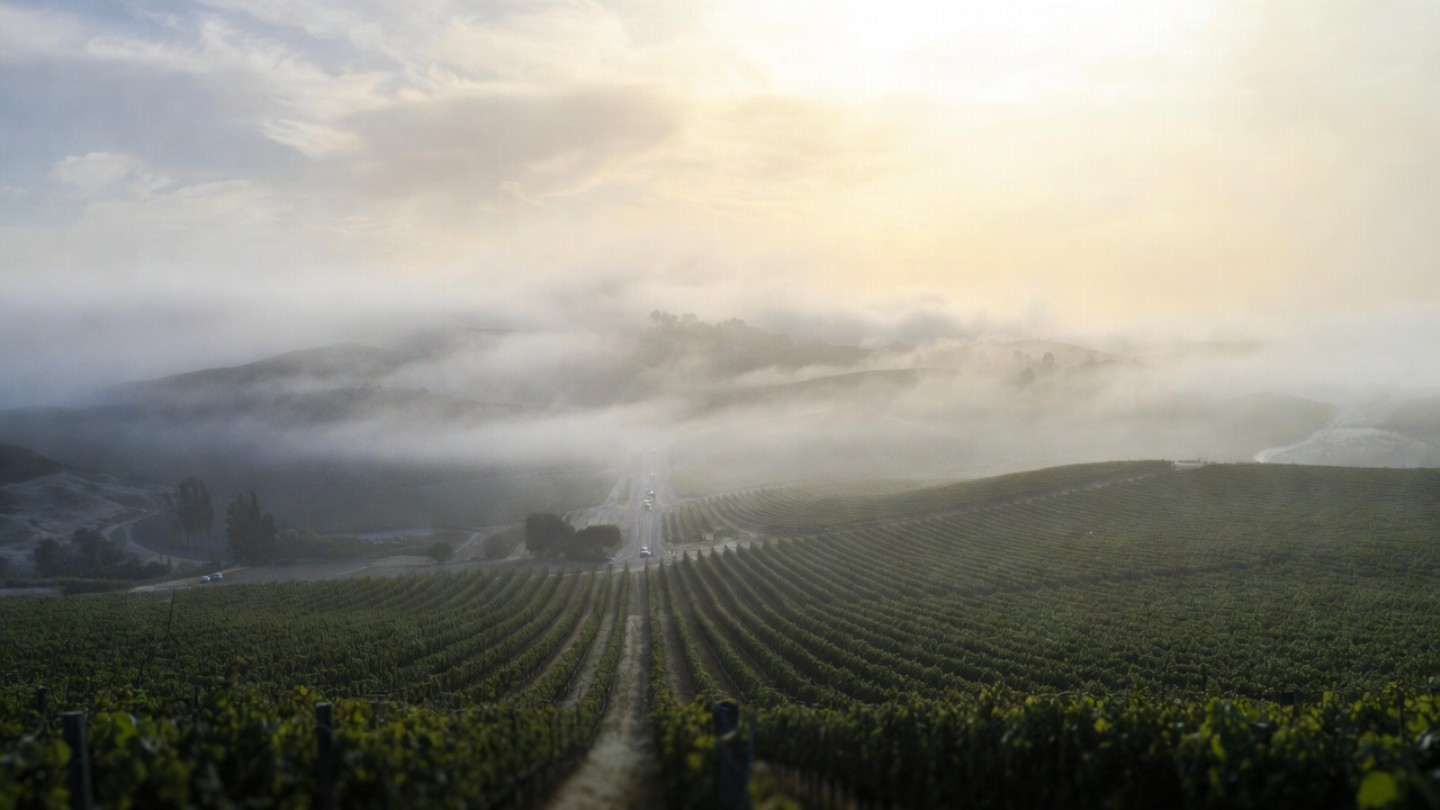
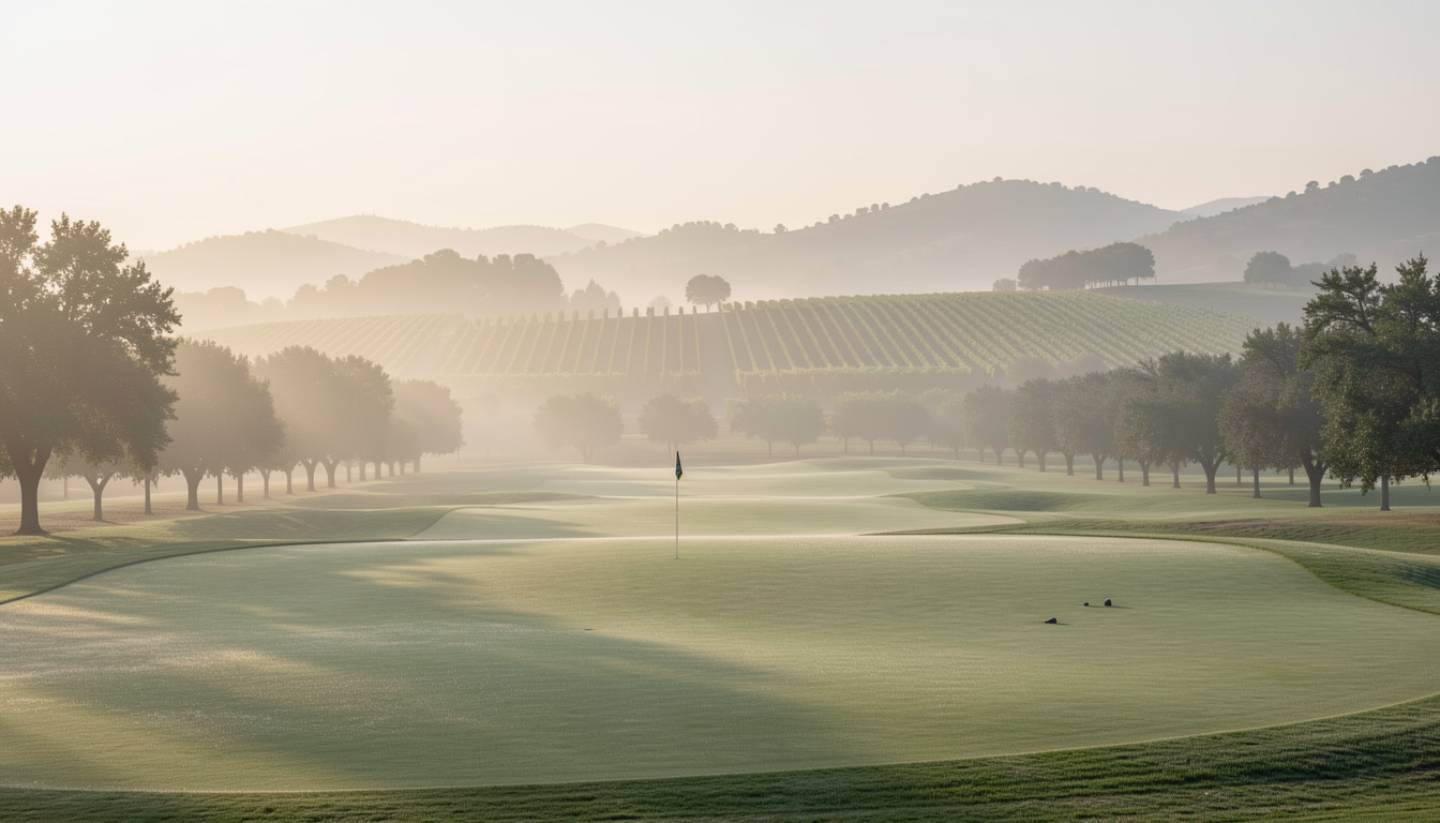
From Contra Costa County, Napa feels like the rare place where a golf trip does not need to announce itself. You leave Walnut Creek, Danville, or Lamorinda early, cross the Carquinez Strait as the morning fog starts to lift, and within an hour the day opens up. Fairways replace freeways. Vineyards edge the road instead of office parks. The shift happens quietly, usually before you even reach the clubhouse.
This guide is built for travelers who want to pair a solid round of golf with thoughtful wine experiences, without crisscrossing the valley or racing the clock. Napa works for this combination because the land itself encourages it. Rolling terrain. Long sightlines. A natural rhythm that rewards patience. When planned well, golf and wine feel like parts of the same day rather than separate agendas.

Why Napa Works for Golf and Wine From Contra Costa
Napa’s geography is unusually friendly for golf travelers. The valley floor is narrow and linear, roughly thirty miles end to end, which means you are never far from your next stop. Courses and wineries sit naturally along the same corridors, especially in the southern and mid-valley zones.
For Contra Costa travelers, the southern entry via Highway 12 matters. It bypasses the American Canyon congestion on Highway 29 and delivers you directly into Carneros, where morning air stays cooler and the landscape feels open. From there, everything flows north without backtracking.
When to Plan a Golf and Wine Trip
Spring (March to May)
Peak conditions. Cool mornings, green fairways, and ideal temperatures for afternoon tastings.
Summer (June to August)
Early tee times are essential. Midday heat can push past ninety degrees.
Fall (September to October)
Beautiful vineyard color and harvest energy. Book six to eight weeks ahead.
Winter (January to February)
Underrated and quiet. Softer light, fewer groups, and more conversational tasting rooms.
The Itinerary: Play First, Sip Later
Morning: Early Tee Time (8:00–9:00 AM)
Chardonnay Golf Club (Carneros)
A balanced, East Bay–friendly course with no surrounding homes. Tree-lined fairways, gentle elevation changes, and views stretching toward San Pablo Bay. It sets the tone without demanding perfection.
Silverado Resort (North or South Course)
For golfers who want a championship test. The North Course hosts the PGA Tour and rewards disciplined play. Expect a longer round and plan the afternoon accordingly.
Local cue: Locals play early. By mid-afternoon, valley heat and wind can make even familiar courses feel demanding.
Lunch: Casual and Central (12:30 PM)
After your round, head north toward Yountville.
- Gott’s Roadside: Easy, outdoor seating and fast service
- Oakville Grocery: High-quality sandwiches and picnic staples
- Yountville Deli: A quieter, local standby
Local tip: Park once in Yountville and walk. Let your body settle after eighteen holes before heading into a tasting.
Afternoon: One Thoughtful Tasting (2:30 PM)
Choose a winery that emphasizes space, scenery, and conversation. After golf, most travelers appreciate properties where the pace is unhurried and the setting does some of the work for you.
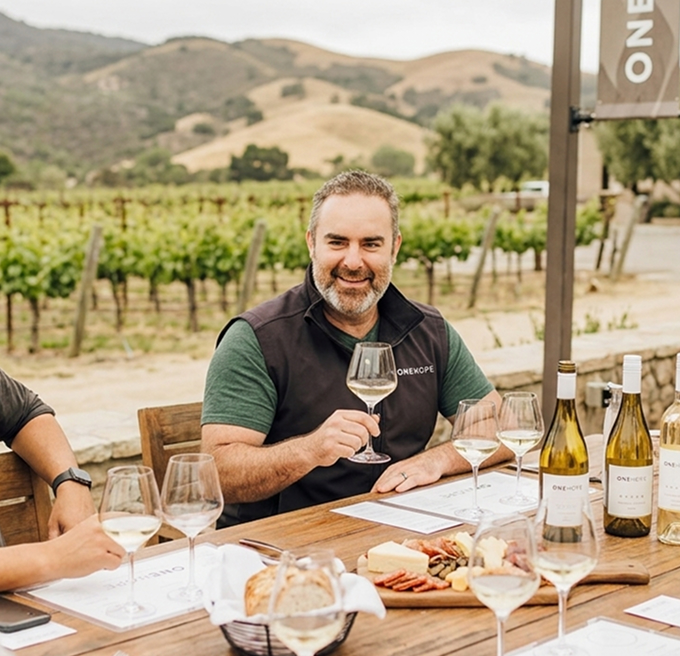
Estates along the Silverado Trail or in Rutherford tend to feel calmer, with less traffic and more visual breathing room.Jake’s Note: When friends come up from Contra Costa to combine golf and wine, I often suggest ending the day at ONEHOPE Winery at Estate 8. I’m obviously biased since it’s my passion and my purpose, but it fits the rhythm naturally. After a morning on the course, the open lawn and wide views of the Mayacamas feel like a real exhale rather than another appointment.
Optional Overnight Stay
If you stay one night, base yourself in Yountville or St. Helena. Both offer walkable dinners and easy morning departures. A simple overnight turns the day from efficient into restorative, especially after a full round.