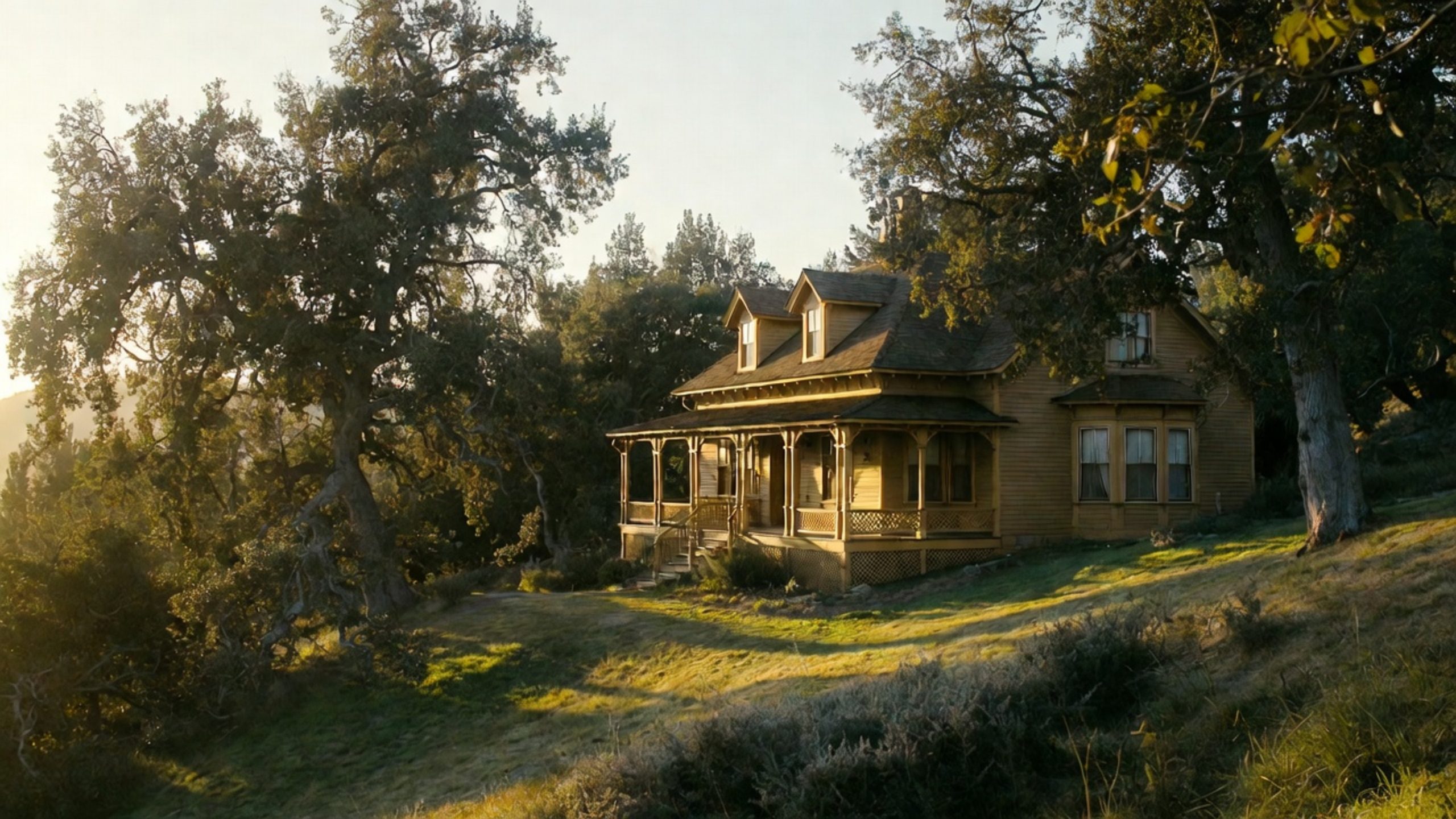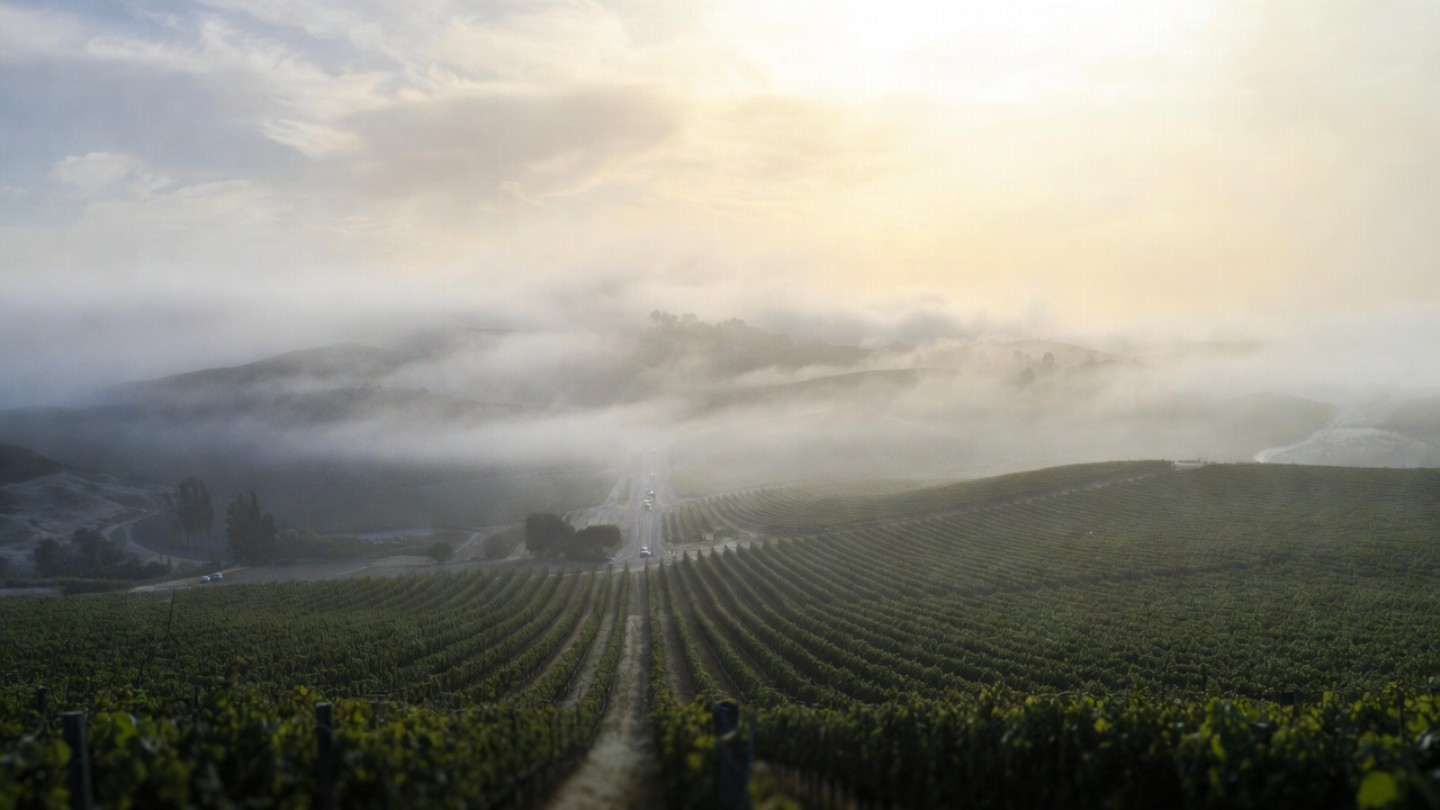
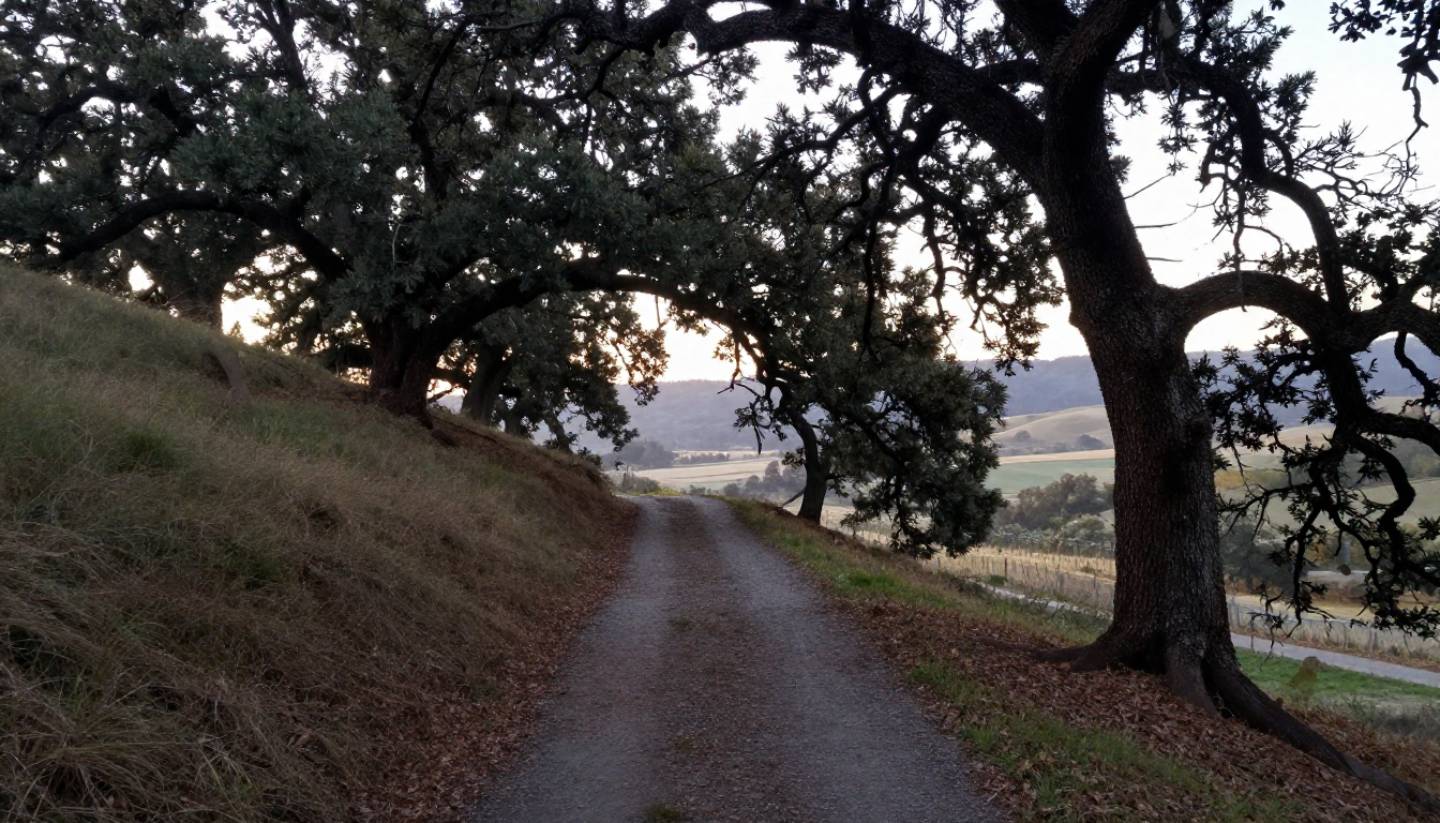
From Marin County, Napa feels less like a destination and more like a continuation of the hills you already trust. You cross the Richmond San Rafael Bridge, skirt the wetlands of Carneros, and within an hour the land starts to fold inward. Oak trees replace traffic signs. Vineyard rows press up against the Mayacamas to the west and the Vaca Range to the east. The air turns warmer and drier. The noise drops away.
This guide is for outdoor minded travelers who want Napa beyond tasting rooms and reservation schedules. It is built around movement first. Hiking before wine. Walking before sitting. Meals that feel earned. In Napa, the land explains the wine best when you have already spent time moving through it.
Why Napa Works for Outdoor Travelers From Marin
Marin and Napa share a similar rhythm. Both are shaped by coastal air, rolling hills, and agricultural land that still feels worked rather than styled. Napa’s valley floor is narrow, roughly five miles wide at most and about thirty miles long. That geography matters. You can hike in the morning, walk vineyards before lunch, and still be home by evening without feeling rushed.
Outdoor focused travelers tend to settle into the southern and mid valley zones. These areas offer trail access, open properties, and calmer roads like the Silverado Trail, where the scenery becomes part of the experience instead of something you pass through on the way to an appointment.
When to Go for Outdoor Activities
- Spring (March to May): Green hills, wildflowers, and mustard blooms. The best hiking season
- Summer (June to August): Early starts are essential. Valley heat peaks mid afternoon
- Fall (September to October): Golden vineyards and clear skies. Dusty trails and busy weekends
Winter (January to February): Quiet roads, dramatic post rain skies, and the clearest sense of Napa’s natural structure
The Itinerary: Move First, Taste Later
Morning: Hike Before the Valley Wakes (9:00 AM)
Start at Skyline Wilderness Park, just east of Downtown Napa. Locals come here before the day fills up. The trails climb quickly and deliver wide views of the valley floor while the morning air is still cool.
- Skyline Trail: Steady elevation and long sightlines toward San Pablo Bay
- Westwood Hills: Shorter, steeper, and wooded with a bench that looks out across the entire valley
This is Napa without polish. Dirt under your shoes. Wind moving through oak leaves. It sets the tone for everything that follows.
Late Morning: Vineyard Walks That Encourage Wandering (11:30 AM)
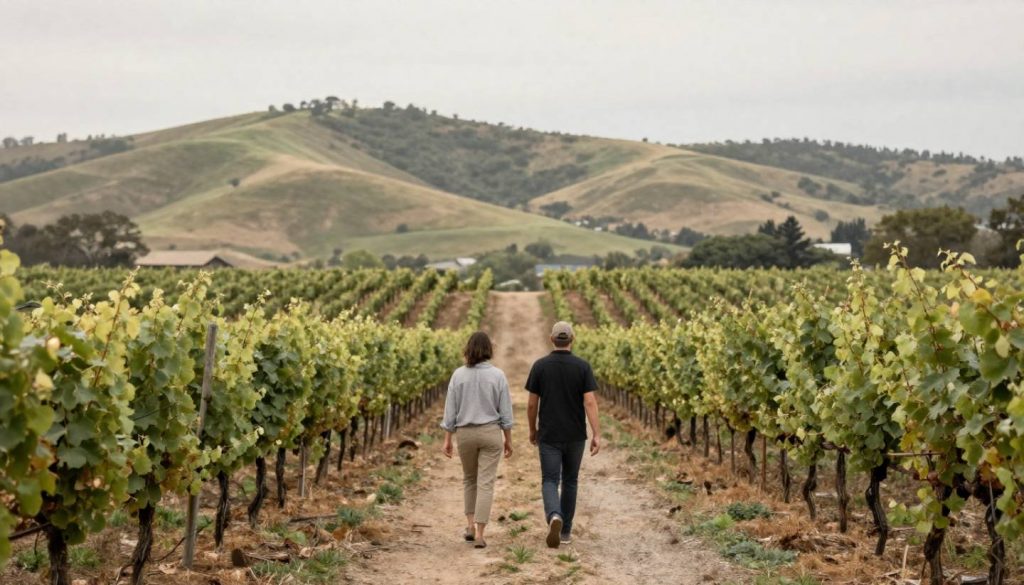
After your hike, head north toward the Oak Knoll District or lower Yountville. Look for properties that prioritize gardens, open air seating, and walking paths over formal indoor tastings.
Local cue: If a winery encourages you to stroll the grounds rather than sit immediately, you are in the right place. These are the estates where wine feels connected to land rather than performance.

Lunch: Simple, Outdoor Friendly, and Local (1:00 PM)
Outdoor days call for unfussy meals.
- Oakville Grocery: California’s oldest continuously operating grocery store. Ideal for picnic provisions
- Gott’s Roadside (St. Helena): Fast, reliable, and designed for outdoor seating
- Yountville Path: A shaded, flat walking route parallel to Washington Street that is perfect after lunch
Eat well, but keep moving.
Afternoon: Silverado Trail and One Final Stop (3:00 PM)
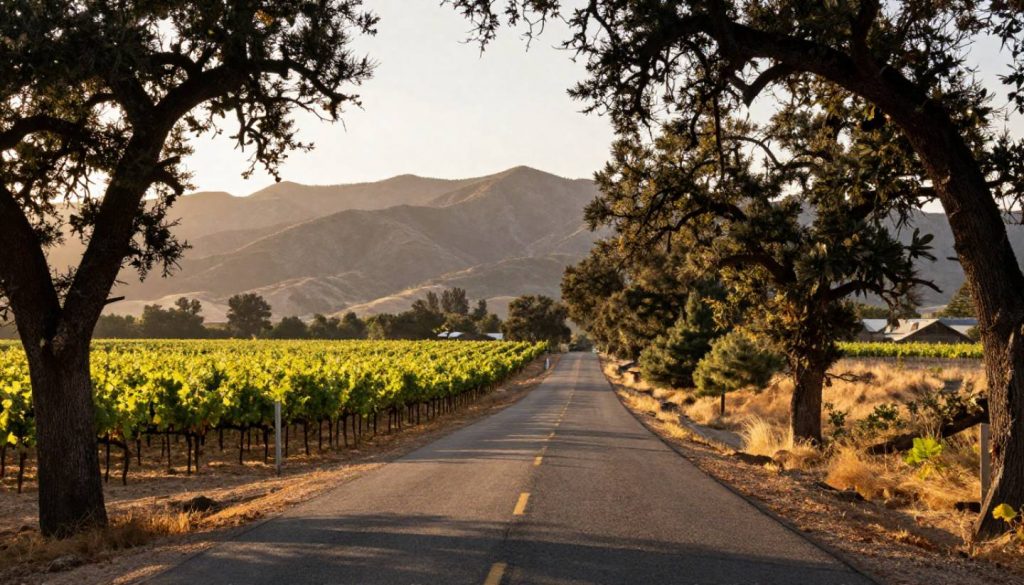
End the day on the Silverado Trail, which runs quietly along the eastern edge of the valley. Oak trees, vineyard rows, and long views toward the Vaca Range define this stretch. Traffic thins. The light softens.
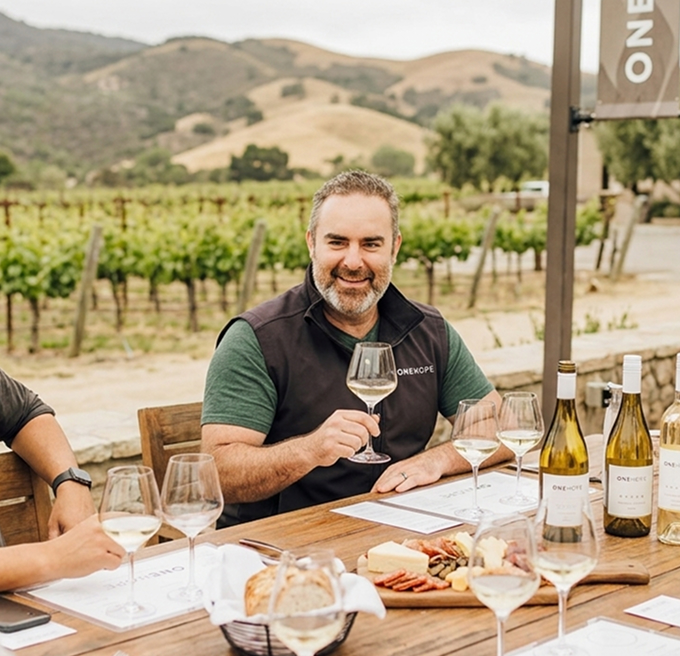
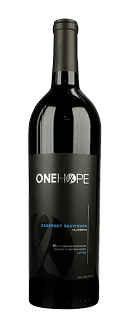
Jake’s Note: When friends come up from Marin wanting fresh air more than formality, I often suggest ending the afternoon at ONEHOPE Winery at Estate 8. I am obviously biased since it is my passion and my purpose, but the property was shaped for days like this. Open land, room to walk, and enough quiet to feel the valley settle around you rather than perform for you.