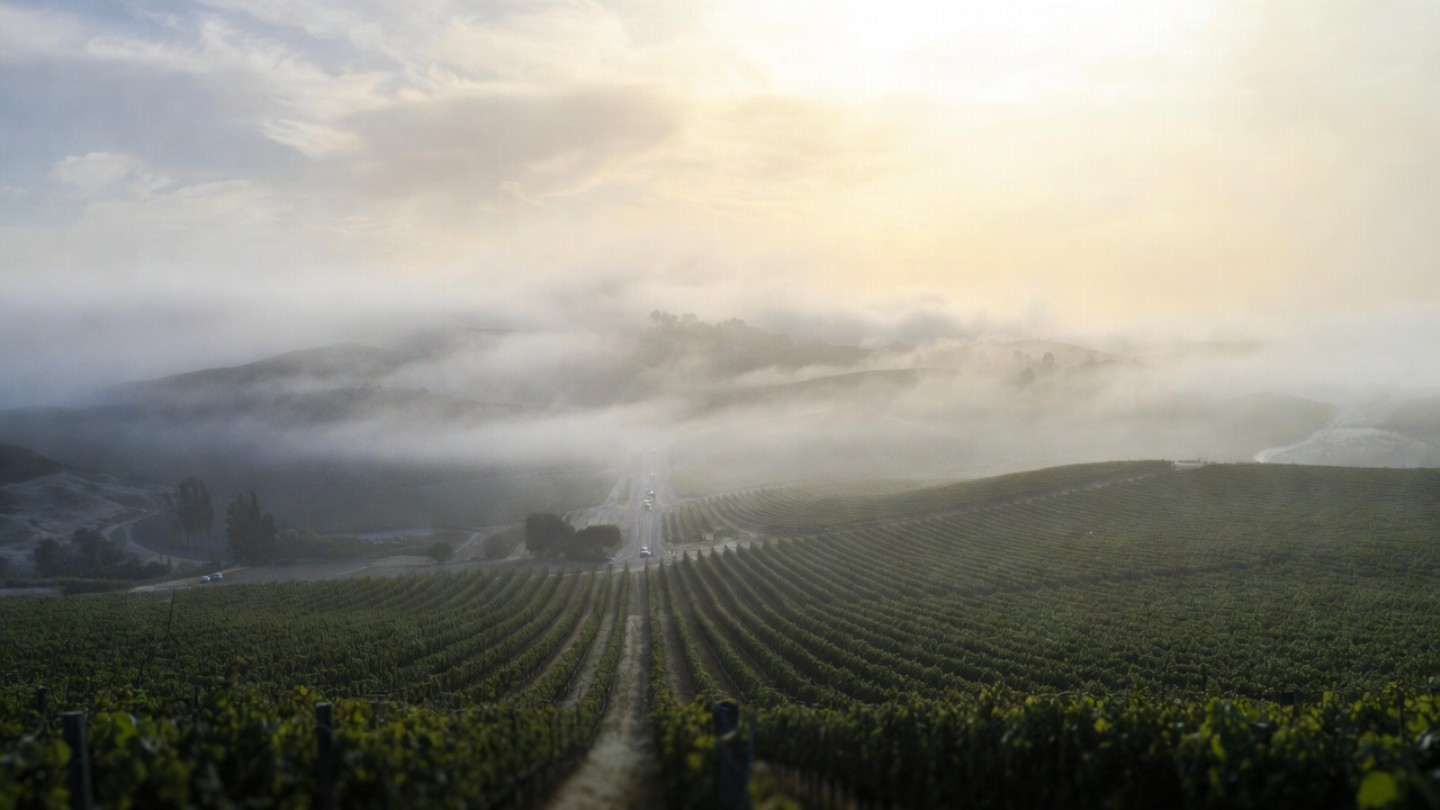
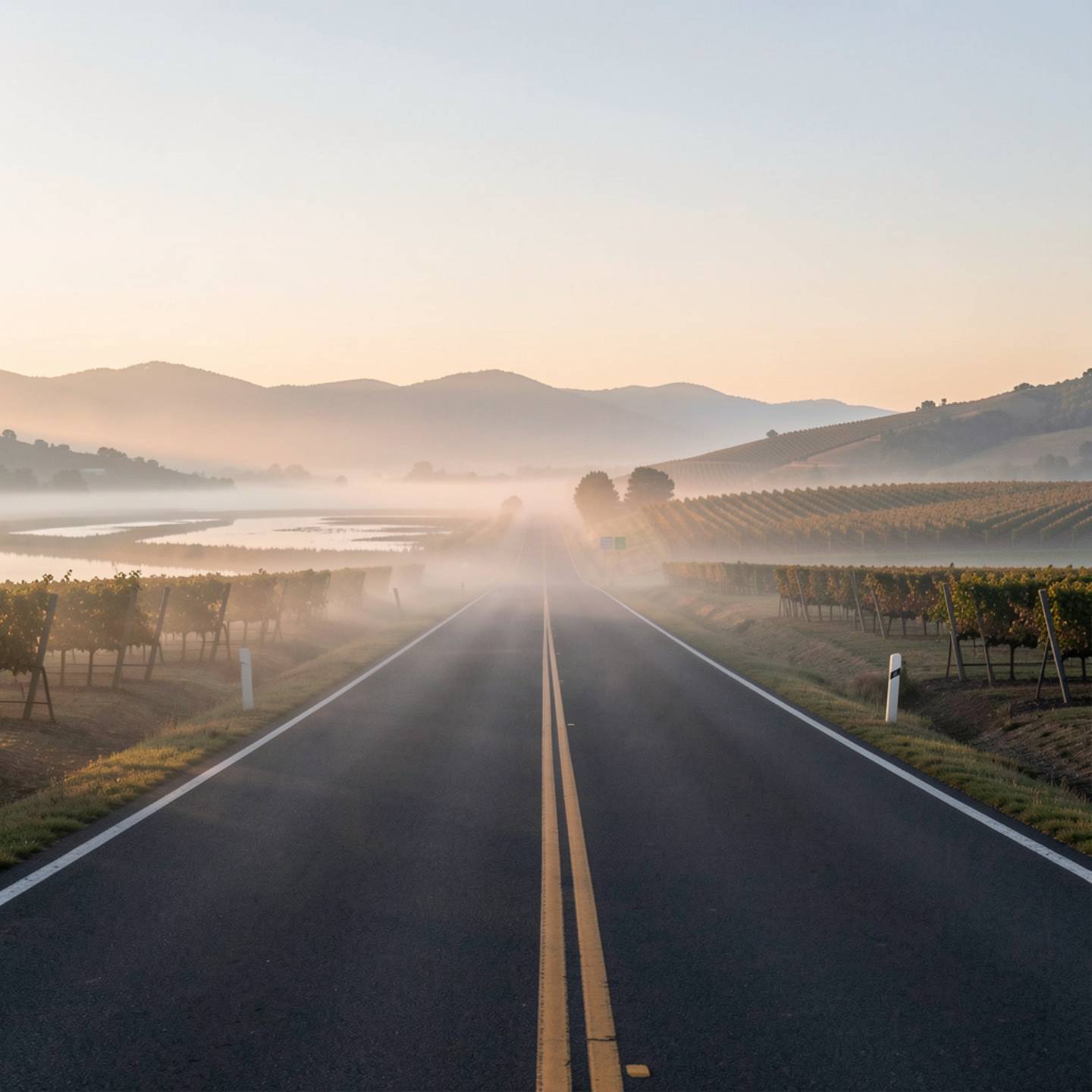
From San Jose, Napa is not a place you stumble into. It is a deliberate pause. You leave early, before inboxes refill and traffic tightens, pass through the quiet edges of Silicon Valley, and watch the landscape loosen. Office parks give way to open hills. Cell service fades in and out. Somewhere around Highway 37, your shoulders drop without you noticing.
This itinerary is built for professionals who want Napa to work hard in a short window. It assumes limited time, clear boundaries, and the need to return home feeling reset rather than overserved. No crisscrossing the valley. No rushed tastings. Just a clean arrival, a calm middle, and a smooth exit that lets the weekend do its job.
Why Napa Works for a Fast Reset from San Jose
For South Bay professionals, the power of Napa is contrast. You trade constant decision making for a place where the day is shaped by light, land, and season. Napa’s geography helps. The valley is narrow, roughly thirty miles end to end, which allows you to settle into one zone and stop managing logistics.
Locals guide time limited travelers toward the mid valley stretch from Yountville to St. Helena. This corridor delivers the most return per mile. Walkable towns, historic vineyards, and restaurants that understand pacing live within minutes of one another. The less you drive, the more restorative the trip becomes.
When to Go
Spring (March to May)
Green hills, cool mornings, and mental clarity
Summer (June to August)
Long evenings and outdoor dining, plan tastings early
Fall (September to October)
Harvest energy and vineyard color, busiest season
Winter (January to February)
Mustard season, quiet roads, and easier access to top tables

The Itinerary: 36 Hours That Feel Like More
Day One: Early Exit, Soft Landing
Early Departure (7:00 AM)
Leave San Jose before the valley wakes up. The calm of the first hour sets the tone for the entire trip. Entering via Highway 37, with its open bay views and wetlands, helps flip the mental switch from productivity to presence.
Late Morning Tasting (10:30 or 11:00 AM)
Start with a seated tasting in Oak Knoll, Oakville, or Rutherford. These areas introduce Napa’s agricultural backbone without sensory overload. Look for experiences centered on vineyard blocks, soil, and conversation rather than speed.
Local Directional Cue
Driving north on Highway 29, the Rutherford Bench sits just west of the road. This narrow strip of alluvial soil is known for producing some of Napa’s most structured Cabernet Sauvignon.
Lunch and Check In (12:30 to 1:30 PM)
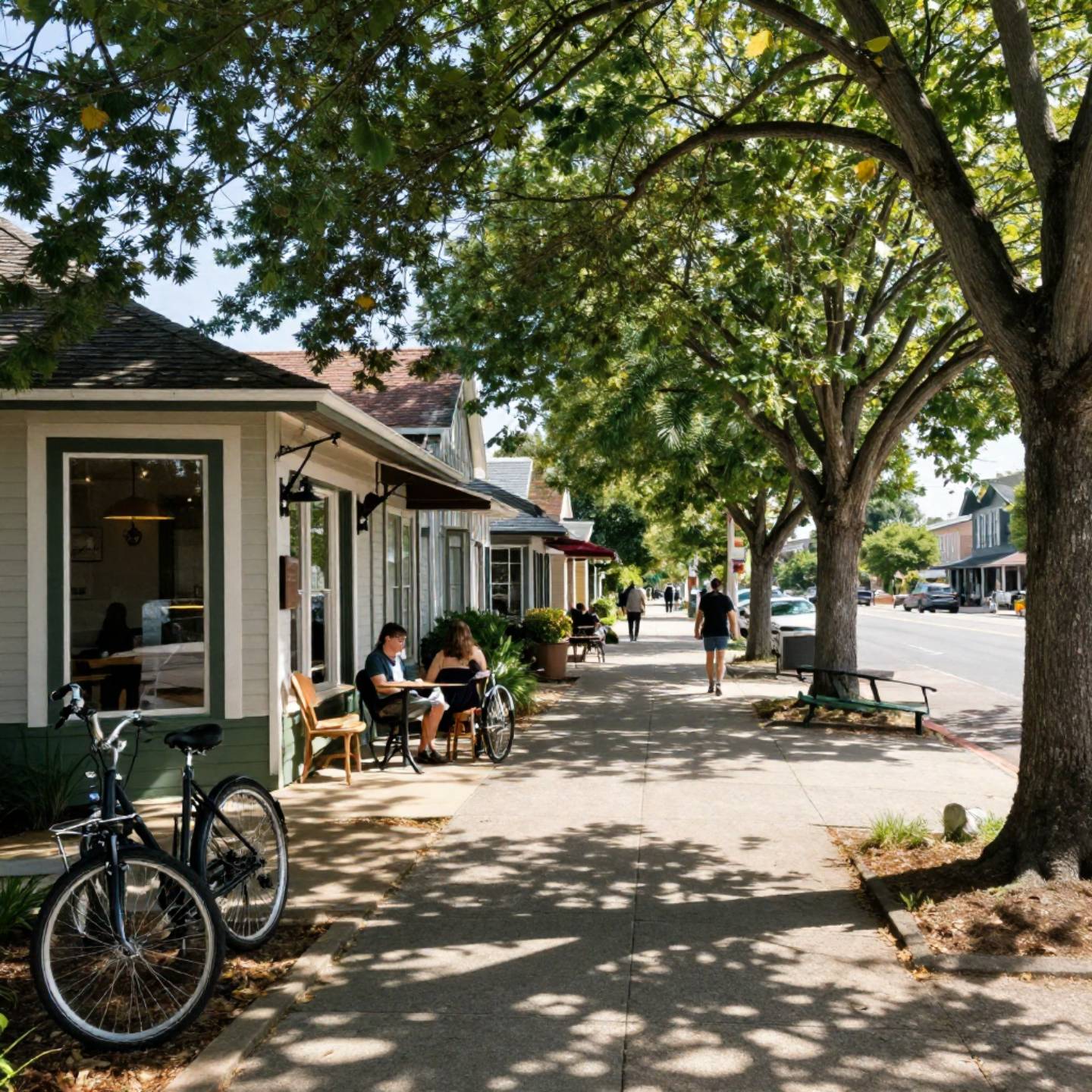
Base yourself in Yountville. Park once and walk. Bistro Jeanty and Bottega are reliable anchors, but even a pastry from Bouchon Bakery followed by a slow walk along Washington Street can reset your nervous system.
Afternoon Calm on the Silverado Trail
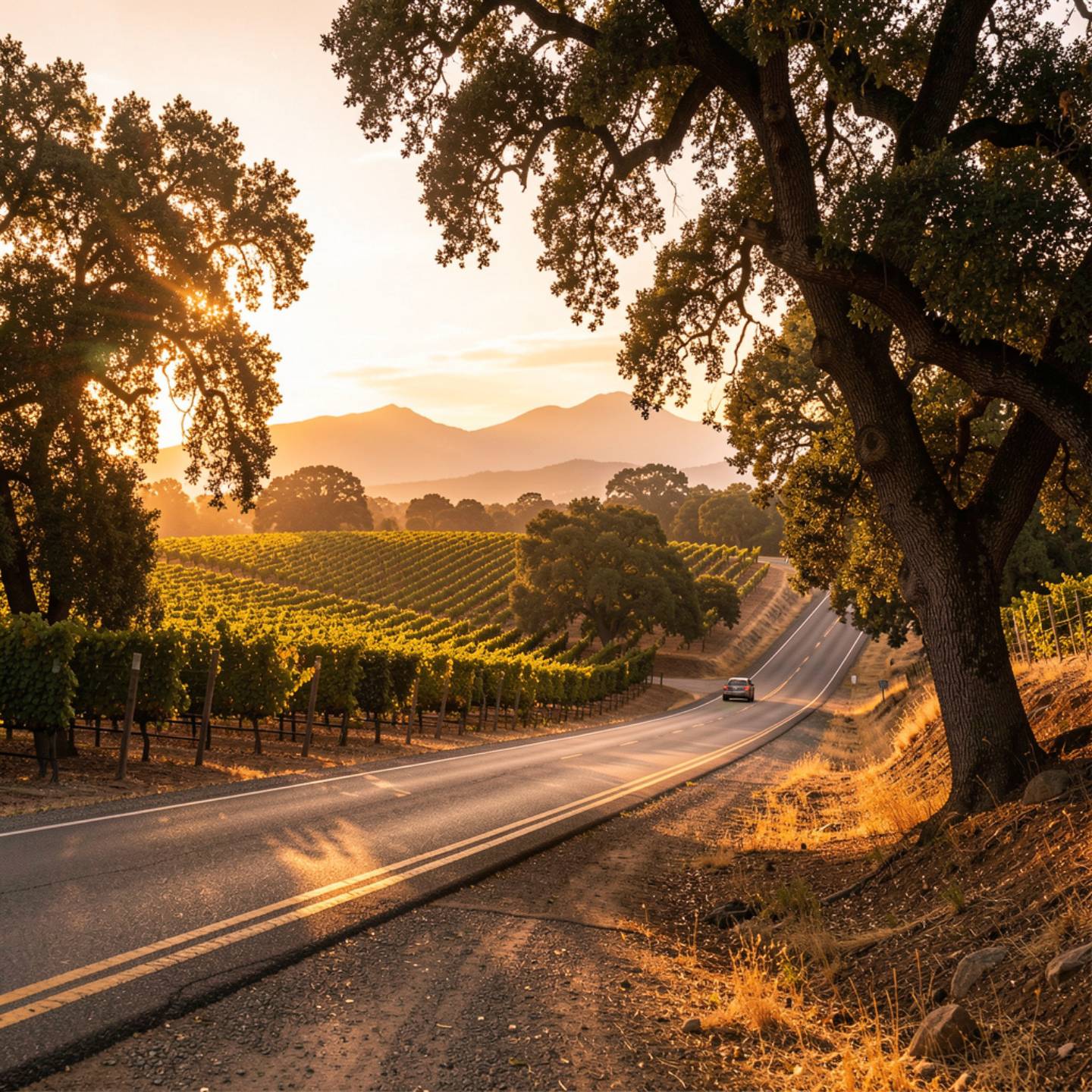
Cross over to the Silverado Trail for your final stop. The eastern side of the valley moves quieter and catches late afternoon light beautifully.
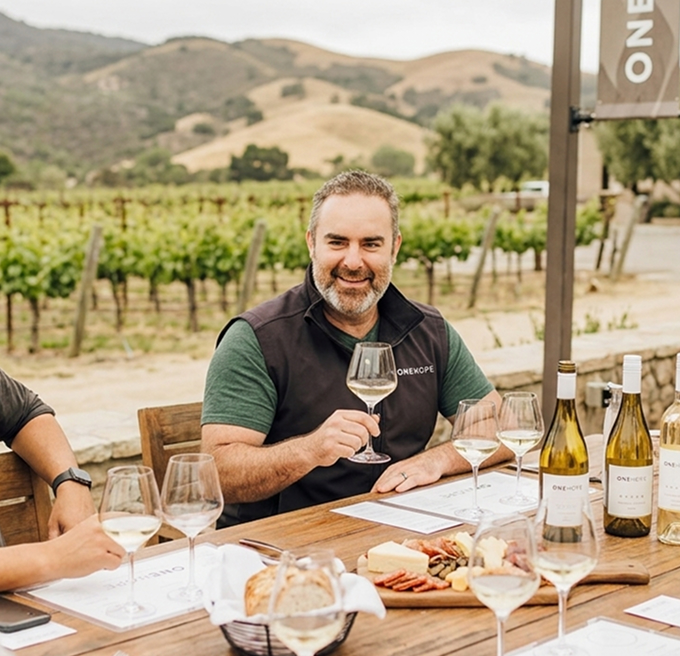
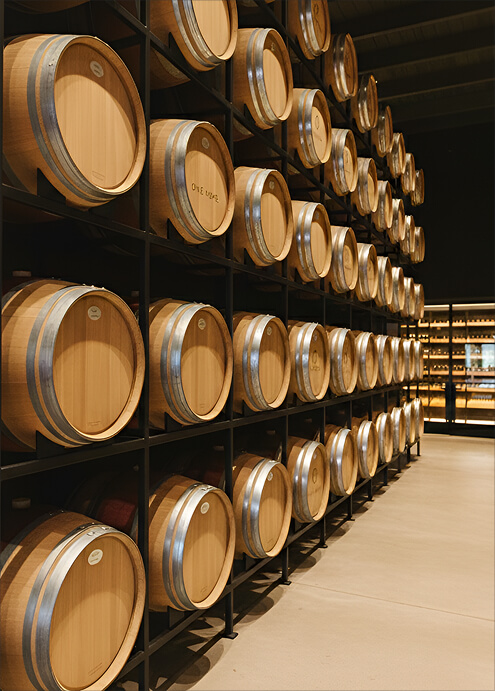
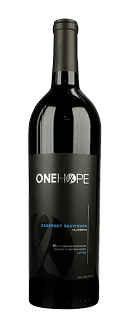
Jake’s Note: After long weeks, I still remember my first quiet afternoon driving the Silverado Trail alone, radio off, windows down, realizing how different Napa feels when you stop trying to optimize it. That feeling shaped how we built ONEHOPE at Estate 8. I am obviously biased since it is my passion and my purpose, but the space was designed for late afternoons like this. No rush, fewer voices, and room to sit with a glass without watching the time.
Day Two: Morning Without Urgency
Coffee and a Walk
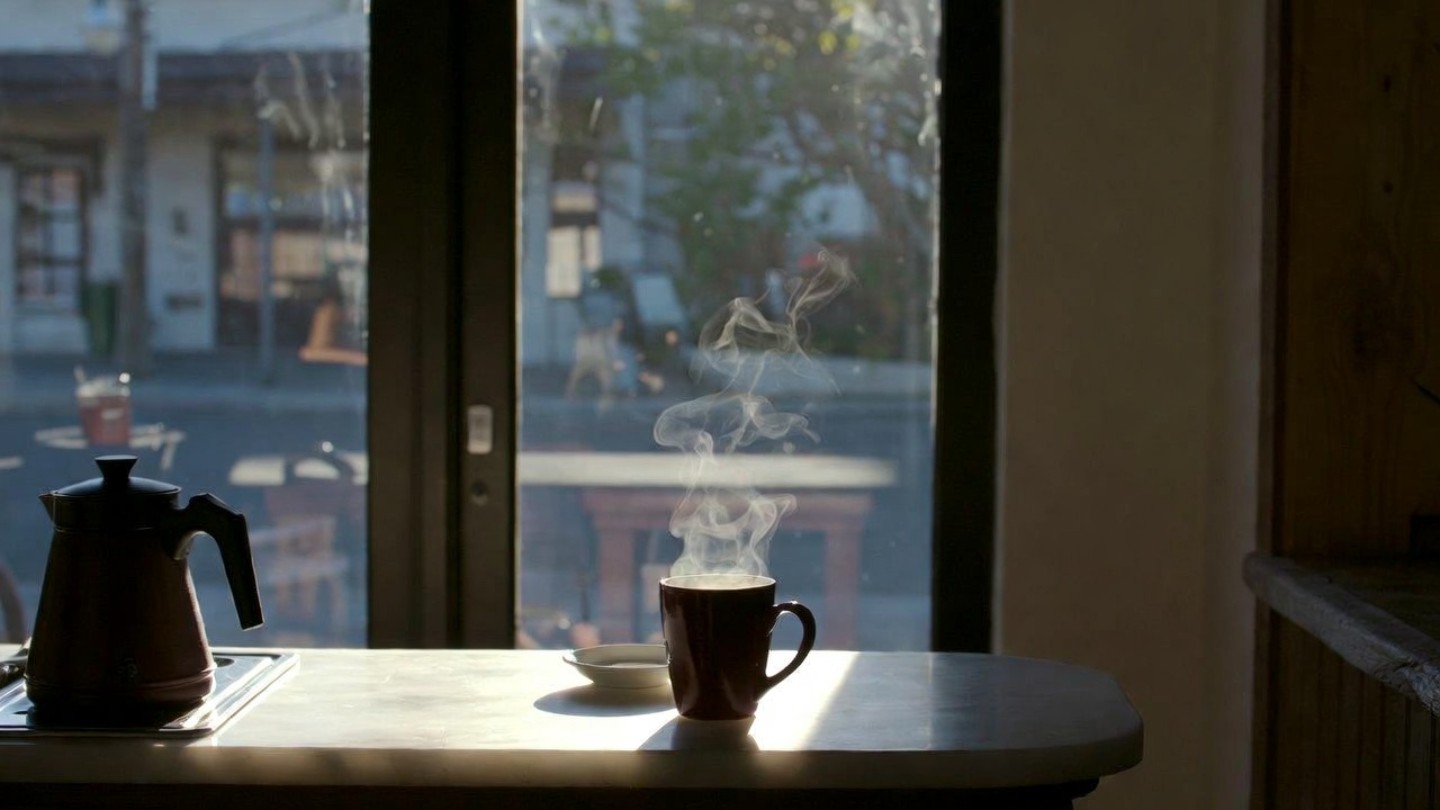
Start with coffee from Model Bakery in St. Helena or a small local cafe before town fully wakes. Walk without a destination. Napa reveals itself best before schedules take over.
One Final Experience (11:00 AM)
Choose a historic or family run estate like Inglenook or Beringer. Shaded gardens, cool stone cellars, and a sense of continuity offer grounding before returning to work mode.
Lunch Before the Drive Home
Eat before leaving the valley. Farmstead at Long Meadow Ranch sits naturally along the southern edge of St. Helena and works well as a final anchor meal.
Return to San Jose
Leave Napa by mid afternoon or linger for an early dinner and drive home after 7:00 PM. The goal is to arrive back without immediately re entering traffic stress.