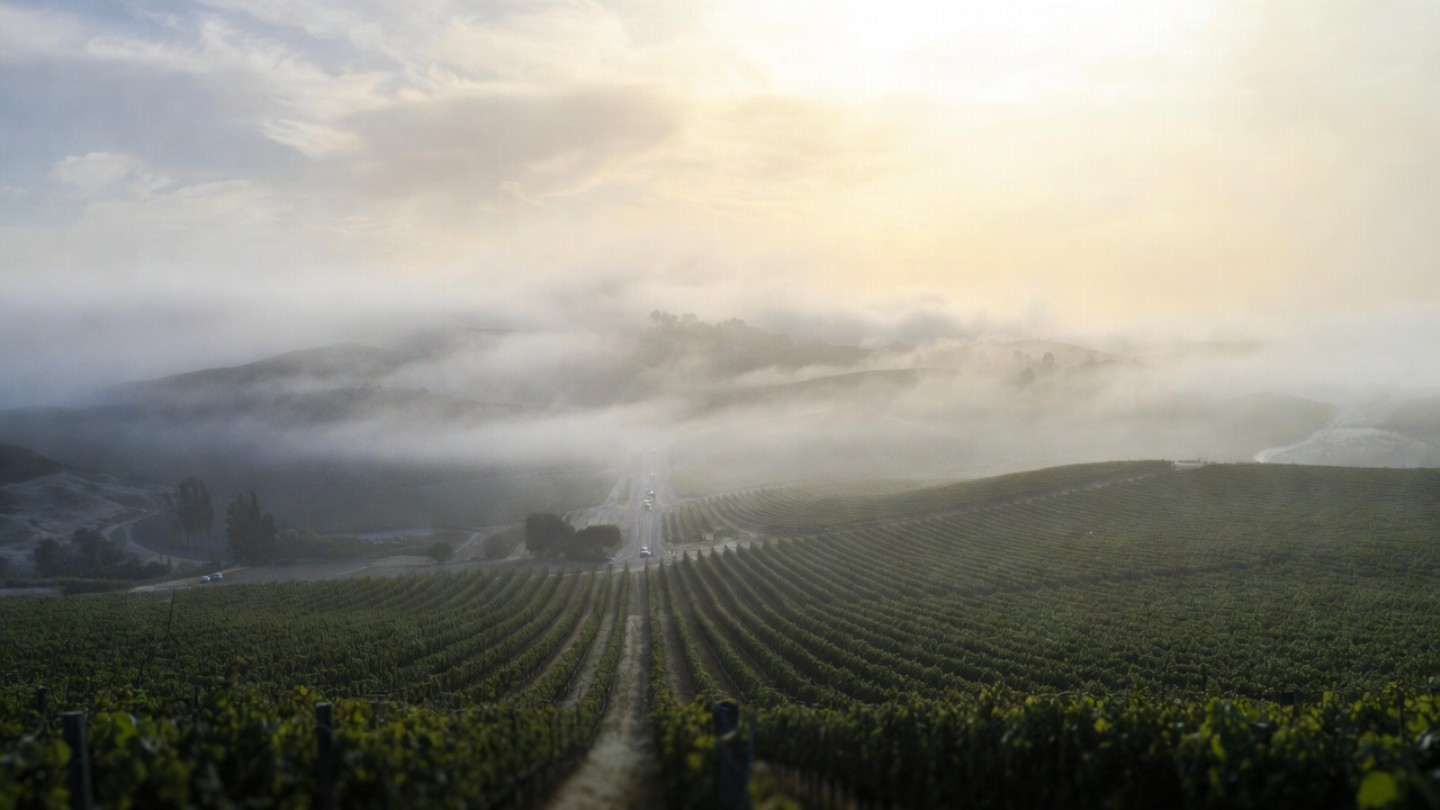
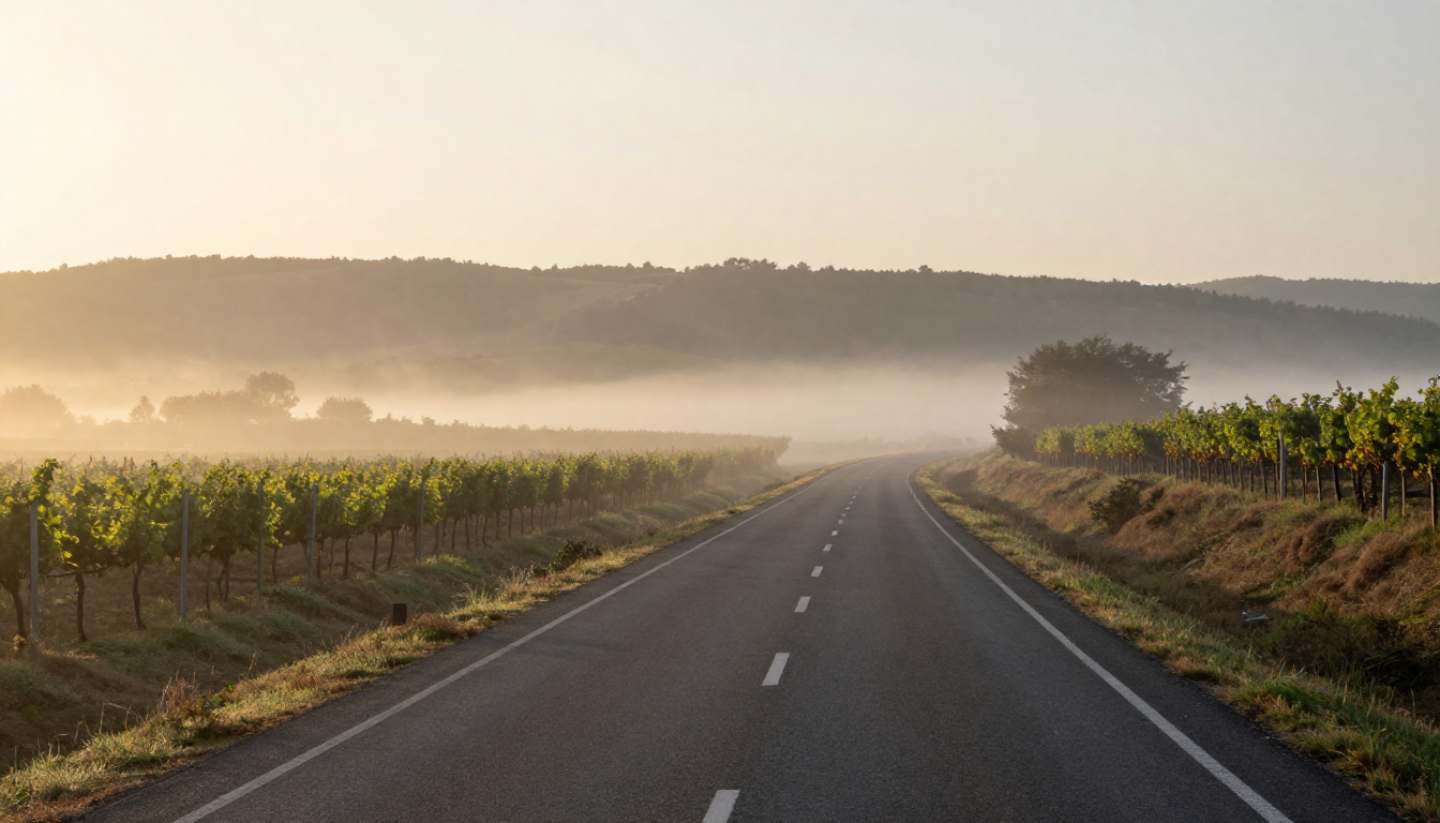
From San Jose and the South Bay, Napa is not a casual decision. It is a choice you make on purpose. You leave before the sun fully rises, slip past quiet office parks and widening freeways, and watch the landscape slowly open up. Tech corridors soften into wetlands. The air dries out. By the time you reach the valley floor, roughly thirty miles long from the San Pablo Bay to the base of Mount St. Helena, the pace has already changed.
This itinerary is designed for South Bay travelers who want Napa to feel expansive, not rushed. It assumes early departures, at least one overnight stay, and a willingness to let the valley set the rhythm instead of the clock. Done right, the trip does not feel long. It feels complete.
Why Napa Is Worth the Drive from the South Bay
For South Bay travelers, Napa works precisely because it cannot be rushed. The distance creates intention. Once you arrive, the valley rewards staying put rather than covering ground.
Locals tend to anchor trips in the mid-valley corridor from Yountville to St. Helena. This stretch holds the highest concentration of classic vineyards, walkable towns, and restaurants that understand pacing. It also keeps daily driving short, usually fifteen minutes or less between stops, which matters after a longer arrival.
When to Go
Spring (March to May)
Green hillsides, cooler cellar temperatures, and that familiar lift as the morning fog burns off.
Summer (June to August)
Long evenings and patio dining. Book tastings and restaurants four to six weeks ahead.
Fall (September to October)
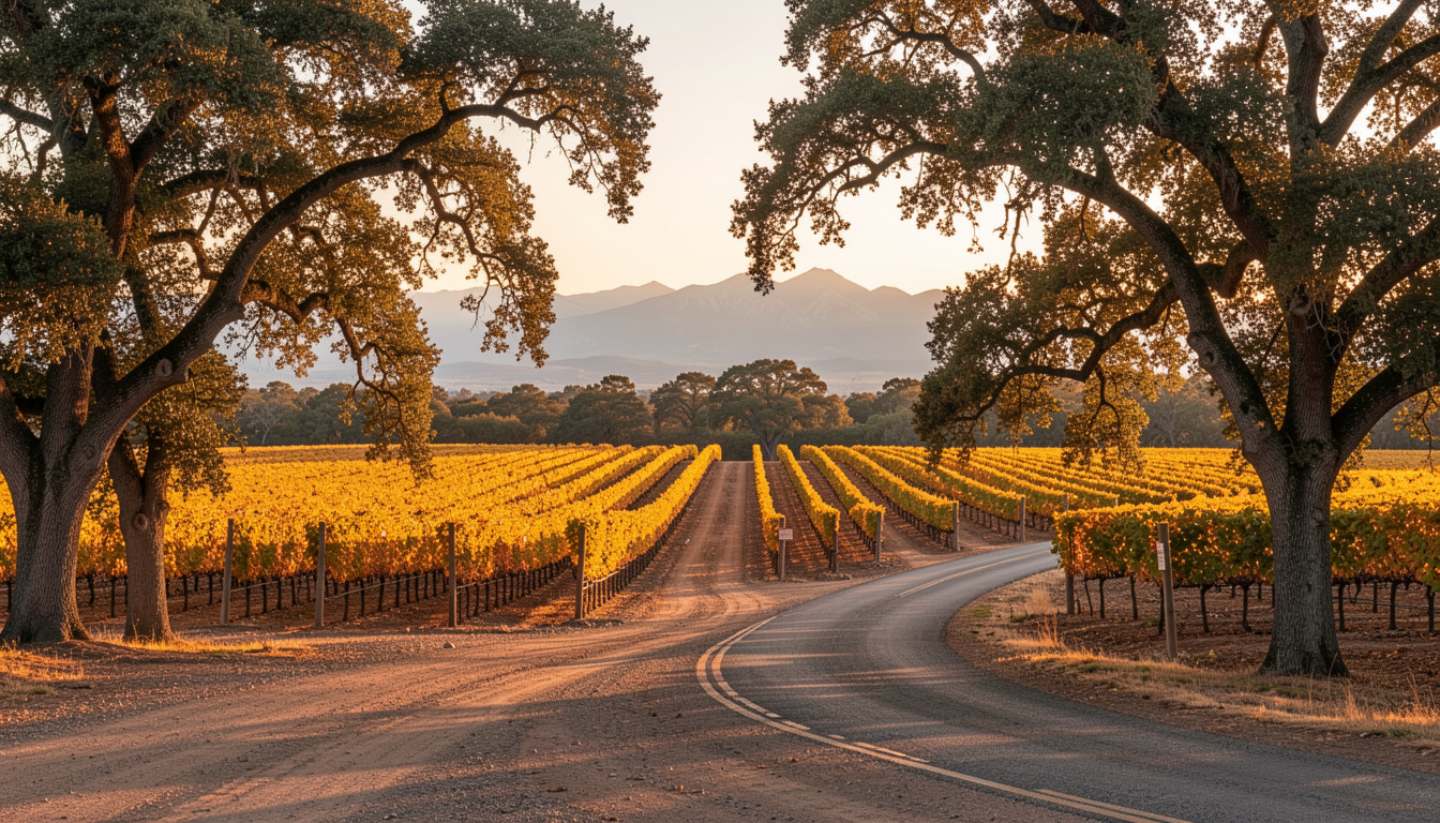
Harvest energy, golden vineyards, and the busiest season in the valley.Winter (January to February)
Mustard blooms, quieter roads, and easier access to top estates.
Day One: South Bay to Napa, Arrive Softly
Early Departure (around 7:00 am)
Leaving early sets the tone for the entire weekend. Highway 37 offers wide bay views and a gradual mental shift out of Silicon Valley mode. Highway 12 is more direct, dropping you into the southern valley near Carneros.
Late Morning Tasting (10:30 or 11:00 am)
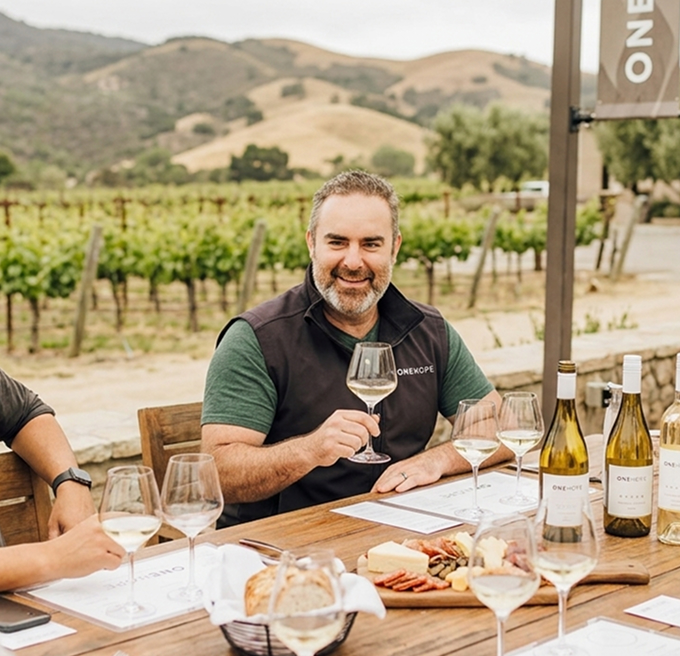
Start with a seated tasting in Oak Knoll, Oakville, or Rutherford. These areas clearly express Napa’s agricultural roots and reward slower conversations.
Directional cue: Driving north on Highway 29, look to the left for the Rutherford benchlands. This narrow strip of alluvial soil is responsible for some of Napa’s most structured Cabernet, often described locally as having a fine, dusty texture.
Lunch and Check-In
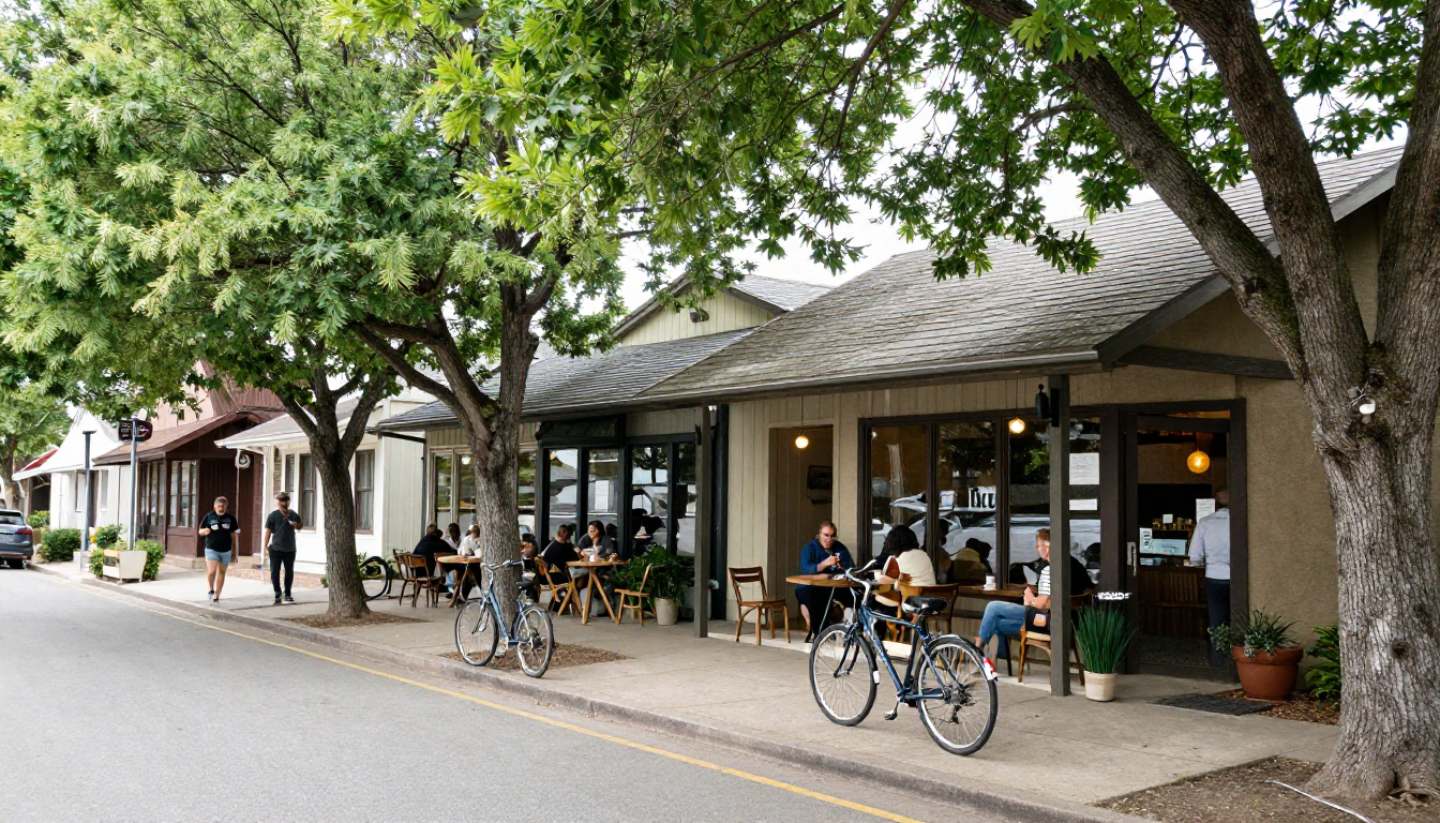
Base yourself in Yountville. Park once and walk. Bistro Jeanty and Bottega remain reliable anchors, but even a simple lunch followed by a slow stroll through town often becomes the most memorable part of the day.
Afternoon Experience
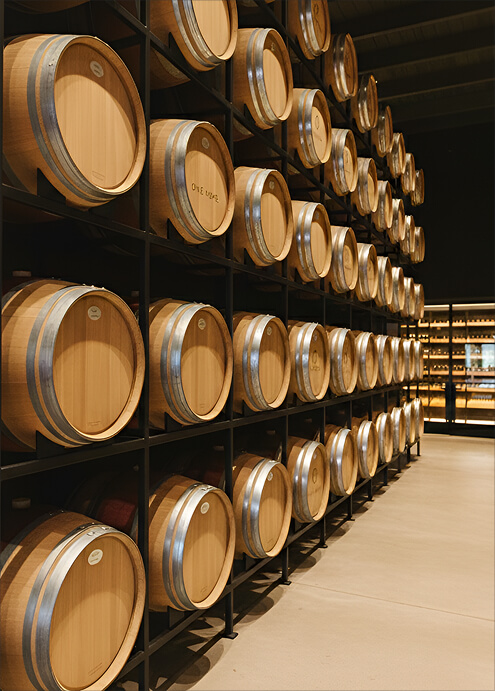
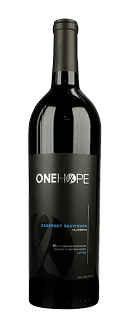
Cross over to the Silverado Trail for your final stop. The eastern side of the valley moves more quietly and catches the late light beautifully.Jake’s note: This is often where I end the afternoon at ONEHOPE or Estate 8. I am obviously biased since it is my life’s work, but the property was shaped around this exact window. No rush. Soft light over the Mayacamas. Enough space to let conversations unfold naturally.
Day Two: Settle Into the Valley
Slow Morning
Grab coffee from The Model Bakery in St. Helena before the town fully wakes up. Walk without an agenda. This is when Napa feels most like itself.
Late Morning Tasting
Choose a historic estate such as Inglenook or Beringer. These properties offer a sense of Napa’s longer timeline, shaded gardens, and stone cellars that stay cool even on warm days.
Long Lunch
Commit to a proper lunch. Farmstead at Long Meadow Ranch works especially well for mid-valley travelers and grounds the day in food that reflects the surrounding land.Optional Afternoon Reset
Skip a third tasting if the day feels full. Visit the Oxbow Public Market or simply drive the Silverado Trail without stopping. Napa often reveals itself in the spaces between appointments.
Day Three: One Last Taste, Easy Exit
Final Tasting (around 11:00 am)
Keep it intentional. Smaller, family-run estates like O’Brien Estate or Keever Vineyards often offer deeply personal experiences that linger longer than larger tasting rooms.
Lunch Before the Drive
Eat before leaving the valley. It makes the return to the South Bay feel lighter and less rushed.Return South
Leave after lunch and plan to arrive home after dinner traffic settles, or linger for an early evening meal in Downtown Napa and head south later.