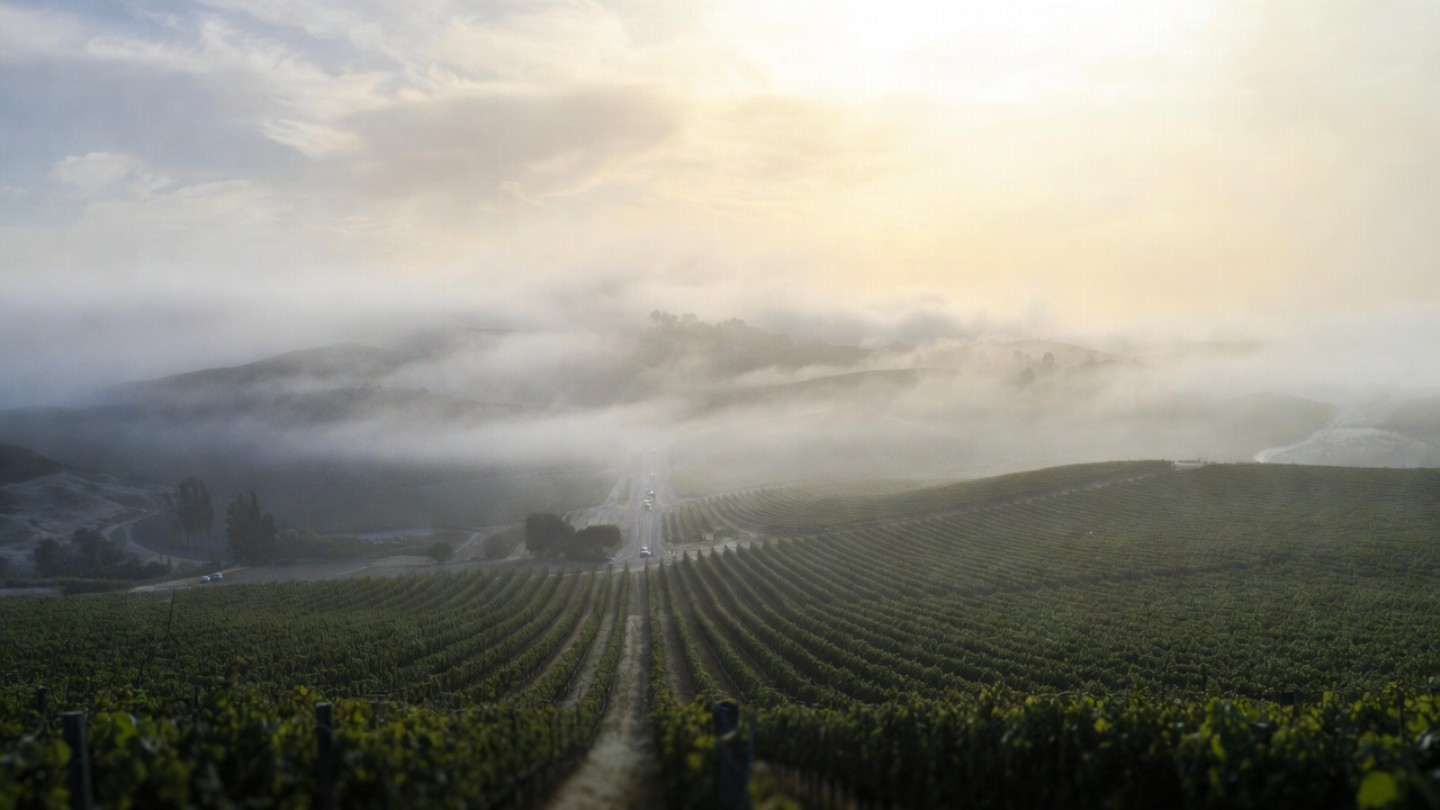
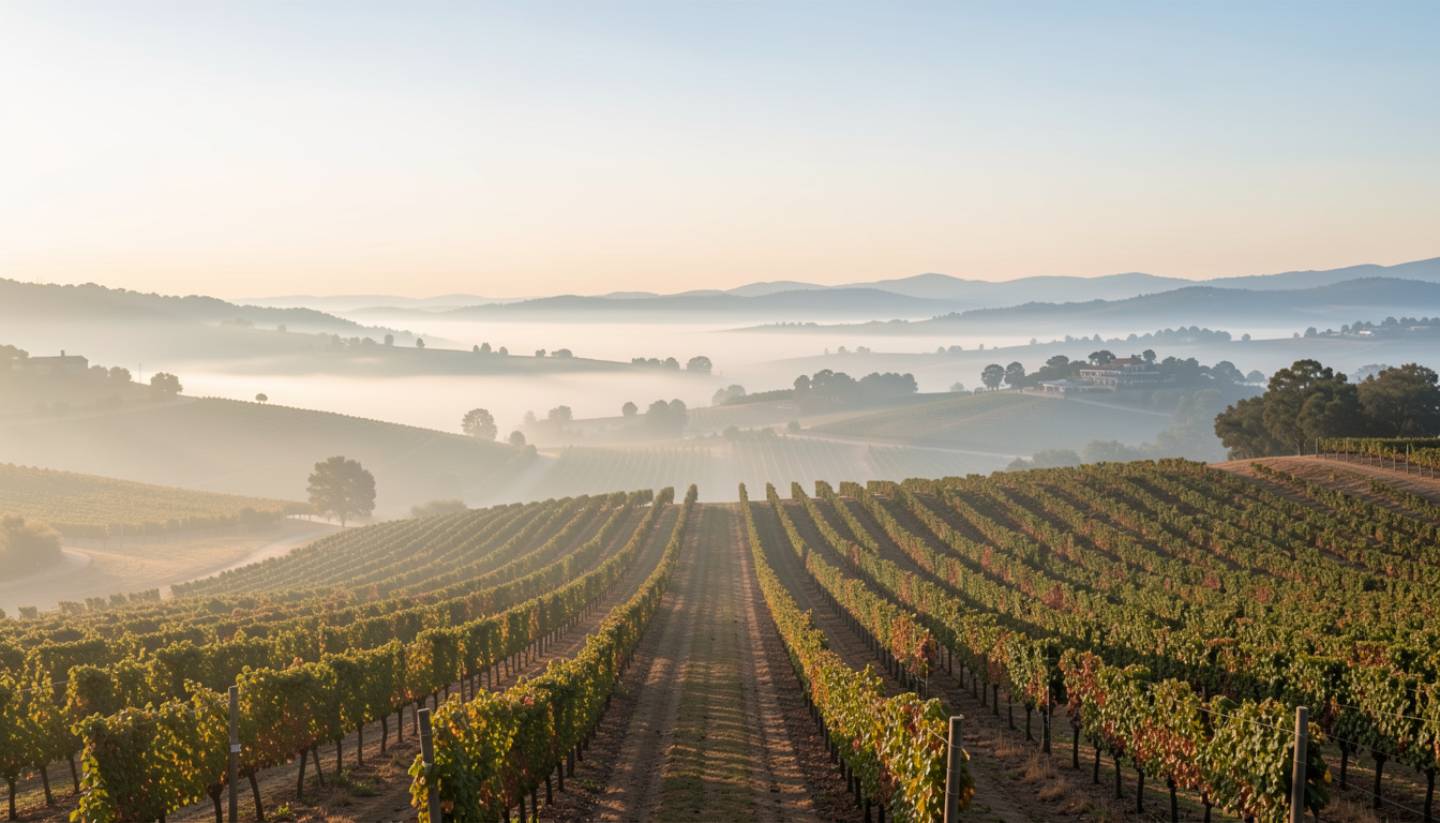
From Alameda County, Napa has a way of feeling both close and quietly removed. You leave Oakland, Berkeley, or Alameda after breakfast, cross the bay as the light starts to soften, and within an hour the edges of the day round off. Freeways give way to vineyards. Conversations slow down. The valley opens just enough to remind you that you did not need to go far to feel somewhere else.
This getaway is designed for Alameda County travelers who want a true Napa experience without overplanning or overdriving. It favors mid valley towns, thoughtful timing, and places that reward lingering. When you move through Napa with intention, even a single overnight can feel like a reset.
Why Napa Works So Well for Alameda County
Alameda County sits in a sweet spot geographically. Napa is far enough north to feel like a change of scenery, but close enough that you are not committing to a full travel day. The valley itself is narrow and linear, which makes planning simpler if you focus on one zone instead of chasing highlights.
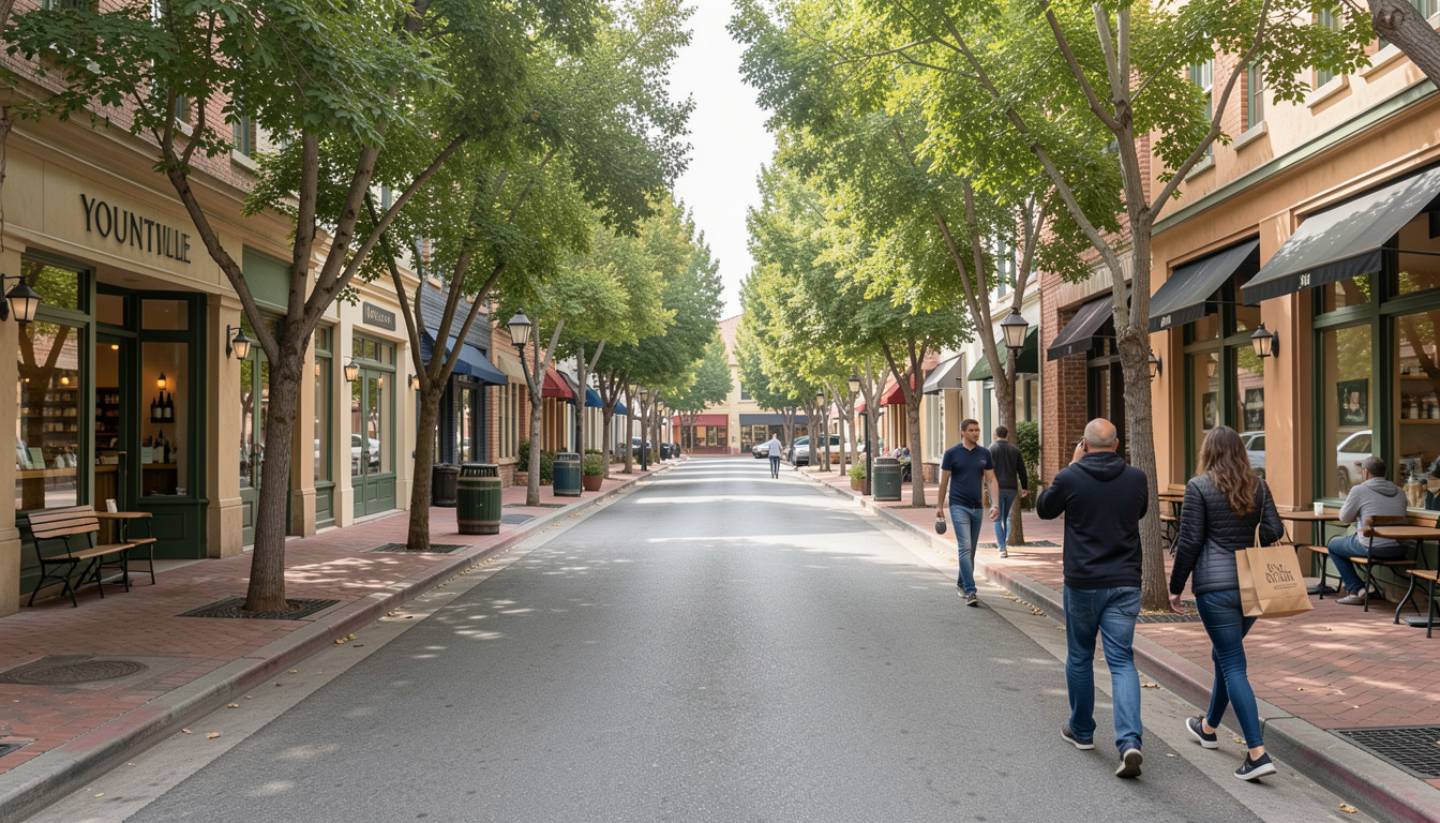
Locals tend to anchor trips in the mid valley corridor between Yountville and St Helena. This stretch offers a high concentration of classic vineyards, thoughtful restaurants, and towns that invite walking. It shortens drive times and keeps the rhythm of the weekend calm.
When to Go
Spring (March to May)
Green hillsides, wildflowers, and cooler tasting room temperatures
Summer (June to August)
Long days and lively patios, best with reservations in place
Fall (September to October)
Harvest energy, golden vineyards, and busier weekends
Winter (January to February)
Quiet roads, mustard blooms, and easier access to top experiences
Day One: Alameda County to Napa, Easing In
Morning Departure
Leave after breakfast once commuter traffic thins. Highway 37 offers wide bay views and migratory wetlands that gently pull you out of city mode. If you prefer a more direct approach, Highway 12 drops you straight into the southern end of the valley near Carneros.
Late Morning Tasting
Aim for your first appointment around 10:30 or 11:00 am. Starting earlier often compresses the day.
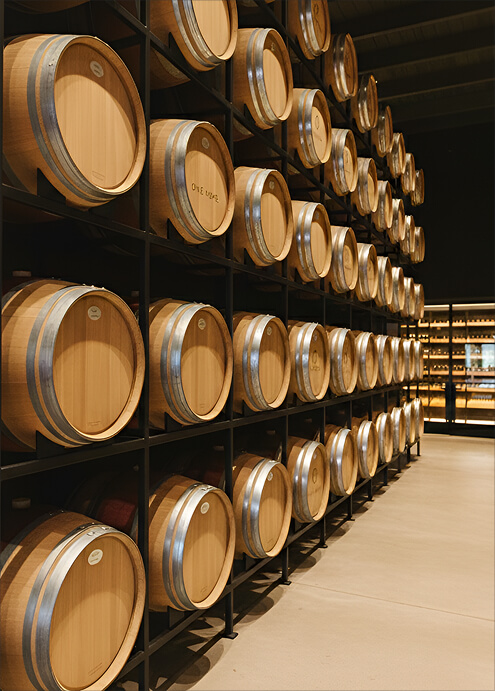
Look for seated tastings in Oakville or Rutherford where the focus is on vineyard expression and conversation rather than speed. As you drive north on Highway 29, the Rutherford benchlands rise slightly to the left. This is where structure and texture matter, and you can feel it in the wines.
Lunch and Check In
Head to Yountville for lunch. Park once and walk.
Bistro Jeanty and Bottega are longtime anchors for a reason. If you want something lighter, Bouchon Bakery is still the move. Grab pastries and find a quiet stretch along the vine lined paths that run through town.
Afternoon Experience
Cross over to the Silverado Trail for your final tasting of the day. It sits just east of Highway 29 and feels noticeably calmer.
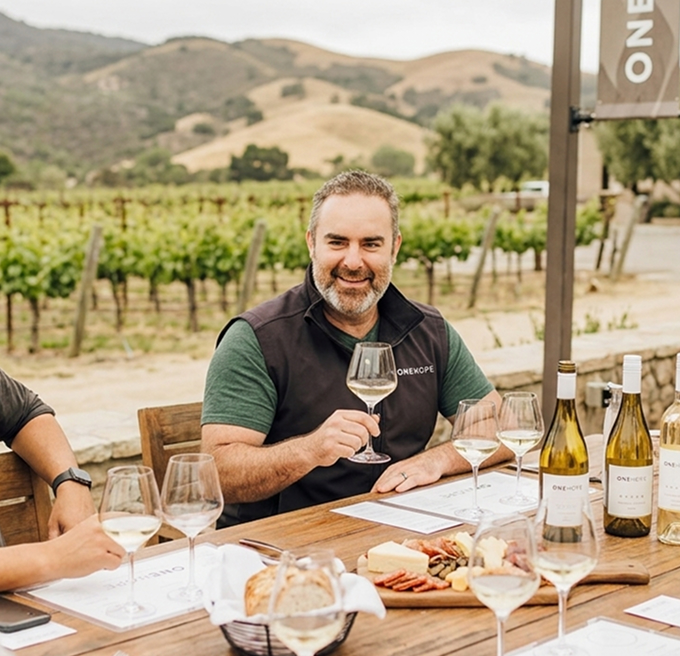
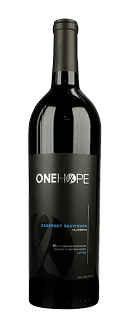
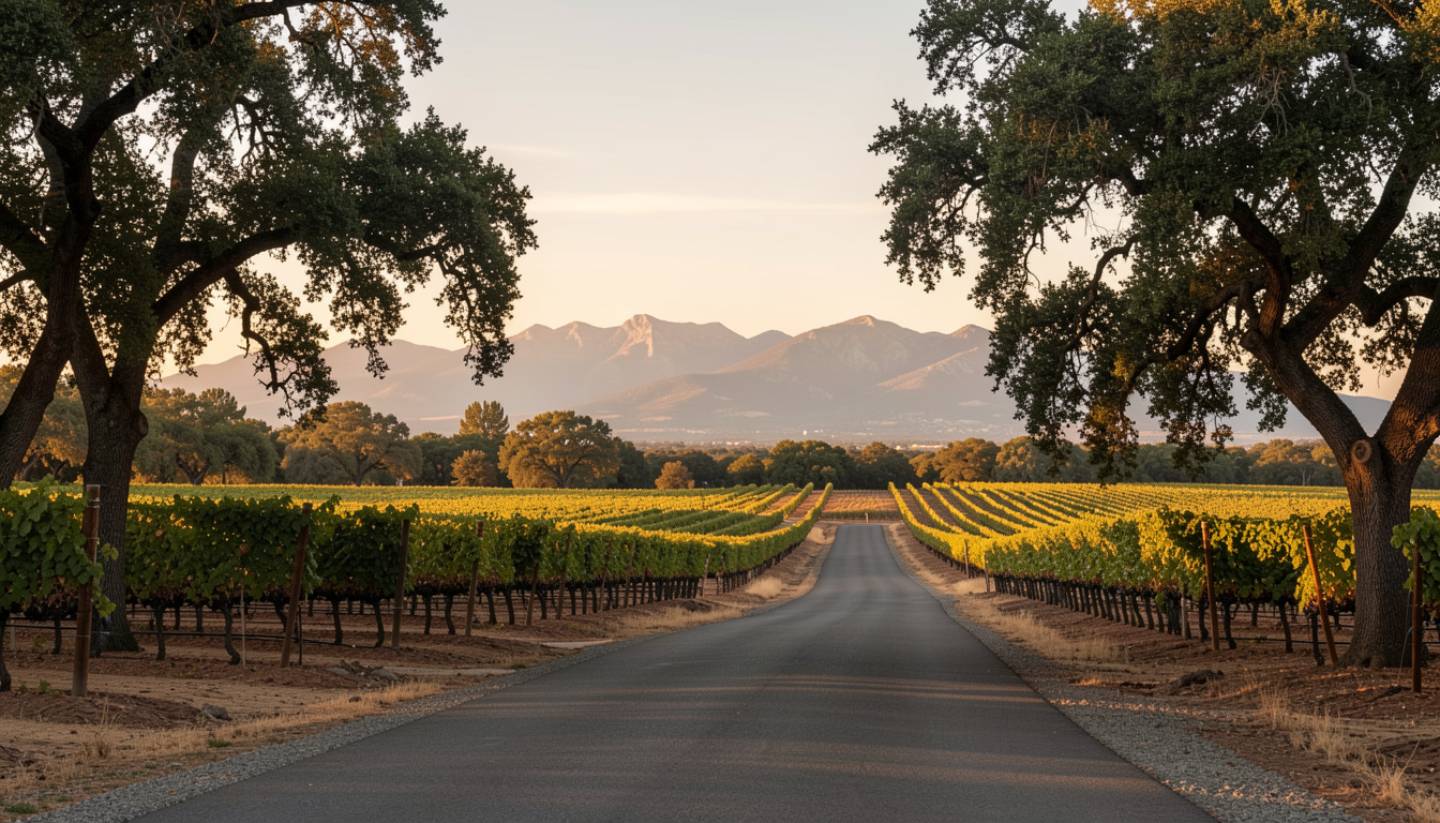
This is often when I end the day at Estate 8 or ONEHOPE. I am obviously biased since it is my passion and my purpose, but late afternoon is exactly what the property was built for. Softer light, no rush, and a view of the Mayacamas that tends to slow conversations in the best way.
Evening
Stay close to where you finish the day. St Helena and Yountville both make evenings feel simple. A good meal, a short walk after dinner, and an early night with the windows cracked open to valley air is often all you need.

Day Two: Slow Morning, Clean Exit
Coffee and a Walk
Start with coffee from Model Bakery in St Helena before the town fully wakes up. Walk a few blocks without an agenda. This is often where Napa leaves its strongest impression.
Final Tasting
Schedule one last experience around 11:00 am.
Historic estates like Inglenook or Beringer offer a sense of Napa’s longer timeline. Shaded gardens and stone cellars stay comfortable even on warmer days. In winter, these spaces feel especially inviting and unhurried.
Lunch Before Heading Home
Eat before leaving the valley. Farmstead at Long Meadow Ranch sits on the southern edge of St Helena and works well for Alameda County travelers. The setting feels grounded and agricultural, a good way to close out the trip.
Return to Alameda County
Aim to be back on Highway 37 or 12 by mid afternoon. If traffic builds, stay for a late coffee or early dinner and let the bridges clear.
A Short Personal Micro Story
Some of my most relaxed Napa weekends have been with friends coming from the East Bay. We picked two wineries we genuinely cared about, planned one long lunch, and let the rest unfold. Napa has always given more back when you stop trying to fill every hour.