Napa reveals itself slowly. The valley teaches in layers. You feel it as the morning fog lifts off the Rutherford benchlands. You hear it in conversations that start with a grape and end with a family story. You understand it during a tasting that pauses long enough for real questions. If you come here to learn, not just taste, Napa opens its doors a little wider.
What This Experience Is Really About
Learning focused travel in Napa is not about memorizing appellations or collecting bottles. It is about understanding relationships. Soil to vine. Climate to flavor. People to place. The best educational experiences feel less like lectures and more like guided curiosity, where your questions about microclimates, farming choices, or barrel aging shape the visit. You are not being sold to. You are being let in.
When It’s Best
Winter, the quiet season
Calmer tasting rooms, longer conversations, and more access to the people behind the wine.
Spring
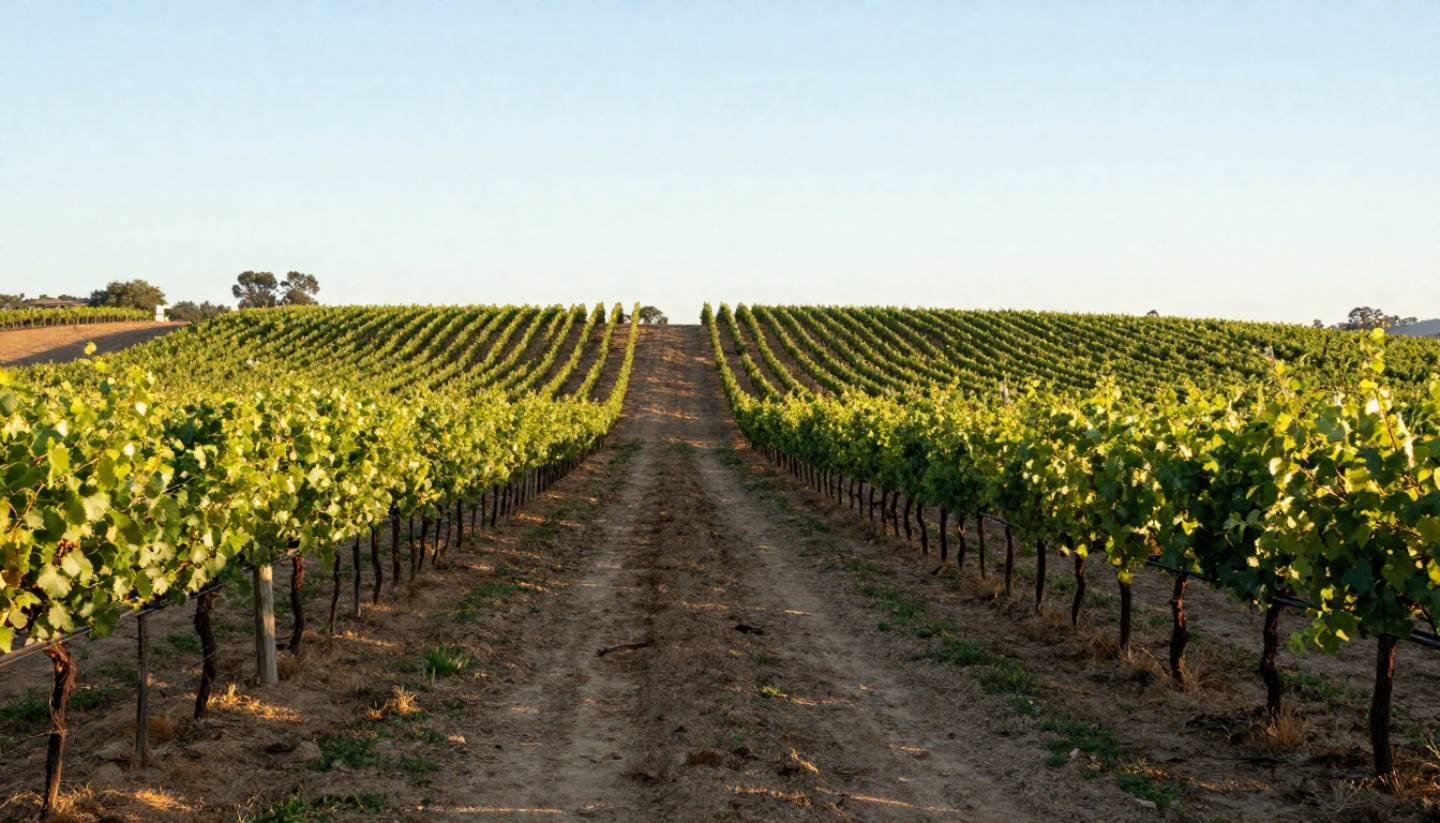
Budbreak and fresh energy. Ideal for vineyard walks and understanding how a vintage begins.
Fall
Harvest context, fermentations in motion, and barrel samples that show wine mid story.
Midweek, year round
The slower, truer Napa. Fewer crowds and more patience make this the best classroom.
What Most Visitors Miss
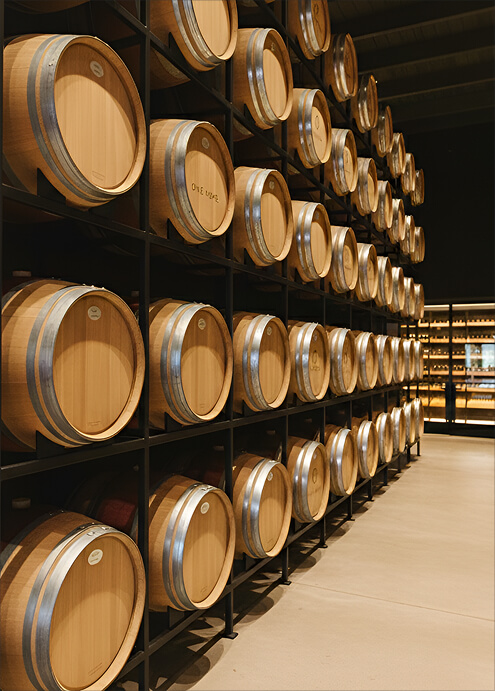
Many travelers assume educational means formal. In Napa, the deepest learning often happens casually. Leaning on a barrel. Standing between rows. Asking one simple question that opens into a twenty minute story. The real luxury here is not the price tag. It is the intimacy and the access.
My Local Notes
When friends tell me they want to learn Napa, I tell them to do less and listen more. Pick one estate that farms its own land. Sit down. Ask how the year went. Ask what was hard. Ask what surprised them. Wine opens up when you do.
A Short Personal Story
One winter afternoon, years ago, I stood with a winemaker friend in a quiet cellar while rain tapped against the roof. We tasted the same Cabernet from two neighboring blocks, fermented the same way and aged in the same barrels. They could not have been more different. That was the moment it clicked for me. Napa is not about recipes. It is about place, decisions, and time. I still think about that tasting every harvest.
How to Learn More in One Hour
- Choose a seated tasting instead of a standing bar pour
- Ask for a comparison between a vineyard designated wine and a reserve or library vintage
- Ask the why. Why this block along Silverado Trail tastes different from the valley floor
- Skip photos for the first twenty minutes and pay attention to light, temperature, and texture
If You Have a Full Afternoon
Start with a private vineyard walk or a cellar focused cave tour. Pair it with a long, seasonal lunch to see how acidity and tannin interact with food. End with a second, smaller producer where conversation carries the experience. Learning days need room to breathe.
Where to Eat Around Here
Educational tastings pair best with food that rewards a slower pace.
St. Helena
Charter Oak or Farmstead for farm driven cooking rooted in the valley.
Yountville
Bottega or Bistro Jeanty for classic Napa heritage.
Calistoga
Sam’s Social Club for a relaxed end of day reset.
Nearby Wineries Worth Visiting
Look for estates known for patience and dialogue.
Nickel and Nickel, Oakville
A clear lesson in single vineyard Cabernet and site expression.
Schramsberg, Calistoga
A deep dive into méthode traditionnelle sparkling wine inside historic caves.
Spottswoode, St. Helena
A benchmark for estate elegance and organic farming.
Small Histories
Before Napa was a destination, it was a working valley. Growers learned by doing and traded knowledge across fence lines long before Michelin stars and tasting menus. That spirit still lives in families who have tended the same vines for decades.
A Gentle Note from Home
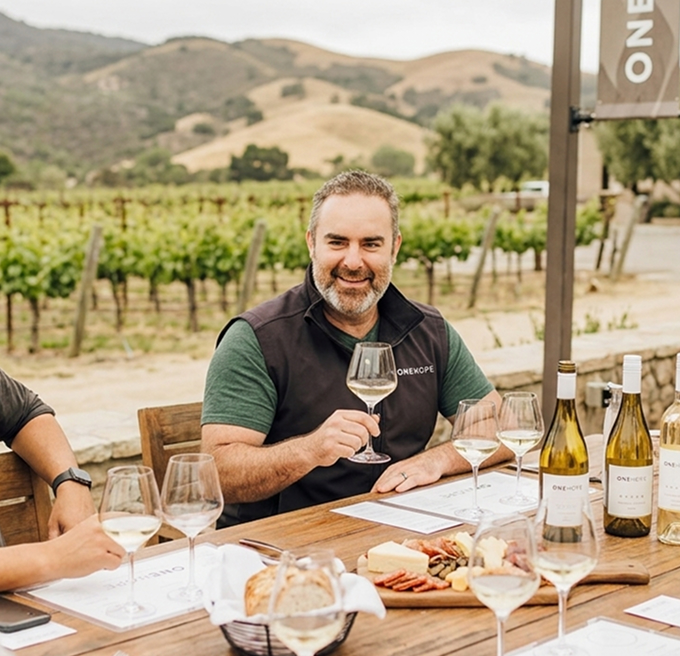
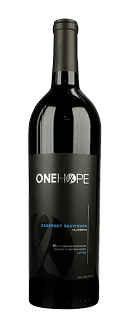
I will admit a little bias here. At Estate 8, our tastings at ONEHOPE were built for exactly this kind of traveler. The curious kind. We designed the experience around land, intention, and conversation long before worrying about pour order. It is very much my baby, and I say that with a smile. Watching guests have that quiet moment of understanding in the vineyard is why we built this place in the first place.