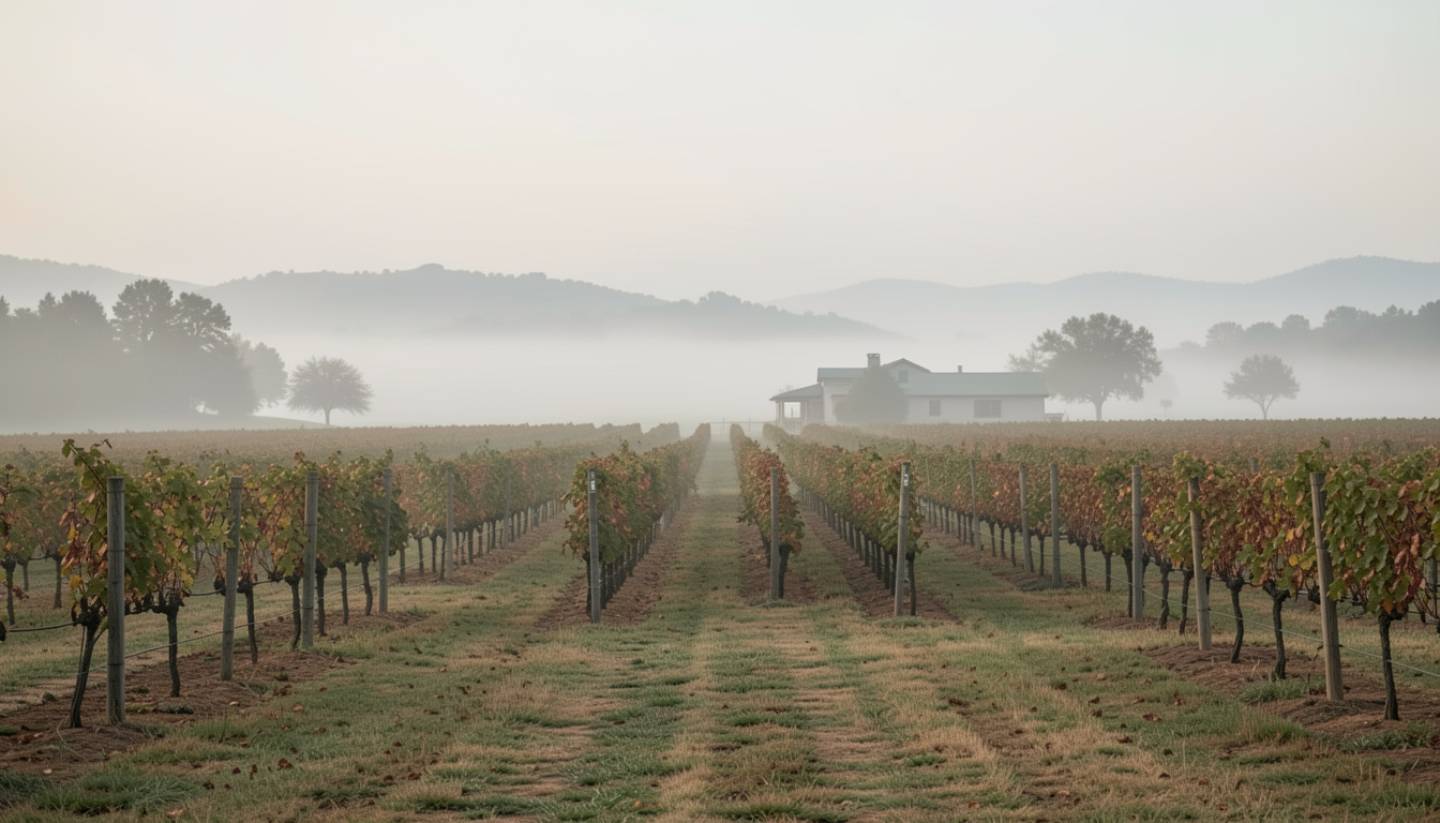
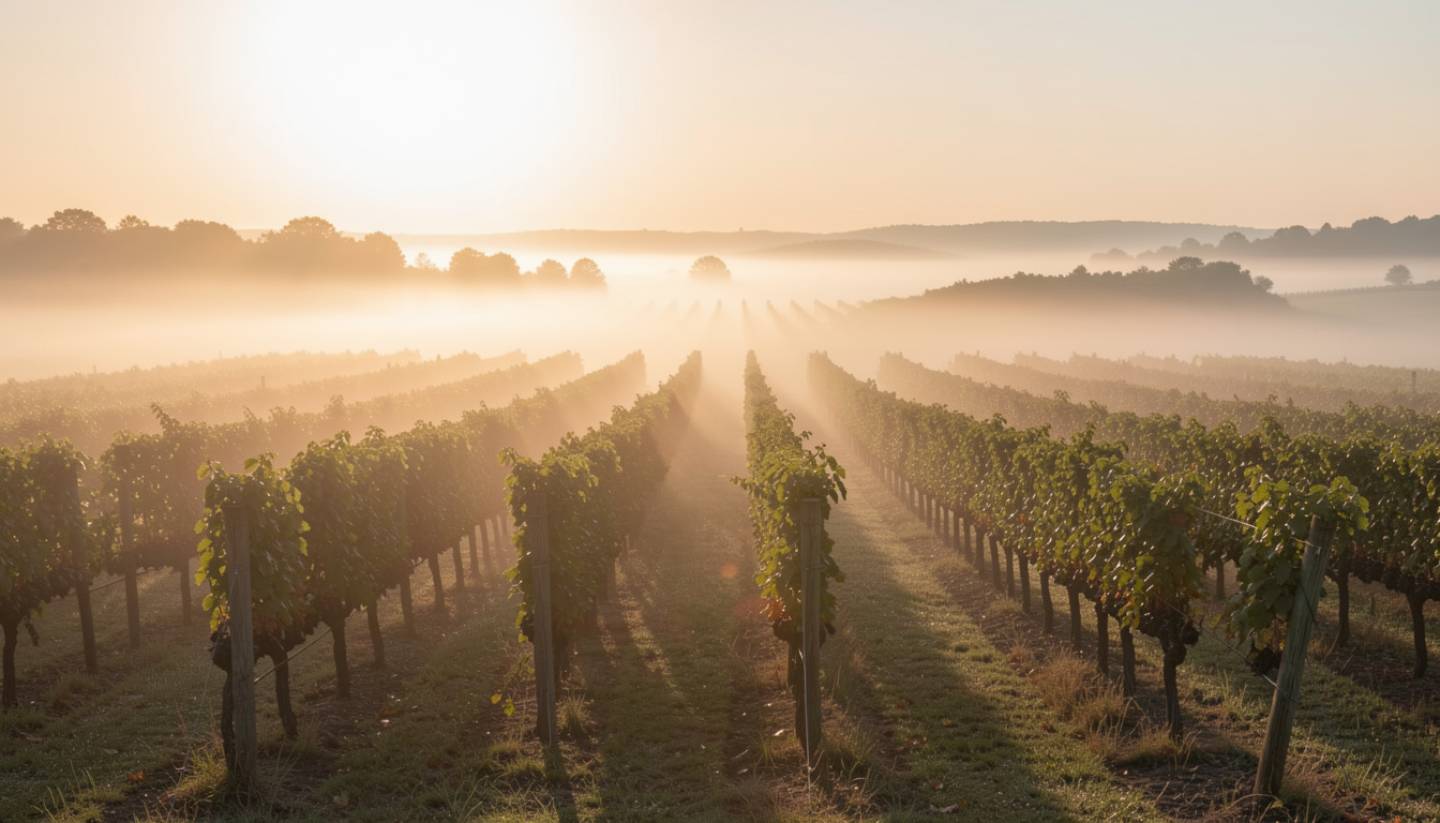
Not every meaningful moment in Napa Valley comes with a tasting flight and a receipt. Some of the best experiences here happen outside the tasting room altogether. A quiet vineyard walk. A conversation that lingers. A view that asks nothing of you except attention. When the morning fog lifts off the Rutherford benchlands, it does so without a cover charge, and it often tells a truer story of this valley than any curated flight ever could.
What This Experience Is Really About
Avoiding tasting fees is not about being frugal. It is about choosing how you want to spend your attention. Napa is more than a sequence of appointments. It is land, light, and agriculture moving at a seasonal pace. Wine is part of the story, but it does not need to be the only chapter.
When you loosen your grip on a tasting schedule, the valley opens up in quieter and more intentional ways.
When It Is Best
Midweek
brings calmer roads and more natural interactions with the people who actually work the land.
Early morning
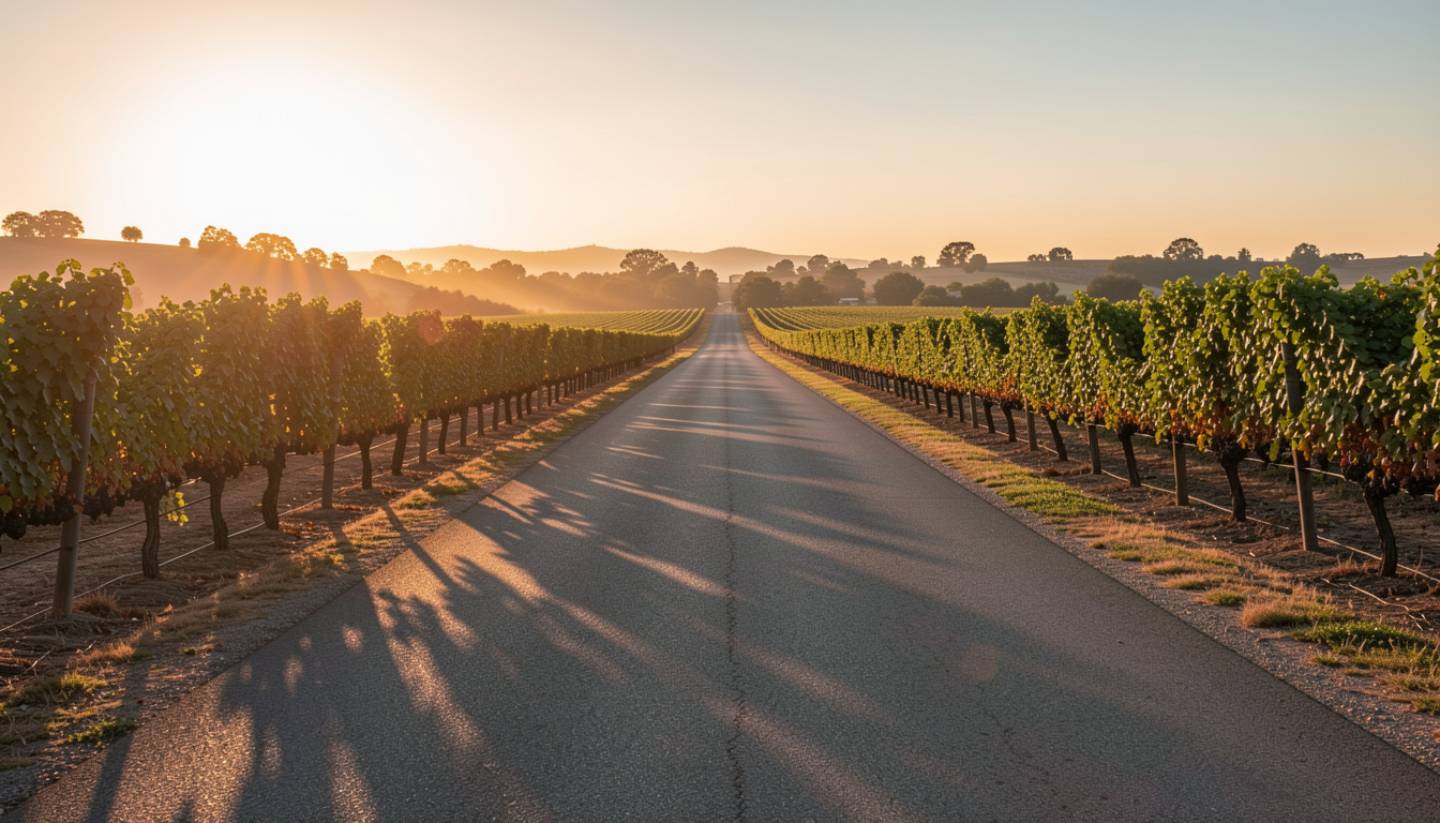
offers vineyard views before the day fills up. Aim to be on the road thirty minutes before sunrise.
Winter and mustard season
from January through March strip away pressure and color the valley in yellow. It is one of Napa’s most beautiful moments and it costs nothing to witness.
What Most Visitors Miss
Many visitors feel they need to justify a Napa trip by stacking three or four paid appointments. In reality, the most rewarding experiences are often the ones between the stops.
Walking a vineyard edge. Sitting at a quiet pullout along the St. Helena Highway. Watching light move across the Mayacamas. These moments teach you more about Rutherford Dust and valley rhythm than a rushed pour ever will.
My Local Notes
Some of my favorite Napa days involve no reservations at all. I grab a coffee, drive Silverado Trail with the windows down, and pull over near Yountville Cross Road when the light hits the vines just right.
Once, years ago, I spent an entire afternoon walking rows with a grower who never poured a single glass. We talked about weather, pruning decisions, and the way fog behaves differently from block to block. I left understanding Napa far better than I would have after hopping from tasting bar to tasting bar.
Ways to Experience Napa Without Tasting Fees
Walk the Land
The Napa Valley Vine Trail offers miles of paved paths through the heart of the valley. You can smell the earth, see the vines up close, and move at your own pace without a reservation.
Drive the Quiet Corridors
Skip Highway 29. Silverado Trail, Oakville backroads, and the edges of Rutherford deliver uninterrupted views and a slower rhythm.
Let Food Lead
Places like Oxbow Public Market in downtown Napa or small bakeries in St. Helena anchor you in the valley’s culinary culture for the price of a pastry or sandwich.
Choose One Flagship Stop
If you do decide to taste, choose one meaningful experience rather than four forgettable ones. One thoughtful stop often carries the day.
Where to Spend Time Instead of Money
Scenic pullouts overlooking the Stags Leap District or the Carneros hills.
Public winery grounds and gardens that welcome walking.
Historic stone wineries visible from public roads that hint at Napa’s nineteenth century roots.
Quiet cafés and markets that invite lingering instead of turnover.
If You Only Have One Hour
Pick a single stretch of Silverado Trail and drive it slowly. Stop once. Sit quietly. Let the light on the Mayacamas show itself without an agenda.
If You Have a Full Day
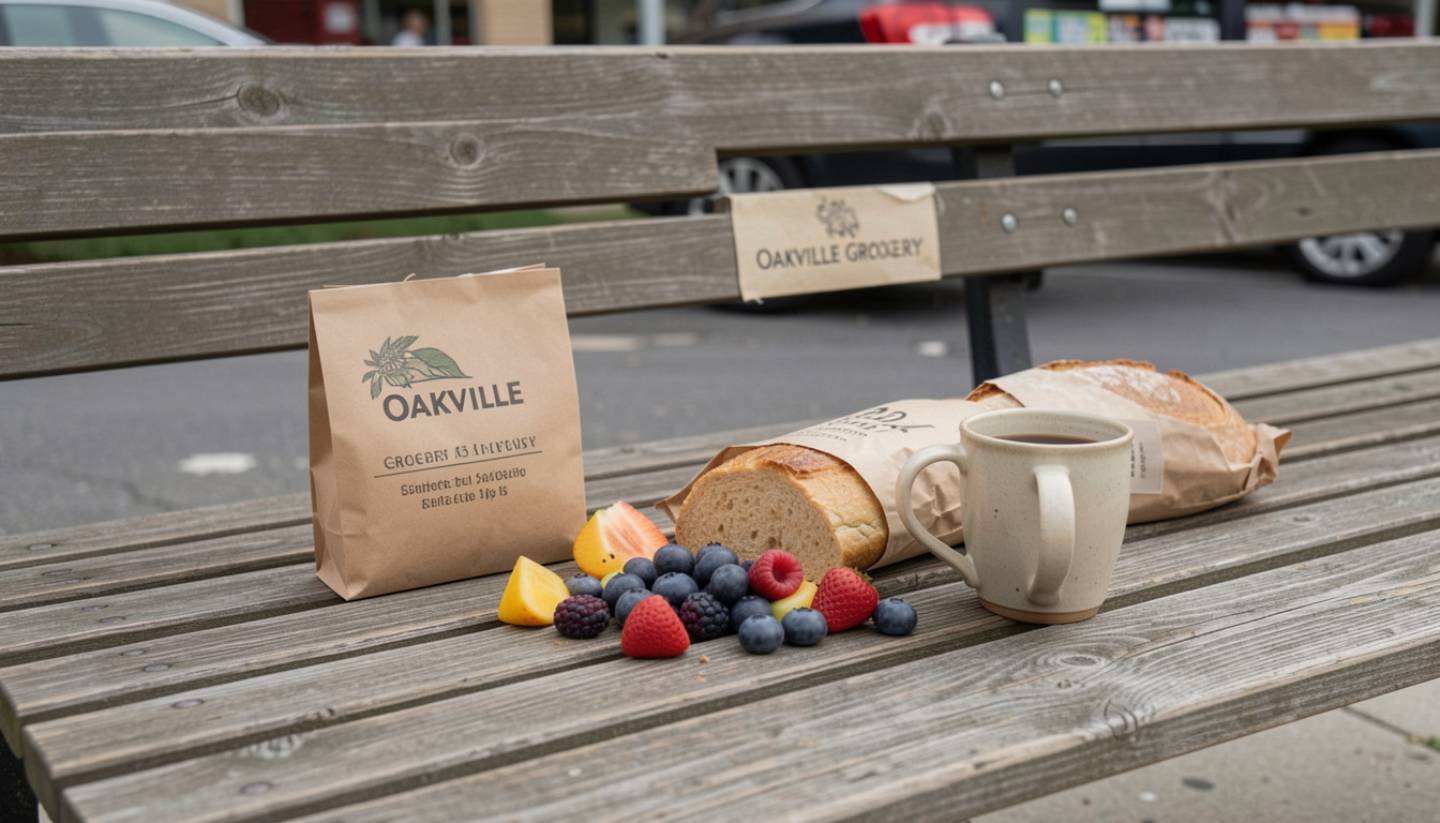
Start early with a walk on the Vine Trail. Pick up provisions at Oakville Grocery. Spend midday driving Rutherford backroads. End with golden hour light at a public overlook instead of a final tasting appointment.
A Gentle Personal Note
I will admit a little bias here. Estate 8 was designed so that even without a glass in hand, you still feel connected to the land. Wide sightlines, open air, and room to slow down were intentional choices. It is my passion project, so take that for what it is. I truly believe the best part of Napa is often the part that asks you to simply be present.
Small Histories
Before reservation systems and tasting fees, Napa was a working agricultural valley. Wine was shared after the work was done, often poured casually at a kitchen table. Experiencing Napa without structured tastings is not skipping the point. It is returning to the way the valley once unfolded.