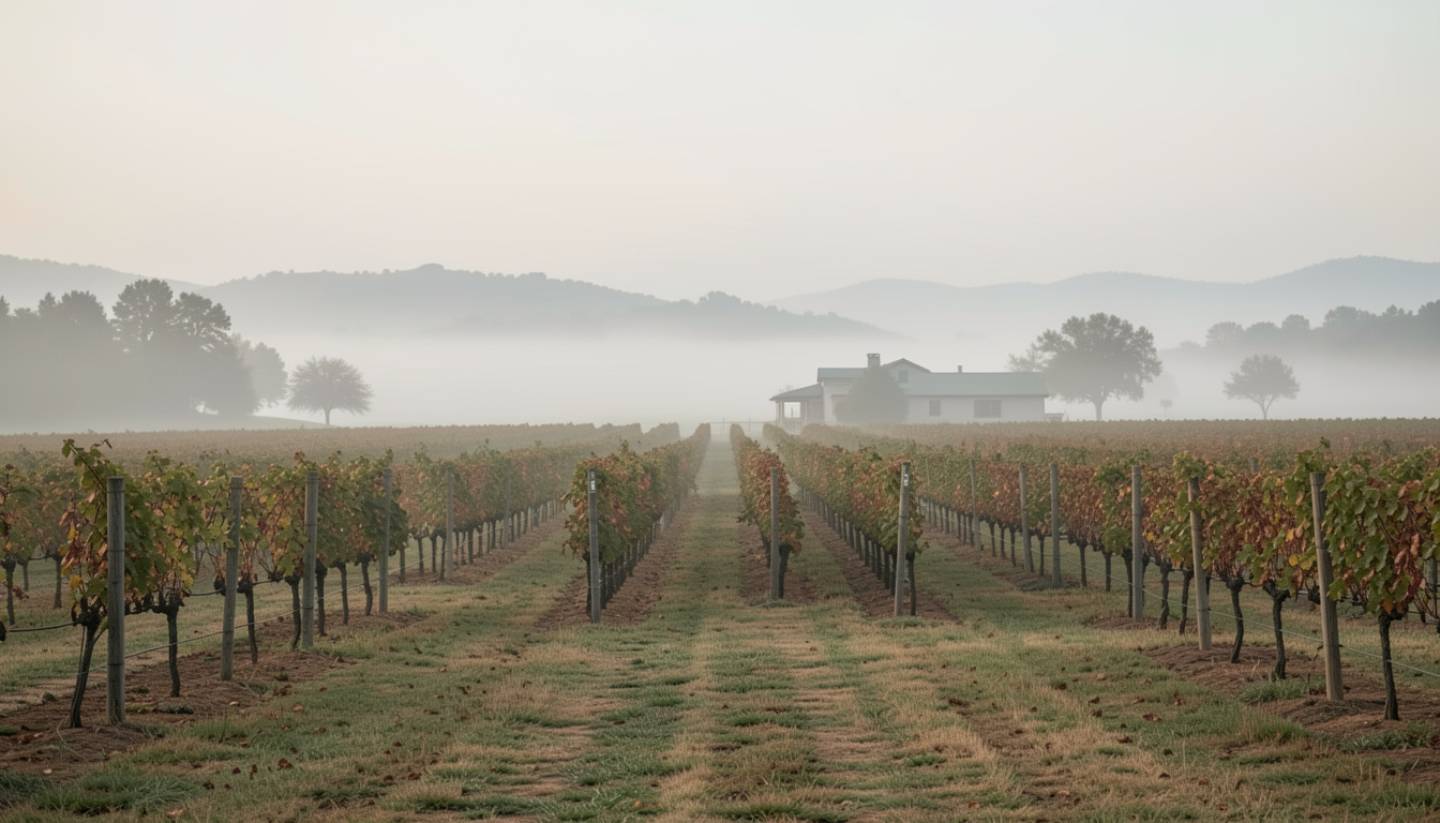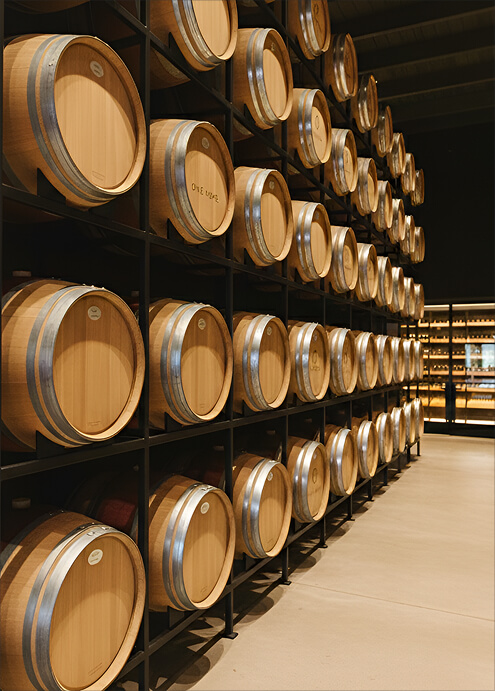
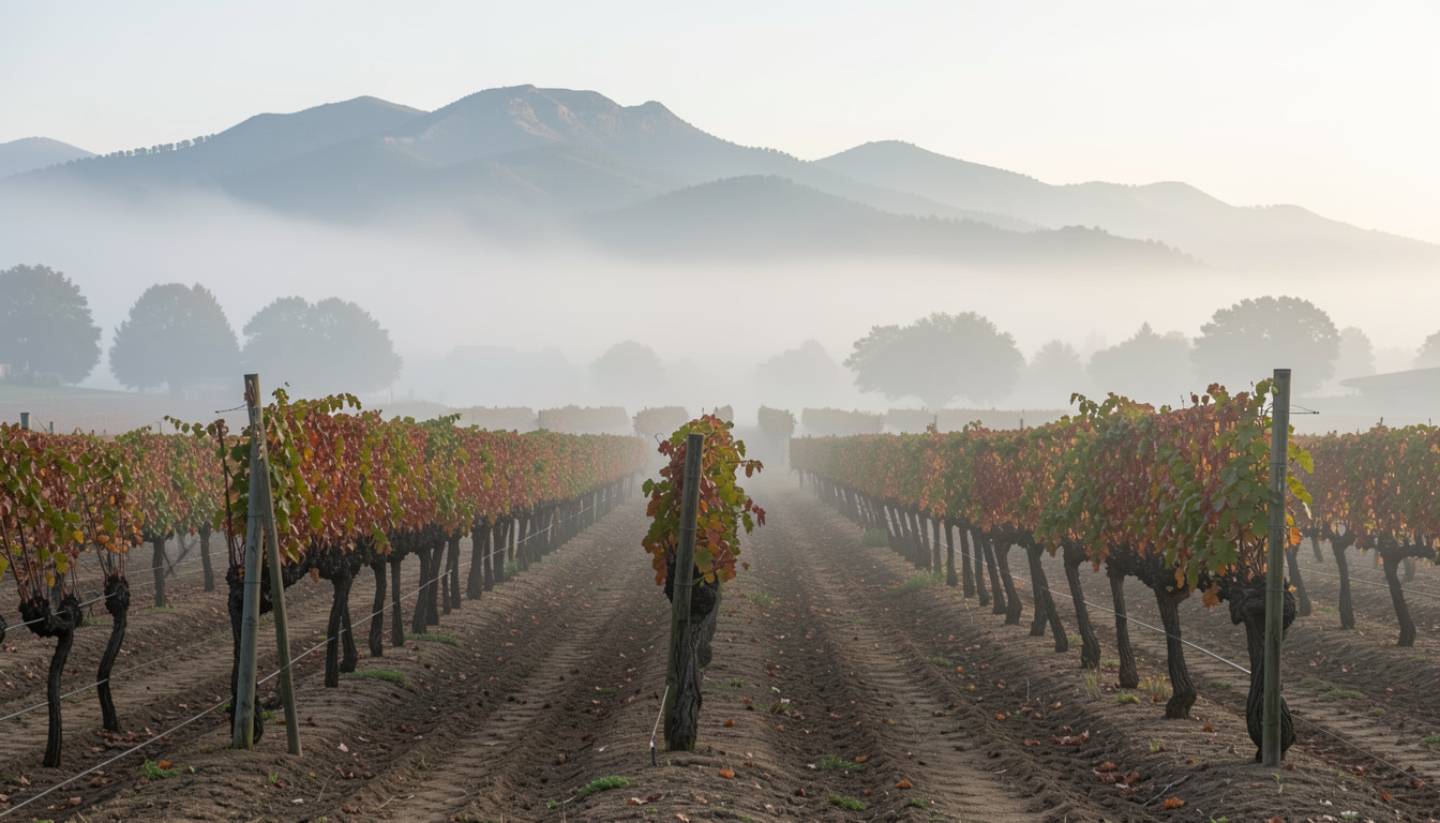
If you listen closely, Napa Valley tells its story quietly. It speaks through gravity flow stone walls that have held a century of harvests, and through head trained old vines that follow the land instead of fighting it. You hear it in the way fog moves through the Rutherford benchlands at dawn, the same way it did long before the Paris tasting ever put us on the map. For travelers who care about where wine came from, not just how it tastes, Napa rewards patience.
What This Experience Is Really About
Wine history in Napa is not found on plaques alone. It lives in the soil. It shows up in where vines were planted, which hillsides were trusted, and how growers learned to work with heat, fog, and Rutherford Dust long before anyone talked about branding or scores.
Understanding Napa history means understanding restraint. Progress here has always come slowly, season by season, vintage by vintage.
When It Is Best
Early morning
reveals the agricultural rhythm before the valley shifts into visitor mode.
Midweek
brings quieter roads and more space for unhurried observation and conversation.
Winter
strips Napa back to its bones. Bare vines, cool stone cellars, and the smell of damp earth tell the story clearly.
What Most Visitors Miss
Many visitors head straight for modern architectural wineries without realizing Napa was built behind barns and oak trees. The truest stories are not scripted. They are embedded in gravity flow designs, uneven vine spacing, and vineyards that predate modern efficiency.
If you slow down, the land does most of the teaching.
My Local Notes
Some of my clearest Napa memories come from walking vineyards with growers who never mentioned scores. They talked about frost years, dry farming, and which blocks struggled during heat spikes.
Years ago, near Oakville Cross Road, I spent an afternoon listening to a grower explain why a block planted decades earlier still outperformed newer clones. No bottle was opened. I left understanding the valley far better than I ever had after a full day of tastings.
Where to Experience Napa Wine History
Rutherford benchlands
where early growers learned how alluvial soils shape Cabernet.
St. Helena
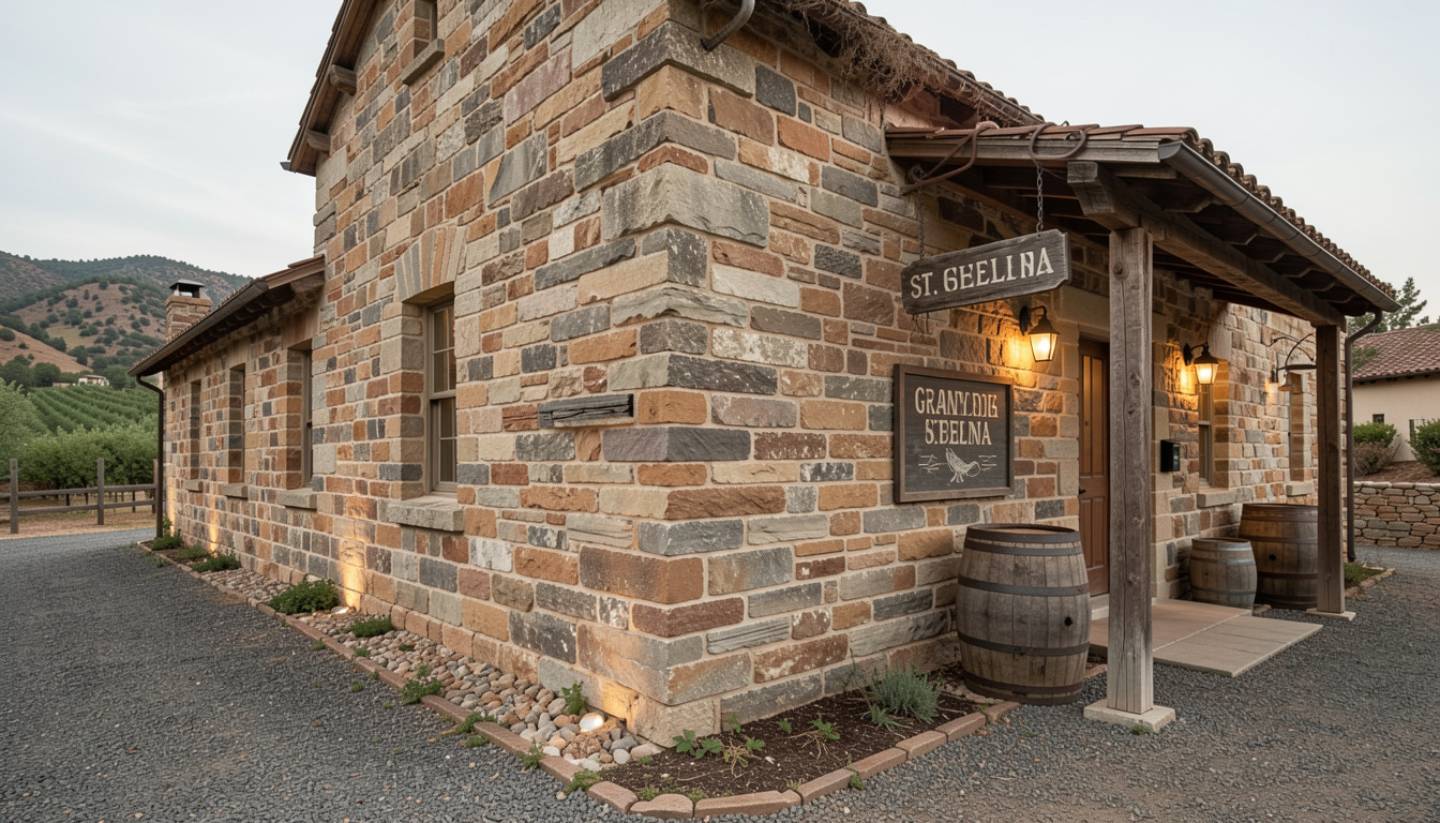
for historic stone wineries and the valley’s early commercial backbone.
Oakville
to see how vineyard placement evolved alongside reputation.
Calistoga
for pockets of old vine Zinfandel near the base of Mt. St. Helena.
North Silverado Trail
where the valley narrows and history feels more intimate.
Let geography guide you rather than popularity.
Old Vines as Living Records
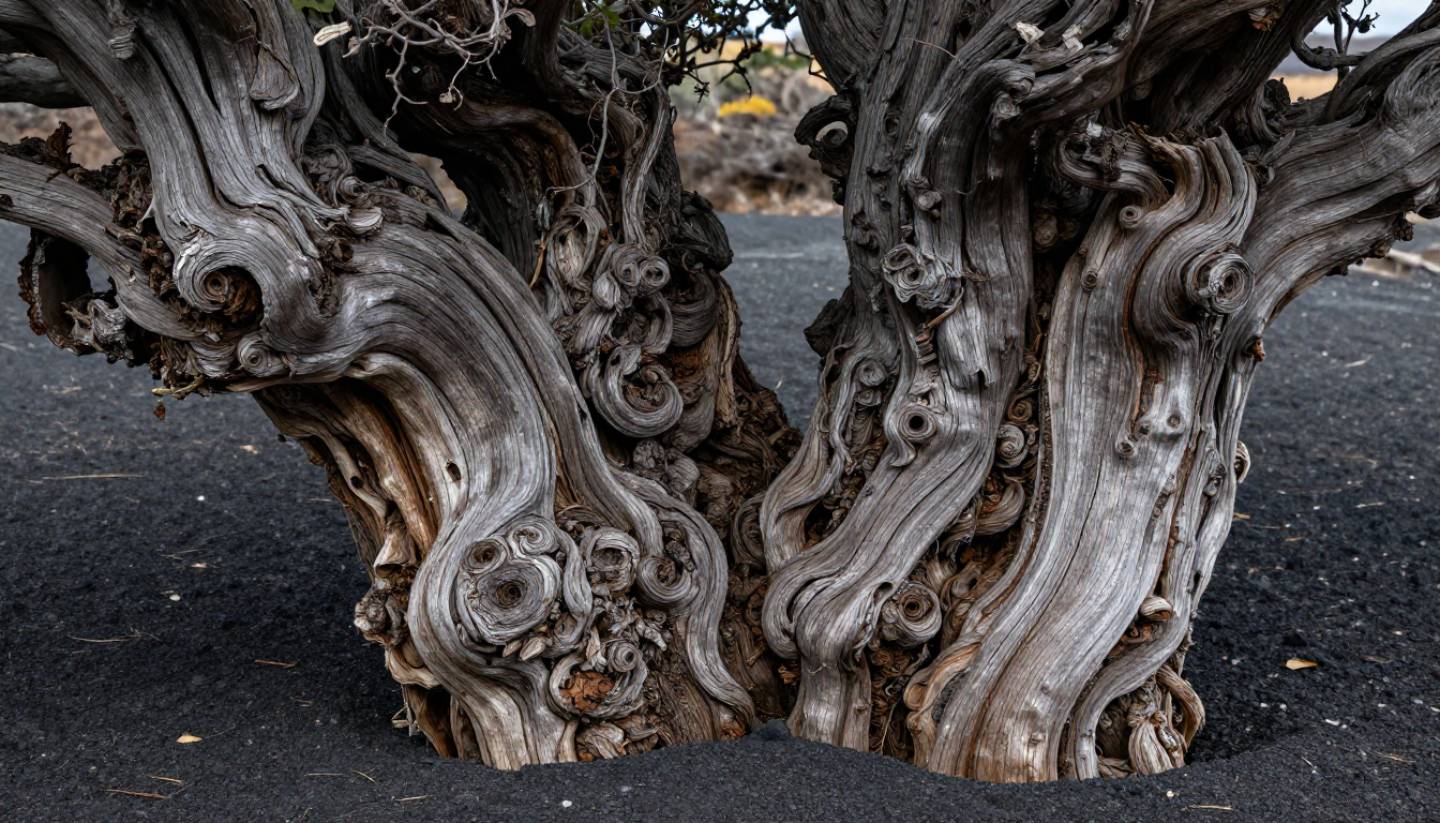
Old vines are Napa’s living documents. Lower yields. Deeper roots. Wines shaped more by season than technique. You can spot them by thick trunks, uneven rows, and a sense that the vineyard grew organically rather than by blueprint.
These vines survived Prohibition, phylloxera, and fashion. That matters.
If You Only Have One Hour
Drive the stretch between Oakville and St. Helena slowly. Pull over safely near a historic property. Walk the vineyard edge and notice how older plantings differ from newer high density blocks nearby.
If You Have a Full Day
Start early in Rutherford or Stags Leap to see how soil and exposure change block by block. Anchor lunch in St. Helena, the valley’s historic main street. Spend the afternoon exploring one legacy property or cave system. End the day watching light fall across old vines near Calistoga instead of rushing to another appointment.
A Gentle Personal Note
I will admit a little bias here. Estate 8 sits on ground shaped by decades of farming decisions. Spending time there without a glass in hand often teaches more than a tasting ever could. It is a passion project rooted in respect for the growers who came before. Napa history is best felt under your feet, not rushed across a bar.
Small Histories
Before Napa became a global name, it was a patchwork of families experimenting with what worked. Some choices failed. Others endured. Wine history here is not a straight line. It is a series of lessons written into the soil.