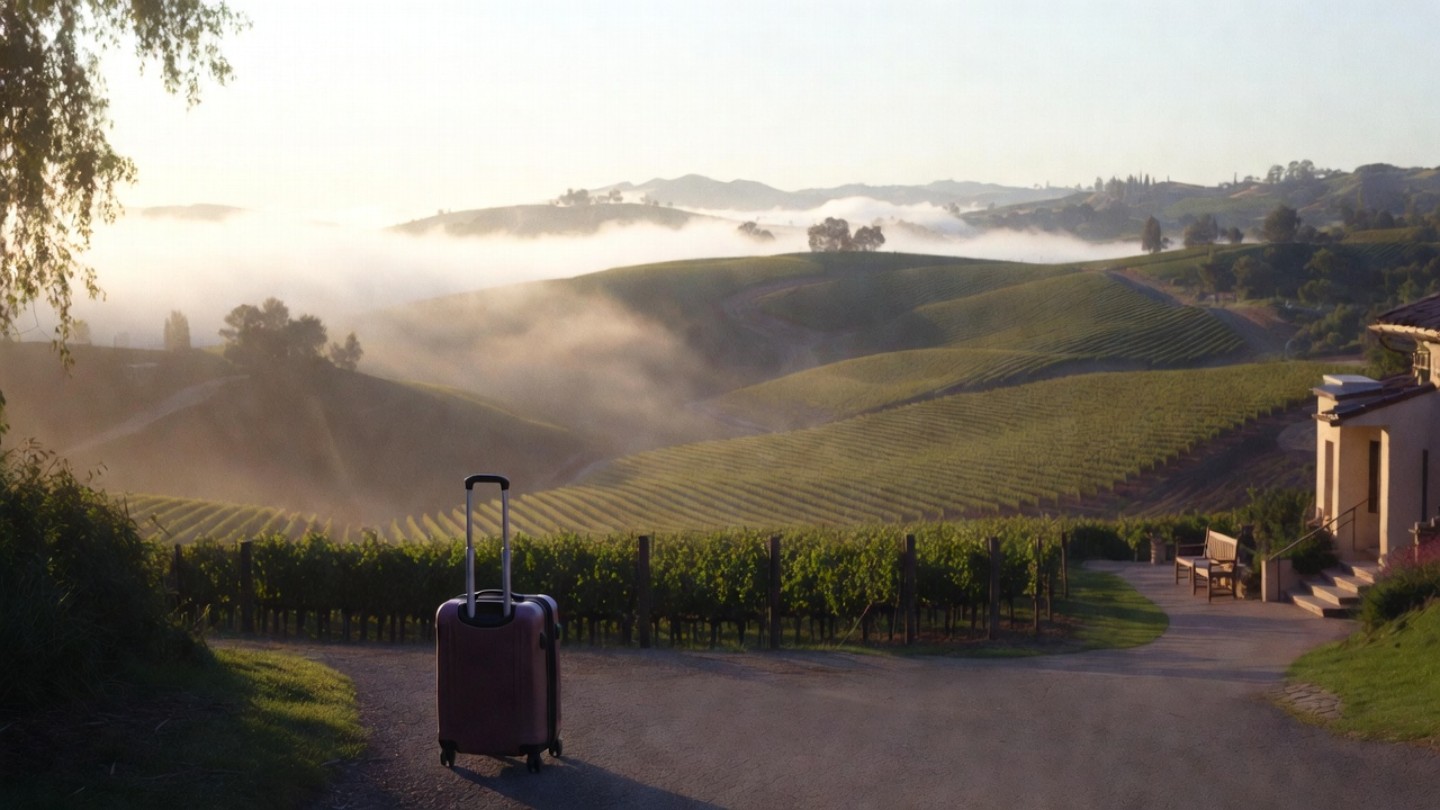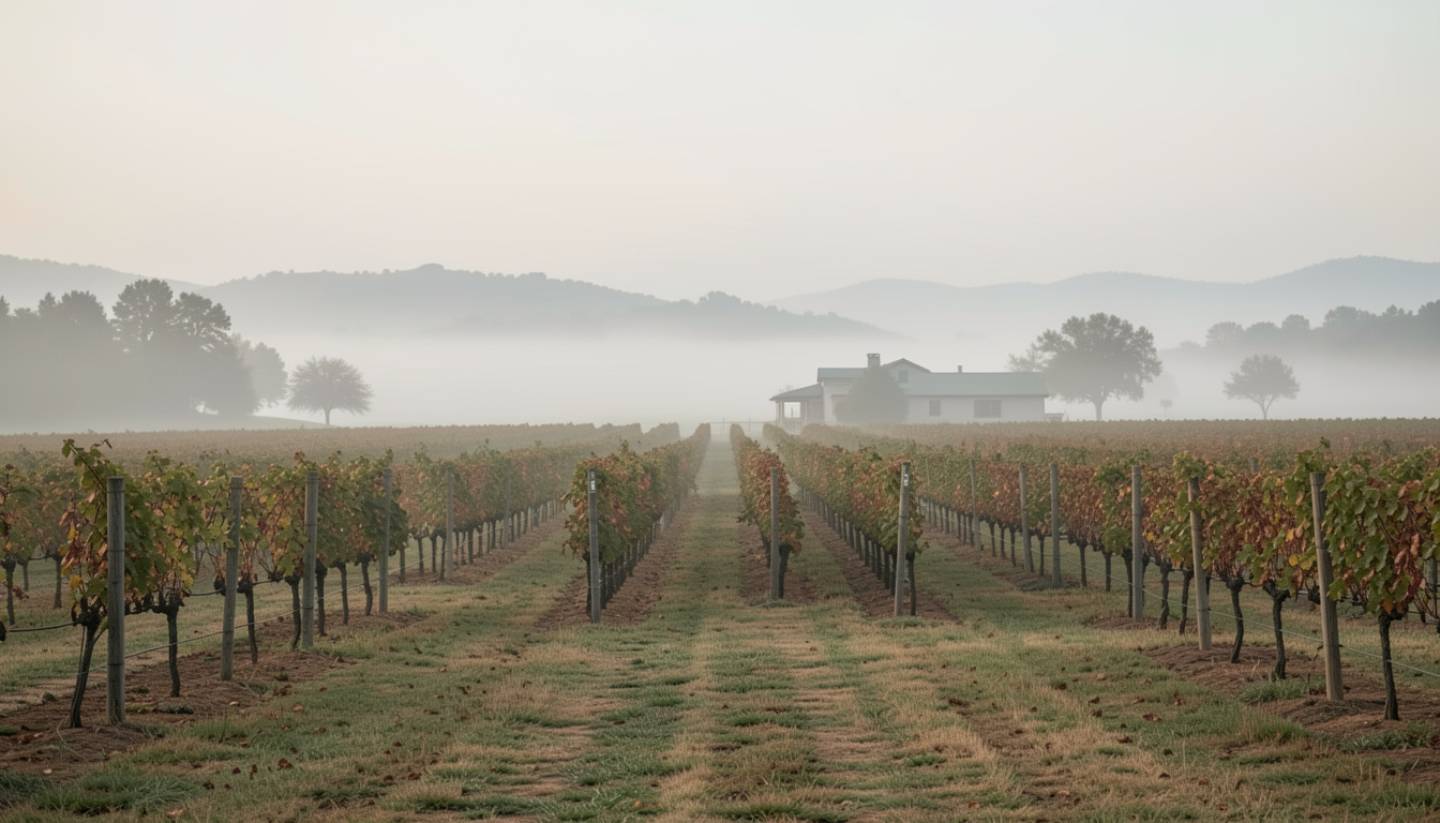
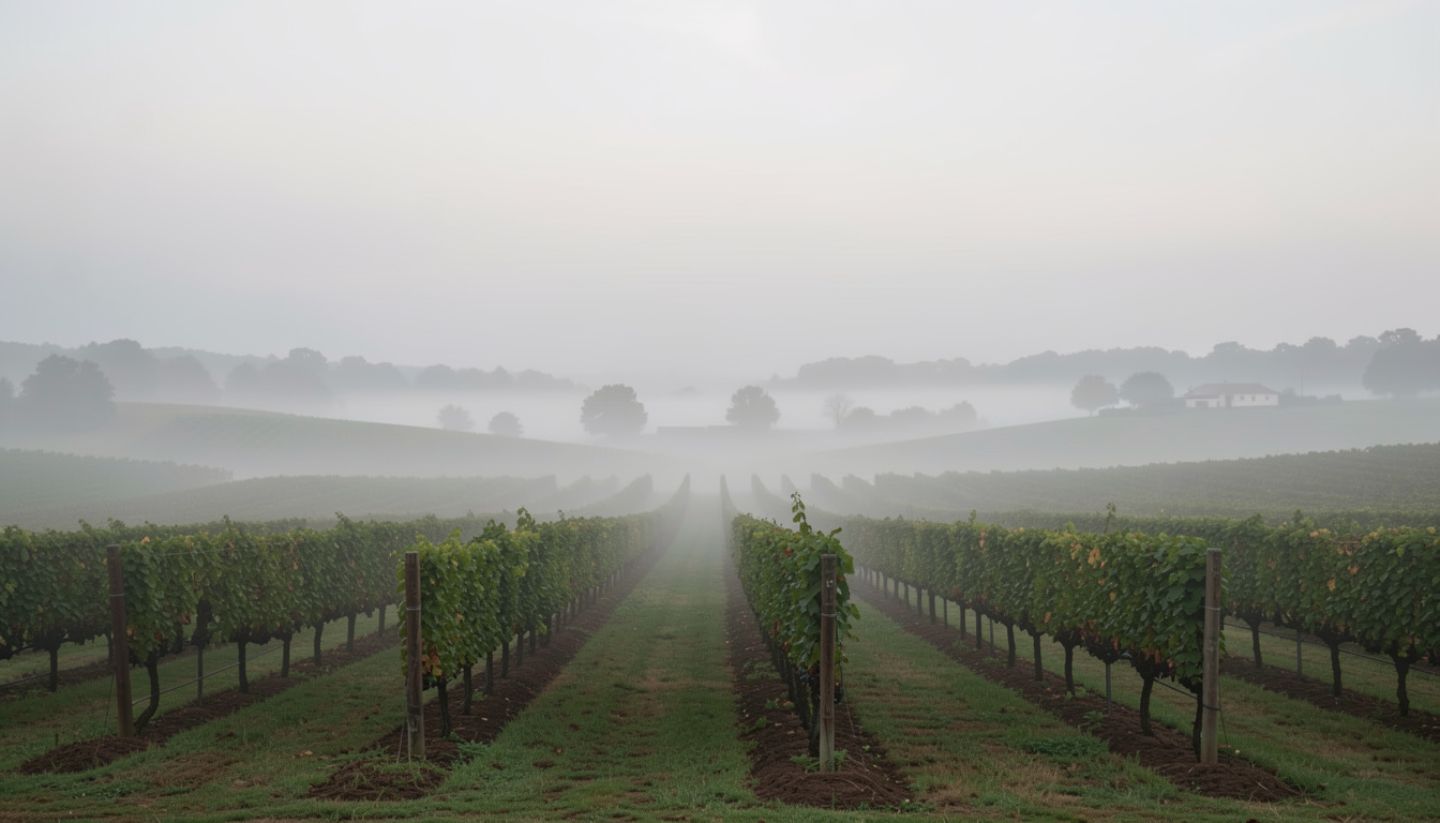
There are places that entertain you, and places that give you room to hear yourself think. Napa Valley belongs firmly in the second category. Creativity here does not arrive in flashes. It unfolds slowly, shaped by morning fog lifting off the Rutherford benchlands, long stretches of quiet, and a landscape that asks nothing of you except attention. For writers, artists, founders, and anyone craving mental white space, Napa offers a kind of retreat that feels grounded, not performative.
What This Experience Is Really About
A creative retreat in Napa is not about productivity systems or filling notebooks on demand. It is about removing friction. Fewer decisions. Fewer interruptions. More space between thoughts. The valley provides a natural structure without pressure. Mornings invite focus as light warms the vines. Afternoons loosen things up. Evenings settle gently as the hills fall into shadow.
Ideas tend to arrive here because you stop chasing them.

When It Is Best
Midweek
Is essential for silence and uninterrupted flow.
Winter and shoulder seasons
Bring the most contemplative energy, with fog, fireplaces, and empty roads.
Early mornings
Offer the clearest mental space and the most honest light.
Late afternoons
Are ideal for walking, sketching, or letting ideas land without forcing them.
What Most Visitors Miss
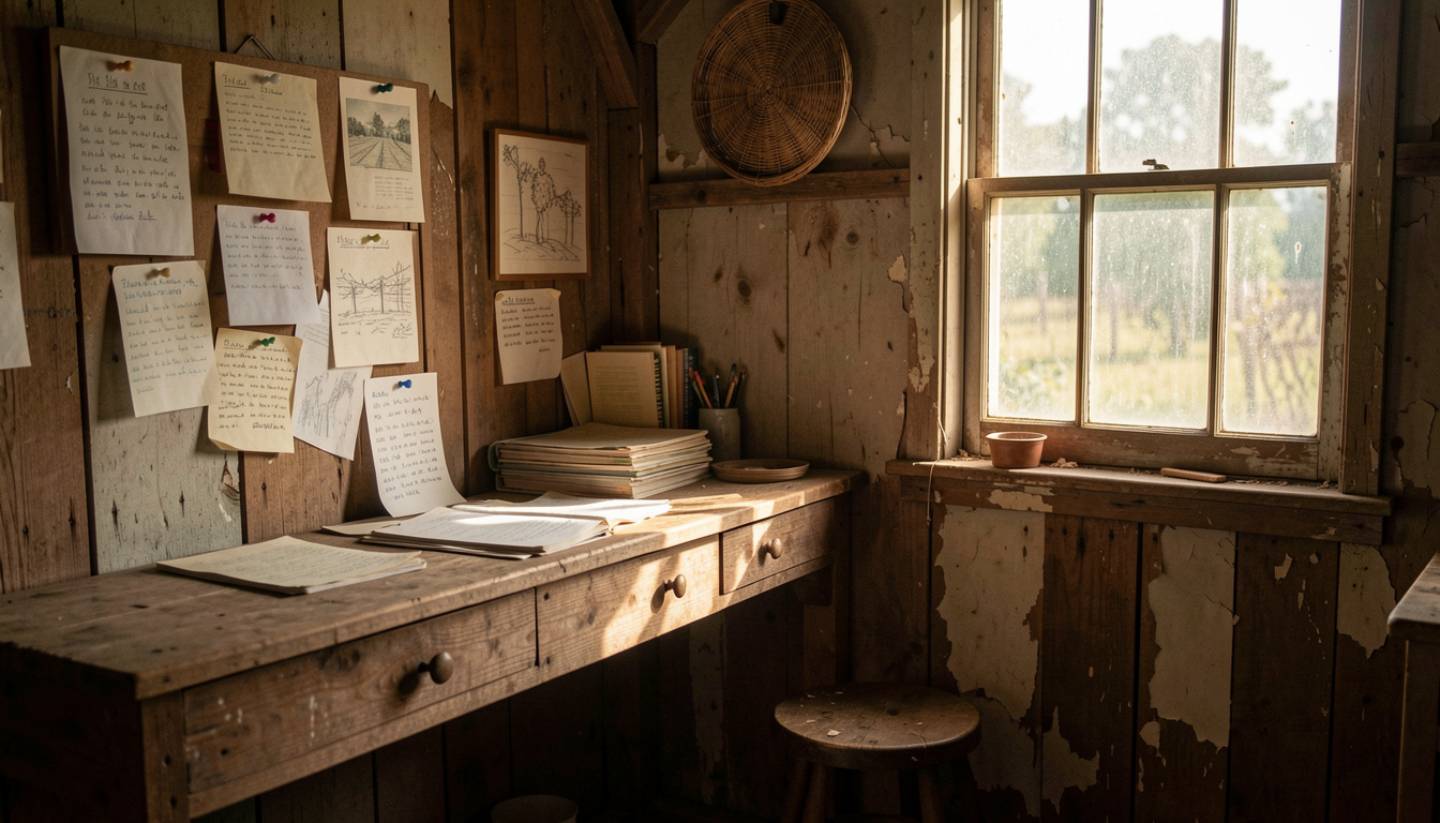
Many visitors stack Napa with reservations. For a creative retreat, stillness is the point. The most meaningful work often happens between activities. A notebook on a patio. A walk without headphones. Sitting long enough for the landscape to fade and your own thoughts to come forward.
Napa rewards those who leave room.
My Local Notes
Some of my most productive creative stretches have happened when I planned almost nothing. I remember a winter week when my only structure was a morning walk, a few hours of writing, and a late lunch once the light flattened. I stayed mostly off my phone and let the fog dictate the pace. By the end of the week, clarity showed up quietly. That is how this valley tends to work when you let it.
How to Design a Creative Retreat in Napa
Choose lodging that prioritizes quiet and natural light.
Follow the one anchor rule, one external commitment per day or none.
Do your deepest work in the morning while the valley is still.
Use afternoons for movement rather than meetings.
Keep evenings reflective and low key.



Where to Stay for Creative Focus
Small inns and vineyard adjacent boutique properties work best. Look for places with private patios, natural materials, and space to sit without being observed. Staying near the Silverado Trail corridor often provides the right balance of seclusion and access to provisions in St. Helena or Calistoga.
Creative Practices That Work Well Here
Morning writing or journaling as the fog lifts.
Sketching or photography during the transition from mist to light.
Long form thinking while walking vineyard edges.
Reading without interruption.
Single glass evenings rather than tasting flights.
A Gentle Personal Note
I will admit a little bias here. Estate 8 was designed with creative breathing room in mind. Open air, wide sightlines toward Mount St. Helena, and intentional quiet were not accidents. It is my passion project, shaped by the belief that the best ideas arrive when you stop trying to summon them. I have watched people arrive scattered and leave clearer, simply because the space allowed them to slow down.
Small Histories
Napa has always been a place of making. Before it was a destination, it was shaped by farmers, builders, and winemakers working patiently over decades. Creativity here has never been loud. It has always been cumulative, built through repetition, seasons, and trust in process. A creative retreat in Napa continues that tradition.