Feeling like a local in Napa Valley has very little to do with knowing where the “best” wineries are. It has everything to do with timing, tone, and restraint. Locals move through this valley early, quietly, and with intention. We know when to be out, when to stay put, and when the land itself is the main event. If you want to experience Napa the way the people who live here do, the goal isn’t access. It’s alignment.
What This Experience Is Really About
Locals don’t “do” Napa; we live around it. The valley is a working agricultural place first, and everything else fits around that reality. Feeling like a local means understanding that the best moments are often unscheduled. A coffee that turns into a conversation at Model Bakery. A vineyard edge you stop at because the light is hitting the Rutherford benchlands just right. A meal that lasts longer than expected. Napa reveals itself when you stop trying to extract value from it and start respecting its pace.
When It’s Best
Midweek (Tuesday–Thursday)
This is when the valley breathes and feels like itself.
Early Mornings
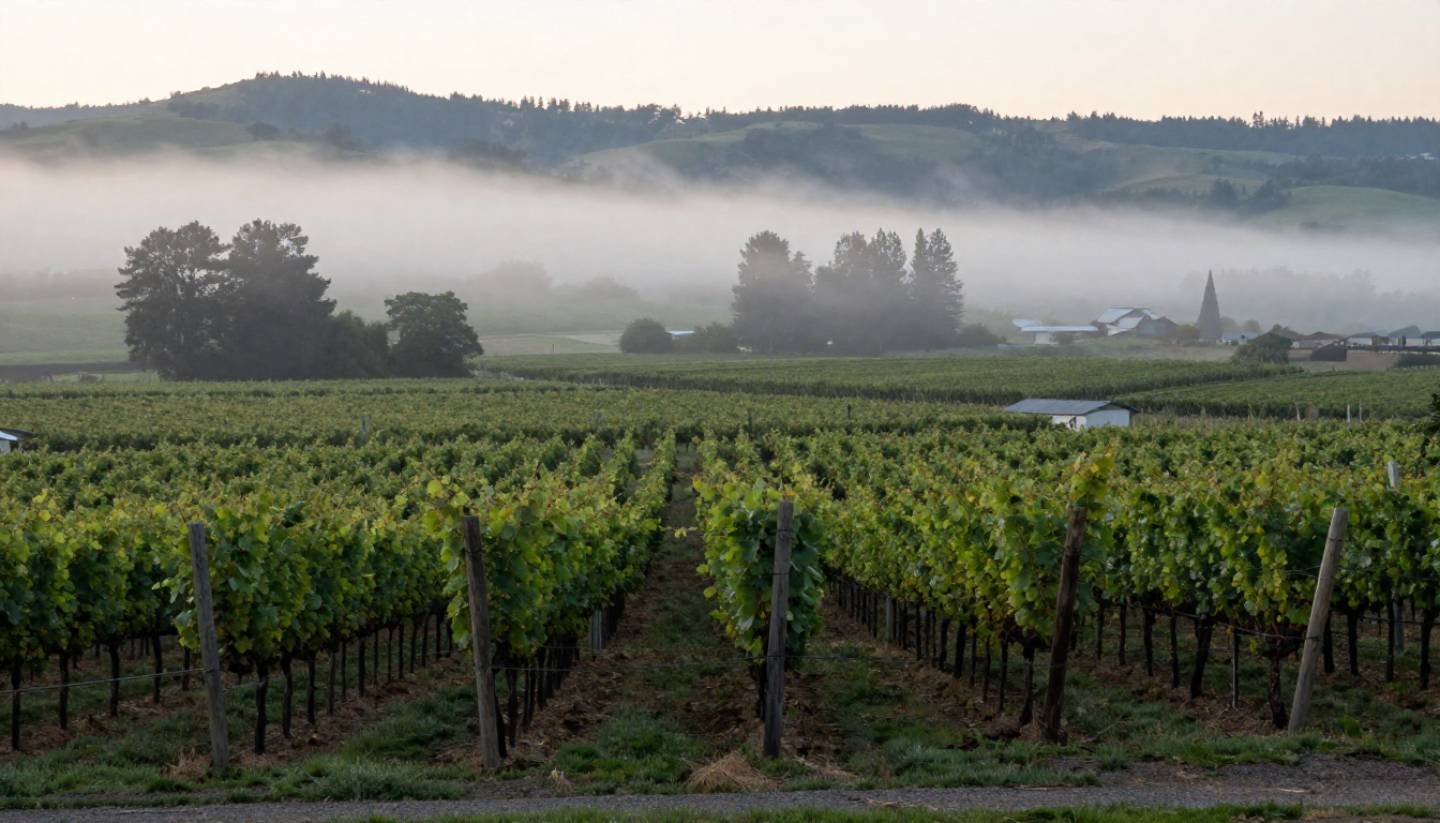
Experience the lift of the fog and real life happening before the summer rush begins.
Winter (The Quiet Season)
The most honest, unmasked version of Napa.
Late Afternoons
When the air cools and the early evening Cabernet light slows the world down.
What Most Visitors Miss
Most visitors try to conquer Napa with a checklist. Locals simply move through it. We don’t stack four appointments or chase prestige for the sake of a photo. We pick one thing and do it well. We know the valley is small, roughly 30 miles from Napa to Calistoga, so there’s no urgency. When you build space into your day, the valley fills it naturally.
My Local Notes
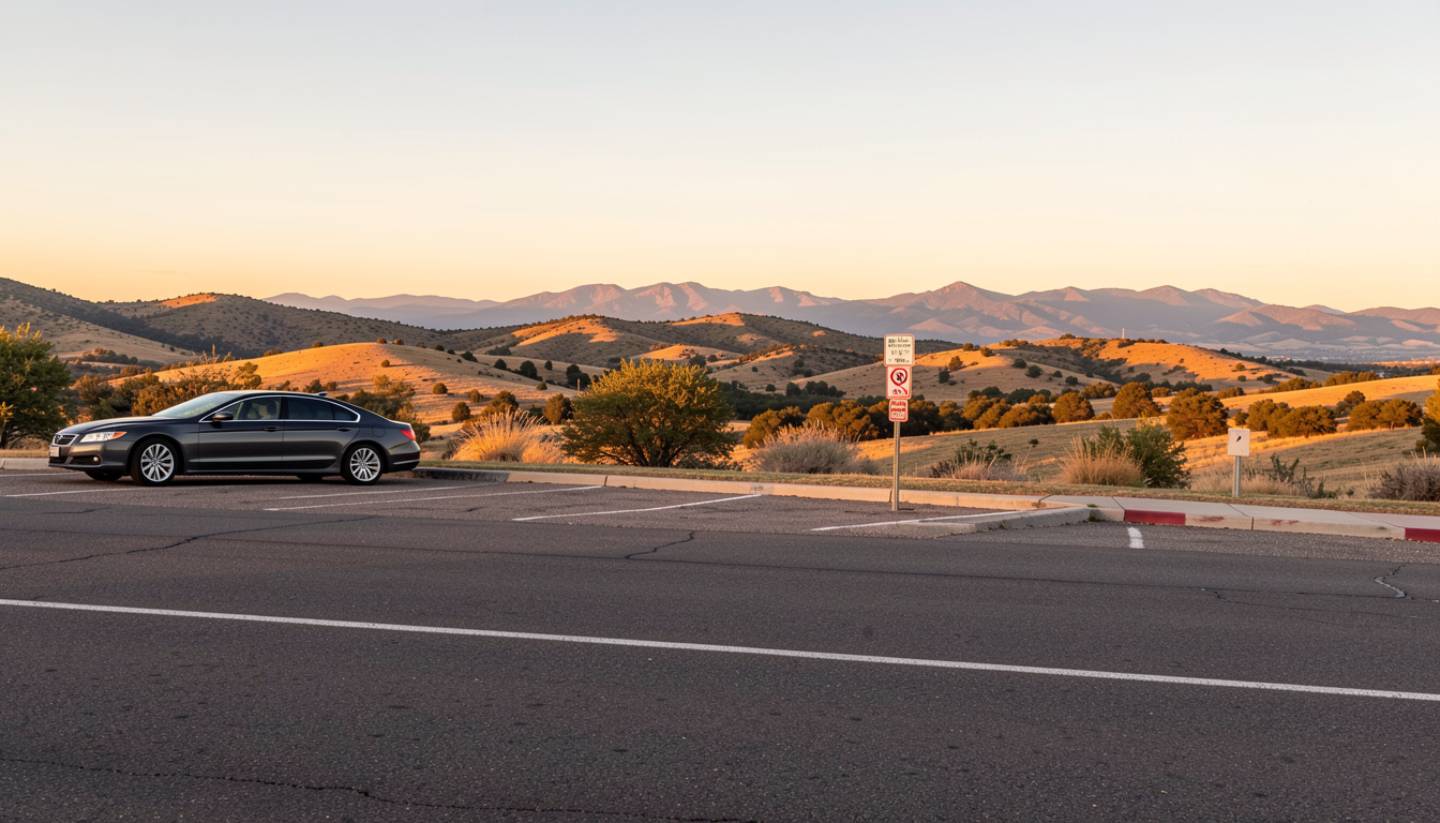
Some of my most “Napa” days wouldn’t look impressive on a travel itinerary. A walk. A drive north on the Silverado Trail. One stop that felt right. I remember pulling over near the Yountville Cross Road one morning because the fog was lifting unevenly across the vines toward the Mayacamas range. No plan, no destination. That pause taught me more about the valley than any tasting flight ever has.
How Locals Actually Spend Their Time
Mornings
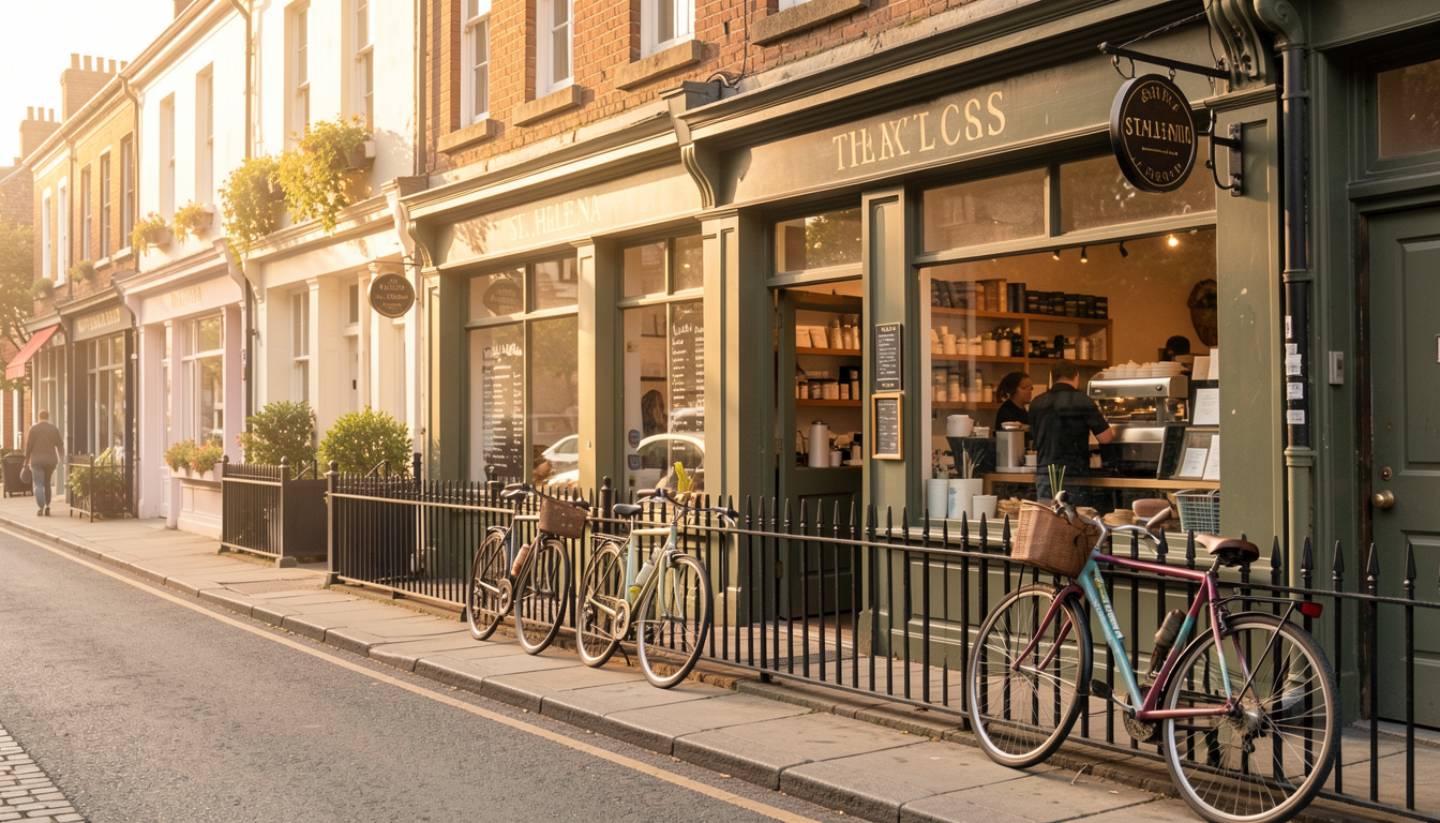
Coffee before conversation. We’re out early at places like Oxbow Public Market or a quiet spot in St. Helena, then gone before the crowds arrive.
Midday
One focused experience. A seated tasting or a long lunch at Farmstead at Long Meadow Ranch or Bistro Jeanty.
Afternoons
Back-road driving along Zinfandel Lane or Oak Knoll Avenue without an agenda.
Evenings
Early dinners, quiet nights, and protecting the next morning’s clarity.
Where You’ll Feel the Difference
Town Centers
Explore Yountville, St. Helena, and Downtown Napa on foot. Walking reveals the rhythm of the shops and the people who belong there.
Geographic Anchors
Use the Silverado Trail as your north–south spine. It offers a more agricultural perspective than the commercial Highway 29.
Smaller Settings
Seek out wineries where the person pouring understands the soil, the harvest, and the local history.
How to Plan a “Local” Napa Day
- Wake up early, even on vacation. The best light shows up around 7:00 AM.
- Choose one anchor experience, not three. Depth beats volume.
- Walk town streets before noon and watch the valley wake up.
- Follow the light. Drive north in the morning and south in the afternoon to keep the sun at your back.
Eat well, but don’t rush. A three-hour lunch is a perfectly valid use of time.
A Gentle Personal Note
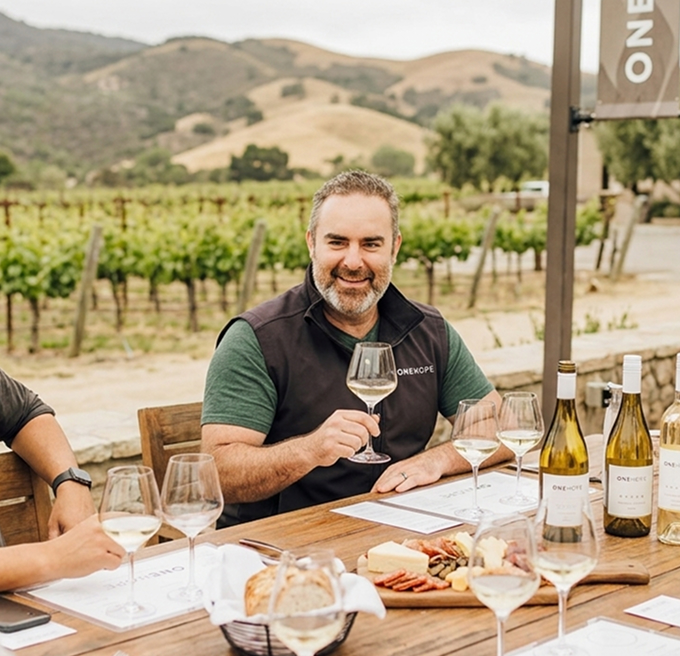
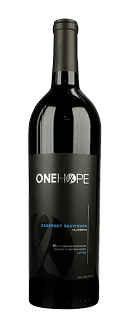
I’ll admit a little bias here. Estate 8 and ONEHOPE were shaped around this exact philosophy: open air, proportion, and space to pause. They weren’t designed to impress quickly, but to make sense slowly. It’s my passion project because it reflects how I believe Napa should feel when you arrive as yourself, not as a visitor trying to keep up.
Small Histories
Before Napa was a global destination, it was a network of families who knew each other and moved at the pace of the seasons. Feeling like a local isn’t about pretending to belong. It’s about respecting that original rhythm enough to step into it gently.