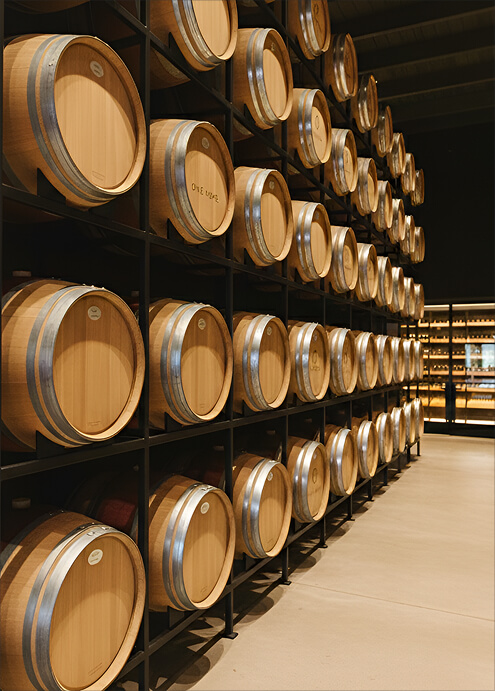
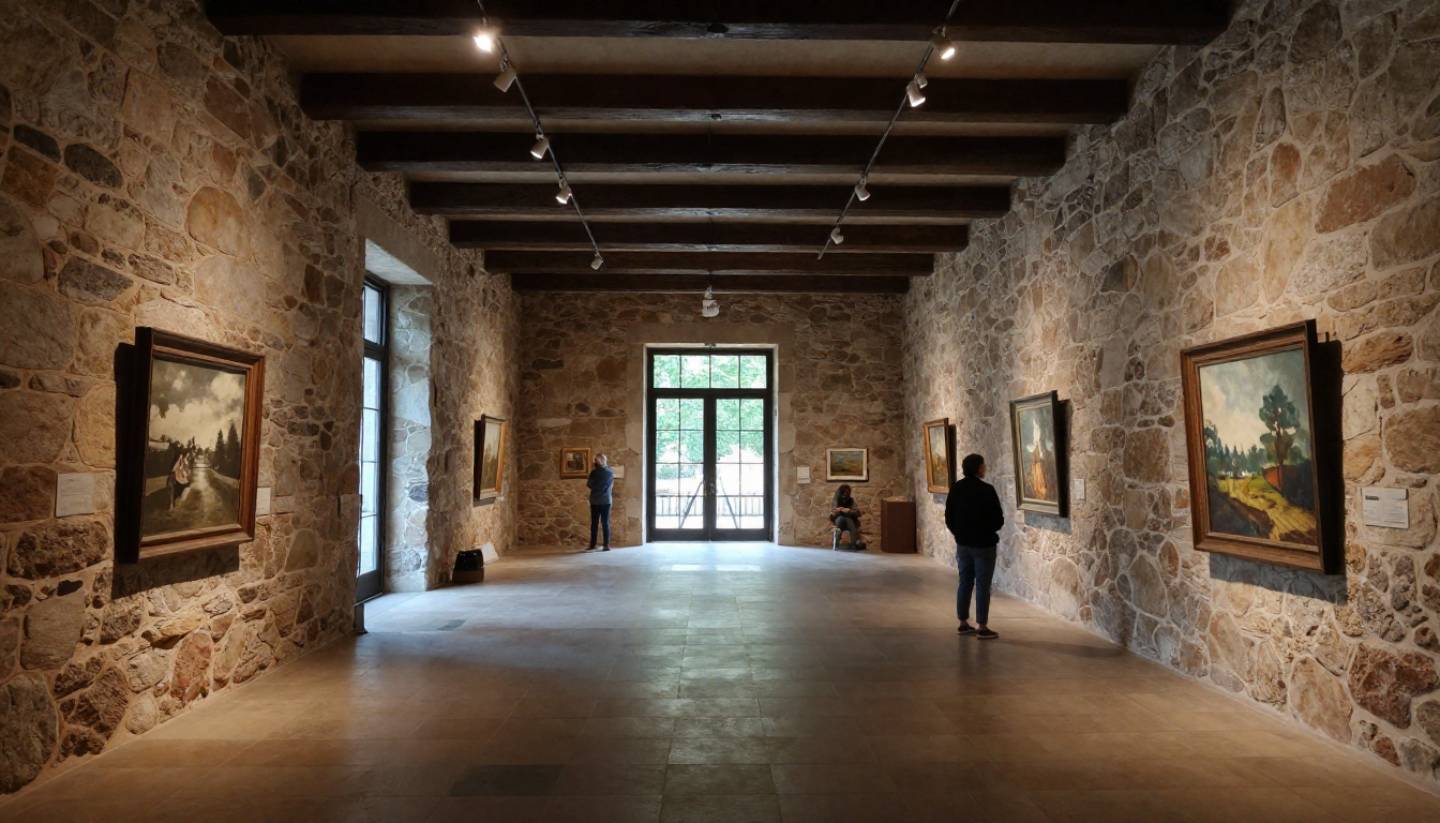
There is a quieter version of Napa Valley that reveals itself indoors. Behind thick stone walls. In rooms built for lingering. In galleries where you can hear your own footsteps and feel time slow down a notch.
It shows up in historic wineries that double as cultural landmarks, in small museums that reward patience, and in spaces where art, architecture, and agriculture overlap naturally. If you love museum hopping, Napa offers something rare. A cultura
What This Experience Is Really About
Museum hopping in Napa is about context, not volume.
Here, culture is woven into daily life rather than separated from it. You feel it in how exhibits reference land and climate, how galleries open onto vineyards or gardens, and how history is preserved without feeling staged.
Napa’s cultural spaces tend to share a few qualities:
- Rooted in place, not abstraction
- Intimate enough to feel personal
- Easy transitions between art, food, and landscape
The goal is not to see everything. It is to absorb enough that the valley feels layered instead of flat.
When It Is Best
Midweek year round
Tuesday through Thursday is the slower, truer Napa. Galleries are quiet, conversations linger, and no one rushes you along.
Winter and early spring
Cooler weather draws you indoors. Museums feel especially calm, and the valley turns reflective.
Late afternoon
This is when the light softens and architecture comes alive. Napa’s cultural spaces were built to hold that hour well.
The Walkable Cultural Core
Napa’s museums cluster naturally, connected by short drives and familiar corridors like Highway 29, Silverado Trail, and the Yountville Cross Road.
Downtown Napa
Home to food focused culture, small galleries, and walkable blocks near the river.
Yountville
Compact and intentional, with art, history, and food within a few quiet blocks.
St. Helena
Stone buildings, legacy estates, and the kind of small histories you notice only when you slow down.
Museums and Cultural Stops Worth Visiting
di Rosa Center for Contemporary Art
Located along the Carneros Highway, di Rosa blends contemporary art with protected wetlands and open land. The experience invites wandering rather than formal viewing.
Napa Valley Museum
Just past the Yountville Cross Road, this compact museum focuses on regional art, rotating exhibitions, and Napa’s cultural history. Easy to pair with a long lunch nearby.
The Hess Collection
A winding drive up Mount Veeder leads to a private art collection housed inside a historic stone winery. The shift from valley floor to hillside sets the tone before you even step inside.
CIA at Copia
More than a culinary school, Copia connects food, art, and storytelling through exhibits and gardens. It sits just east of downtown Napa near the Oxbow district.
Inglenook
Beyond wine, Inglenook’s museum and grounds offer a timeless look at Napa’s nineteenth century roots. The sense of continuity here is tangible.

What Most Visitors Miss
Many visitors assume culture lives only inside designated museums.
What they miss is how often:
- Art lives inside wineries
- History lives inside architecture
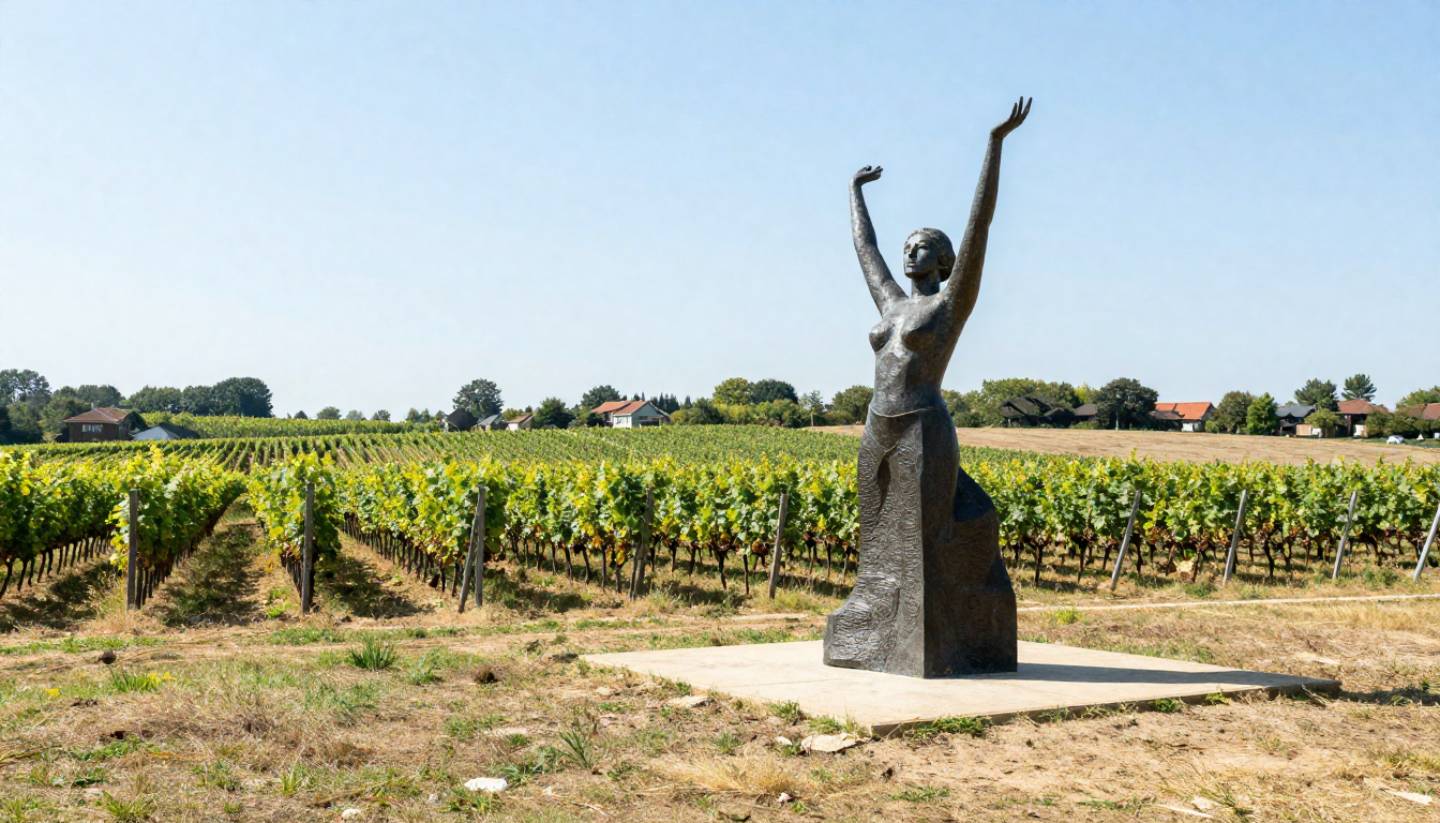
- Sculpture appears between vine rows
Estates like Hall St. Helena or Sterling integrate significant art collections into the tasting experience. Napa culture is layered quietly, not labeled loudly.
My Local Notes
Some of my favorite Napa afternoons begin outdoors and end inside. After a long morning in the vines, stepping into a cool gallery or stone cellar resets the senses in a way nothing else does.
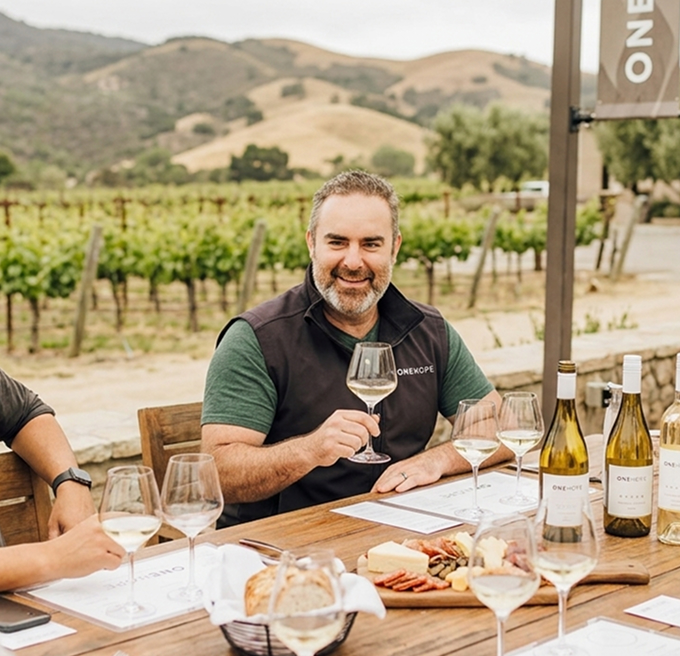
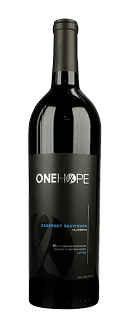
When we were shaping Estate 8, we spent a lot of time thinking about how people move through space and why some rooms invite lingering. ONEHOPE grew from that same curiosity about connection. I am admittedly biased. Estate 8 is my purpose driven baby. But the moments guests stay longest are rarely about wine. They happen when people feel invited to slow down, look closer, and take something in.
A Gentle Museum Hopping Itinerary
Day One
Arrive mid afternoon in Yountville. Visit the Napa Valley Museum. Quiet dinner nearby. Early night.
Day Two
Morning at di Rosa in the Carneros hills. Lunch at Oxbow Public Market. Afternoon at Copia. Optional single tasting before dinner.
Day Three
Head north toward St. Helena for Inglenook or a hillside stop like The Hess Collection. Leave before you feel finished. That lingering feeling is the point.
Where to Eat Between Museums
Museum days pair best with places that let you linger:
- Cafes with natural light
- Bakeries comfortable with people watching
- Restaurants that welcome long lunches
Food should support the rhythm of the day, not interrupt it.
How to Make It Memorable
- Choose fewer stops than you think
- Read wall text slowly
- Sit when seating is offered
- Let conversations drift
Napa museums reward presence.