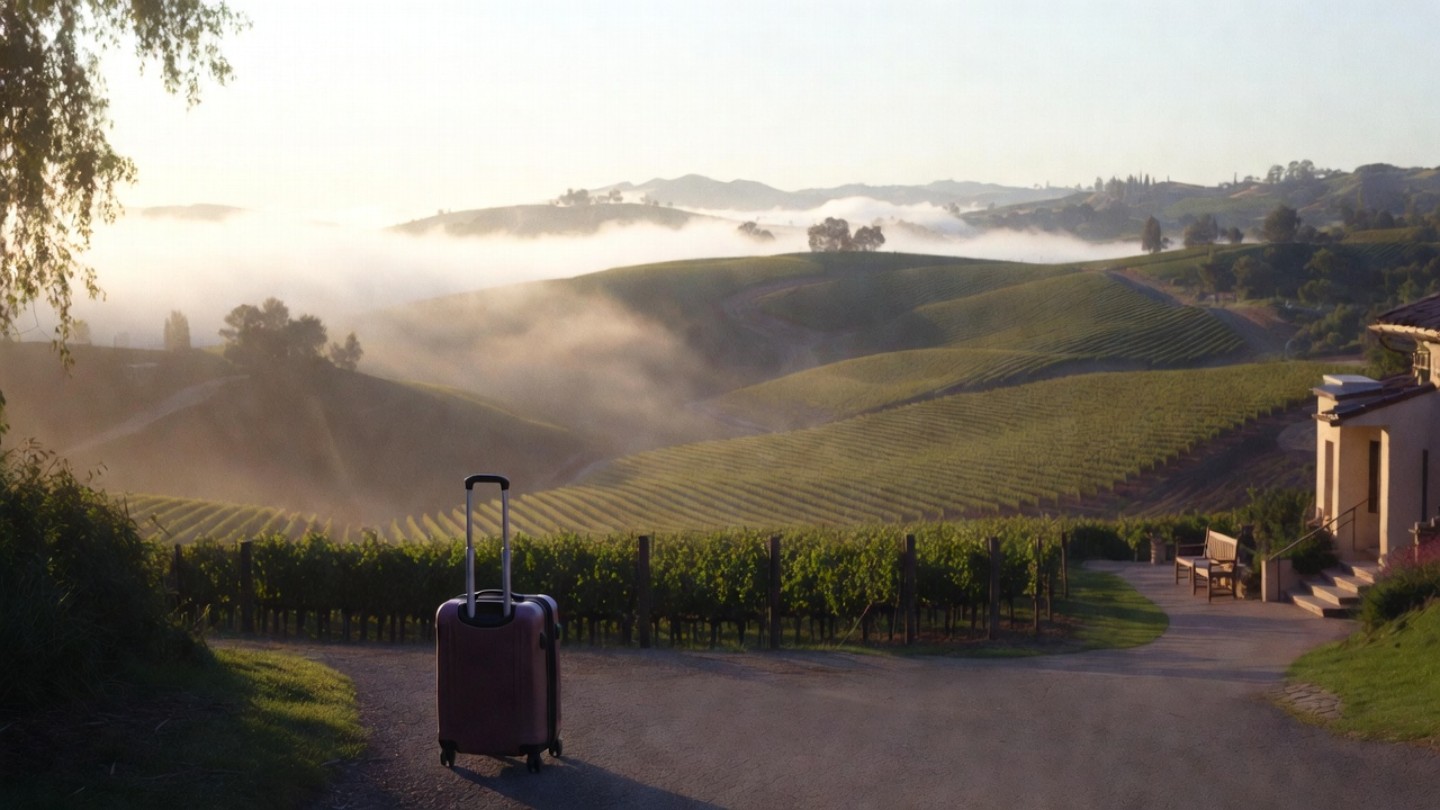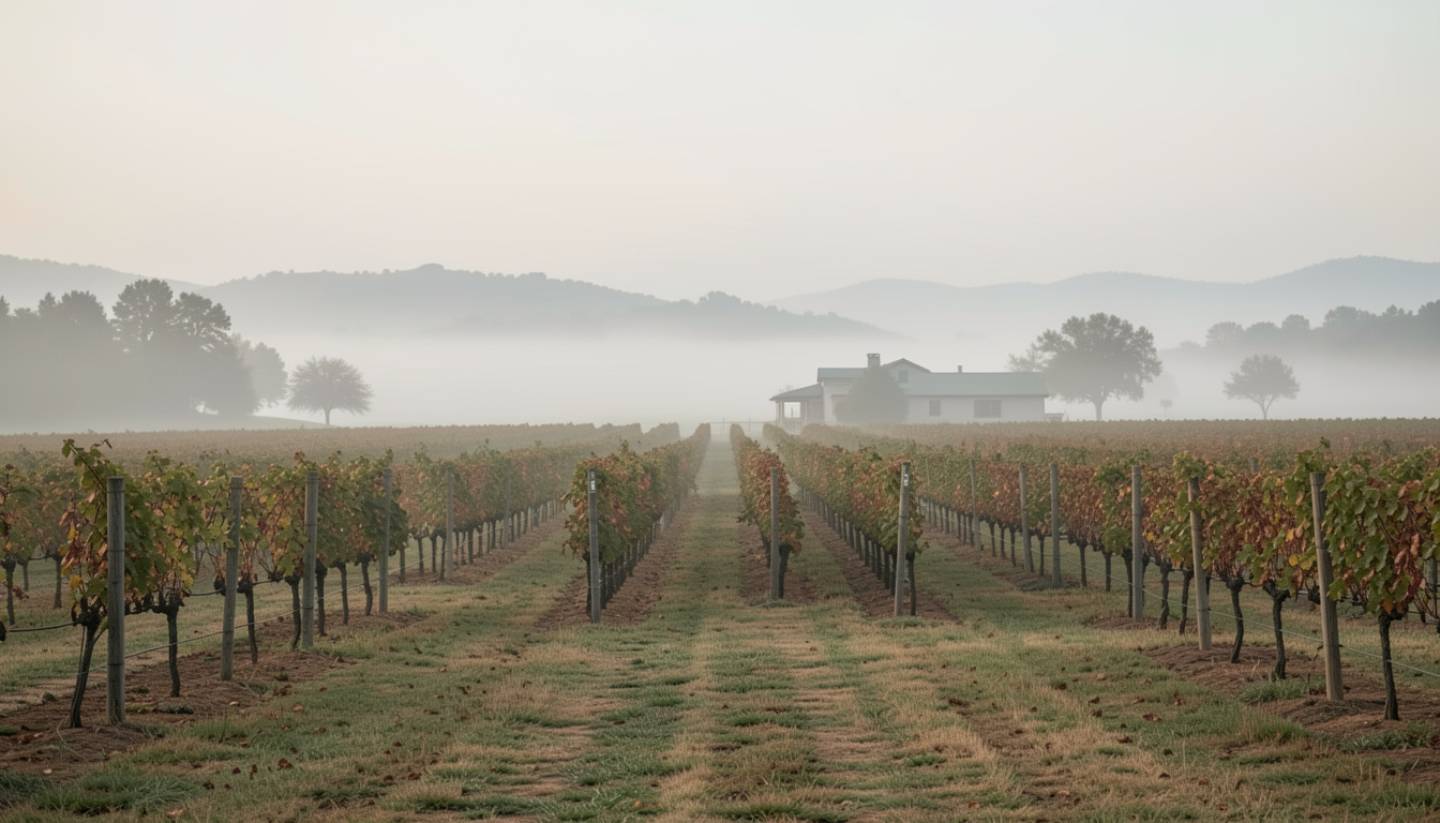
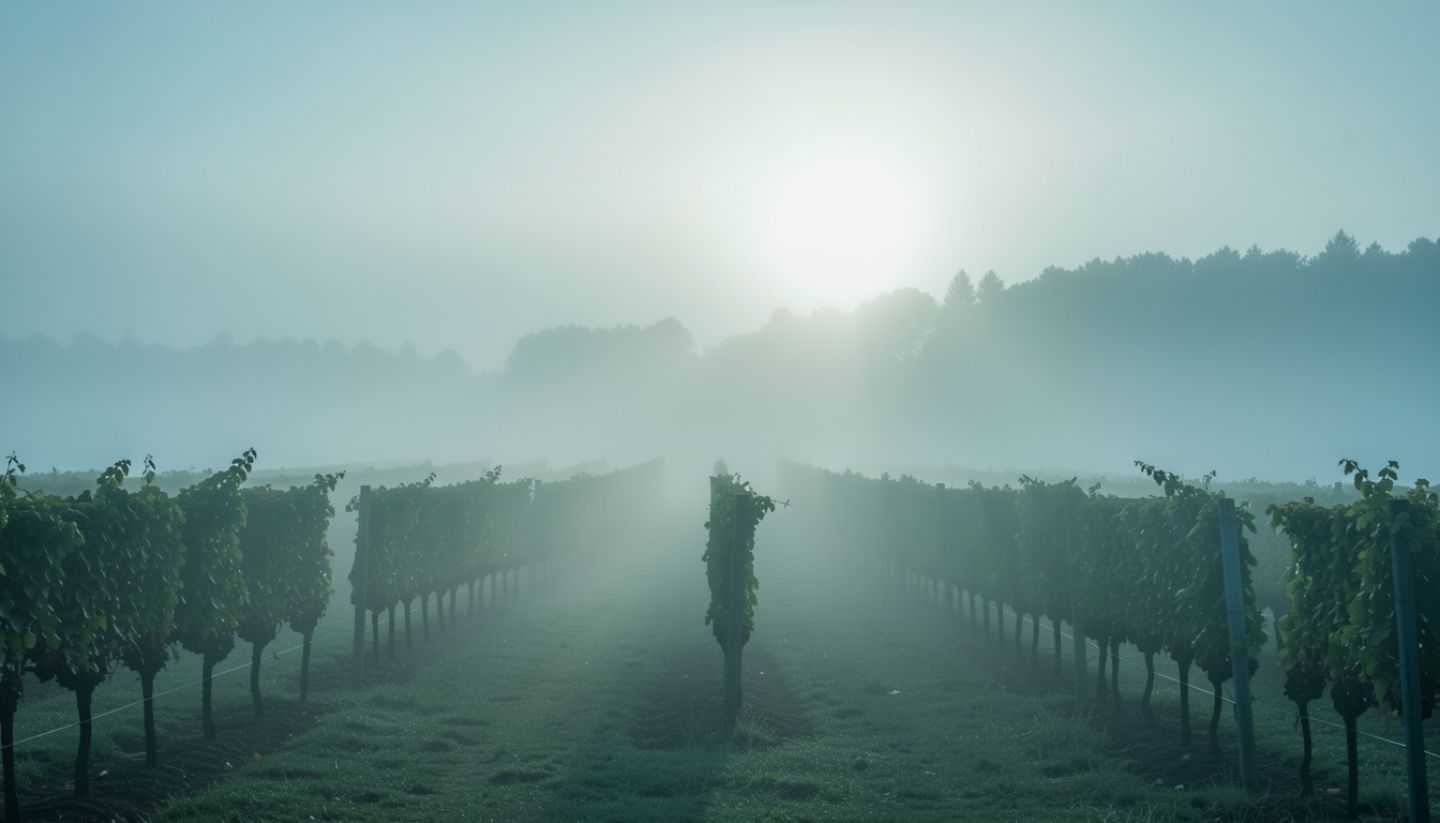
There is a cooler, quieter side of Napa Valley that reveals itself early in the day and along the edges. Fog settles into low pockets. Breezes move steadily in from San Pablo Bay. Vineyards wake later and ripen more slowly.
If you love cool-climate wines, Napa does not announce itself loudly. It asks you to notice elevation, exposure, and timing. To pay attention to where acidity is preserved, alcohol stays in check, and wines speak more about season and structure than power.
What This Experience Is Really About
Cool-climate wine travel in Napa is about precision and patience.
These wines are shaped by forces that are not negotiable:
- Marine influence and fog pushing inland through Carneros and the Petaluma Gap
- Diurnal range, with warm days and cold nights preserving natural acidity
- Slow ripening, allowing flavor to develop without excessive sugar
Napa’s reputation was built on power, but its most nuanced wines often come from places where restraint is enforced by climate rather than chosen in the cellar.
Where Napa Feels Coolest
Los Carneros
The southern gateway to Napa. Constant wind and fog make this the valley’s natural home for Pinot Noir, Chardonnay, and sparkling wine with tension and lift.
Coombsville
Just east of Napa. Volcanic soils, cool nights, and longer hang times produce savory reds and elegant Cabernet Sauvignon.
Wild Horse Valley
Often the coolest AVA in Napa. Elevated and exposed, it remains a quiet source of vibrant Chardonnay and restrained Pinot Noir.
Mount Veeder
Steep, shaded, and cooler than most mountain sites. Wines here are structured, mineral driven, and built for patience.
When It Is Best
Spring, March through May
Bud break season brings cool mornings, green hills, and ideal tasting temperatures.
Winter, November through February
Cabernet season. Fires are lit, tasting rooms are quiet, and conversations go deeper.
Midweek year round
Tuesday through Thursday is when cool-climate sites feel most expressive and hosts have time to talk about farming decisions.
What to Look For at Tastings
Cool-climate wines reveal themselves through line and length rather than weight.
Pay attention to:
- Bright acidity and tension
- Savory or mineral aromatics
- Lower alcohol balance
- Texture that builds slowly
Ask about harvest timing, fog patterns, and elevation. Those answers usually matter more than tasting notes.
What Most Visitors Miss
Many visitors assume Napa equals warmth.
What they miss is how much of the valley stays cool:
- Fog that lingers well into late morning
- Hillsides shaded through the afternoon
- Sites harvested weeks later than the valley floor
Cool-climate Napa lives between the headlines.
My Local Notes
Some of the wines I reach for most at home come from the cooler edges of the valley. Wines that stay awake at the table and keep pace with conversation.
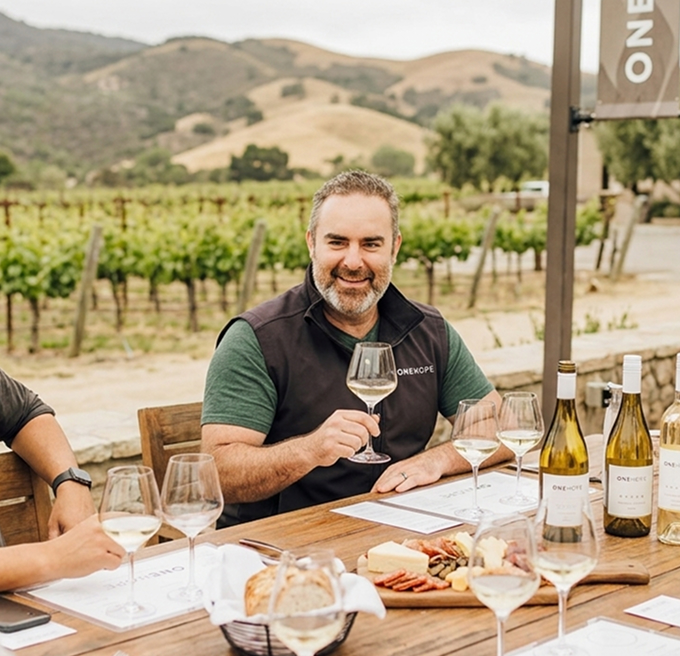
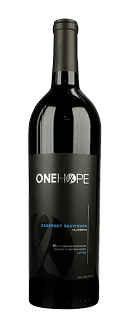
When we built Estate 8, balance mattered more than impact. How the wine feels after the second glass, not the first sip. ONEHOPE grew from that same instinct. Wine should support gathering, not dominate it. I am admittedly biased. Estate 8 is my purpose-driven baby. But the bottles I finish most often are the ones shaped by fog, elevation, and patience.
A Gentle Cool-Climate Itinerary
Day One
Start in Los Carneros. Morning sparkling or Chardonnay tasting. Lunch nearby. Quiet afternoon.
Day Two
Head into Coombsville. Taste elegant reds at a small estate. Lunch in downtown Napa.
Day Three
Drive up Mount Veeder or Atlas Peak for elevation contrast. Taste slowly. Leave with fewer bottles and clearer preferences.
Where to Eat if You Love Cool-Climate Wines
Choose kitchens that respect acidity and restraint:
- Seasonal menus with bright, clean flavors
- Lighter proteins and vegetables
- Sauces that enhance rather than mask
These wines shine when food leaves space.