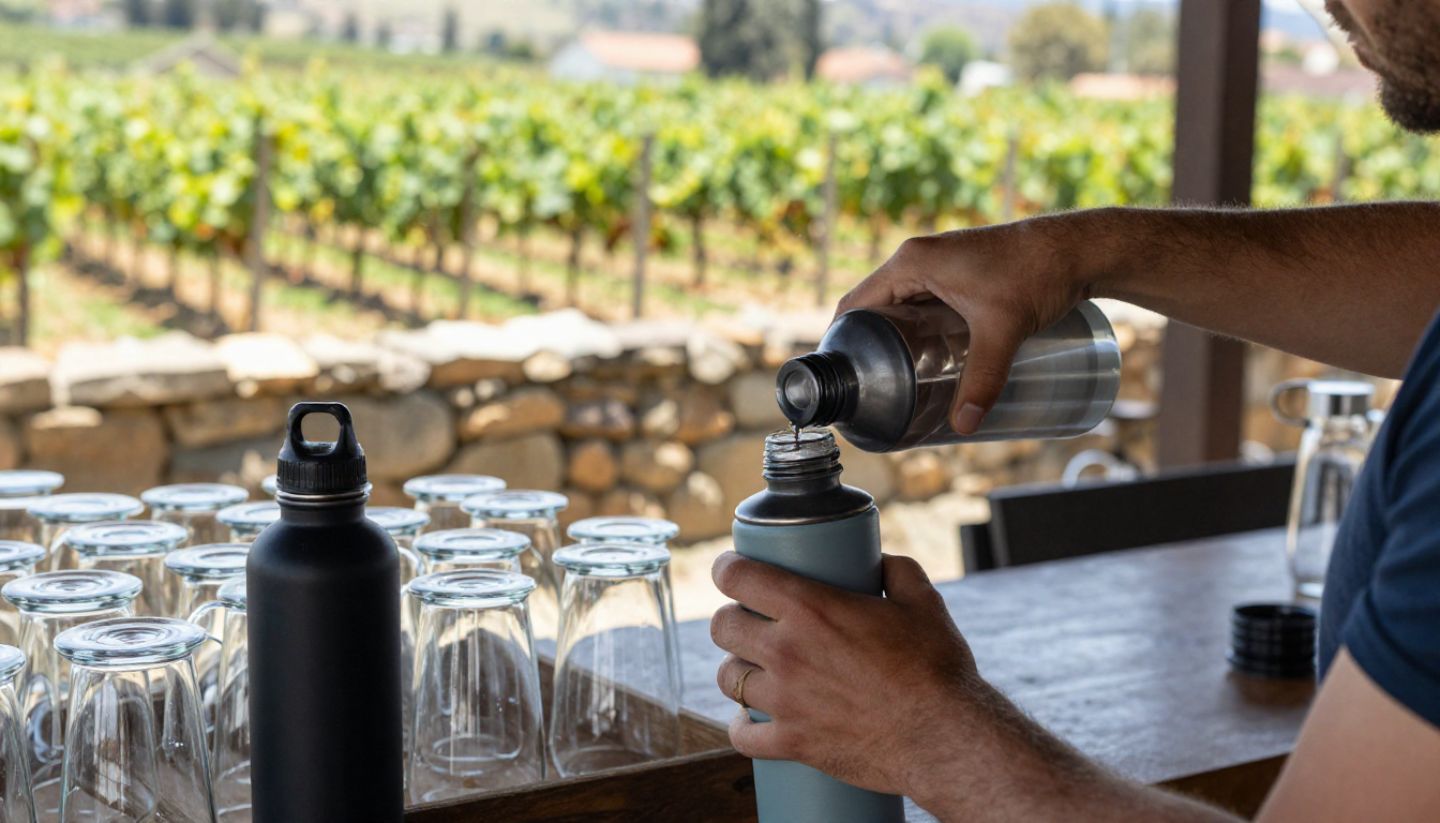
There is a quieter satisfaction in Napa Valley that has nothing to do with what is poured or plated. It comes from small choices made repeatedly. Refilling a water bottle instead of grabbing another plastic one. Walking to dinner instead of driving. Leaving a place without evidence that you were ever there.
For travelers who want to travel plastic free, Napa offers something rare. A destination where sustainability is not a trend but a working necessity tied directly to land, water, and farming. When done thoughtfully, low waste travel here feels natural rather than restrictive.
What This Experience Is Really About
Plastic free travel in Napa is not about perfection. It is about alignment.
This valley depends on:
- Clean water systems
- Healthy soils
- Long term land stewardship
Reducing single use plastic fits naturally into a place that already thinks in decades rather than days. When you slow your pace, waste has a way of falling away on its own.
When It Is Easiest
The slower, truer Napa midweek
Tuesday through Thursday offers fewer crowds and more thoughtful service, which reduces reliance on disposable packaging.
Spring through fall
Farmers markets are active, outdoor dining is common, and refill options are everywhere.
Early mornings
Local bakeries and cafes operate at their most local and least wasteful rhythm, making for here service the norm.

Where Plastic Free Travel Works Best
Walkable town centers
Downtown Napa, Yountville, and St. Helena allow you to move between meals, tastings, and shops without rideshares or packaged snacks.
Farmers markets
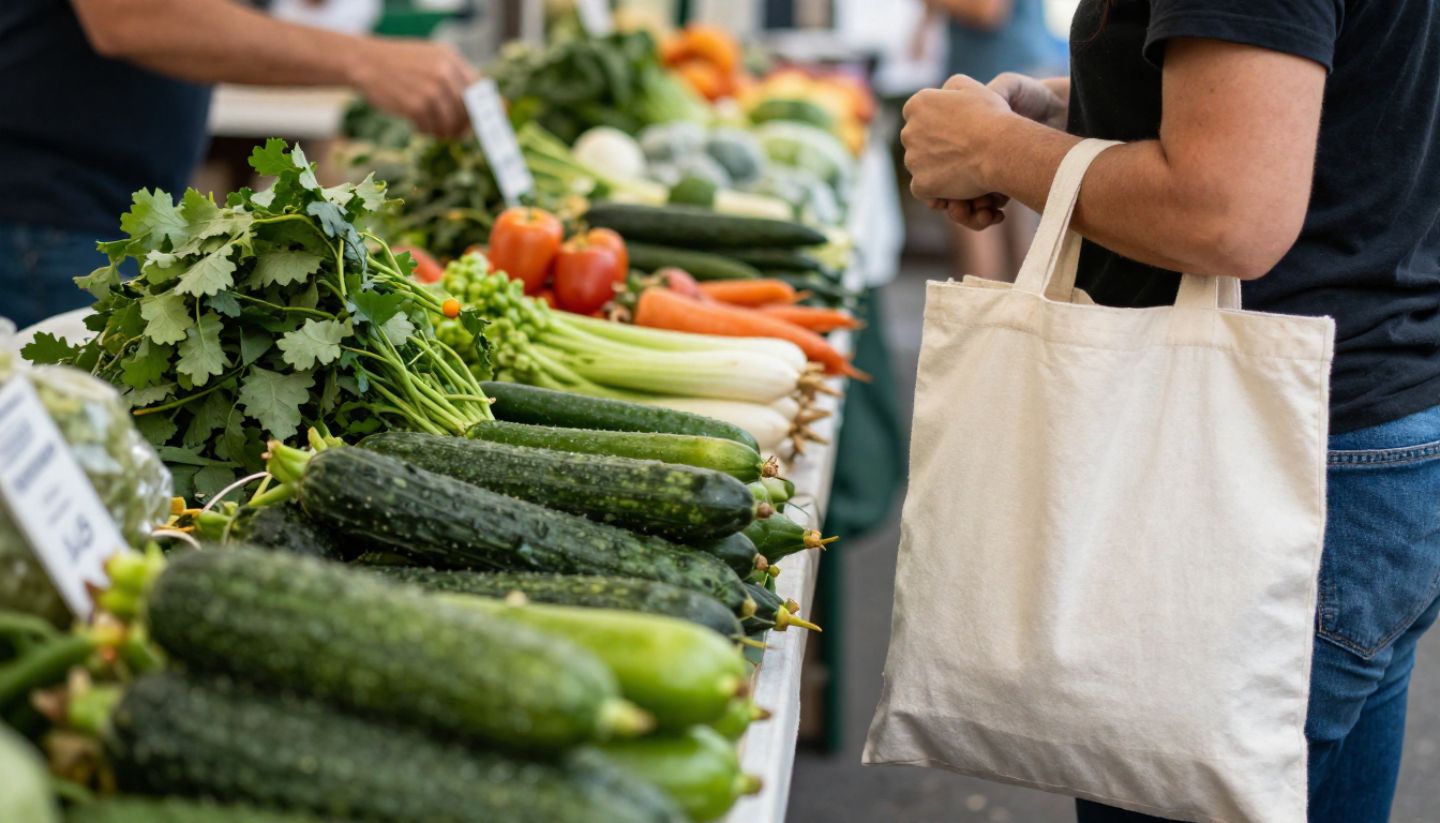
The Napa Farmers Market and St. Helena Farmers Market are ideal for zero waste shopping. Bring a tote and buy produce, bread, and prepared foods without plastic.
Seated winery tastings
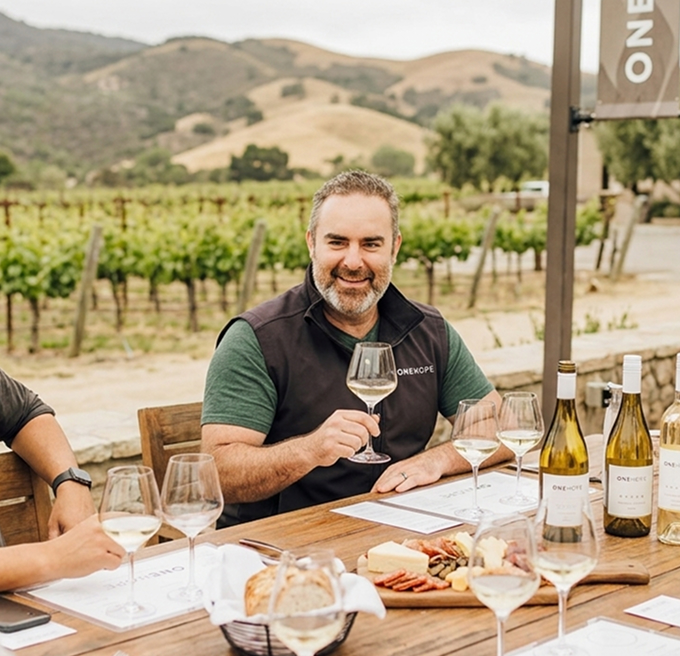
Most Napa wineries serve water in glass carafes and use reusable stemware. Choosing seated appointments over standing bars maintains a higher sustainability standard.
What Most Visitors Miss
Many travelers assume plastic free travel requires constant vigilance.
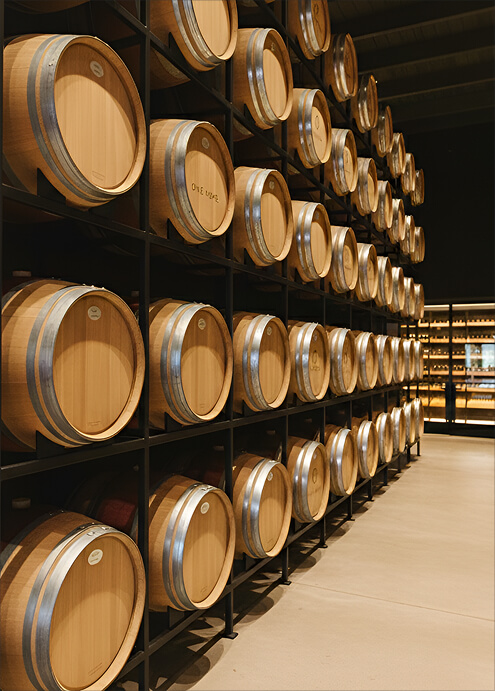
What they miss is that Napa already operates this way behind the scenes. Barrels are reused for decades. Restaurants compost. Vineyards think carefully about inputs and outputs. When you match that mindset as a visitor, the experience feels seamless rather than effortful.
My Local Notes
Living here changes how you see waste. You notice what lasts and what does not.
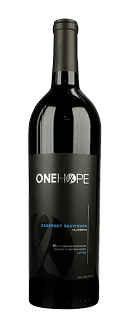
When we were shaping Estate 8, every material decision came back to longevity. Stone that ages well. Glass that is reused. Systems that do not ask the land to absorb shortcuts. ONEHOPE grew from that same awareness. Wine connects people, but it also connects us to responsibility. I am admittedly biased. Estate 8 is my purpose driven baby. But the longer I live here, the clearer it becomes that sustainability in Napa is not branding. It is survival.
A Gentle Plastic Free Itinerary
Day One
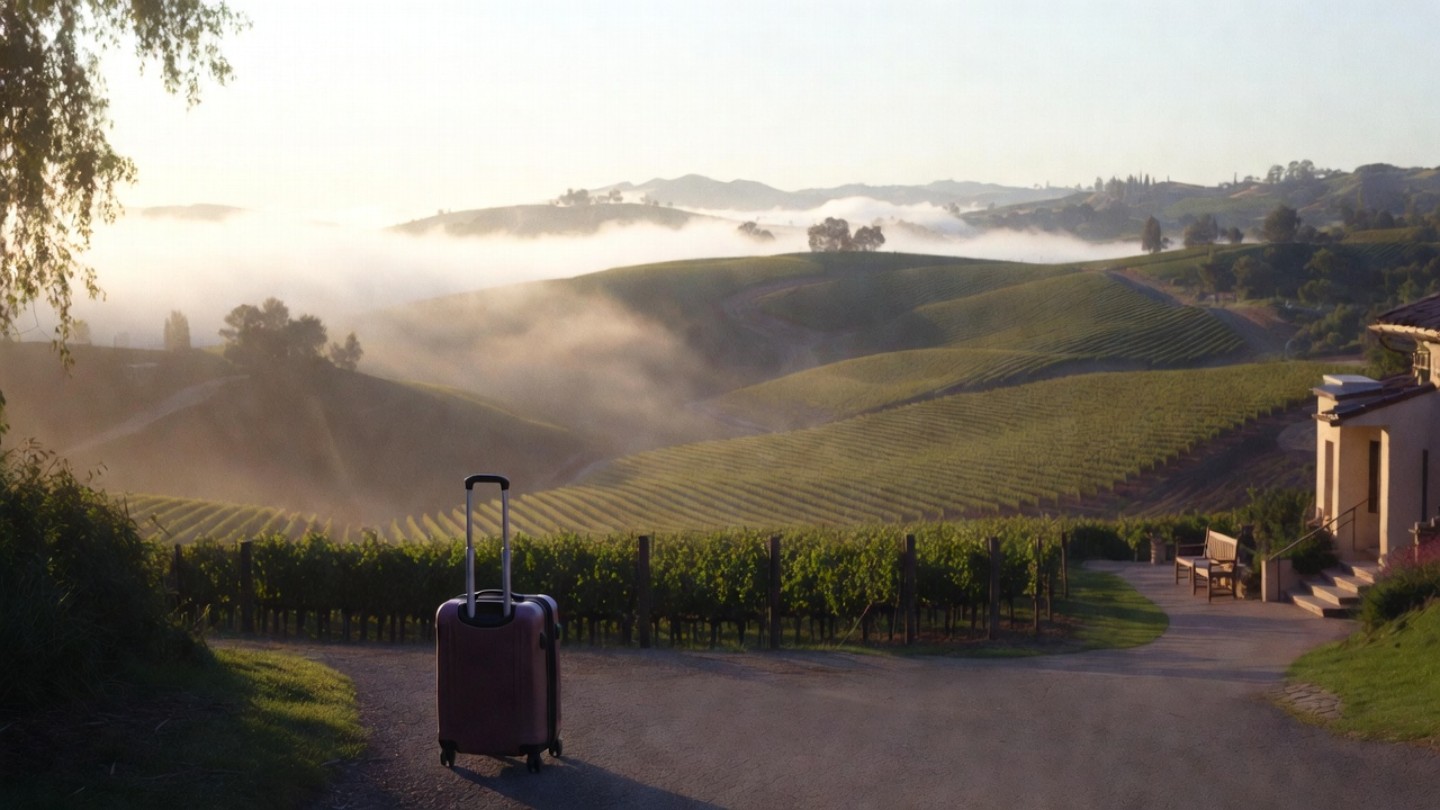
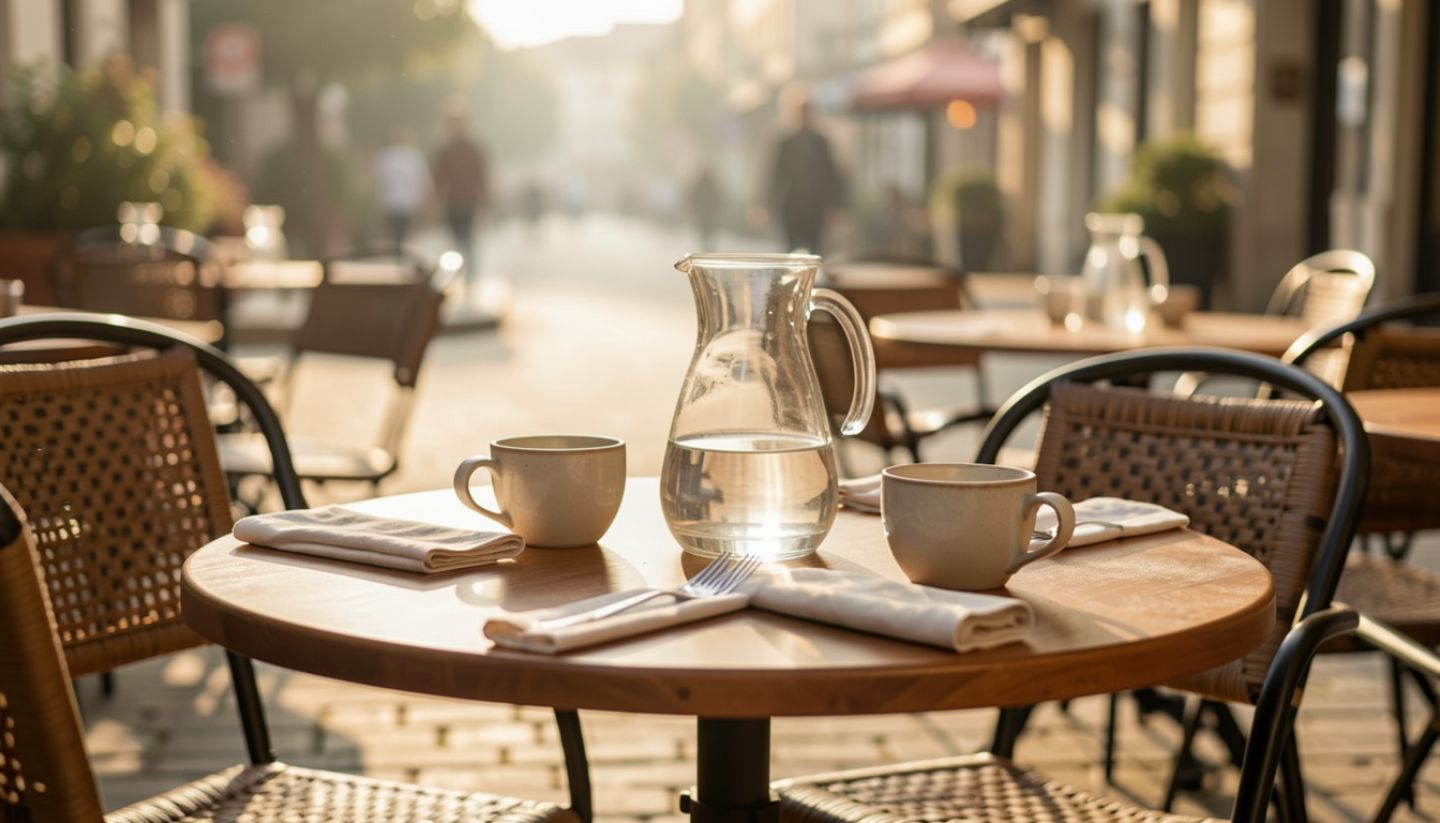
Arrive and unpack fully. Skip bottled water. Walk to dinner instead of driving. Ask for house water and linger.
Day Two
Morning visit to a farmers market with your own tote. Afternoon at one or two seated tastings. Long lunch with no rush.
Day Three
Coffee from a local bakery using a ceramic for here cup if available. Walk through the neighborhood or vineyard edges. Leave lightly.
How to Reduce Plastic Without Trying Too Hard
- Carry a refillable water bottle and tote
- Eat in rather than take out
- Choose walkable lodging
- Skip hotel mini bars and bottled water
- Ask before accepting packaging
Napa rewards intention.